Choosing an LED Wall Company in Minnesota: A Practical Guide for Event Planners
Selecting the right led wall company in Minnesota requires more than comparing panel dimensions and the lowest screen rentals price. This guide, published by Front Row FX, walks event planners through what actually matters when hiring a provider for conferences, concerts, galas, festivals, and outdoor productions.
Start Here: What to Decide Before You Pick an LED Wall Provider
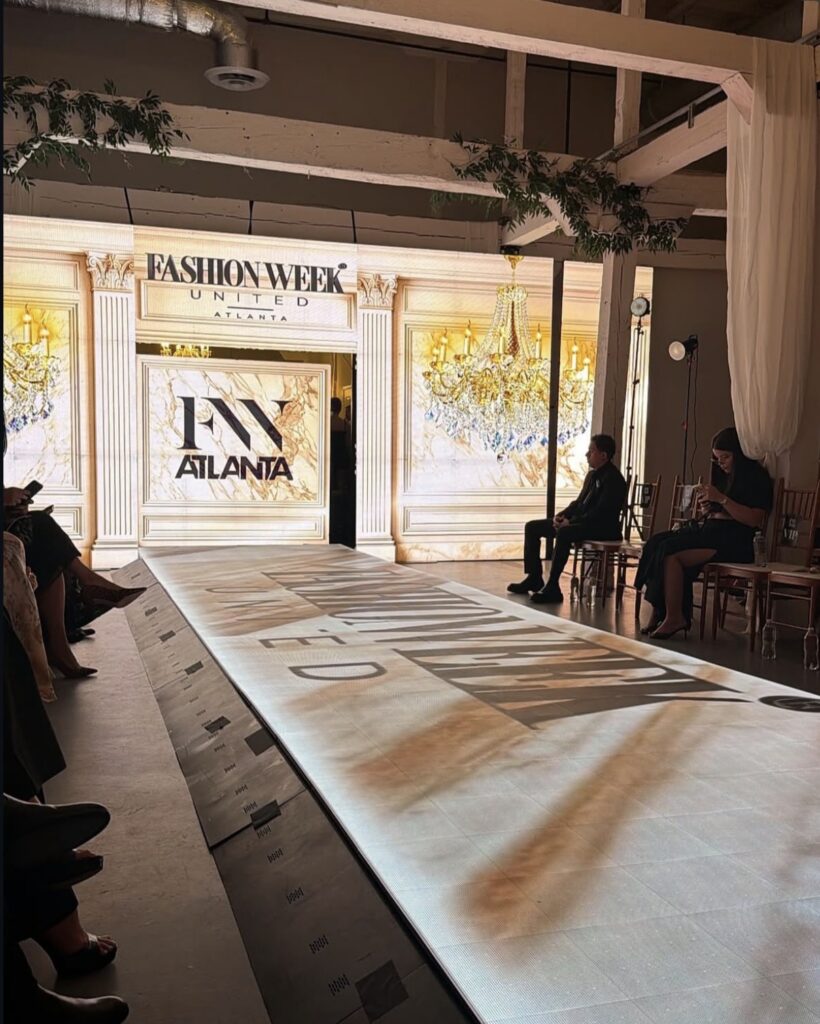
A professional LED video wall provider must understand your audience size, venue layout, screen placement, sightlines, content format, signal workflow, electrical power, structural support, installation schedule, rehearsal time, live show operation, and teardown logistics. Minnesota has several companies specializing in audiovisual integration and custom display solutions, and local firms handle project management and installation for LED video walls across the state. Companies must have the capability to handle both indoor and outdoor requirements, because Minneapolis LED wall rentals support both indoor and outdoor events ranging from intimate galas to 10,000-seat concerts.
The critical distinction planners must grasp early: equipment-only display rental means someone drops off LED screens with no integration, no technician, no signal planning. Full-service LED video wall production means the system is planned, delivered, installed, tested, and operated by qualified crew. LED video walls can be rented for various events, but how they are supported determines whether your event runs smoothly or scrambles through technical failures.
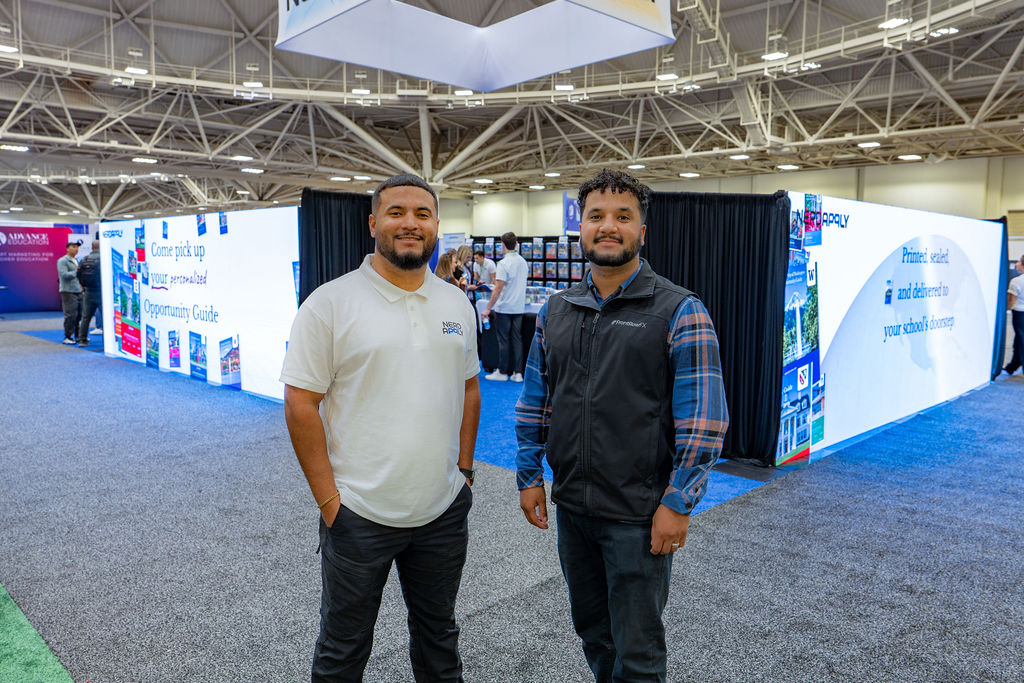
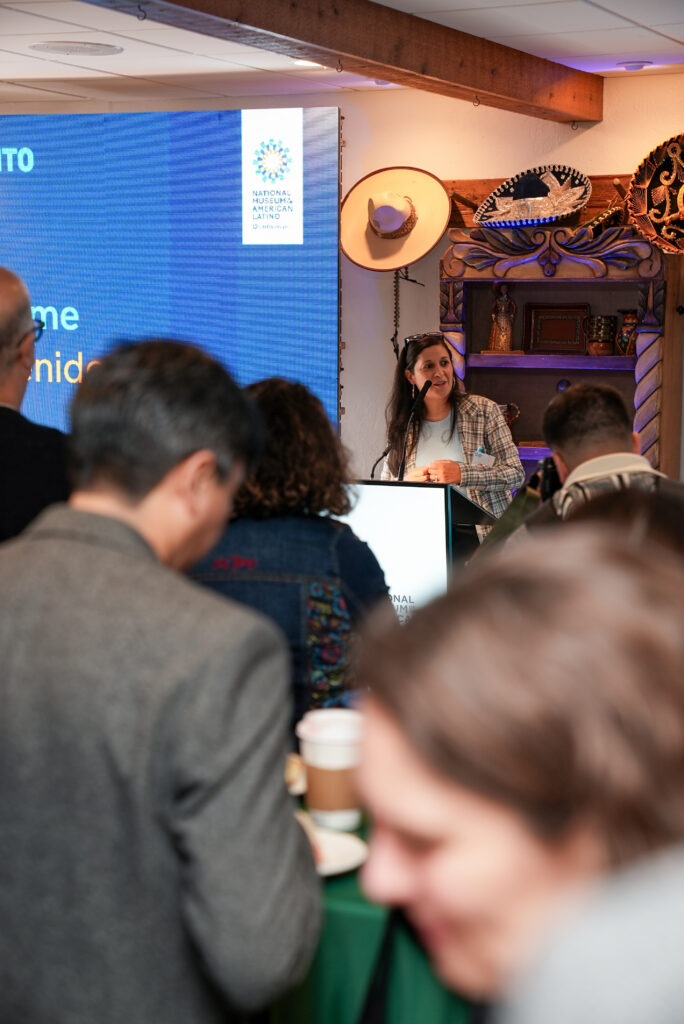
Common Minnesota use cases include corporate meetings in Minneapolis–Saint Paul hotels, annual conferences at the Minneapolis Convention Center, concerts in theaters and clubs, cultural programs in community venues, festivals at parks and fairgrounds, and outdoor screens for sporting events and community celebrations across the state.
Match the Company’s Experience to Your Type of Minnesota Event
LED video walls can be configured for various event types, but relevant experience varies dramatically. Ask providers for evidence specific to your format:
-
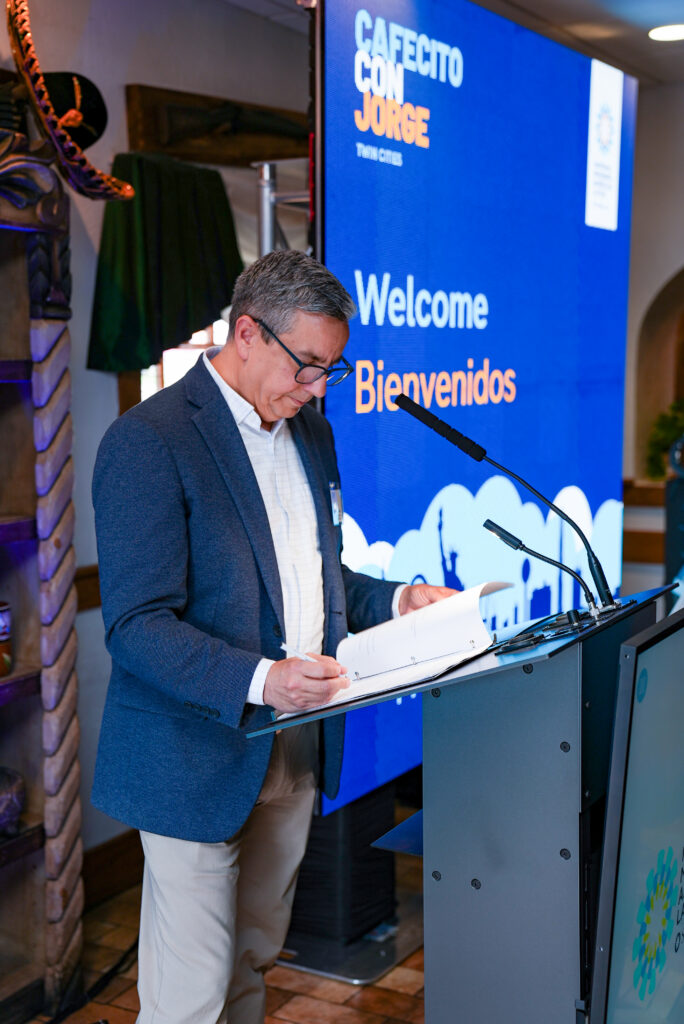
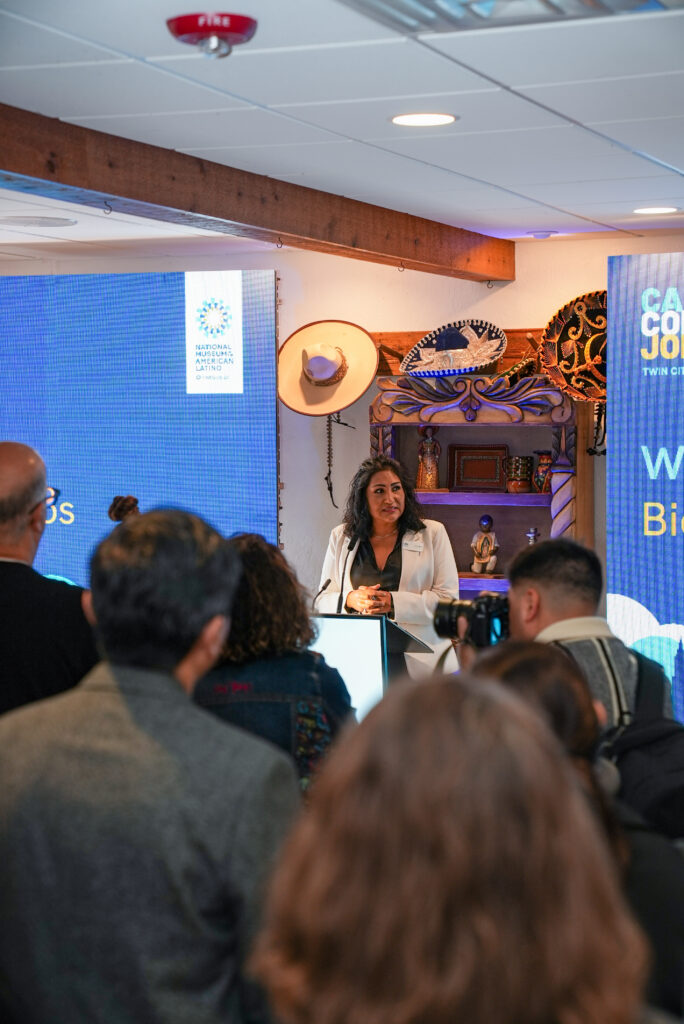
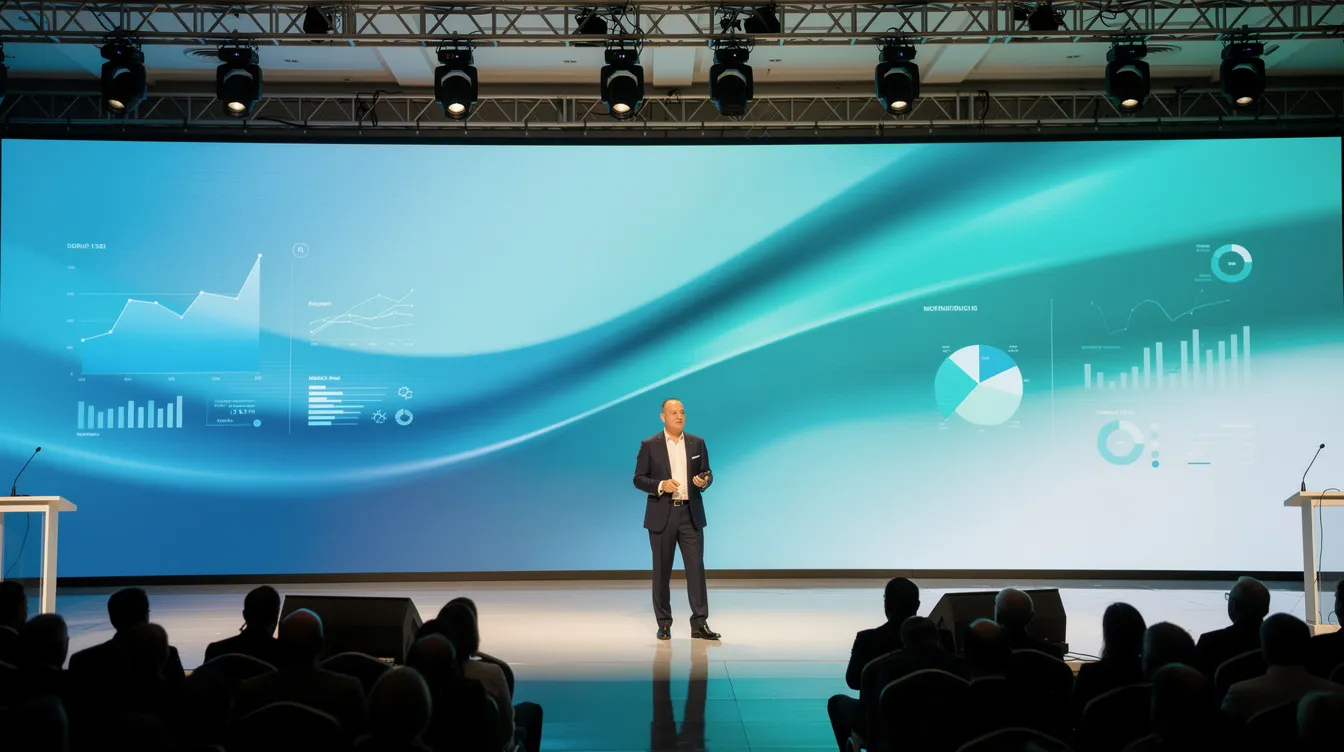
Corporate conferences and sales meetings: LED walls for main-stage keynotes, breakout sessions, sponsor LED displays, and digital signage. The provider should demonstrate familiarity with tight hotel load-in schedules and technical rehearsals at Minneapolis venues and corporate events.
-
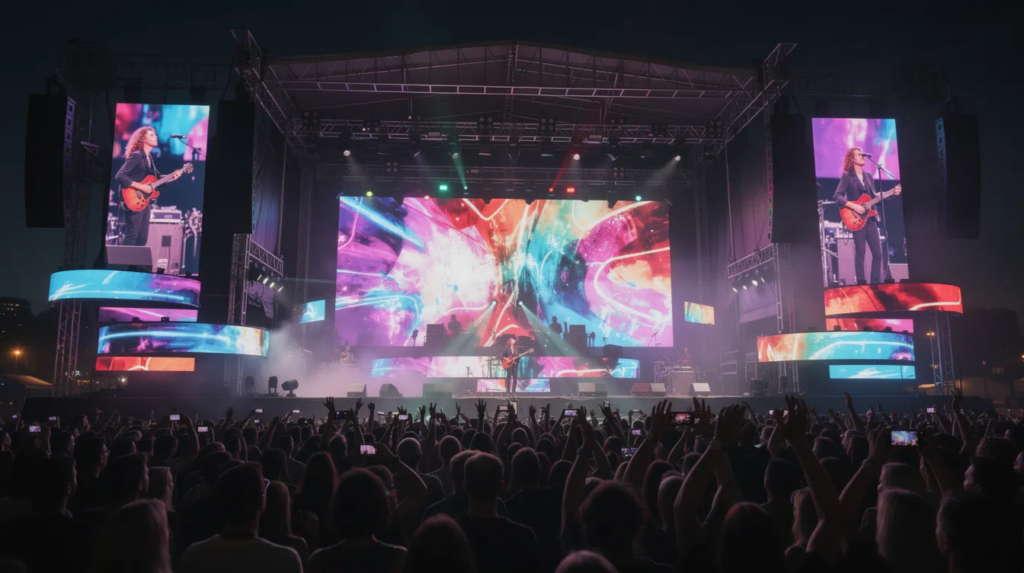
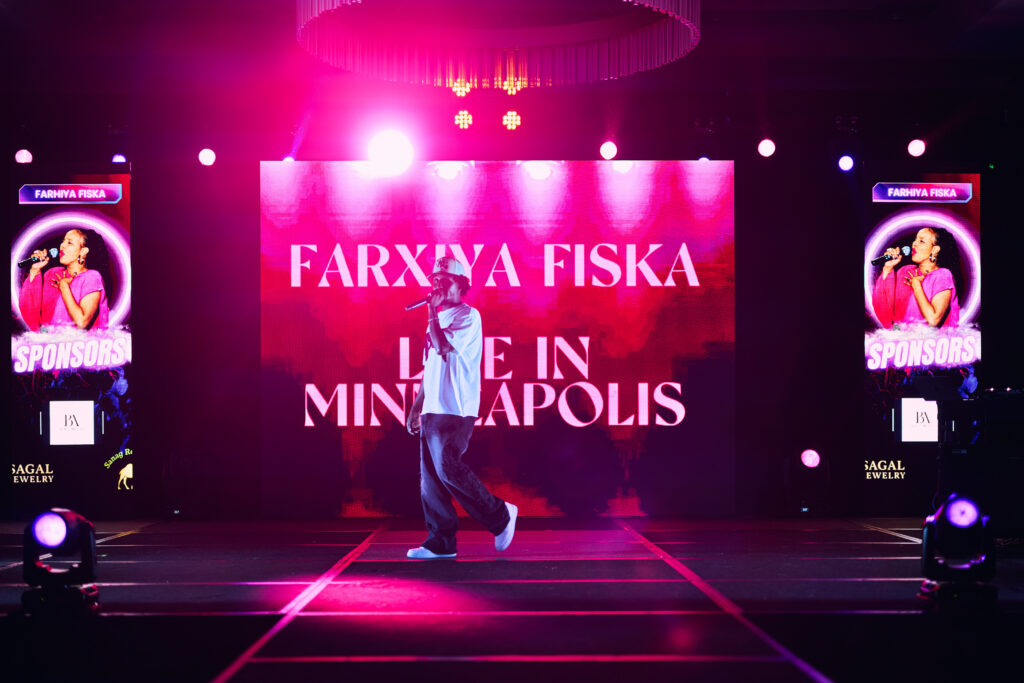
Concerts and live music: LED video walls as stage backdrops, side IMAG screens, and flown arrays. Experience with rigging, lighting integration, and stage production is essential.
-
Galas and fundraisers: High resolution LED screens for graphics, donor recognition, live auction feeds, social media feeds, and sponsor logos in ballrooms across the Twin Cities.
-
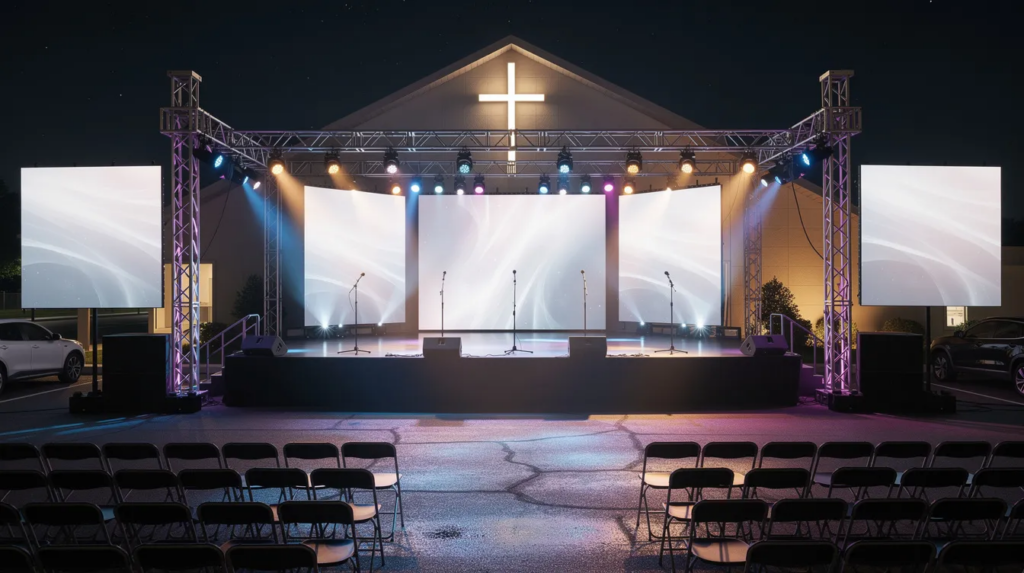
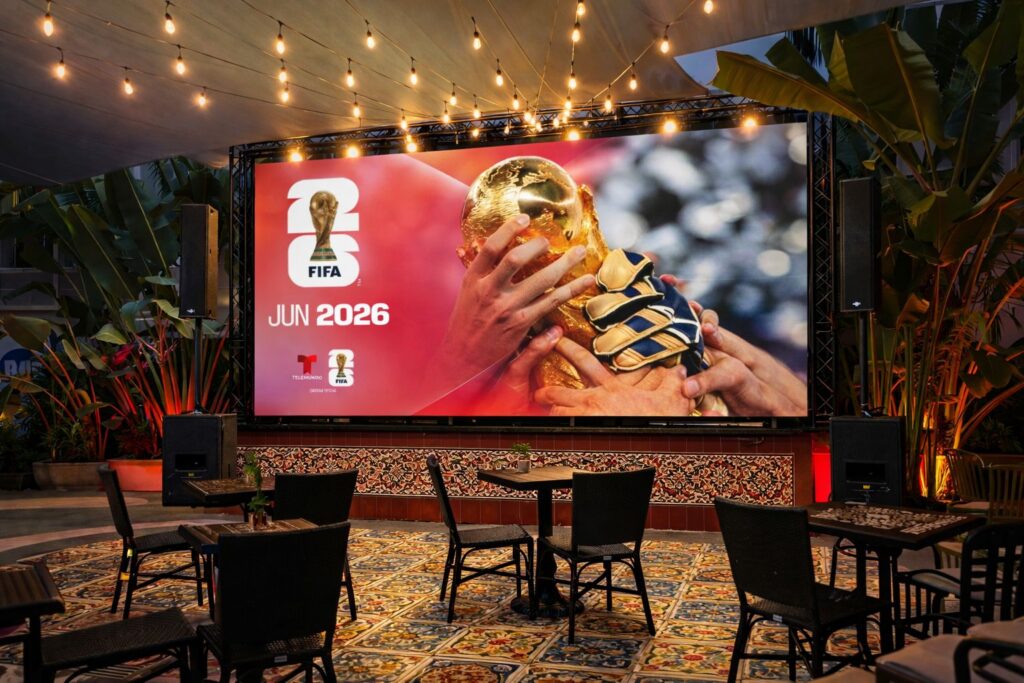
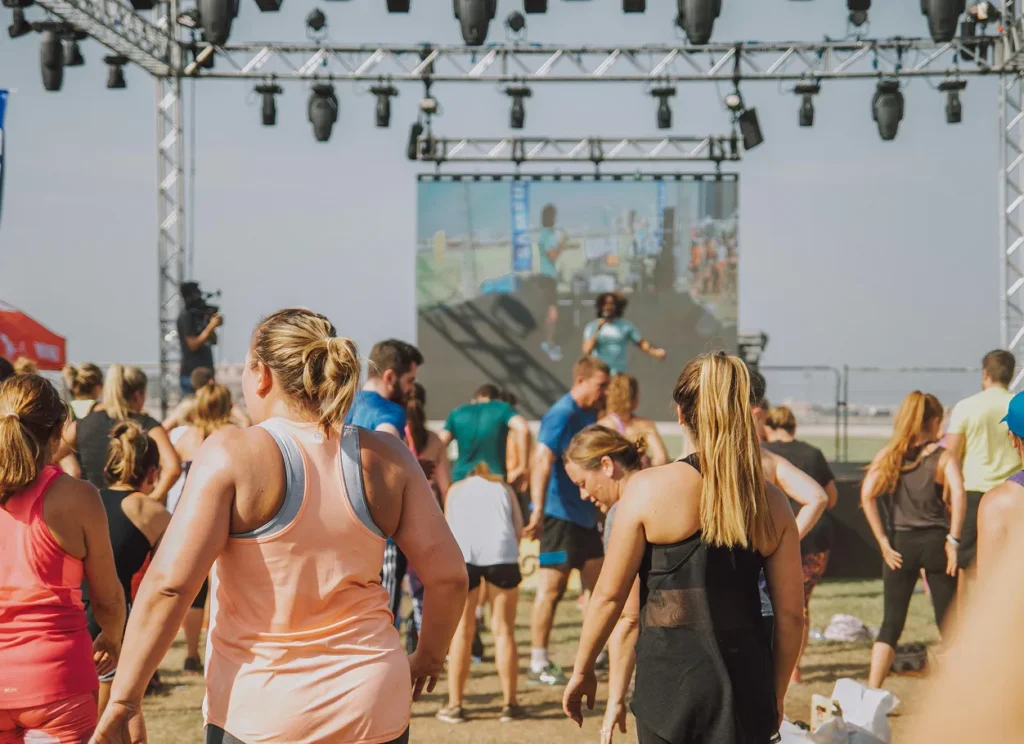
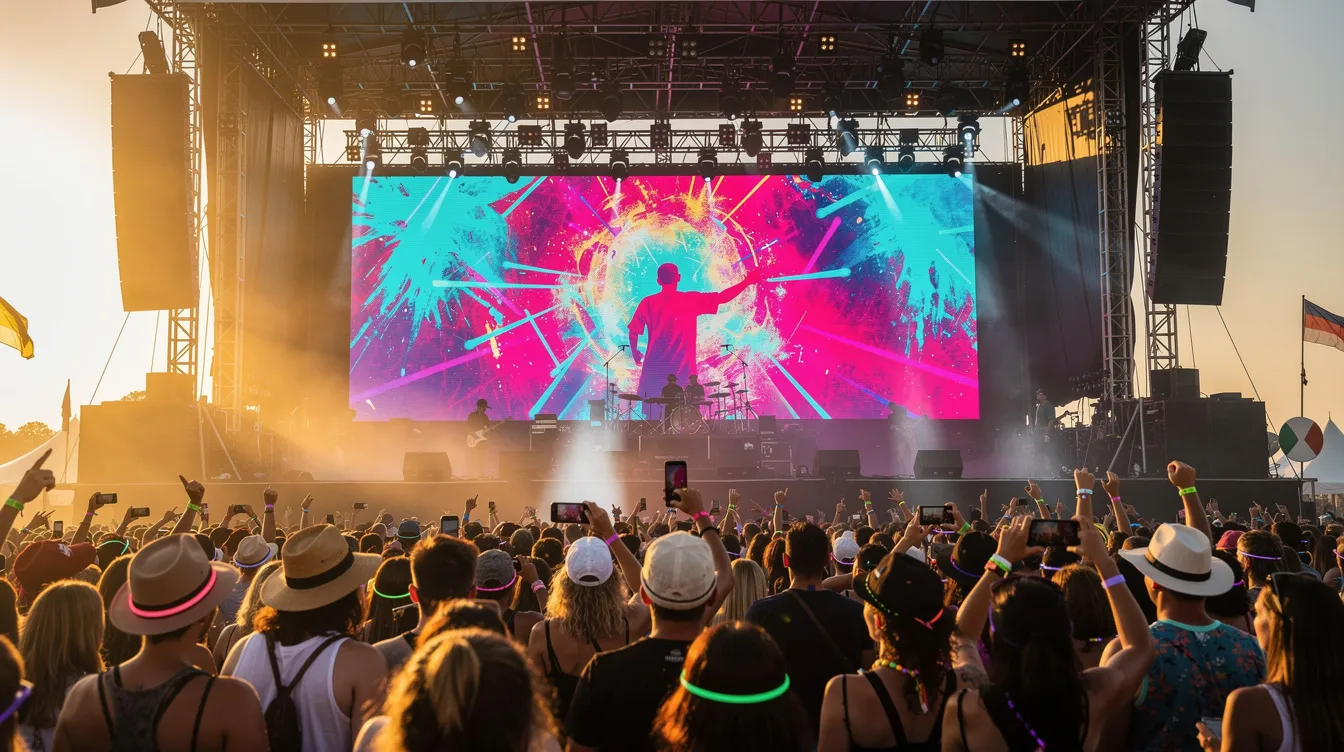
Festivals, fairs, and outdoor events: Weather-rated LED screens, higher brightness, ground support on uneven terrain, and longer viewing distances. Mobile LED displays are ideal for multi-location events, while jumbotrons are used for large-scale advertising campaigns at sporting events.
Ask for specific examples: “Show me an LED wall you delivered for a 1,000-person event in Minneapolis in 2024” rather than accepting vague claims. Owning a large inventory of LED screens does not automatically mean the company can design, rig, power, and operate a complex system reliably.
Indoor vs. Outdoor LED Walls, Pixel Pitch and Viewing Distance
Indoor and outdoor LED displays are engineered differently. LED walls require different brightness levels for indoor and outdoor use – indoor video walls typically operate at 600–1,500 nits, while outdoor panels need 3,000–5,000 nits or more to compete with direct sunlight. Minnesota’s climate necessitates weatherproof LED displays for outdoor use, with IP65-rated cabinets that handle rain, wind, and temperature swings.
Pixel pitch affects image clarity based on viewing distance. LED video walls can be configured with pixel pitches of 2.6mm, 2.9mm, and 3.9mm depending on the application:
-
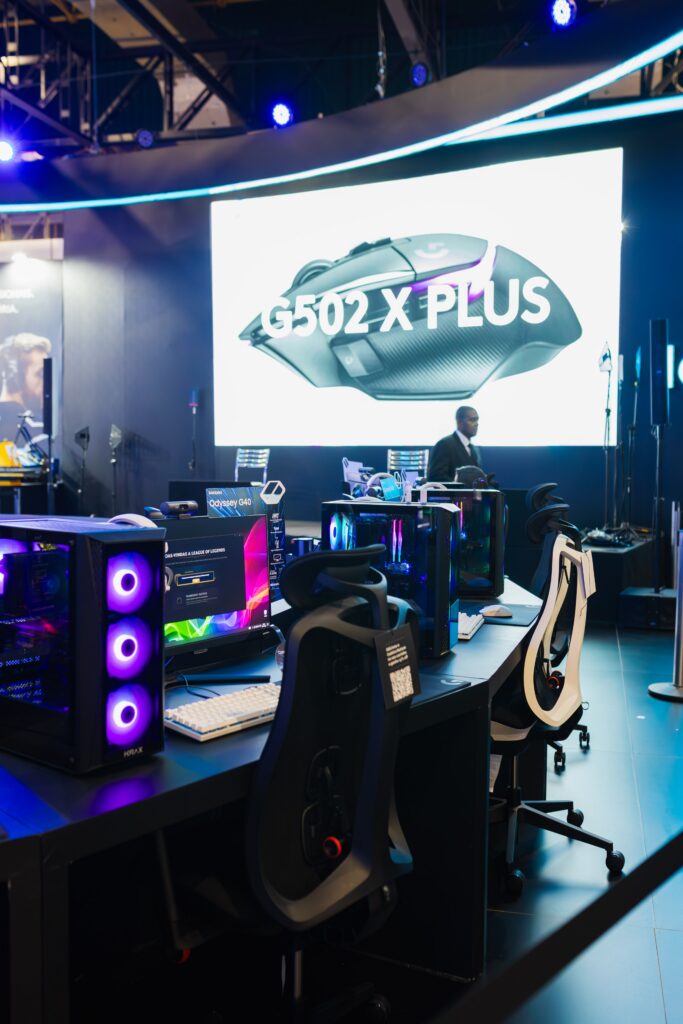
Indoor (close viewing, 10–40 feet): P2.6 or P2.9 panels deliver sharp text, detailed graphics, and crisp video for corporate keynotes and trade shows.
-
Outdoor (audience 40–150+ feet away): P3.9 or larger pixel pitch panels work well for concerts, festivals, and community events where the front row is farther from the screen.
A qualified LED wall company should recommend pixel pitch based on your actual seating plan and sightlines – not simply whatever happens to be in stock. For deeper technical detail on resolution and distance trade-offs, see the LED Wall Pixel Pitch resource.
Screen Size, Aspect Ratio, and Content Preparation
Screen dimensions must be planned around stage size, ceiling height, trim height for flown screens, camera framing, and audience seating width. LED video walls can be configured for various screen dimensions, and LED tile walls can be rented up to 100 feet wide for large-format productions. LED video walls consist of multiple light-emitting diodes arranged in a matrix of LED tiles combined into a larger canvas.
-
Aspect ratios: 16:9 is standard for most video content; 16:10 and custom ultra-wide formats like 32:9 are common for product launches and brand activations. Mismatched aspect ratios cause cropping, black bars, or distortion.
-
Pixel maps: The exact pixel dimensions of your led video wall – designers need this in advance to build content that fits correctly.
-
Specialty formats: The P1.86 LED Poster Totem, with a panel size of 640 × 1920 mm and resolution of 344 × 1032, serves lobby and registration displays. Transparent LED walls create immersive experiences without obstructing views behind the screen, useful for retail activations and stage design.
A professional provider should supply content guidelines covering resolution, frame rate, safe areas for text, and file format requirements before your team builds a single slide.
Behind the Screen: Processing, Signal Path, Cameras and IMAG
Reliable LED video depends on what happens behind the screen. Video processors from manufacturers like NovaStar scale input resolutions and map content correctly across each LED wall section. LED video walls provide high-quality, high-resolution images only when processing is matched to the panel configuration. High refresh rates – 3,840 Hz and above – eliminate flicker for video applications in LED displays, which matters whenever cameras capture the screen for broadcast or streaming.
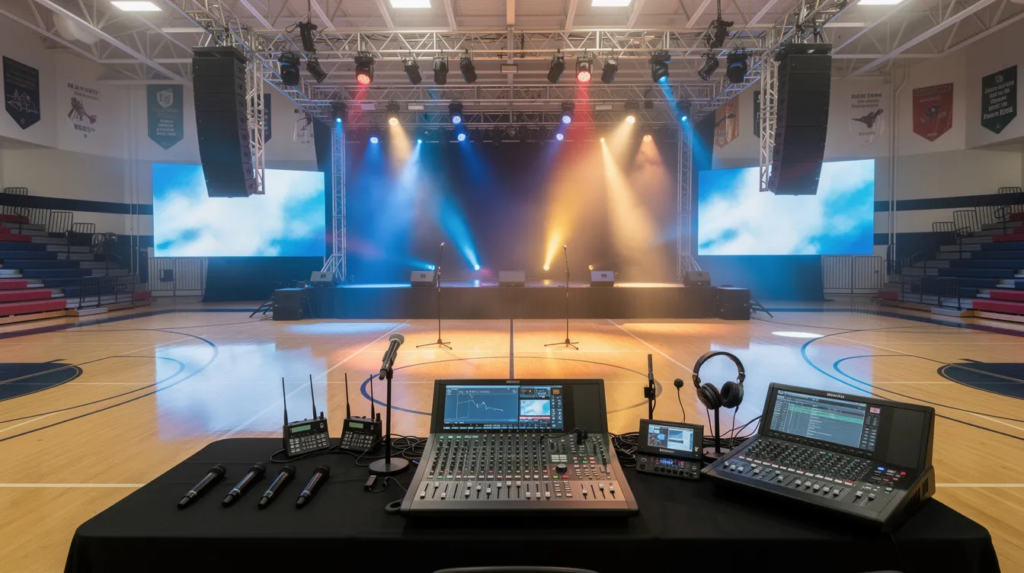
For multi-source events, a production switcher handles transitions between laptops, media servers, cameras, and playback machines. IMAG (image magnification) feeds live camera shots to LED screens so distant guests can see presenters or performers clearly – the difference between a simple Minneapolis LED screen rental with a single HDMI input and a full production system with cameras, an operator, and signal routing for recording and streaming.
Front Row FX coordinates LED processing, switching, cameras, and show operation as part of a complete AV production scope.
Rigging, Structures, Power and Safety for LED Walls
Structural planning and electrical power are critical for any large LED wall – especially flown or outdoor installations. LED tiles typically weigh close to 20 lbs each, and a full wall with truss adds substantial load. End-to-end services include engineering, installation, and maintenance for LED systems, and the provider should supply rigging plots and load calculations.
-
Ground-supported vs. flown walls: Ground support uses truss or staging; flown walls require certified rigging hardware and venue beam approval.
-
Structural documents: Weight loads, ballast for outdoor structures, engineering sign-off when required. Never bypass venue rules.
-
Electrical planning: Estimate total power draw for LED panels, processors, cameras, sound systems, and related equipment. Determine whether standard 120V circuits suffice or if 208V three-phase service is needed. Coordinate with the venue before load-in day, not during it.
For detailed rigging and outdoor considerations, explore the LED Wall Rigging and Outdoor LED Screen guides.
People, Process, Weather Planning and Redundancy
Turnkey capabilities streamline the process for audiovisual setup, but that requires real people executing a real plan:
-
Crew: Experienced installation crew, LED technicians, and show operators onsite from load-in through teardown.
-
Process: Site review, advance production planning, confirmed load-in times, testing and alignment of the LED video wall, rehearsal or line check, live show operation, controlled strike.
-
Weather: For outdoor LED displays in Minnesota, define wind thresholds, rain procedures, and contingency plans before show day.
-
Redundancy: Spare LED tiles, extra cables, backup video processors or inputs, and clear procedures if a section fails mid-show. Providers should ensure the availability of spare parts for LED systems.
-
Insurance and documentation: Request certificates of insurance, risk assessments, and verify the provider handles venue paperwork. Multi-year warranties covering components and service should be included by providers on permanent installations, and transparent warranties are important for long-term LED investments.
A proper production partner will also coordinate with staging, lighting, and audio vendors so that LED walls and cabling do not conflict with sightlines or emergency egress.
Proposals, Scope of Service and Questions to Ask LED Wall Companies
Many LED wall quotes look similar on the surface. The difference lies in scope, staffing, and support.
A clear proposal should specify: LED panel model and pixel pitch, total resolution and physical dimensions of each LED display for indoor or outdoor use, processing equipment, rigging approach, power requirements, crew roles, show hours, and overtime policies.
Questions to ask before hiring:
-
Who designs the screen layout, pixel map, and signal flow?
-
Are on-site LED technicians and operators included for the entire event schedule?
-
How do you handle weather and wind thresholds for outdoor LED walls?
-
What backup equipment is included in case an LED tile or processor fails?
-
How do you coordinate with the venue on rigging approval, power, and access?
Warning signs: Vague descriptions like “large LED wall” without specs, no mention of technicians, no reference to power or rigging, pricing far below other Minnesota LED companies without explanation, or refusal to discuss insurance and safety documentation. Combining owned equipment with professionally sourced gear is normal for larger projects, but the production company must remain responsible for compatibility, testing, and operation of the entire system.
Our Recommended Minnesota LED Wall Production Company: Front Row FX
This guide is published by Front Row FX. The recommendation below is based on how the company’s service model aligns with the planning and production standards described throughout this article – not on any independent statewide ranking.
Front Row FX is a Minnesota-based audiovisual production and event technology company that plans, delivers, installs, tests, and operates indoor and outdoor LED screen wall systems for corporate events, conferences, concerts, galas, cultural programs, festivals, and large-scale live productions. The company focuses on managed LED wall production – not equipment-only display rental. Front Row FX coordinates screen sizing, pixel pitch, placement, content requirements, pixel maps, video processing, signal distribution, rigging, electrical planning, and on-site technical operation as part of an integrated production scope.
Front Row FX primarily serves Minneapolis–Saint Paul and Minnesota venues statewide, with the ability to support qualifying productions in Wisconsin, Illinois, and selected projects in Georgia where scale and schedule justify full production support. The company provides LED video walls as standalone projects or as components of larger productions that also include professional audio, lighting, and special effects through its full production services. Learn more about the team and past experiences.
Ready to plan your next project? Contact Front Row FX with your event date, venue, location, audience size, stage dimensions, content requirements, and production schedule. The team will check availability, recommend the right LED wall configuration, and develop a production plan that turns your vision into a memorable experience for every guest in the room.