Budget-Smart Audiovisual Production: Where to Spend and Where to Save
Event AV budgets are under real pressure. Rising costs in labor, logistics, and technology mean that every dollar in your event production budget faces more scrutiny than it did two years ago. AV costs can range from $5,000 to $50,000 depending on event scale, and seventy-five percent of planners report spending the same or more on AV year over year.
Here is the core idea: a better event AV budget does not always mean spending less. It means spending where the audience actually feels the impact. This article is written for corporate event planners, associations, nonprofits, schools, and cultural organizations across Minnesota, Wisconsin, Chicago, and the Upper Midwest. Whether you are planning a 2027 conference or a fundraising gala, the principles here apply. At Front Row FX, we approach audiovisual production as a design problem, not a line-item discount exercise. Below, we walk through how to structure your AV budget, where to protect spend, and where real flexibility exists.
Start With Impact: How Audience Experience Should Shape Your Event AV Budget
Before selecting any AV equipment, follow this workflow: Budget → Audience → Venue → Priorities → Production Design. Start with the money you have. Understand your audience size and expectations. Evaluate the venue and its constraints. Define the moments that matter most. Then design the production around those priorities.
Your event goals should drive every allocation decision. AV professionals help align those goals with budget effectively. Building an event AV budget requires a detailed breakdown of production components, not a wish list of gear.
Before requesting quotes, answer these questions:
What is the audience size and seating layout?
What content types will be delivered: slides, video playback, live demos, IMAG?
Are there recording, streaming, or hybrid event requirements?
What is the room geometry: ceiling height, sight lines, ambient light?
What is the load-in schedule and how many show days?
Defining impact points first prevents random line-item cuts later in the planning process.
Understanding AV Categories and Cost Drivers
A clear understanding of AV categories helps event planners make informed decisions about where money goes.
Audio: microphones, speakers, and mixing consoles. The audience notices speech intelligibility in the back rows and the absence of feedback.
Video: projectors, projection screens, video switchers, LED walls, and media servers. Audiences notice whether slides are readable and camera feeds are sharp.
Lighting: stage wash lighting, uplighting, accent fixtures. Audiences notice whether they can see the presenter’s face and whether the room feels intentional.
Staging: staging decks, backdrop elements, scenic framing. Audiences notice sight lines and visual polish.
Cameras and streaming: capture systems, switching, encoding. Virtual audiences notice latency and image quality.
Labor and control: technicians, operators, show callers, rehearsal time.
An event AV budget must cover core equipment and technical labor. Audiovisual proposals should clearly itemize equipment and associated costs because overlooking minor line items can derail event costs. AV production costs are driven by room size, ceiling height, rigging options, schedule complexity, and technical requirements, not just attendee count. Hidden costs like power distribution, signal routing, and cabling are real line items in every event production budget.
Where Audio Cannot Be Compromised
Audio is usually the worst place to cut blindly. If people cannot hear or understand, the event fails regardless of how good the visuals look.
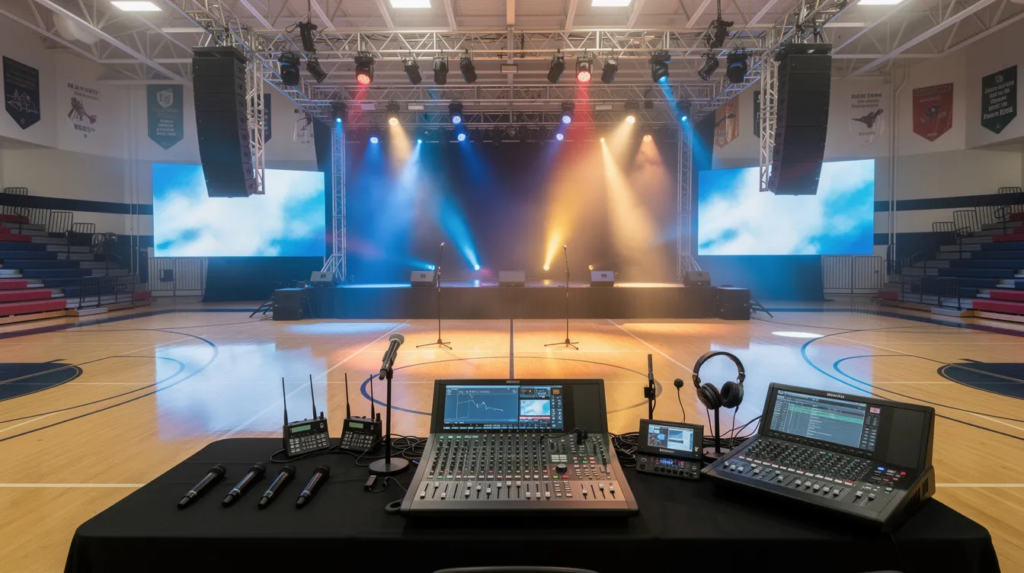
Critical audio elements include correct speaker coverage for the room, reliable wired and wireless microphones, proper mixing, monitoring, and an experienced audio technician managing tasks through the show. A two-speaker sound system might serve a 120-person breakout room well. A 1,000-person general session in a St. Paul ballroom demands a distributed system with delay speakers, front fills, and subwoofers.
Larger is not automatically better. Oversizing a concert-grade system for a 200-person corporate event wastes budget without improving the experience. Basic audio visual setups can range from $20,000 to $50,000 for single-day meetings, and a realistic AV budget generally ranges from $30,000 to $100,000 or more for a corporate event. Protect budget for the main PA, presenter mics, playback sources, onstage monitors, and a skilled operator.
Learn more about professional audio systems and sound reinforcement.
LED, Projection and Screens: When Bigger Screens Actually Matter
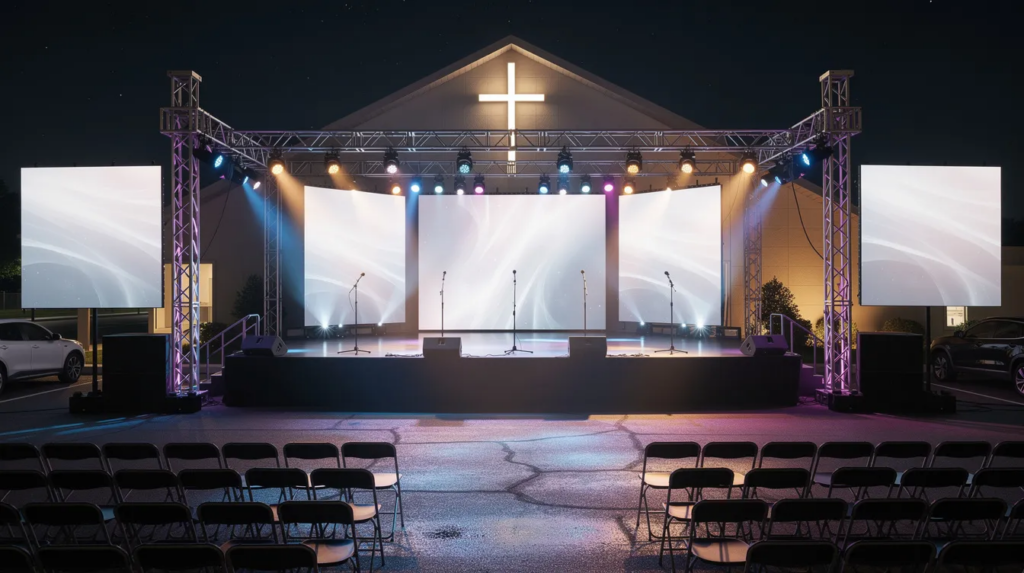
LED video walls and projection serve different purposes. An LED wall is self-luminous and performs well in high ambient light, wide rooms, and large audiences. Projection depends on controlled lighting, throw distance, and screen gain.
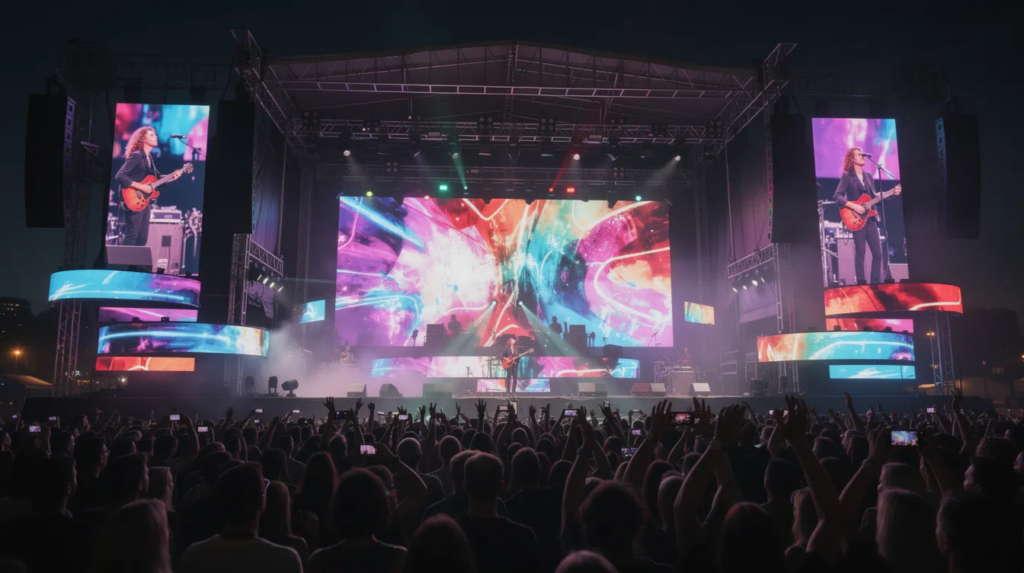
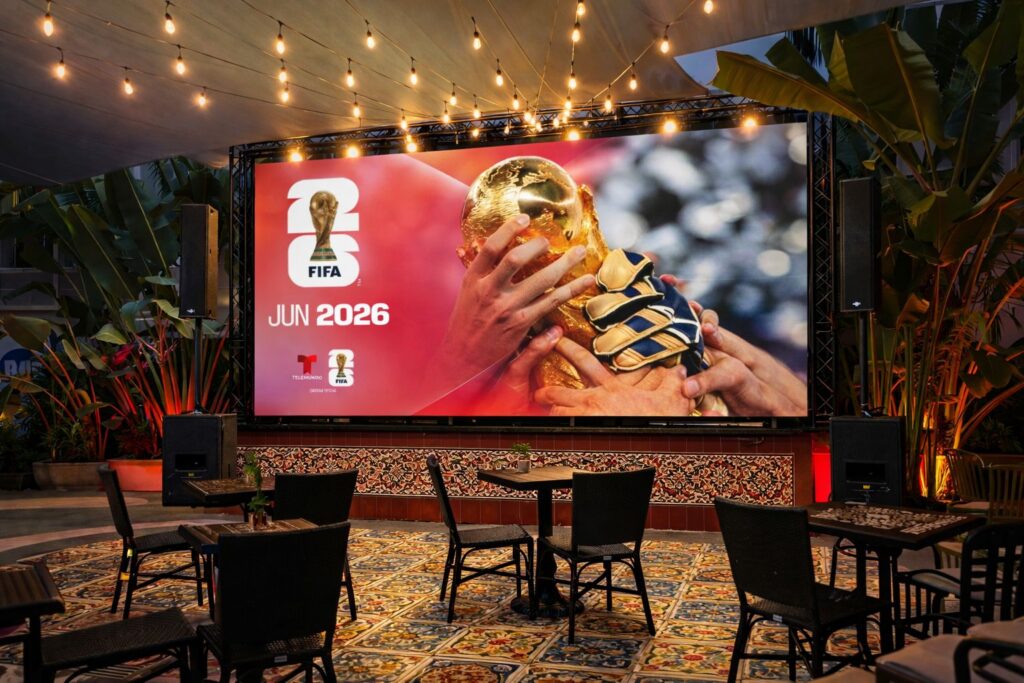
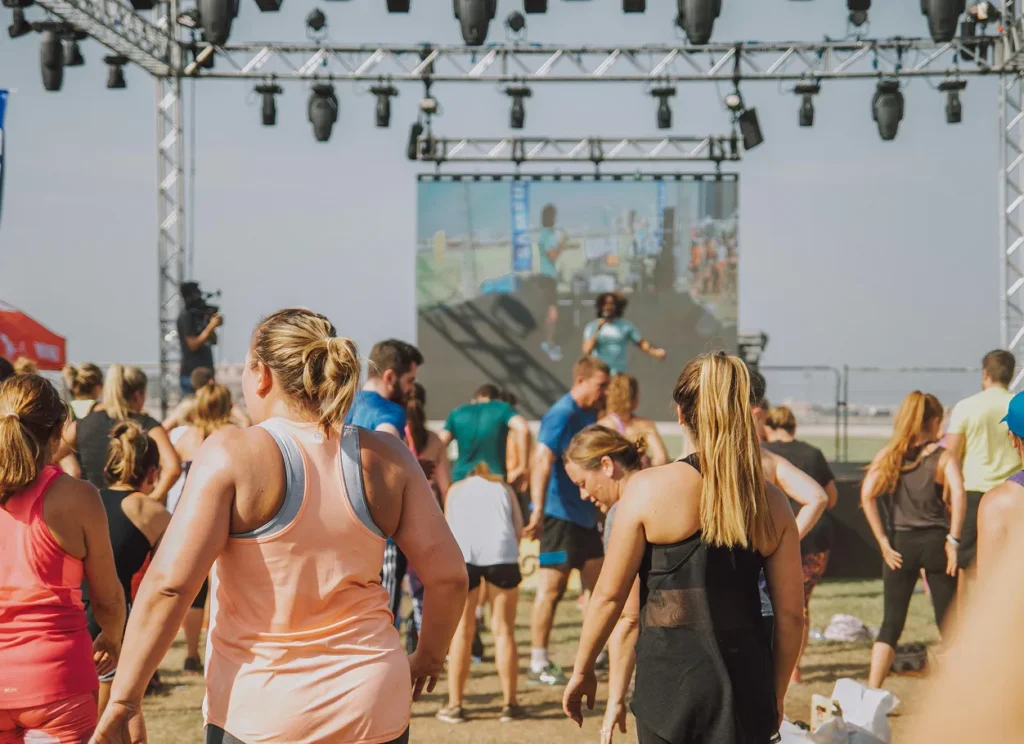
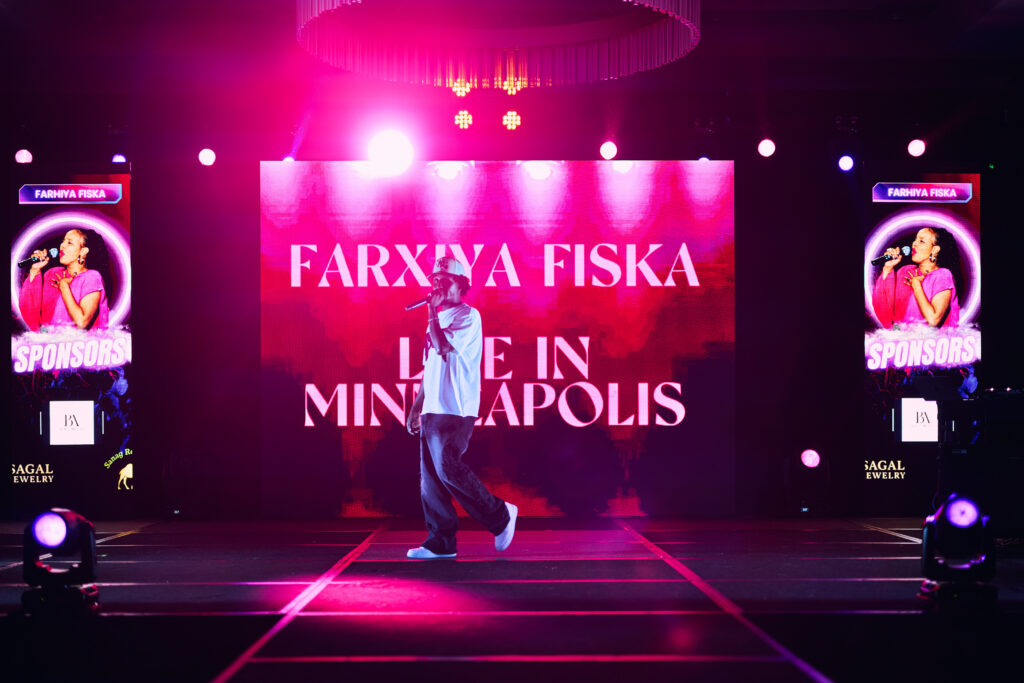
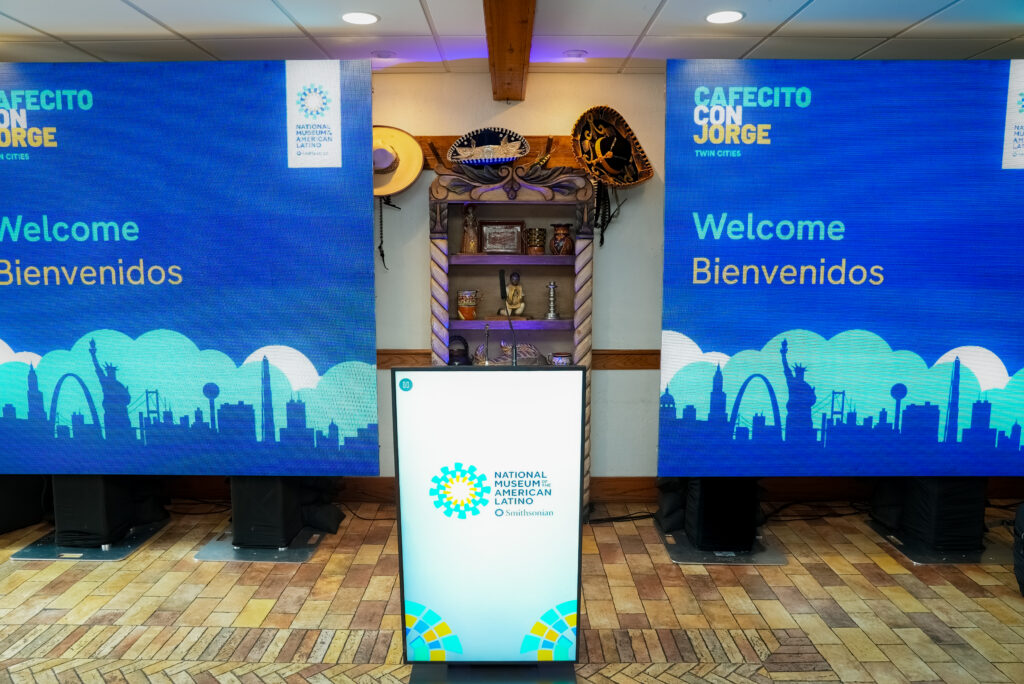
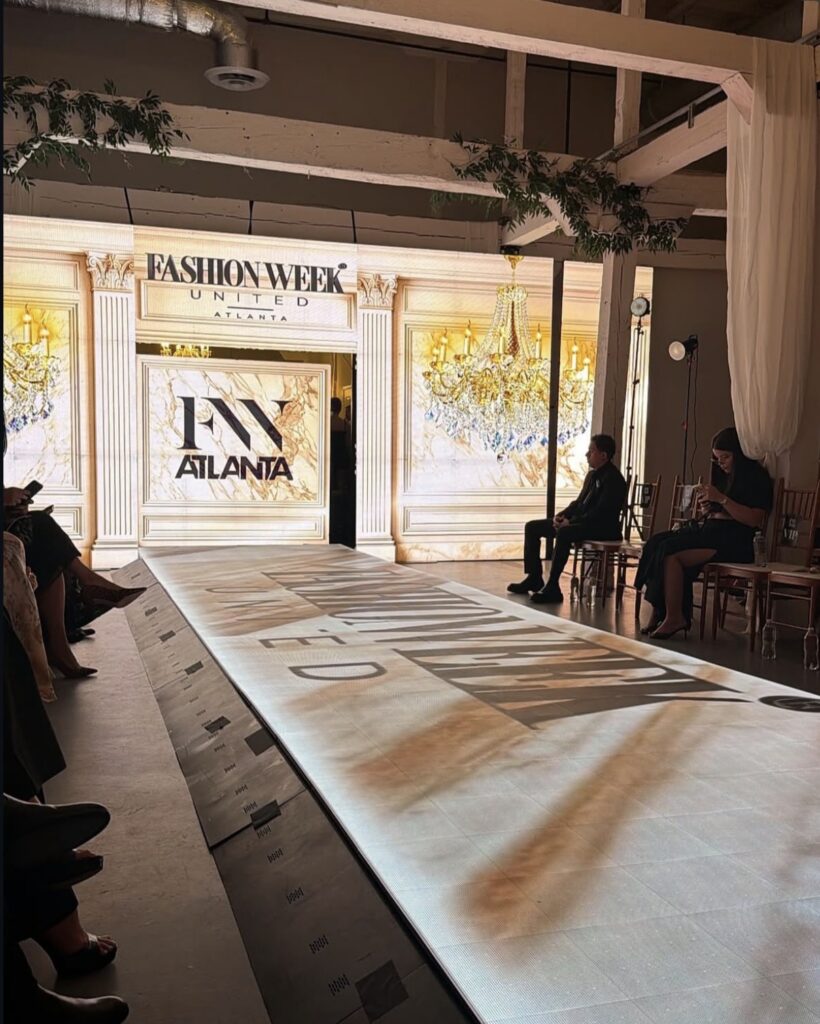
LED delivers strong return for audiences of 400 or more, detailed presentations, IMAG camera shots, scenic video backdrops, and brand activations. A 40-foot wide LED wall for a multi-day conference in downtown Minneapolis creates consistent visual impact across multiple sessions. For a mid-size corporate event in Rochester with 200 to 300 attendees, 16:9 projection with two side screens may deliver all necessary visibility. An 8′ x 8′ tripod screen rental can be priced by the day and works fine for breakout sessions.
LED wall cost depends on size, pixel pitch, indoor versus outdoor rating, rigging versus ground support, and rental length. Not every event needs LED. Sometimes two well-placed projection screens save budget for audio and labor. Hybrid events often incur additional costs for streaming and recording, and dedicated internet connections may be required for livestreaming.
Explore LED video wall options for events in Minneapolis or learn about LED wall stage design for concerts and live events.
Lighting ROI: High Visual Impact Without Overbuilding
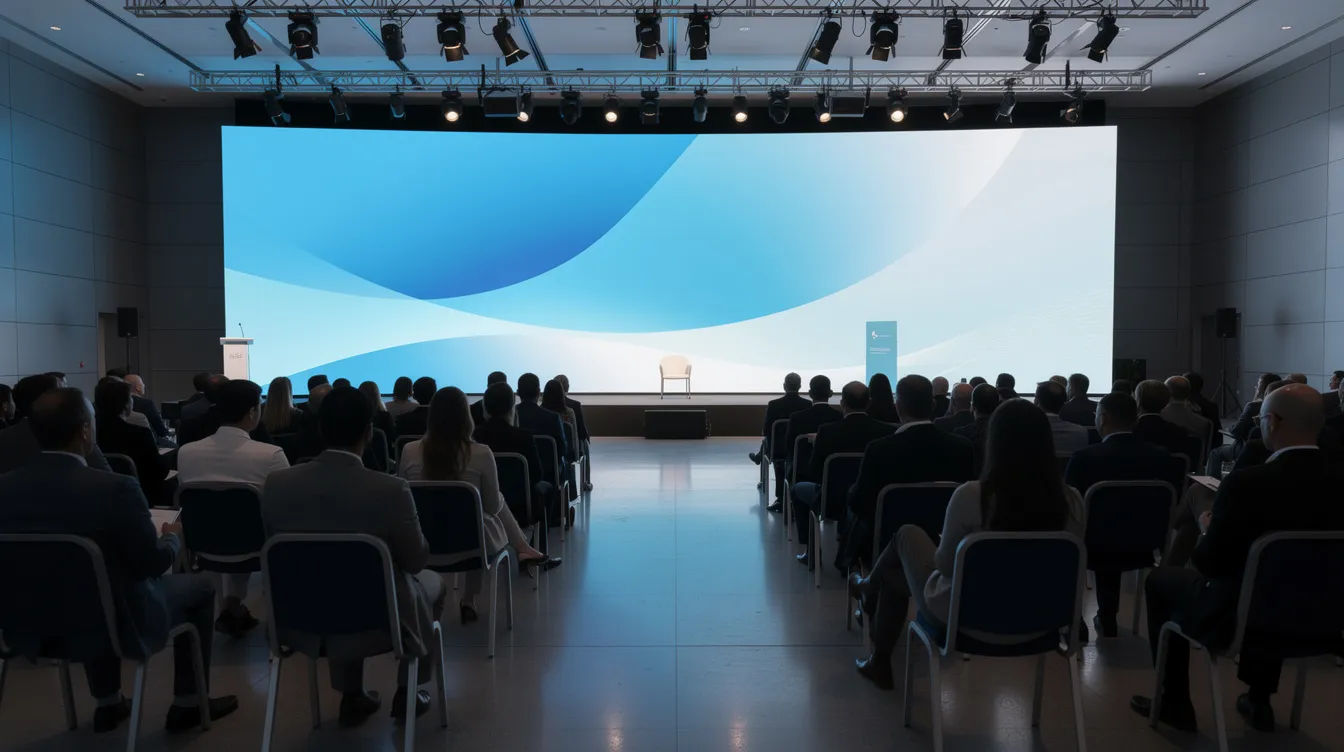
Good lighting is one of the most cost-effective ways to elevate a conference or gala. It controls stage visibility, audience focus, photography, video capture, and room atmosphere.
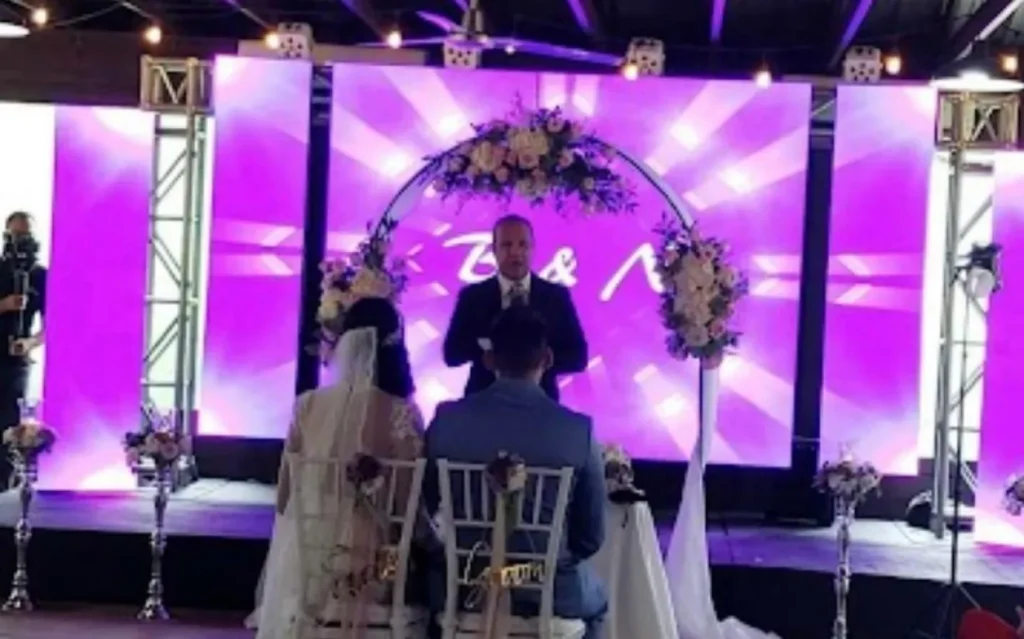
Core lighting priorities include front light for faces, key light for presenters, modest backlight for depth, and accent lighting for scenic and branding elements. Lighting systems can include stage wash lighting and uplighting. A fundraising gala might use programmed LED uplighting on venue architecture to shift mood between dinner and the fundraising ask. A regional awards night might need only a strong front wash and a few accent fixtures.
Fixture placement, angles, and color choices often matter more than adding units. Lighting costs can vary significantly based on venue type, and lighting packages can cost several hundred dollars depending on complexity. Event lighting cost also includes control consoles, power distribution, rigging, and a lighting operator.
See how event lighting production supports stronger engagement across event types.
Do Not Overbuild: “More Equipment” vs “More Production”
More equipment is not automatically more production. It may simply be more complexity, more AV labor costs, and more risk.
Common overbuilding includes:
Oversized audio for a small audience size
LED walls wider than sightlines justify
Too many cameras for a simple talking-head program
Lighting unused parts of a ballroom
Adding FX with no connection to event goals
Each extra subsystem adds operators, cable runs, setup time, testing, and load-in hours. Instead of cutting scope, design smarter. Consolidate a general session and awards ceremony onto one stage rather than building two separate stages in different rooms, eliminating duplicate production costs and reducing equipment costs.
Labor, Logistics and Venue-Driven AV Costs
Labor costs can account for 40% to 60% of AV bills. Technicians, riggers, stagehands, and drivers often move the event production budget more than an extra microphone or light. AV labor typically accounts for 15% to 25% of the total AV budget as a category, but when you factor in load-in, load-out, show call, overnight turns, rehearsals, union labor rules, minimum call lengths, and overtime after ten hours, labor costs can account for 40% to 60% of AV expenses overall.
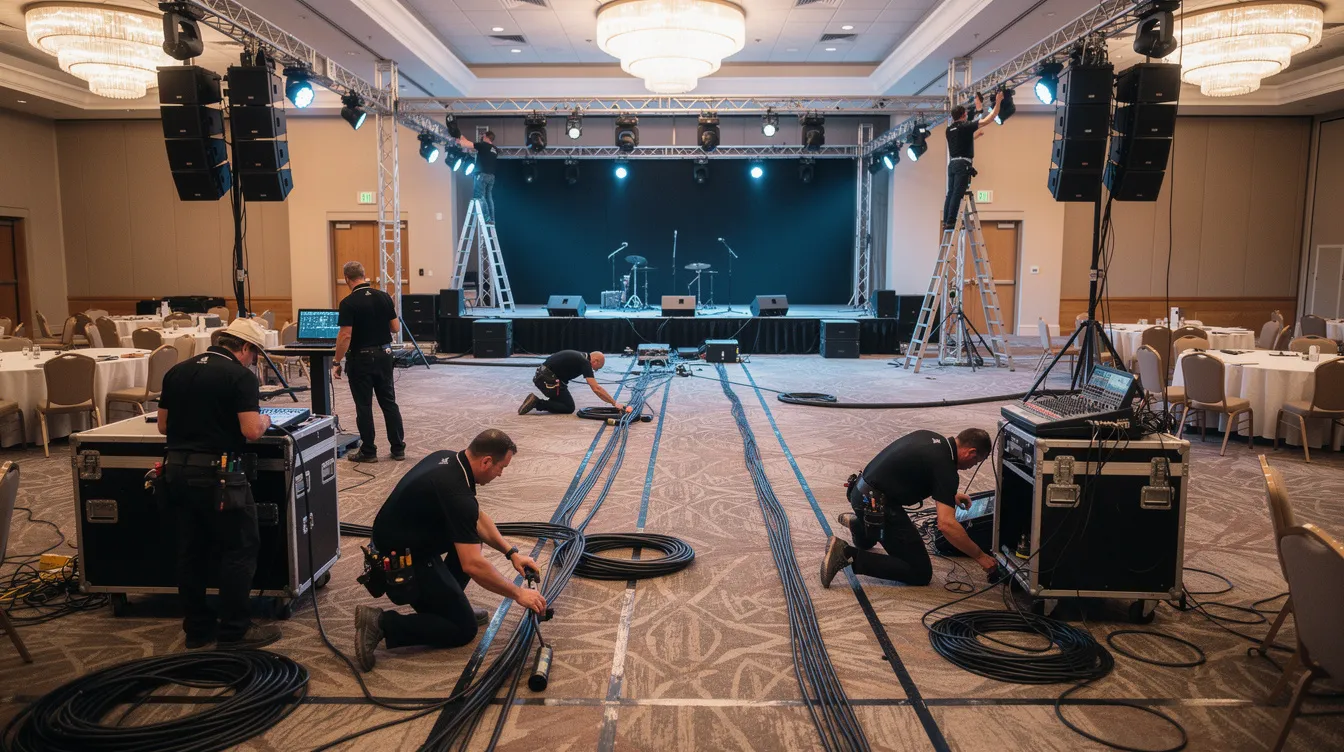
Venue logistics drive additional costs: long load-in paths, tight loading docks, freight elevator bottlenecks, limited power access, room resets between breakout rooms, and same-night strikes. Rigging and infrastructure may incur additional venue-specific costs. Rigging and power considerations include heavy-duty cabling and electrical power drops. Unexpected AV costs can arise from venue-specific labor requirements, and unexpected expenses can arise from last-minute changes in productions.
Pre-production costs include technical planning and rehearsal time. Hybrid events often incur high internet bandwidth costs, so budget for internet costs when planning hybrid events or virtual events. Sometimes a “cheaper” equipment choice increases labor: more projectors with more cabling versus one centrally located LED wall.
For complex multi-day events, see how multi-day AV production planning addresses schedule and logistics.
Using Existing Venue Infrastructure Without Compromising Quality
During site visits, ask about house audio, screens, projectors, basic stage lighting, power, and rigging. Existing venue systems can sometimes be integrated into a smart event AV budget.
Use in-room ceiling speakers for walk-in music while bringing in a dedicated speech reinforcement system for the keynote
Use house projection screens for ancillary content like schedules and digital signage while deploying a higher-output projector or LED wall for the main stage
Tap venue architectural lighting for accent color while adding focused stage wash from an outside company
Use house rigging points and power infrastructure where load ratings and capacity are confirmed
However, in house AV teams may charge extra service fees not included in quotes. In-house AV may incur additional service charges and taxes. In-house AV provider fees may be higher than external vendor fees in some cases. In-house AV teams are often easier for smaller events, but some venues mandate using their in house AV team regardless. External AV providers offer more customization and flexibility, and external AV teams provide consistent personnel across multiple events. The decision should always be based on total production cost and reliability, not just which line item looks cheaper.
Practical Production Tiers: Focused, Enhanced and Full Production
Three conceptual tiers help meeting planners and event planners align expectations with AV budget scope.
Focused Production: Prioritizes core needs for smaller corporate events, town halls, or single-room meetings. Clean audio, basic presentation display, minimal but effective lighting. AV production typically accounts for 10% to 15% of an overall event budget at this level.
Enhanced Production: Adds expanded lighting, confidence monitors, modest scenic, limited LED or multi-screen projection. Typical for regional conferences, experiential events, or fundraising galas. This tier often suits a product launch or awards night.
Full Production: Multi-day, multi-room setups with LED video walls, multi-camera IMAG, streaming, advanced lighting, and larger crews. AV budgets typically range from $5,000 to $50,000 depending on scope and complexity. This tier serves national conferences, high-profile brand events, or large-scale corporate productions.
These tiers reflect design priorities and complexity, not fixed packages. Explore complete audiovisual production capabilities to see how each tier can be shaped.
Cutting Scope vs Designing Smarter
Cutting scope removes line items. Designing smarter rethinks the room layout, technology mix, and schedule to maintain event goals with fewer components.
Examples of smart planning:
Reusing a main LED backdrop for both general session and evening awards instead of custom builds for each
Positioning the stage to reduce throw distances and projector requirements
Consolidating breakout sessions to minimize duplicate gear across separate departments
Involving AV experts three to five months early reduces costs. Early AV involvement prevents last-minute expensive adjustments. When your AV partner has time to redesign rather than simply cut, the audience never notices the difference.
Where to Protect Your AV Budget
Resist deep cuts in these areas:
Audio reliability and the main sound system
Primary displays for content visibility in the main room
Power distribution and safety
Critical signal paths from source to screen
Experienced technical labor and show operation
Under-budgeting for power can trip circuits mid-show. Cutting audio labor means slower response to feedback or mic dropouts. The 10-15% rule recommends a buffer for unforeseen AV expenses, and contingency funds of 10% to 15% of the total AV cost are recommended. Set aside 10 to 15 percent for contingency costs. Rehearsals and soundchecks are part of the event AV budget that protects quality. Tell your AV partner what absolutely cannot fail so budget protection lines up with those priorities.
Where There Is Real Flexibility in Event AV Costs
Areas that can flex without undermining a successful event:
LED wall size or number of secondary displays
Decorative lighting versus performance lighting
Camera count for non-broadcast shows (two cameras instead of four)
Scenic complexity and non-essential FX
Redundancy in breakout rooms or secondary spaces
Virtual elements that serve a small remote audience
Trim where the audience will notice least. Discuss these tradeoffs with your AV team early in event planning so you can save money without sacrificing quality.
Having the Budget Conversation: “Tell Us the Vision. Tell Us the Real Budget.”
Share an approved budget range early rather than asking for “best price.” A fixed budget does not make you a cheap client. It defines the design sandbox for a budget-smart production partner. At Front Row FX, we clarify event goals, walk the venue where possible, identify must-have outcomes, and then propose multiple design levels inside the real budget. Transparent budget conversations reduce revisions, protect timelines, and help avoid emergency cuts in the weeks before your next corporate event or next event.
AV costs can account for 15 to 20 percent of total event budgets. Expect your AV company to help you spend that percentage where it creates the most impact. Contact Front Row FX to start the conversation for upcoming events in Minnesota, Wisconsin, or the Upper Midwest.
Conclusion: Design the Production Smarter, Not Smaller
A budget-smart event AV budget focuses on where the audience experiences the production, not on maximizing equipment lists. Protect audio clarity, critical visuals, and technical labor. Avoid overbuilding. Leverage venue infrastructure intelligently. Redesign before you cut.
Front Row FX is not trying to sell you the maximum amount of AV equipment. We shape audio visual production so each dollar supports your event’s actual goals. Reach out early in the planning process for your 2027 events to explore what budget-smart production looks like for your space, your audience, and your reality.
FAQ: Event AV Budget and Audiovisual Production Costs
Here are answers to the most common questions we hear from event planners managing an event AV budget.
How much of my overall event budget should go to AV? AV production typically accounts for 10% to 15% of an overall event budget for straightforward conferences. Events where production is central, such as galas, brand activations, or high demand product launches, may require 20% to 35%. The right percentage depends on your event goals, venue, and audience size.
Why do AV labor costs seem so high compared to equipment? Labor costs can account for 40% to 60% of the AV budget because technicians handle load-in, load-out, rehearsals, show operation, rigging, and troubleshooting. Every added subsystem requires additional technicians and hours. Equipment sits in a case until skilled people make it work.
Do I really need a trusted audio visual partner if my venue has in-house AV? It depends. In-house AV teams may charge extra service fees and taxes not included in initial quotes. For smaller events, in house teams can be simpler. For larger or more complex productions, an external AV partner offers more customization, flexibility, and consistent personnel. Evaluate quality and production needs before deciding.
Is LED always worth the added cost vs projection? No. LED delivers high value in large rooms, high ambient light, and for detailed content or IMAG. Projection remains effective for smaller or medium rooms with controlled lighting. The right choice depends on your space, content, and where the money serves your audience best.
How early should I involve an AV team for a 2027 conference? Involving AV experts three to five months before the event date reduces costs and opens up smarter design options. For large multi-day conferences, six months or more is ideal. Early involvement in event operations and the planning process prevents last-minute expensive adjustments and gives your production partner time to design within your budget rather than simply cut from an inflated quote.