Fewer Events, Better Events: How Companies Can Protect Experience While Controlling Spend
Corporate event budgets are under real pressure. Some production line items have increased by 38% since 2019, and two-thirds of event teams now report flat or declining budgets even when nominal numbers tick upward. Travel costs, food and beverage, AV production, and staffing continue to climb. For leaders managing a full calendar of corporate events, the math no longer works the way it used to.
This raises a question that every event portfolio now forces: if every event cannot receive the same level of investment, which events actually deserve full production? The answer is not to cancel events wholesale. It is to build a deliberate corporate event strategy that concentrates resources on fewer, higher-value programs while protecting attendee experience and business outcomes. Clear event goals should align with broader business objectives, and successful events align with strategic business goals. Aligning event objectives with company mission enhances significance rather than diluting it across too many programs.
This article maps out how to move from “more events” to “fewer, better events” through portfolio classification, tiered production investment, reusable systems, and smarter budget planning. Front Row FX is a Minnesota-based audiovisual production partner that helps companies right-size production across an entire event portfolio, not just one show. The focus here is experience protection, event ROI, and event cost optimization, not reckless cost cutting.
From Event Calendar to Event Portfolio: Classifying What Really Matters
Most organizations maintain an event calendar: a list of dates, venues, and event titles. That is a scheduling tool, not a strategy. An event portfolio strategy classifies every program by its strategic role, expected business outcomes, and production requirements so that investment decisions are intentional rather than reactive.
Building a diverse event portfolio maintains employee interest and ensures different objectives are met throughout the year. Here are concrete event categories most companies manage, each with different characteristics:
Flagship external conferences involve multiple sessions and networking opportunities, targeting large external audiences with high brand visibility
Customer summits focus on strengthening relationships with key accounts and influencing pipeline
Sales kickoffs align revenue teams on goals, product launches introduce new products to generate buzz, and seasonal targets
Internal leadership meetings drive strategy alignment among executives
Regional roadshows extend reach to local markets with lower travel barriers
Team building events improve communication and morale among employees
Employee programs support engagement, culture, and retention
Recurring town halls keep internal audiences informed on company direction
Brand activations generate media coverage and social media mentions
Seminars focus on educational training for specific topics
Trade shows showcase products to potential clients and partners
Corporate dinners honor achievements and foster networking
Primary objectives include launching products or strengthening relationships; secondary objectives can involve increasing brand visibility or generating leads. Specific, measurable goals help track event success across each category.
A simple tiered model works well for classification. Tier 1 events are high-impact, high-complexity programs, perhaps two or three per year. Tier 2 events are important but more routine or regional. Tier 3 events are small, internal, and lower-stakes. This classification is the foundation for any effective corporate event planning process, guiding event budget decisions and event management focus across the full year.

Deciding Which Events Deserve Full Production Investment
Not every corporate event justifies a full stage build, multi-camera IMAG, and custom scenic. The corporate event planning process should include concrete evaluation criteria that indicate which programs warrant full production investment.
Here are the lenses that matter most:
Target audience importance – an event hosting your top 200 customers or major partners carries more weight per attendee than a routine all-hands meeting. Understanding the audience improves event engagement
Business outcomes – events intended to generate pipeline, revenue, or investor confidence justify higher investment than informational updates
Relationship stakes – customer summits and networking events where face-to-face contact has a multiplier effect on client relationships and business relationships
Content value and reuse potential – keynotes and sessions that will be repurposed across webinar series, event website content, and marketing campaigns for a year
External visibility – events with press coverage, analyst attendance, or partner participation carry high brand risk and opportunity
Competitive differentiation – when a well executed event separates a company from competitors in the market
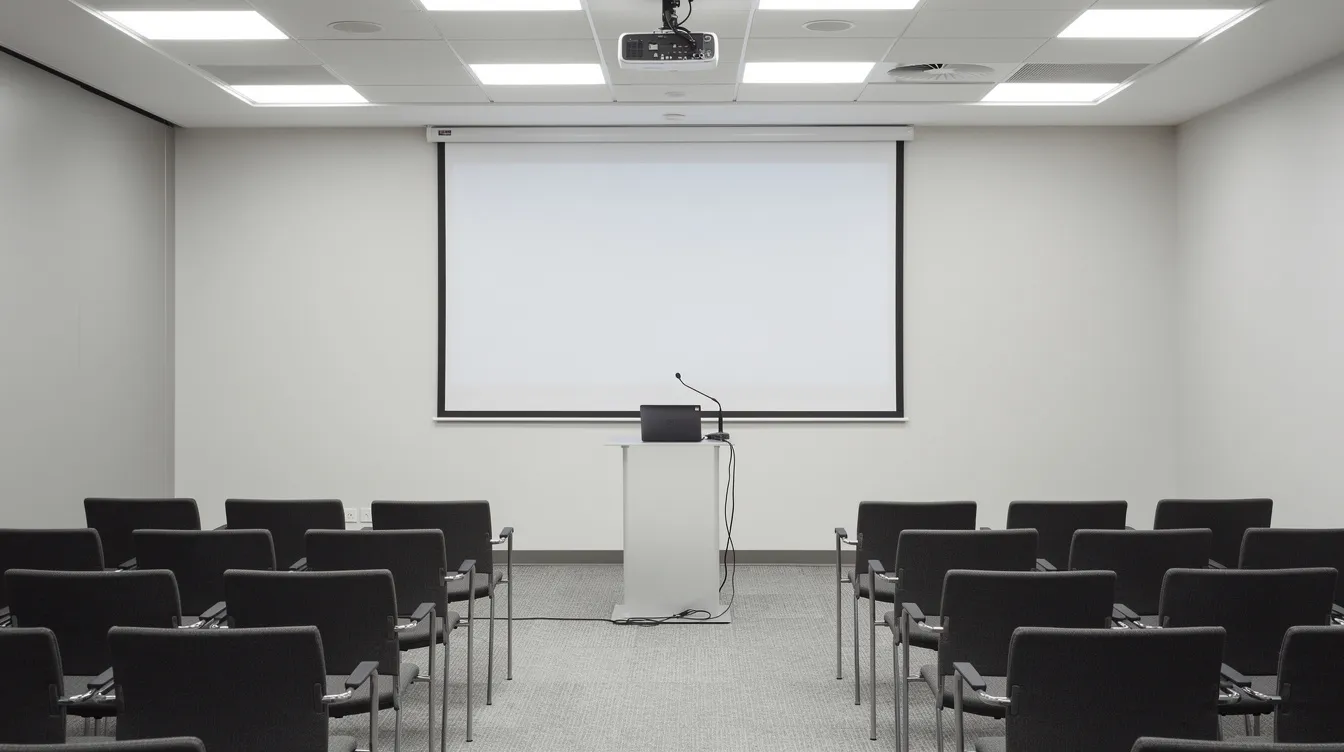
Consider the contrast: a Minneapolis flagship customer conference needs full stage design, large LED walls, multi-camera production, custom scenic, and professional recording for post event content libraries. A monthly internal update meeting needs a standard room, podium and screen, basic audio, and minimal lighting. Choosing the right venue is crucial for attendee experience in both cases, but the production scope differs dramatically.
Venue capacity should match expected guest count, and you should consider venue location for accessibility and convenience. Check for essential amenities like A/V equipment and seating, evaluate potential hidden costs in venue contracts, and ensure technical support is available at the event venue. These details matter regardless of tier, but the production overlay changes based on the event’s objectives and the event’s purpose.
Leadership, marketing, and sales should jointly prioritize two to three flagship events per year to protect from budget cuts while consciously simplifying lower-impact programs.
Protecting Flagship Events: Where Experience Creates the Most Value
Tier 1 events, whether national user conferences, annual leadership meetings, major brand activations, or sales kickoffs, are where production investment pays off most directly. These are the memorable corporate event programs that define a company’s presence in the market.
A cohesive event theme enhances attendee experience, and brand consistency strengthens market presence during events. Event branding should reflect the company’s identity and objectives, and every event touchpoint should support a clear narrative. Incorporate logos and colors across event materials for branding consistency from stage to signage.
Here are the investments to protect on flagship programs:
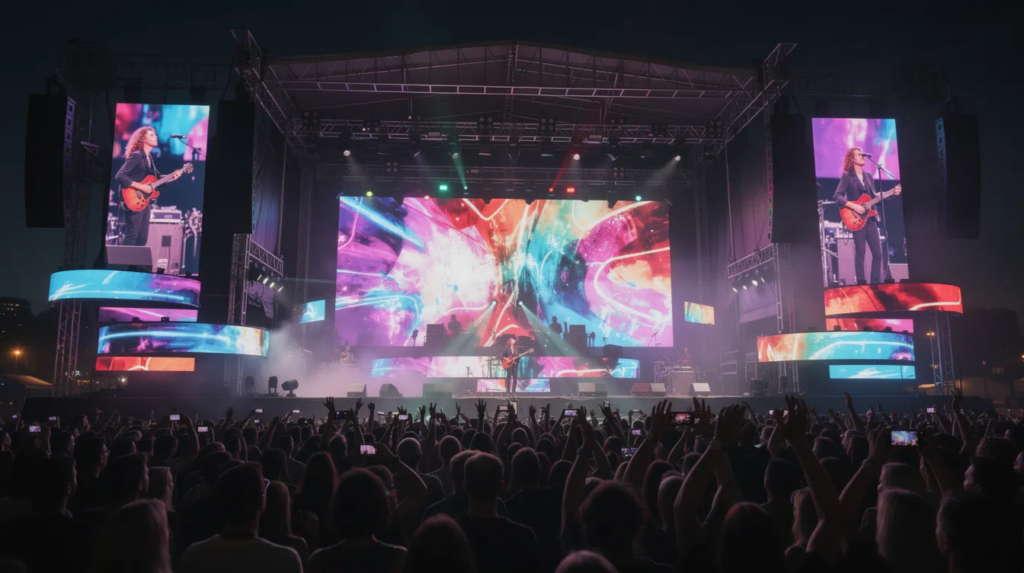
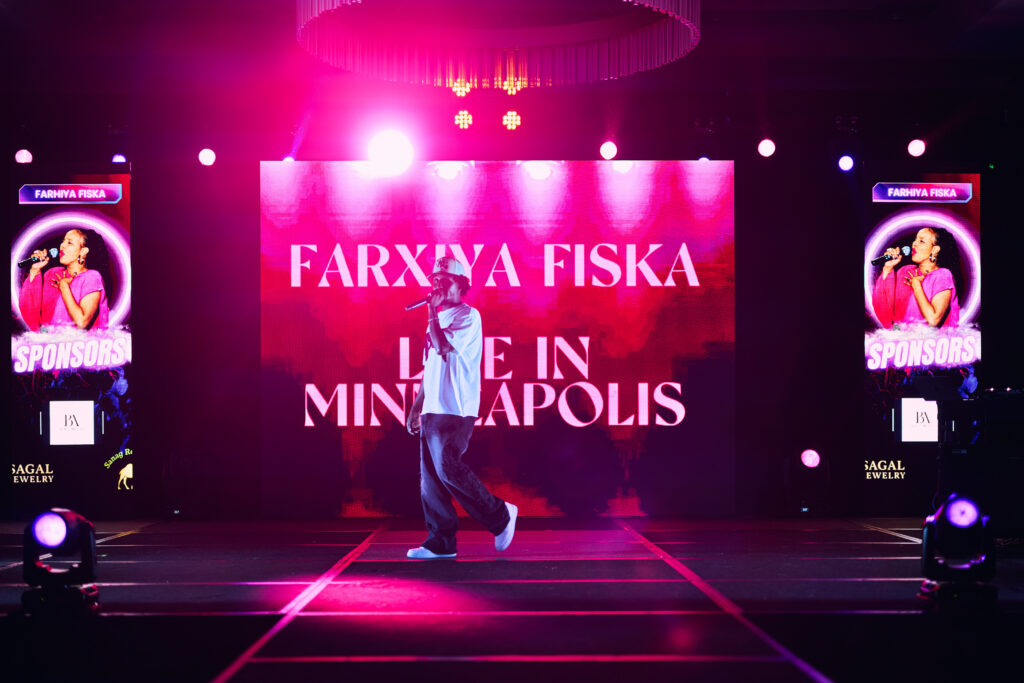
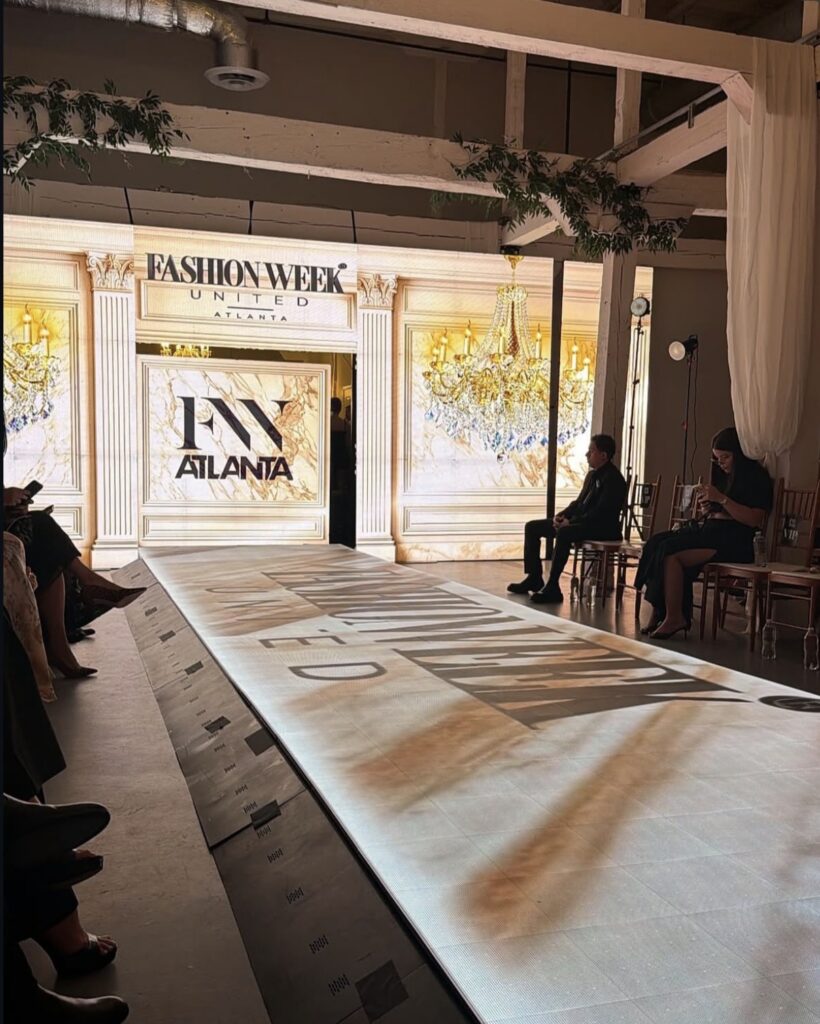
Higher-end LED video walls scaled to the event space, such as a 40-foot LED backdrop behind the main stage
Robust audio systems with redundancy, particularly for large auditoriums
Intelligent lighting design that supports visibility, mood, and video capture
Multi-camera production: a three-camera switch for main stage with IMAG, wireless roaming cameras for breakouts
Experienced show callers, camera directors, and specialized technicians
Recording and streaming infrastructure for on-demand libraries and post event microsite content
Scenic and graphics that support the event’s theme and visual storytelling
An engaging agenda balances content with connection opportunities. Structured networking sessions foster meaningful connections among attendees, and interactive sessions keep energy high. Personalized experiences enhance attendee engagement significantly, gamification can incentivize attendee participation during events, and live polling tools keep participants engaged and provide real-time feedback through audience response systems. Utilizing mobile apps can enhance guest engagement during events and support attendee engagement throughout the entire event. For hybrid events, include remote participation tools so virtual and hybrid events audiences receive comparable quality.
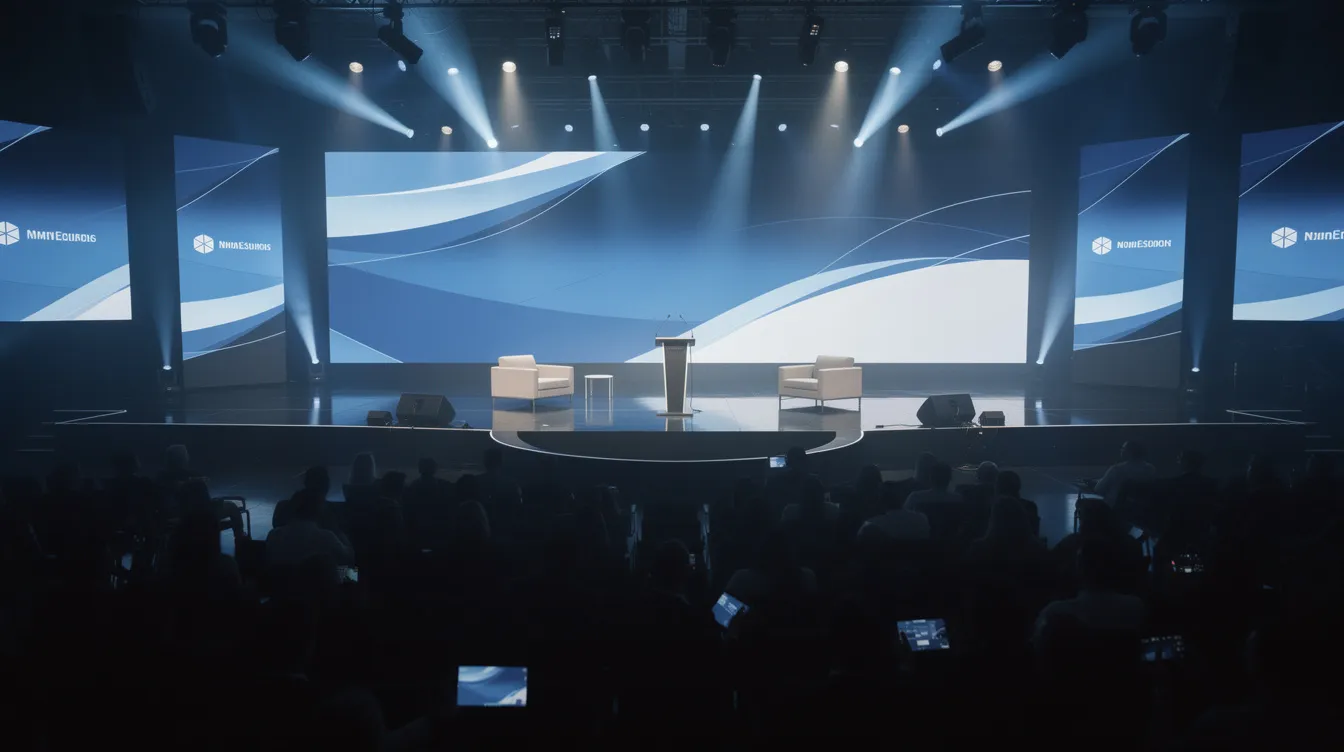
These investments pay off because they strengthen C-suite presentations, create high-quality content for year-round marketing strategy and event marketing, produce higher attendee satisfaction scores, and generate reusable assets that reduce future events production costs. Effective communication enhances the overall event experience, and interactive content can enhance employee engagement even at large scale events.
The goal is not the most gear, but the right production for the right event with a tightly integrated technical design and clear show flow. Front Row FX can design scalable packages that deliberately over-index quality on these one to three strategic events while staying accountable to the overall corporate event budget through complete audiovisual production planning.
Simplifying Lower-Impact Events Without Sacrificing Professionalism
Tier 2 and Tier 3 events, regional meetings in Chicago or Madison, quarterly team building events, smaller internal trainings, board meetings, and routine corporate meetings, do not need flagship-level production. But they still need to look and feel like a professional event.
Practical simplification strategies include:
Using in-house hotel or venue AV where quality is acceptable
Smaller sound systems matched to audience size
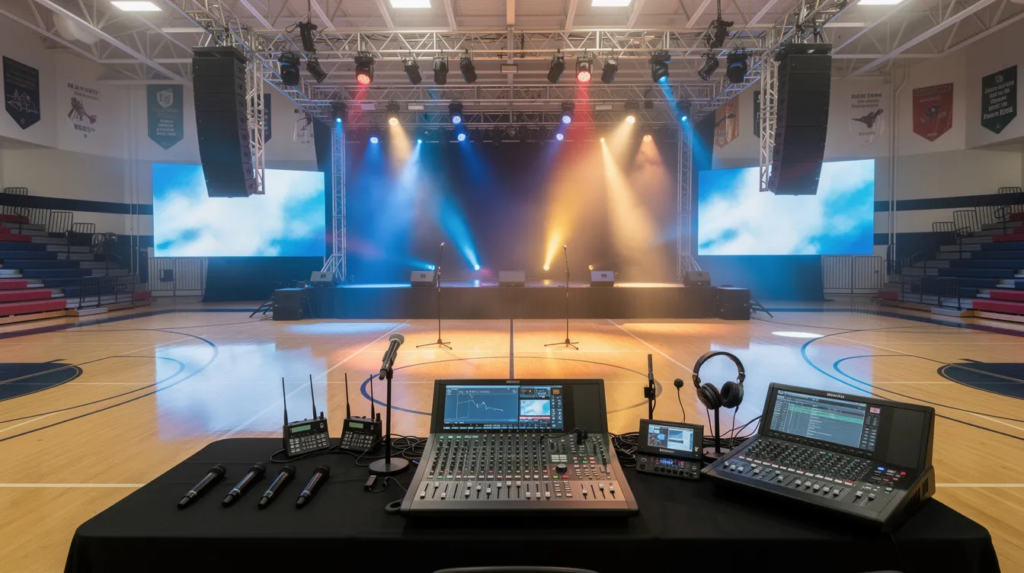
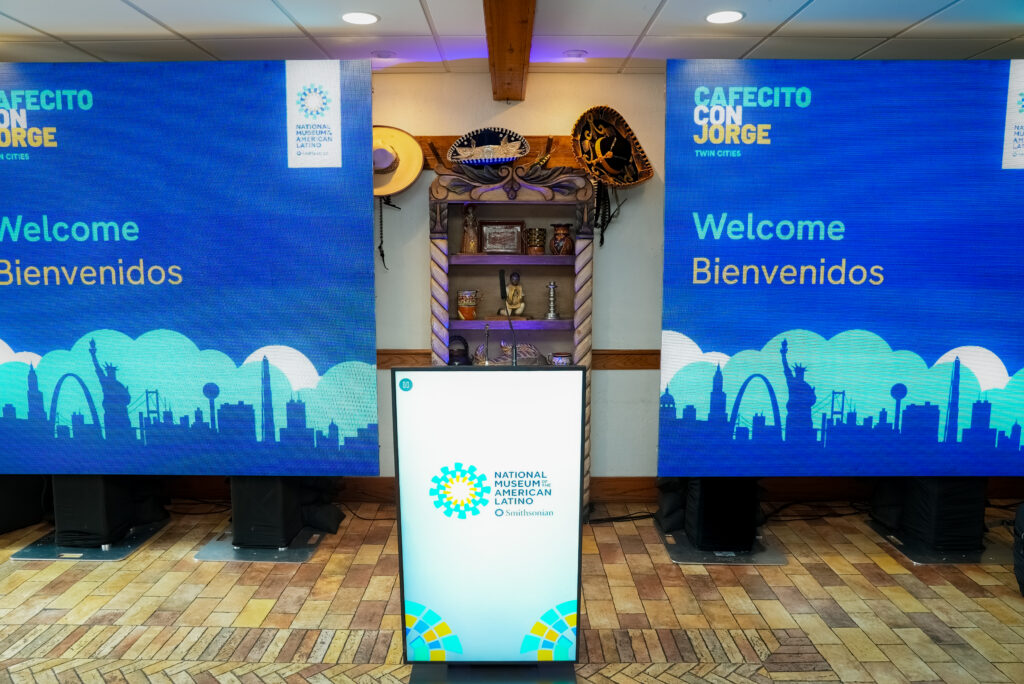
Standard podium-and-screen packages with branded lecterns
Fewer cameras or none, depending on whether content capture matters
Simplified scenic: branded backdrops, standard room layouts
Repeatable presentation workflows and slide templates
Simplified does not mean unprofessional. Minimum standards should include reliable microphones, clean projection so slides are legible, basic stage lighting so presenters are visible, and consistent visual branding. Audience segmentation improves targeted messaging for events at every tier, and employee feedback informs successful event planning even for smaller programs.
Consider a concrete example: a regional customer roadshow series across Midwestern cities using a standardized 16:9 screen, two-speaker audio, a shared slide template, and a single technician overseeing audio, video, and simple lighting. The event format stays consistent. The event details stay professional. The event experience stays on-brand.
Establishing two to three standard technical kits, such as a “streamed town hall kit,” a “small meeting kit,” and a “roadshow kit,” reduces event planning costs and decision fatigue. Internal event planners know what to expect, and the planning process becomes efficient and repeatable across previous events and future events.
Designing an Event Budget Strategy for the Whole Year
Cutting every event production budget by 20% is often less effective than prioritizing the event portfolio. Budget planning should shift from event-by-event haggling to a portfolio-level event budget strategy that allocates spend by event tier and expected business outcomes.
Instead of reducing five events equally, protect two strategic events and simplify three lower-impact programs. A practical allocation might place 50 to 60% of production budget into two to three Tier 1 events, 25 to 30% into Tier 2, and the remainder into Tier 3 standardized packages.
Event budgets should cover venue costs, catering, and marketing costs. Core budget categories tied to production include:
Venue and technical production (staging, scenic, AV)
Content and creative (graphics, video, speakers)
Travel and freight (people and gear)
Recording, streaming, and post-production
A contingency fund of 20% to 25% is advisable for last-minute changes, tariff impacts, or unexpected labor costs
Effective budgeting helps monitor expenses and prioritize spending. Research vendor prices early for accurate budget estimates, and allocate funds based on event objectives for better resource management.
Build an annual production forecast by quarter: Q1 sales kickoff, Q2 customer events, Q3 leadership offsite, Q4 employee celebration. Map each event date against its tier and cost band. This visibility early in the event planning process lets an AV partner pre-stage systems, design repeatable rigs, and lock in crew, lowering surprise costs and reducing the event timeline pressure.
Reducing Planning Costs with Reusable Content and Technical Systems
Reuse is a primary lever for event cost optimization that does not compromise the attendee experience. Creative assets that can be built once and adapted include LED motion graphics packages, animated logo loops, lower-third templates, presentation slide templates, intro stingers, walk-in looks, and countdown clocks.
Technical elements carry the same potential: show files for switchers, lighting console programming, DSP files for audio, stage layouts, camera plots, and run-of-show formats. When Front Row FX archives and versions these assets, a new event in St. Paul can spin up with 60 to 70% of creative and programming already done, shortening timelines and reducing labor hours.
A concrete example: a 2025 flagship conference in Minneapolis generates a complete graphics package that is then applied, with minor edits for new session titles and sponsors, to 2026 regional customer events across Wisconsin and Iowa. The event’s message stays consistent. The brand stays intact. The cost drops significantly.
Marketing strategies can build anticipation for an event when supported by reusable content. Social media boosts event visibility and engagement when assets are ready to deploy. Email marketing keeps attendees informed throughout the event process using templates built once and adapted per program. Paid advertising enhances event promotion results when planned within budget using consistent creative. Social media marketing and event marketing strategy both benefit from a library of production-quality assets.
Reuse should still allow for local adaptation so the next event remains fresh, not cookie-cutter.
Regionalization and Repeatable Frameworks for Multi-City Programs
Many companies are shifting from one large national event to a mix of regional programs in cities like Minneapolis, Chicago, and Milwaukee. This reduces travel stress for attendees, improves local relevance, and better reaches the target audience in each market. Choosing the right venue in each city remains important for accessibility and convenience.
A repeatable production framework means the same stage design, screen layout, camera plan, and show flow travel city to city with only minor adjustments for venue size and local crews. The framework includes a standard LED wall footprint or projection spec, standardized lectern, repeatable uplighting looks, consistent playback systems, and a shared show script template.
Savings come from reduced design time, pre-configured equipment racks, streamlined load-in processes, and crews who already know the system. Consider a four-city customer roadshow in May through June 2026 using one core technical design adapted to each Upper Midwest venue. The event format stays consistent. The event aligns with corporate branding. Networking opportunities remain strong at every stop. Encourage participation through consistent interactive sessions and networking sessions at each location.
Combining Programs into Multi-Day Builds for Efficiency
Consolidating multiple meetings into a single multi-day build in the same venue can improve value per production dollar. For example, three days of leadership meetings followed by a customer forum in the same ballroom means one build and strike instead of multiple setups.
Operational gains include more efficient crew utilization, less freight, consistent content delivery, consistent event experience across days, and more time for rehearsals. A company might combine an annual leadership summit, department breakouts, and an employee recognition gala across a single Sunday-through-Wednesday run. Boosting employee morale through recognition events gains additional impact when it follows days of strategic alignment.
This is not always cheaper. If venue rates per day are very high or if event types require drastically different setups, combining may not reduce costs. But it often improves value: higher production quality per dollar, smoother event management, and less fatigue on internal teams. An AV partner can design a flexible rig that supports a keynote-style general session, classroom breakouts, and an evening reception with lighting and audio shifts rather than entirely new setups.
Measuring Event Value Beyond Vanity Metrics
Event measurement should move beyond generic satisfaction scores toward a small, meaningful set of business-aligned indicators for each event tier. Evaluating event success requires matching event metrics to the event’s objectives.
Realistic measures by event type:
Customer events: influenced pipeline, renewal conversations started, executive meetings held, lead generation outcomes
Internal events: engagement scores, content completion, alignment feedback, impact on boosting employee morale
Content value: number of sessions repurposed, social media mentions, video views, brand impressions from event marketing
Qualitative: relationship depth with key accounts, leadership visibility, culture impact, lasting impact on audience engagement
Post event engagement drives business outcomes after the actual event concludes. Post event follow up assesses success and informs future events planning. Surveys sent shortly after events improve feedback accuracy, and utilizing incentives can increase participation in post event surveys. Analyzing event data identifies effective strategies for improvement. Conducting post event meetings helps gather valuable feedback and valuable insights that shape the next event and the corporate meetings strategy.
Avoid invented universal ROI formulas. Instead, use a simple, consistent scorecard that leaders review after every significant event. Reliable technical capture, clean audio and clear camera angles, is required if the organization wants to reuse content and truly measure long-term event ROI.
Building a Scalable Corporate Meetings and Events Standard with Front Row FX
Not every event needs more production. The events that matter most need the right production. Protect the experience where the experience creates the most value.
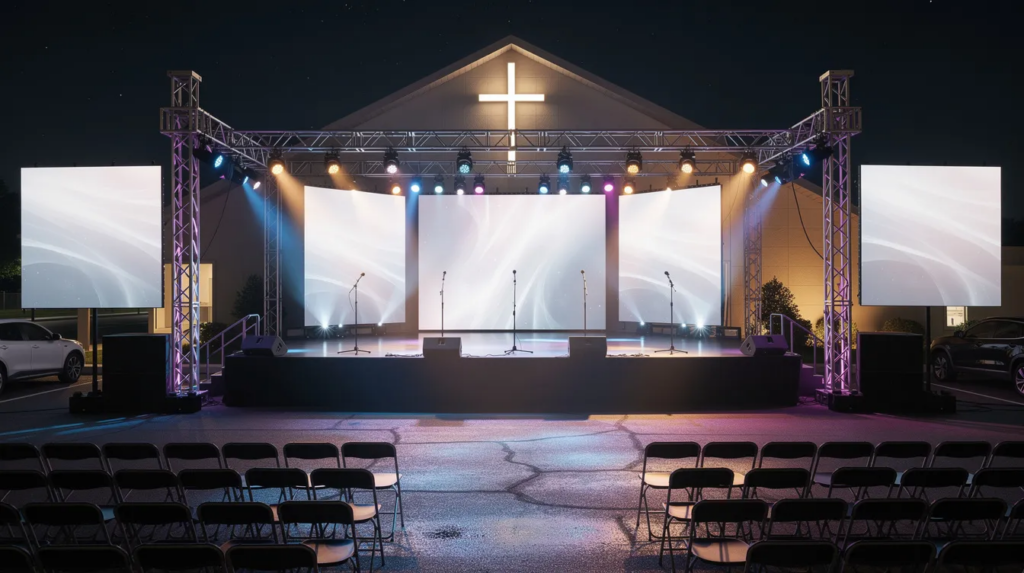
Front Row FX partners with corporate event teams in Minnesota, Wisconsin, Chicago, and the Upper Midwest to create a multi-tier production playbook: flagship, enhanced standard, and streamlined packages. Capabilities relevant to this event portfolio strategy include indoor and outdoor LED video walls, scalable audio systems, intelligent lighting, show design, technical drawings, video processing, recording and streaming, and experienced onsite technicians.
The marketing plan for the next fiscal year should align this production playbook with the broader corporate event planning, marketing strategy, and event portfolio strategy. A successful corporate event program starts with a successful event strategy, and a well executed event calendar starts with honest classification.
Suggested next steps:
Audit the current event calendar and classify events into tiers
Identify one to three flagship programs to protect with full production
Define standard technical kits for Tier 2 and Tier 3 programs
Build an annual production forecast with cost bands by quarter
Engage Front Row FX to design scalable production levels and reusable systems
Fewer events does not have to mean weaker events. Concentrate production where it matters most. The pre event planning you do now determines whether your event strategy delivers real business value or just fills a calendar. To discuss budget-smart audiovisual production and long-term production systems and technical capabilities, reach out through our inquiry page and start building a corporate event strategy that protects what matters.