Indoor LED Screen Rental: Practical Planning Guide for Conferences and Corporate Events
Planning an indoor LED screen rental starts with understanding what the technology actually does and how it fits your event. This guide walks through the practical decisions – screen size, pixel pitch, placement, content, cameras, and production support – so you can approach your next event with a clear picture of what’s required.
Indoor LED Screen Rental Overview
An indoor LED video wall is a self-illuminated display built from modular LED panels – sometimes called LED tiles or cabinets – that lock together to form a seamless screen surface. LED video walls use light-emitting diodes for bright visuals, and because each pixel produces its own light, the display delivers consistent brightness and contrast without relying on a projector beam or reflected light. These modular systems are customizable for various events, from intimate corporate meetings to large scale displays spanning 40 feet or wider.
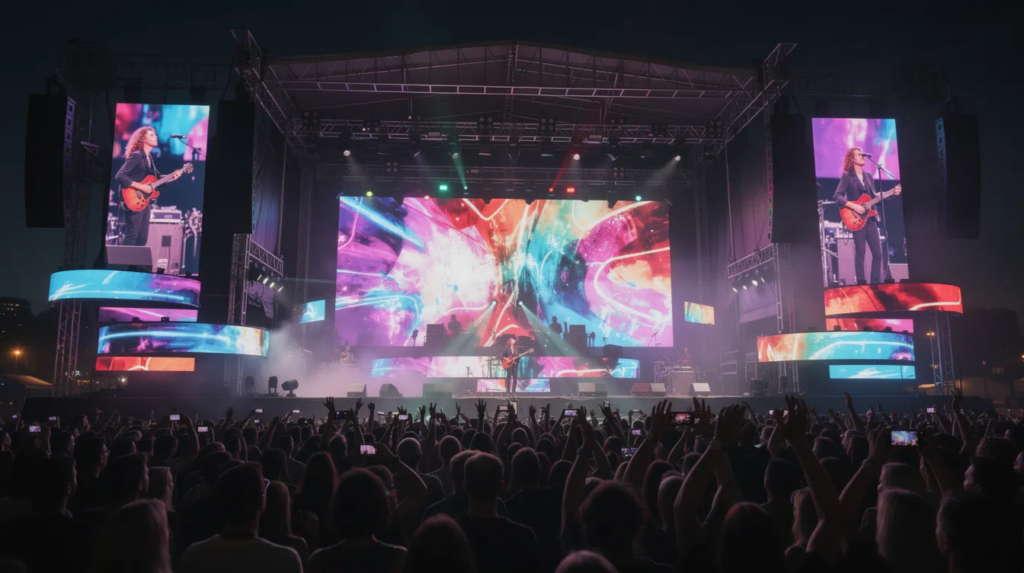
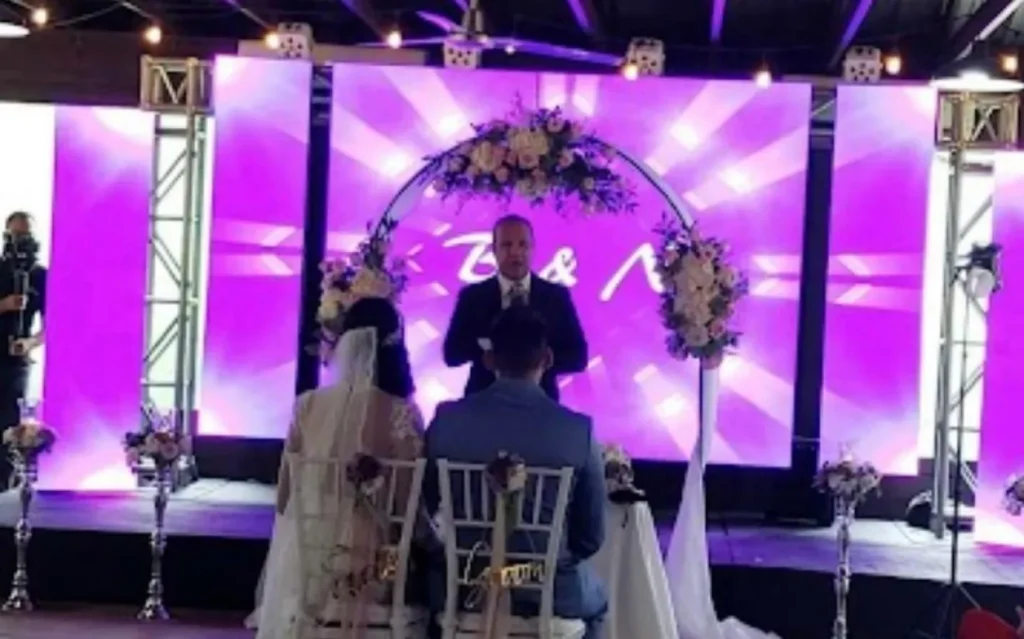
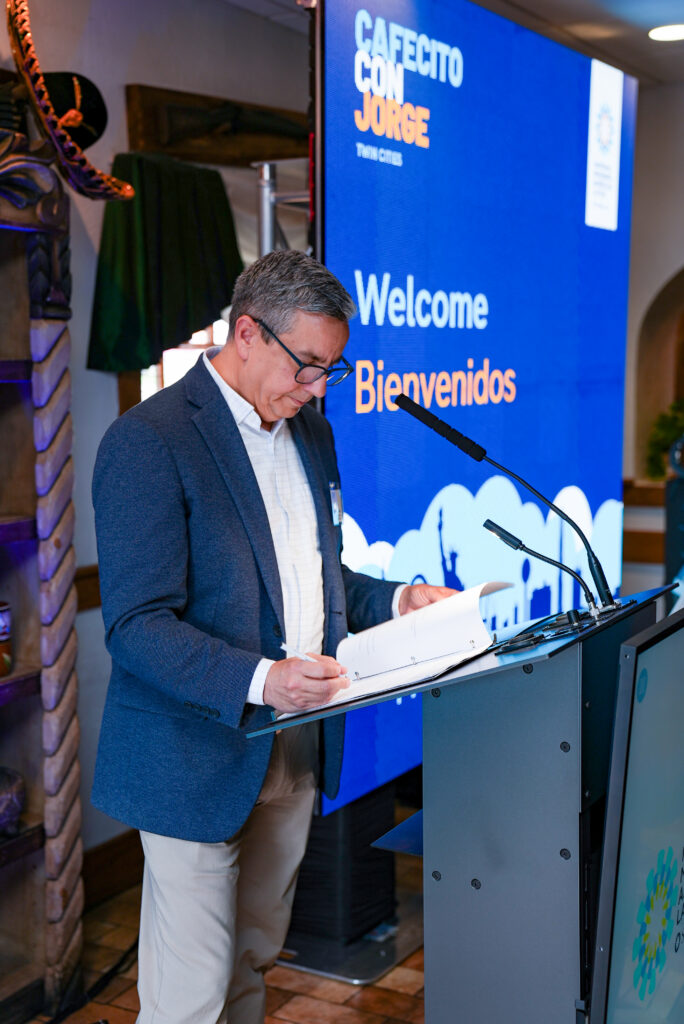
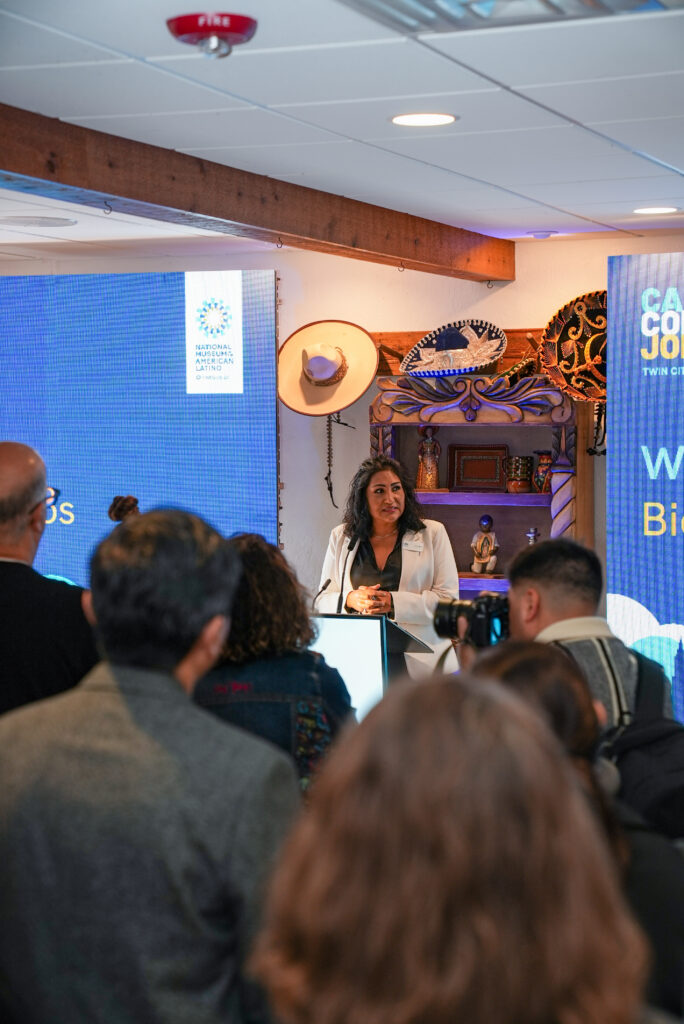
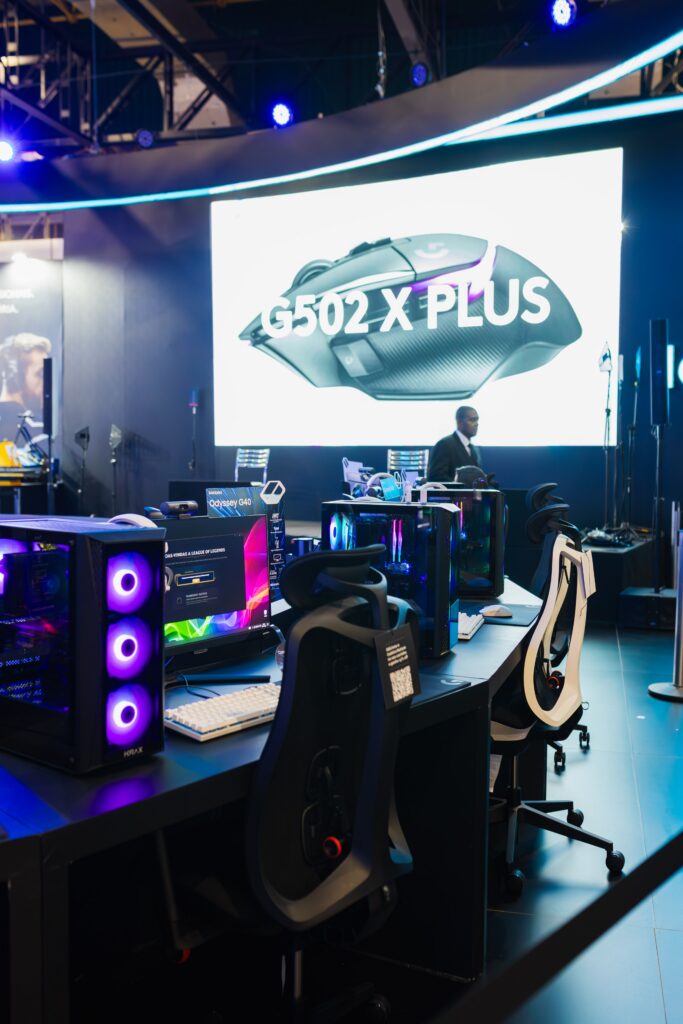
Indoor LED screens can transform corporate meetings and events by serving as stage backdrops, branding canvases, IMAG surfaces, video playback screens, and multi-zone content displays. LED walls provide high-quality visuals for corporate events, conferences, general sessions, galas, trade shows, concerts, festivals, product launches, and live presentations. They are also suitable for both indoor and outdoor events, sporting events, political rallies, and large-scale productions where stunning visuals and crisp visuals matter.
Compared to traditional projection, LED walls produce their own light – typically 800 to 1,500 nits indoors – which means ambient room lighting, chandeliers, and stage wash don’t degrade the image. Compared to flat-panel LCD or OLED displays, LED walls scale to virtually any width and height because of their modular design. Renting an LED screen eliminates the need for expensive purchase prices and maintenance costs, making it a cost effective option for events of all sizes.
Front Row FX provides full-service LED Screen Walls – planned, delivered, installed, and operated – across Minnesota, Wisconsin, Illinois, and Georgia. This is not equipment-only rental. Every project includes technical design, installation, on-site operation, and teardown. Throughout this guide, you’ll find links to related resources including Conference AV Production, LED Wall Pixel Pitch, LED Wall Size for Events, and Complete AV Production for deeper dives on specific topics.
The sections that follow will help you determine the right screen configuration based on your audience, room, stage, content format, camera plans, and production requirements. Whether you’re planning a corporate conference, a trade show activation, or a gala dinner, the same core questions apply. Cutting edge LED technology has made these displays more accessible, but getting the details right still requires careful planning.
When an Indoor LED Wall Is Preferable to Projection or Conventional Displays
The decision between an LED wall and a projector should be based on environment, content, and production needs – not trend. LED walls provide sharp details and bright colors that standard projectors cannot match, but projectors still have their place.
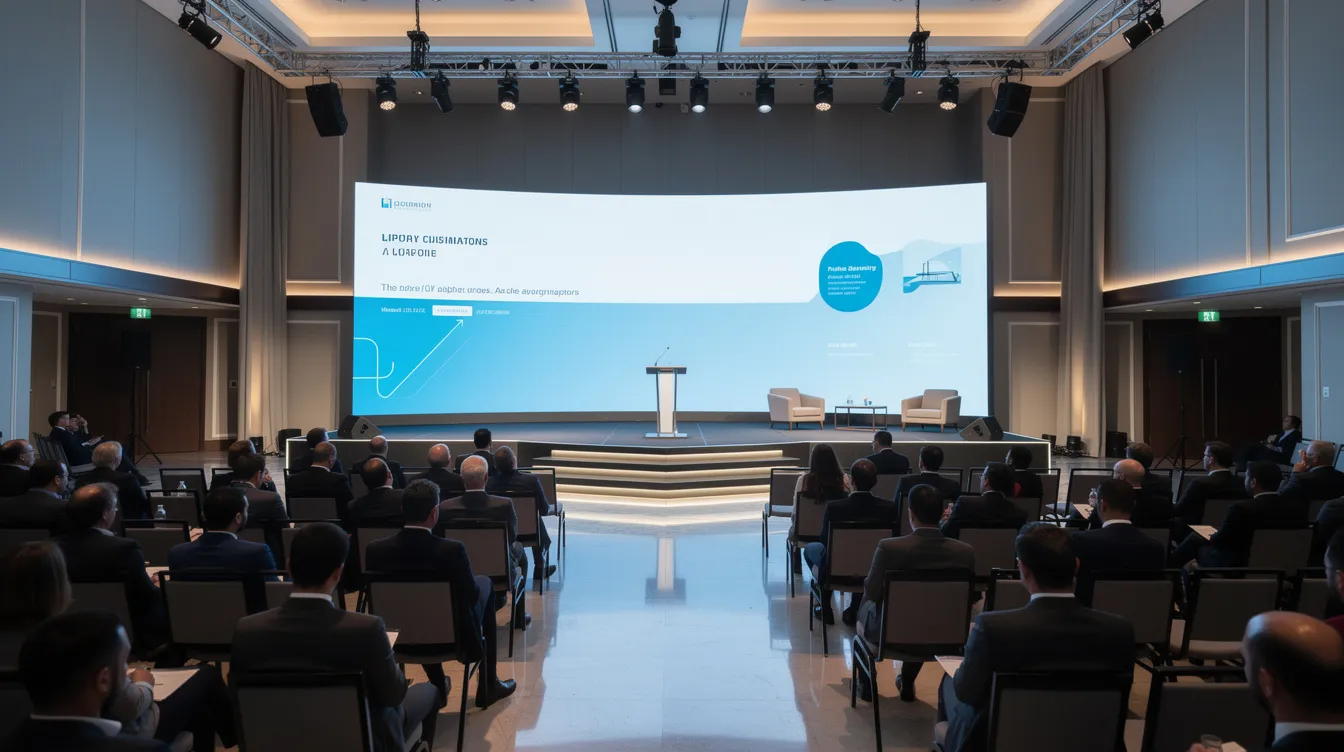
LED screens emit light directly, allowing presenters to stand next to the display without casting shadows or obstruction. Indoor LED panels maintain high luminance and vivid colors in bright environments – hotel ballrooms with chandeliers, exhibit halls with overhead fluorescents, or convention stages with full wash lighting. A 500-person sales conference in a well-lit ballroom where projector images fade under ambient lighting is a textbook case for an LED display. Similarly, a 40-foot stage for an annual meeting general session combining branding, a video sizzle reel, and live camera feeds demands the seamless visual consistency of LED video screens.
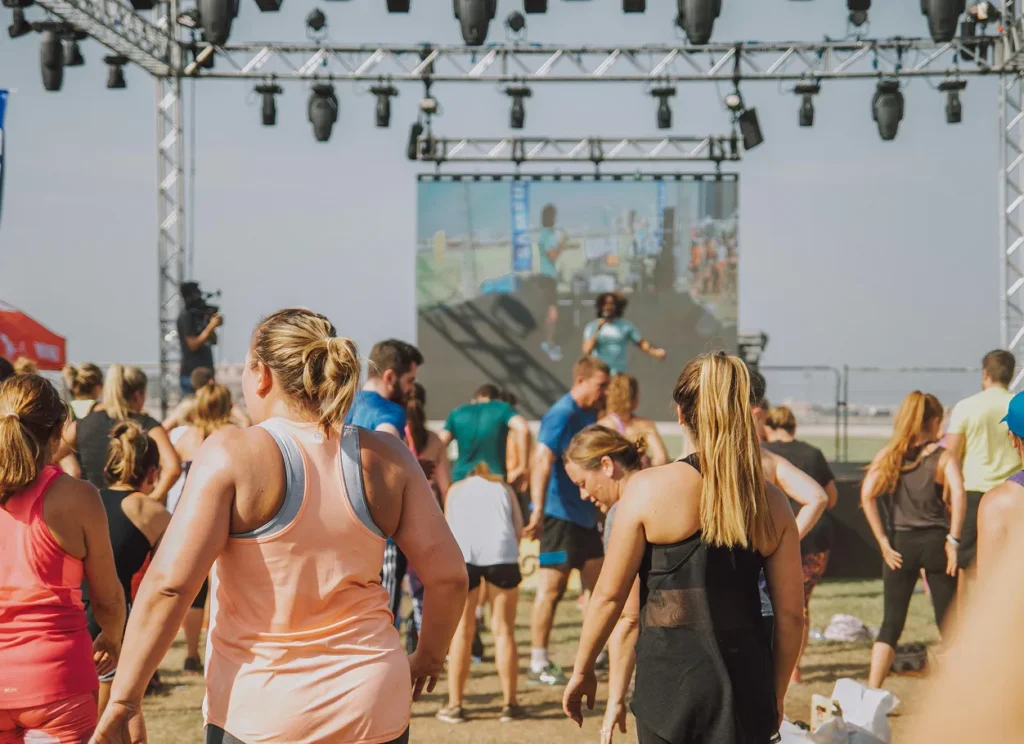
Trade show and event stand applications benefit from LED walls at close viewing distances, where product detail and promotional videos need to remain sharp. Product launches, political rallies with broadcast cameras, and large events with mixed lighting all favor LED. LED screens are ideal for outdoor festivals and concerts, and when indoor and outdoor events share the same production, LED systems bridge both environments effectively. Even planners searching for a Minneapolis jumbotron rental often discover that an indoor LED video wall is the actual solution they need.
Projection remains viable in dark rooms with controlled lighting, simple slide-based presentations, tight budgets, or venues with limited electrical capacity. Mobile LED displays and mobile LED units offer portability for events that move between spaces, but for fixed indoor stages, a properly sized LED wall is almost always the stronger choice.
Audience Size, Room Dimensions and Sightlines
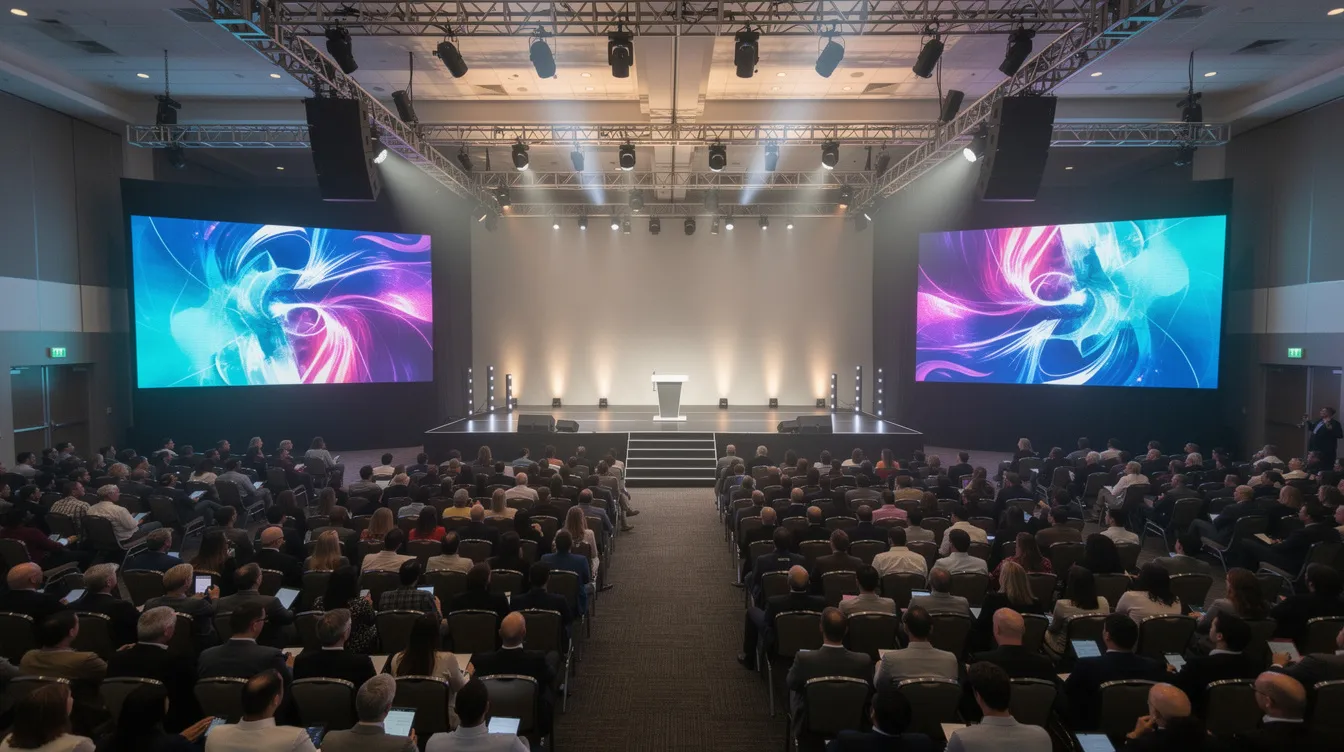
Audience size directly determines how wide and tall your LED wall needs to be. A 300-person hotel ballroom with theater-style seating and a viewing depth of 40 to 50 feet might call for a wall around 12 feet high by 21 feet wide. A 1,000-person convention center general session with side sections may require a center wall 30 to 40 feet wide plus dual flanking IMAG screens. Common LED wall sizes include 16′ x 9′ and 20′ x 40′, but LED walls can be customized to various sizes for events of any scale.
Seating layout matters as much as headcount. Theater-style rows allow a narrower screen to reach most sightlines, while rounds or banquet seating spread attendees wider and may demand a wider wall or supplementary side screens. Classroom configurations push the back row farther from the stage, which increases required screen height for text readability.
Room dimensions and ceiling height set hard limits. Chandeliers, balcony overhangs, and low ceilings constrain maximum wall height – especially when ground-stacking panels. The bottom edge of the screen must sit high enough above the floor so that heads, tables, and décor don’t block content. For a corporate atrium town hall of 100 to 200 people, a 10-foot by 17-foot wall mounted above a low riser may work perfectly; for a ballroom gala with 8-foot round tables, the bottom of the screen may need to be 6 feet or higher off the floor.
Sightline planning also means checking for pillars, lighting trusses, and scenic pieces that could obstruct views. Front Row FX performs sightline reviews – either on-site or from venue architectural drawings – for Minneapolis venues, greater Minnesota, Wisconsin, Chicago, and regional locations to recommend LED wall rentals that meet visibility requirements for every seat.
Choosing Screen Dimensions and Aspect Ratio
LED walls are built from modular grids of LED tiles – commonly 500mm × 500mm or 500mm × 1,000mm cabinets – that tile together into whatever width and height the event requires. This modularity enables standard aspect ratios like 16:9, ultra-wide formats like 21:9 or 32:9, and unique shapes including curves, L-wraps, and vertical towers.
A 16:9 LED video wall is the most common choice for conferences and general sessions because PowerPoint, Keynote, and standard video content all output natively in that format. This minimizes letterboxing and wasted screen space. LED video walls are used for dynamic presentations at conferences where slides, video, and live camera feeds rotate throughout the program.
Wider aspect ratios come into play when the stage design calls for a panoramic backdrop, when multiple content zones are needed simultaneously (slides on the left, live camera center, sponsor loop on the right), or when custom content and motion graphics are designed specifically for a wide canvas. A corporate general session with scenic integration might use a 32:9 panoramic wall spanning the full stage width.
Example configurations to orient your planning:
-
11.5′ × 20′ (16:9) for approximately 300 to 400 attendees in a ballroom, combining slides and IMAG
-
15′ × 27′ (16:9) for approximately 800 to 1,000 attendees in a larger general session
-
6′ × 10.5′ for a breakout room or tradeshow theater with closer seating
These are starting points, not rules. The right dimensions depend on your room, content, and stage. Plan your content orientation – slides, lower-thirds, side-by-side presenters, remote participants – before locking in the LED video wall size and shape.
Pixel Pitch and the Closest Viewer
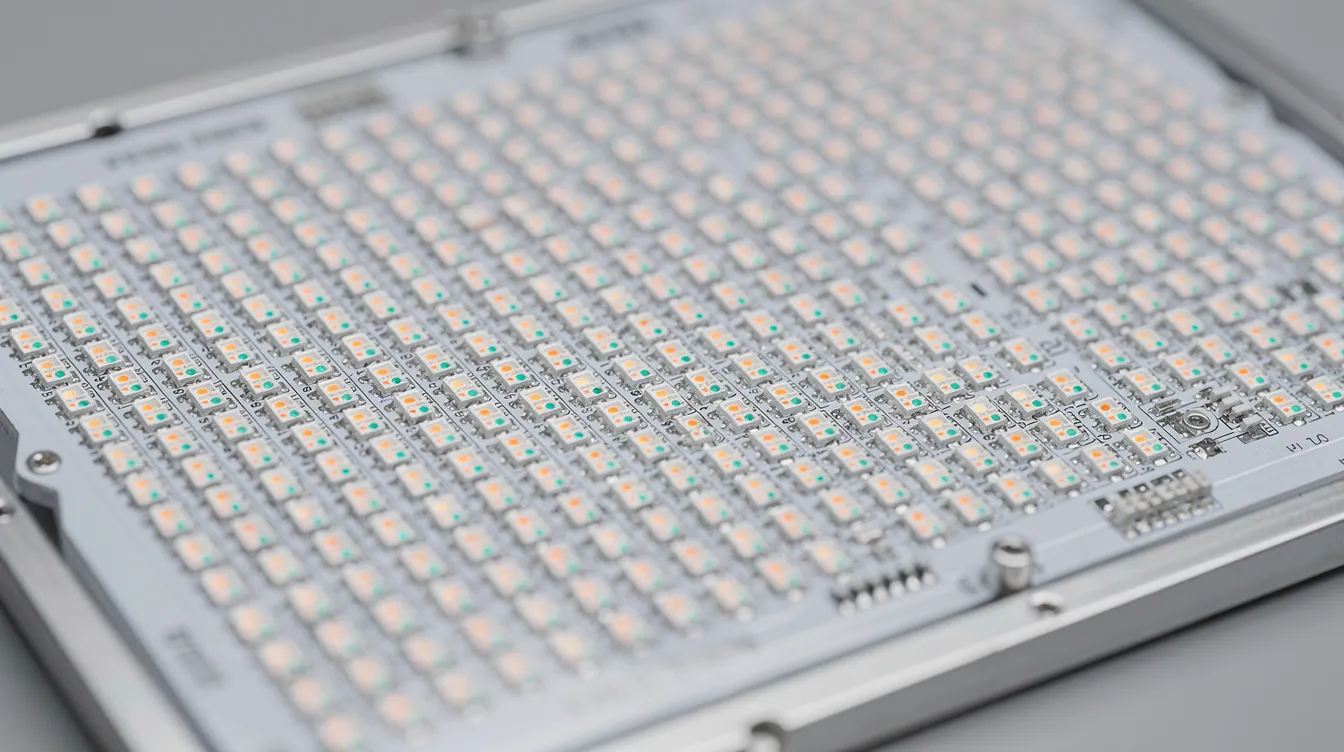
Pixel pitch is the distance in millimeters between the center of one LED pixel and the next. The pixel pitch determines image clarity for close viewing at indoor events: a smaller pixel pitch results in higher resolution displays, while a larger pitch is acceptable when the audience sits farther back.
LED walls can have pixel pitches as small as 1.9mm. P1.9mm pixel pitch panels provide exceptional image clarity and are often considered for exhibition booths, close-up product demos, and interactive content where viewers stand just a few feet away. For a tradeshow demo area where attendees are within 10 feet, fine-pitch panels in the P1 to P1.5 range deliver the detail needed for spreadsheets, UI mockups, or high resolution product visuals.
P2 to P2.6mm LED walls are frequently chosen for conferences, keynotes, and readable slide content in small to mid-sized rooms. When the front row sits 15 to 25 feet from the screen, this range offers a strong balance of clarity, brightness, and budget. P2.9 to P3.9mm panels can work effectively for many stages and large rooms where the closest viewer is 25 to 30 feet or more – a P3.9mm panel, for example, has a practical minimum viewing distance of roughly 13 feet and an optimal range around 25 feet.
These are not rigid formulas. Content type, text size, color contrast, LED panel quality, and video processing all influence perceived clarity. Front Row FX matches pixel pitch to the closest viewing distance, room layout, and budget for each project. For deeper guidance, review the LED Wall Pixel Pitch resource page.
Content Planning: Slides, Branding, Video and Readable Text
The content you plan to show drives nearly every technical decision about your LED display. Common content types include PowerPoint slides, logo animations, sponsor loops, pre-produced promotional videos, live data dashboards, social media walls, and interactive content. LED screens can easily integrate with various live event sources and content, and LED walls can display live feeds and live streaming content during events – but each format has different resolution and formatting requirements.
Text readability is where many events stumble. A useful guideline: text height should be at least 1 inch for every 15 feet of viewing distance. If the farthest row is 60 feet from the screen, body text needs to be at least 4 inches tall on the wall. Avoid thin typefaces, low-contrast color combinations, and small fonts. Design content at the LED wall’s native pixel resolution to avoid scaling artifacts.
Brand integrity requires attention. Corporate logos, brand colors, and gradients can render differently on LED panels than on a laptop screen. Color calibration and on-wall testing before the show catch issues with color shifts, clipping, and viewing-angle variations. Provide high resolution source files – not compressed JPEGs pulled from a website.
Custom content designed for wider or non-standard aspect ratios can make a powerful visual impact, but it must be built to the exact pixel dimensions of the wall. Video playback from media servers or show computers should match the wall’s native resolution. When using multiple content zones – live camera plus slides plus a lower-third sponsor strip – video processors must route and scale each zone independently. Front Row FX reviews and tests content files in advance so there are no surprises during the show.
Live Cameras and IMAG on LED Video Walls
IMAG – image magnification – is the practice of displaying a live camera feed of presenters, panelists, or performers on LED video walls so that attendees in the back and sides of the room can see facial expressions and details clearly. It’s especially valuable for keynotes, multi-speaker panels, galas, concerts, and political rallies where connection to the speaker is essential. LED walls can display live feeds during events with minimal latency when paired with proper processing.
Camera use affects LED wall decisions in several ways. Premium indoor LED modules have high refresh rates – often 3,840 Hz or higher – to prevent flickering during video capture. Lower refresh rates can produce visible banding or flicker when filmed, which matters for livestreams, broadcast, and social media videos. Color fidelity, exposure management, and camera shading all require coordination between the video and lighting teams.
Front Row FX integrates cameras, switching, graphics, and LED processors to ensure clean transitions between slides, video playback, and live feeds. Rehearsal time is critical: camera tests check for moiré patterns, aliasing, and exposure issues on the LED display. Viewing recent Experiences from past productions illustrates how IMAG, graphics, and video come together on LED walls at scale.
Screen Placement Within the Stage Design
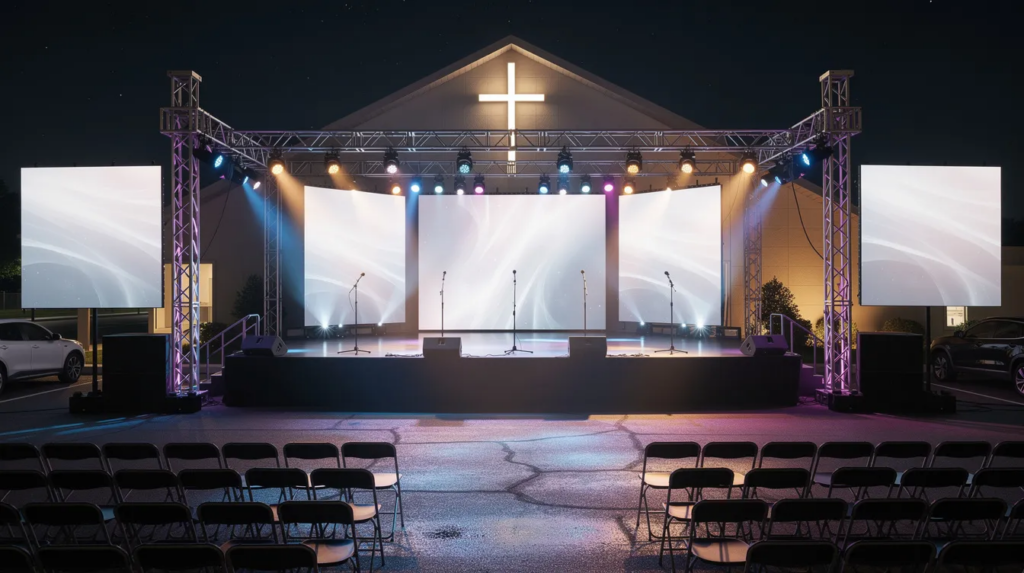
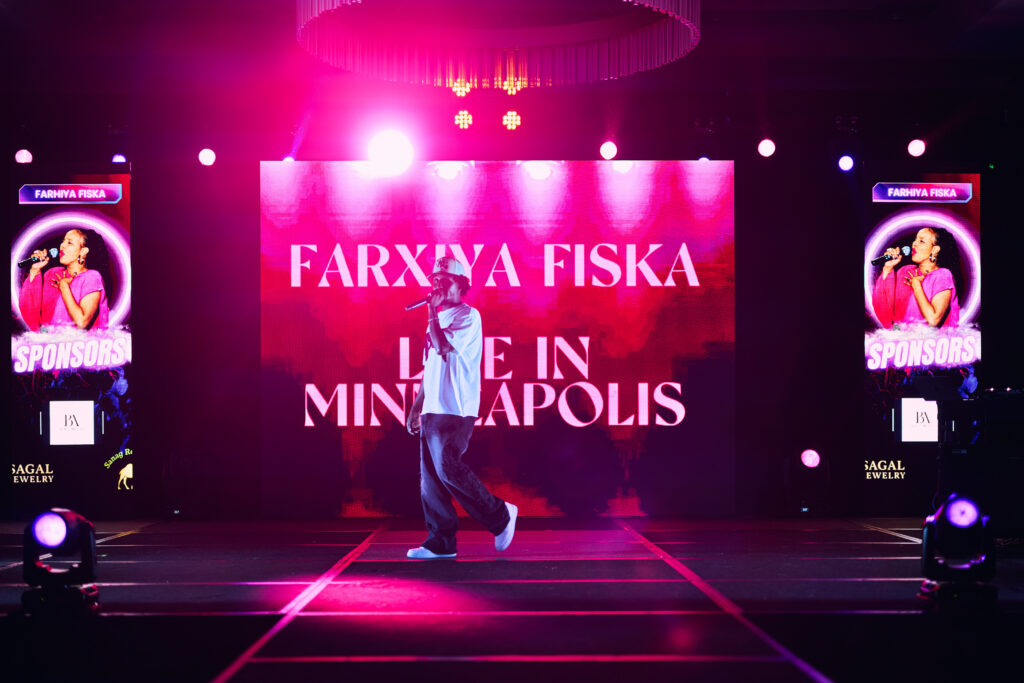
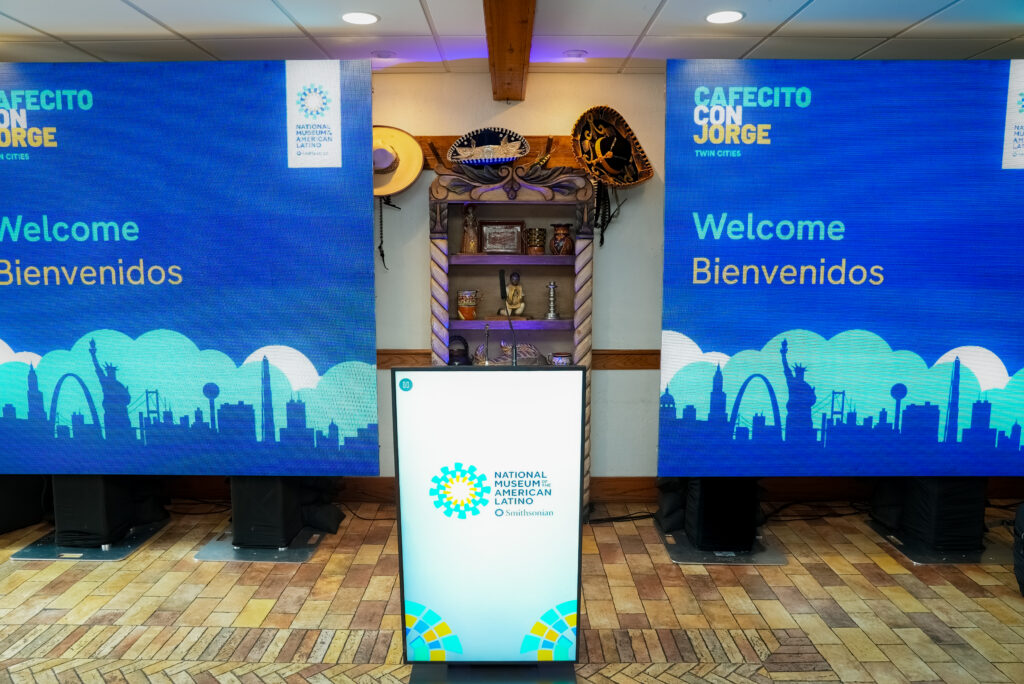
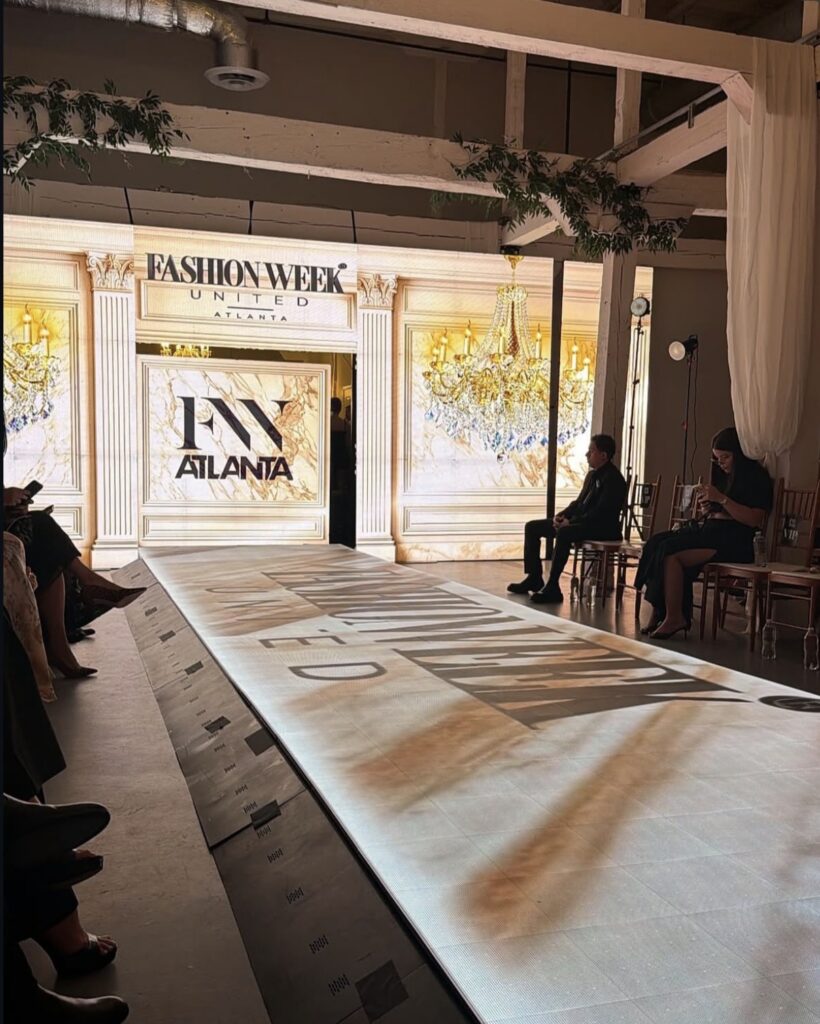
Where the LED wall sits on stage shapes the entire visual experience. Common placements include a center screen behind the presenter, dual side LED screens for IMAG, a wide panorama spanning the full stage backdrop, LED scenic “portals” framing the stage entrance, and LED header strips above the stage. LED walls enhance exhibitor booths at trade shows when used as branded scenic elements within an event stand.
Stage elements – lecterns, furniture, band risers, scenic pieces – must not block sightlines to the screen or create reflections in camera shots. The distance between the speaker’s movement area and the LED wall matters: if a presenter stands too close, stage lighting can wash out the screen surface. Scenic framing, curtains, and draping should complement the wall rather than compete with it.
Practical constraints include ceiling height, rigging point locations, load-bearing capacity, and venue rules. A corporate event production in Minneapolis at the Minneapolis Convention Center might feature a wide LED backdrop spanning 35 feet behind a keynote stage. A gala dinner in a hotel ballroom might use dual LED walls flanking the band, with a central gap for camera positions. Each configuration requires structural review on a case-by-case basis. Front Row FX collaborates with scenic, décor, and staging partners to ensure LED walls, lighting, sound systems, and stage elements form a cohesive design.
Brightness, Ambient Lighting and Room Environment
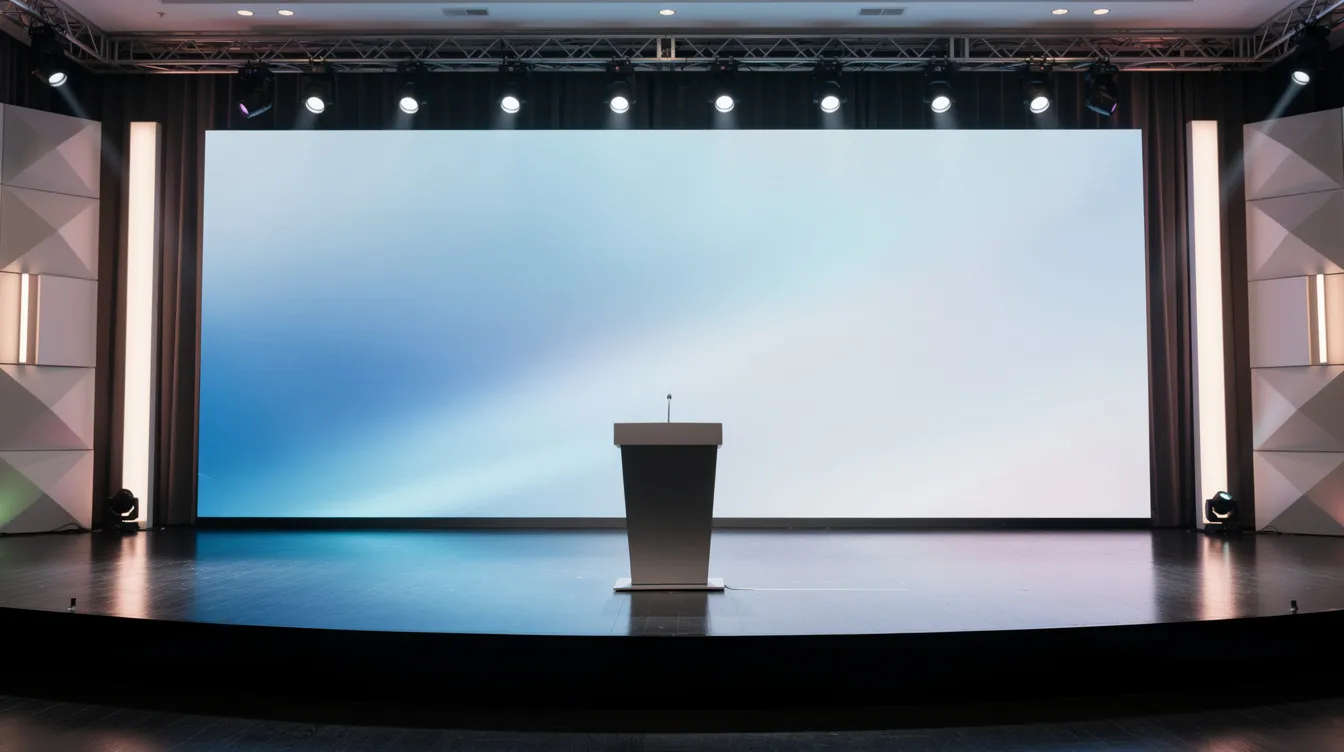
LED walls rated at 800 to 1,500 nits for indoor use handle ambient light far better than projection. Rooms with large windows, full house lights, or bright stage wash no longer force a choice between visibility and atmosphere. LED screens can achieve brightness levels of 5,000 to 8,000 nits for outdoor events, but indoor applications rarely need that intensity.
Indoor LED screen brightness still must be tuned for comfort. A wall running at full brightness in a small ballroom can cause eye fatigue for front-row attendees and overexpose on camera. Dimming the wall during an intimate awards segment, then raising brightness for a high-energy video opener, is standard practice when an operator is managing the system live.
Stage lighting, haze, and scenic elements affect perceived contrast and color on LED video walls. Proper calibration and coordination between lighting and video teams ensures that wash lighting doesn’t degrade the LED image and that haze doesn’t scatter light across the screen surface. When events include both indoor and outdoor segments, brightness and panel selection may differ; Front Row FX recommends appropriate indoor and outdoor LED systems for each environment.
Power, Signal Distribution and Technical Control
LED walls require dedicated power circuits, proper distribution, and robust signal paths. A large display wall spanning 40 to 60 feet can draw hundreds of amps depending on brightness and panel count. Exact power draw and electrical requirements depend on the LED product, screen size, brightness levels, and configuration, and must be confirmed for each project.
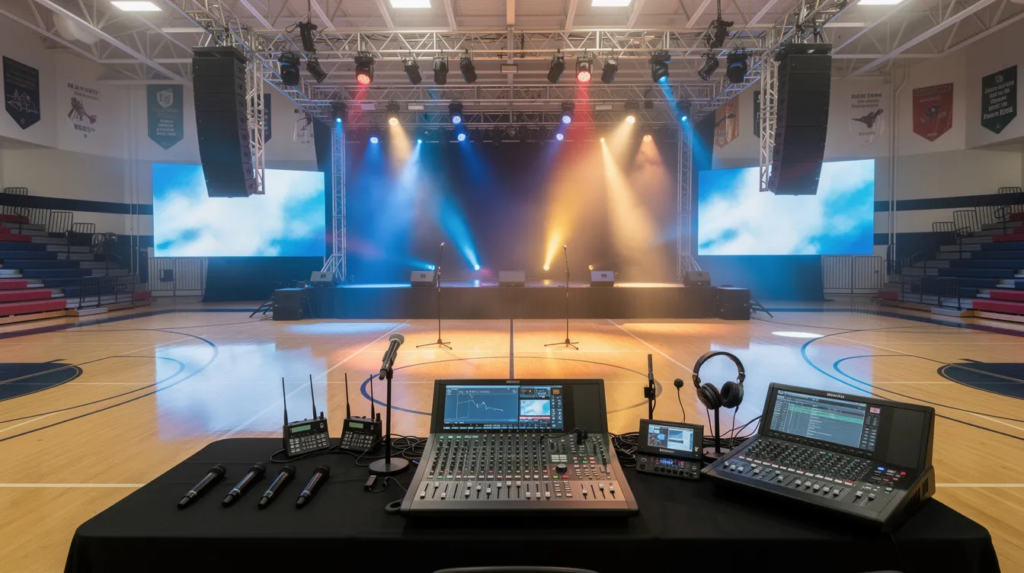
The typical signal flow at an event runs from graphics and video playback sources to a video switcher, then through video processors that scale and map the content to the LED wall’s native resolution. Media servers handle complex playback, multi-zone routing, and synchronized content. Redundancy – backup processors, duplicate signal feeds, failover paths – is built into mission-critical productions.
Installation includes comprehensive video signal testing before doors open. Front Row FX provides trained technicians to manage LED processors, signal routing, and live content switching, integrating with broader Complete AV Production when sound systems, lighting, and video all need coordinated control.
Early coordination with venues is essential to confirm available power locations, cable path distances, and control positions – whether that’s a tech table at the back of the room, a separate control room, or a balcony position.
Load-In Access, Setup Schedule and Venue Coordination
Logistical factors directly affect indoor LED wall rental planning. Loading dock dimensions, freight elevator capacities, door widths along the path to the ballroom, and rigging schedules all need to be confirmed before production day. LED wall rentals come with delivery and setup services, and post-event teardown is included in installation services. Installation services ensure secure rigging of LED walls whether ground-stacked or flown from overhead points.
Typical set up timelines vary: a mid-sized ballroom LED wall for a conference may require a half-day (three to five hours) from empty room to show-ready. Larger productions with multiple LED displays, camera systems, and full staging can take a full day or longer – one documented case required 5.5 hours for a truss-flown wall with dual camera feeds and full lighting and stage support. Additional fees may apply for delivery and setup when venues are remote or access is limited.
Some venues require union labor, advance rigging calls, or specific safety documentation. In Minneapolis, St. Paul, Chicago, and regional convention centers, coordination across catering, décor, staging, lighting, and video teams is essential – especially when multiple vendors share the same load-in window and room turnover time. Front Row FX handles pre-production communication with venues, including CAD review, floor plans, and run-of-show timing, to ensure LED displays and AV systems are in place before doors open.
Equipment-Only LED Screen Rentals vs Full-Service LED Production
There is an important difference between choosing to rent LED walls as hardware only and hiring a full-service LED screen production partner. Equipment-only display rental typically includes LED panels, structural frames, and sometimes processors. It does not include design, rigging supervision, content testing, show operation, troubleshooting, or coordination with other vendors. It’s essential to verify on-site support before renting an LED video wall.
For context on costs: a standard 3 × 3 LCD video rental costs around $900, while a 25 × 10 feet LED wall rental costs around $800 for hardware alone. LED tile video wall rentals typically start around $10,000 when production services are included. Rental costs vary based on size, duration, and location. The gap between the hardware-only price and full-service pricing reflects the value of technical design, pixel pitch and size recommendations, content formatting and testing, delivery, rigging, configuration, line checks, live operation, and immediate problem-solving.
Full-service LED video wall production provides technicians who provide on-site support during events, managing everything from processor configuration to live switching. Front Row FX provides planned, delivered, installed, and operated solutions across its full Services menu – LED walls, audio, lighting, projection, and more. For integrated events, the Conference AV Production offering combines LED walls with full support across all production departments.
When events are high-profile, multi-camera, sponsor-driven, or complex – leadership summits, national sales meetings, investor days, multi-day conferences – full-service support is the perfect solution. Whether your event is in Minneapolis, Chicago, Las Vegas, San Jose, or Fort Worth, the same principle applies: professional production reduces risk and delivers memorable experiences. Equipment-only may reduce the initial line item, but hidden costs from rework, delays, and poor visuals often outweigh the savings.
Key Questions to Answer Before Requesting an Indoor LED Wall Proposal
Before reaching out for a custom quote, gather the following event details to help your production partner develop an accurate proposal:
Venue and logistics: Venue name and city, room name, event dates including setup days, access schedule, loading dock and freight elevator details, ceiling height, and any rules around rigging or union labor. Several audiovisual and event technology companies serve the Minneapolis area, and local AV production specialists understand venue logistics in the Minneapolis area – diverse local providers offer specialized options for LED screen rentals in Minneapolis, so specifics help differentiate proposals.
Audience and seating: Expected audience size, seating style (theater, classroom, rounds), distance from stage to front row, distance to back row, width of seating sections, and whether balconies or side seating exist.
Stage and screen: Stage dimensions (width, depth, height), desired layout, existing décor or scenic elements, preferred screen size or aspect ratio if known, and closest viewer distance to the LED screen.
Content and cameras: Types of content (slides, video, IMAG, live game feeds, social media walls), aspect ratio preferences, whether live cameras or remote presenters will be used, number of input sources, and whether the show will be livestreamed or recorded.
Technical and production scope: Indoor and outdoor needs, show schedule, rehearsal times, power availability, and whether you need broader Complete AV Production support or only LED walls and basic AV. If you have an event coming up that requires a large display with high resolution displays, sharing these details early leads to a faster, more accurate response.
Next Steps: Plan Your Indoor LED Wall with Front Row FX
Successful indoor LED wall production depends on matching screen size, pixel pitch, placement, and technical support to your audience, room, and content. Every decision – from the display configuration to the video processors behind it – works together to create an unforgettable experience for your attendees.
If you have a next event that calls for LED walls, share your venue and city, audience size, room and stage dimensions, closest viewing distance, content types, and whether cameras or IMAG are planned. Review the LED Wall Size for Events resource alongside the main LED Screen Walls page to refine your concept, then reach out to Front Row FX to start building your production plan. As a trusted partner for indoor events and large events alike, the goal is collaborative planning that delivers the right screen for your stage – nothing more, nothing less.