What Is Pixel Pitch in an LED Wall? (Event-Focused Guide)
Introduction: LED Wall Pixel Pitch Explained Fast
Pixel pitch refers to the distance in millimeters between the centers of two adjacent pixels on an LED display. It is the single spec that most directly shapes how sharp your LED wall looks at any given distance. A smaller pixel pitch means higher pixel density-more pixels packed into the same area-which produces sharper images and supports closer comfortable viewing. A larger pixel pitch works well when the audience is farther away, the screen is bigger, or the production is outdoors.
There is no single “best” answer for every event. The ideal pixel pitch depends on viewing distance, content detail, screen size, and budget. Front Row FX is a Minneapolis-based LED video wall production partner that helps event planners and venues across Minnesota, Wisconsin, Illinois, Georgia and the Upper Midwest choose the right LED display solutions-not just rent hardware.
How Pixel Pitch Affects Image Quality and Viewing Distance
Pixel pitch directly affects resolution and image quality. For a given LED wall of the same physical size, decreasing pixel pitch increases total resolution because you fit more pixels into the same area. That higher pixel density delivers better image clarity for fine detail like slide text, data charts, sponsor logos, and camera close-ups, producing a seamless image with smoother gradients and improved color accuracy.
Pixel pitch and viewing distance have an inverse relationship. A simple rule of thumb: minimum viewing distance in meters roughly equals pixel pitch in millimeters. The ideal pixel pitch is approximately half the optimal viewing distance in meters, which also serves as a shorthand method to estimate viewing distance and determine acceptable viewing distance for your installation environment.
-
A 1.5mm pixel pitch is best viewed from around 1.5 meters away, making it suited for close range applications.
-
A 2mm pixel pitch requires a viewing distance of about 2 meters and is suitable for viewing ranges of about 20–25 feet.
-
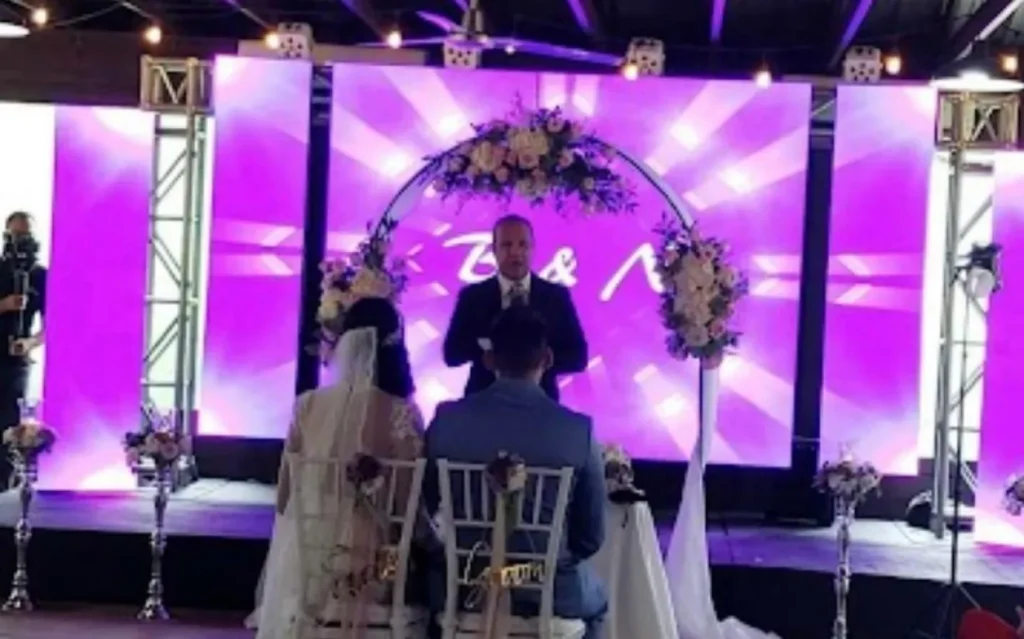
A P2.9 LED wall looks clean from around 3 m (10 ft) and beyond-common in conference rooms or ballrooms.
-
A P3.9 LED wall works well when most attendees are 4–5 m (15–16 ft) or farther, such as mid-size stages and small arenas.
-
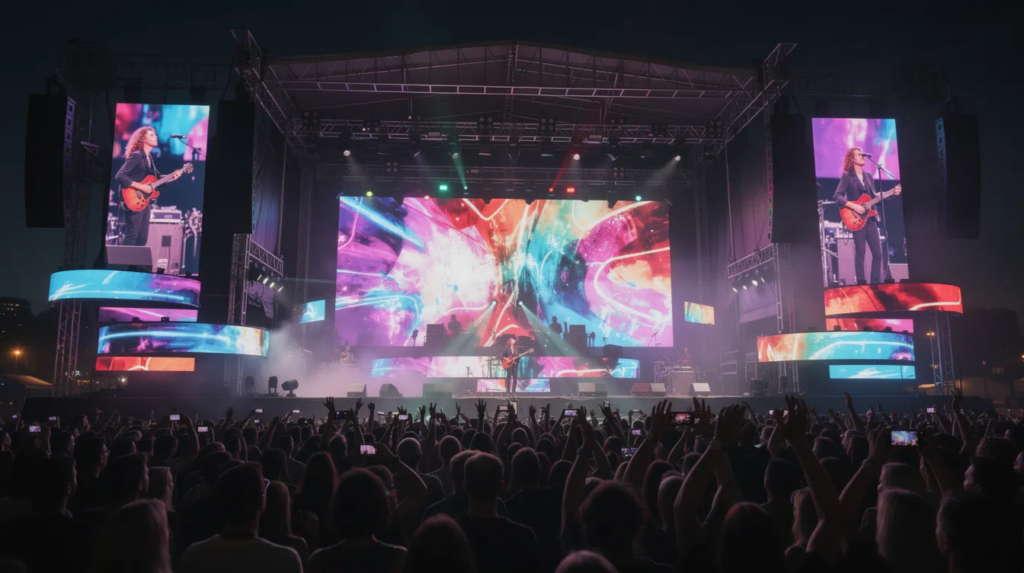
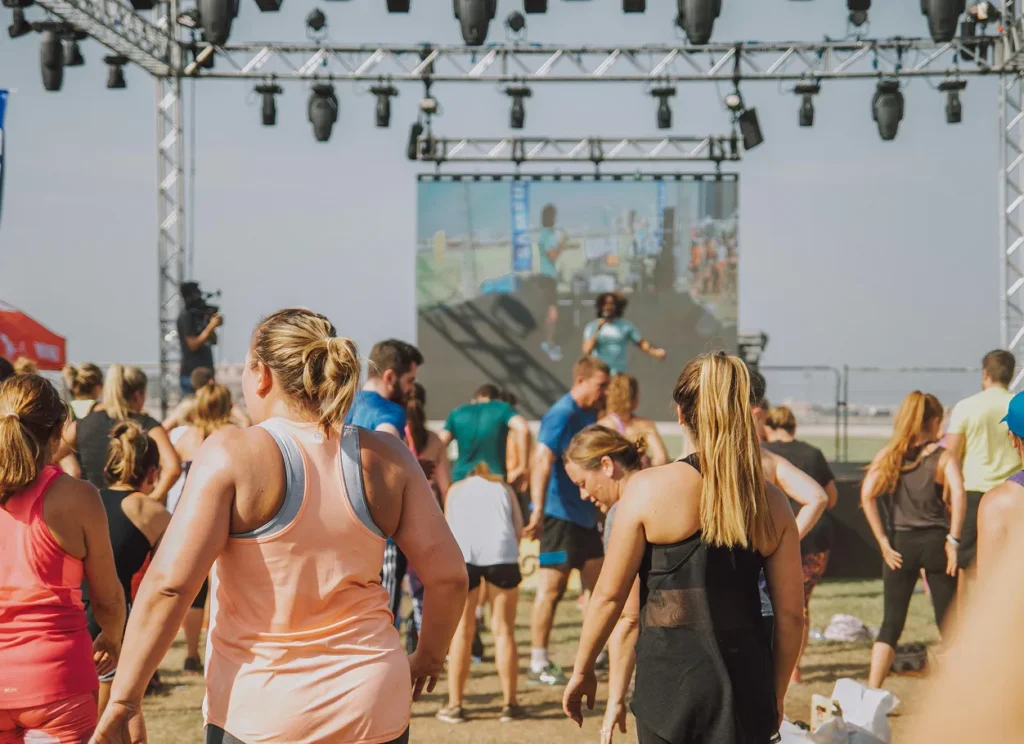
P4–P5 LED walls fit larger stages where the front row is 20 ft or more away, common for festivals and outdoor town events in the Midwest.
Smaller pixel pitches are ideal for close viewing distances, while clear image quality is maintained even with larger pixel pitches when viewed from significant distances. The viewing distance for larger pitch LEDs typically starts around 5 meters for outdoor use. Pixel pitch alone does not define indoor versus outdoor suitability-weather rating, higher brightness, and panel construction must be considered separately.
Common Pixel Pitch Ranges for LED Video Walls (With Event Use Cases)
Event LED displays are commonly grouped by pixel pitch ranges rather than single values. Pixel density impacts which content types benefit from specific pitches, so understanding these bands helps you start choosing the right pixel pitch for your production.
|
Pixel Pitch Range |
Typical Use Cases |
Approximate Minimum Viewing Distance |
|---|---|---|
|
P1–P1.9 |
Exhibition booths, executive conference rooms, control room environments, broadcast sets |
3–6 ft (1–2 m) |
|
P2–P2.9 |
Conferences, galas, presentations with detailed text, IMAG-focused productions |
8–10 ft (2.5–3 m) |
|
P3–P3.9 |
Concerts, touring stages, hybrid indoor/outdoor productions |
12–15 ft (3.5–4.5 m) |
|
P4–P5 |
Large outdoor stages, summer festivals, bold graphics and live camera content |
15–20 ft (4.5–6 m) |
|
P6+ |
Stadium boards, civic events, long-distance signage |
20+ ft (6+ m) |
-
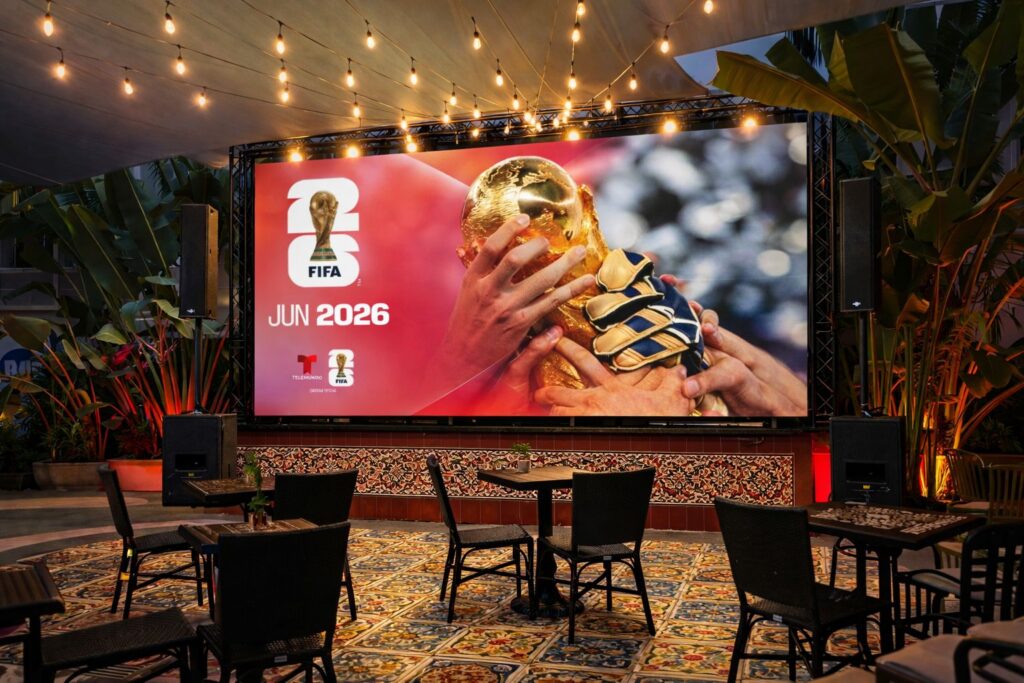
A 1.2mm pixel pitch is ideal for close viewing distances and is suitable for trade shows where attendees stand just feet from the screen. Common recommendations suggest a pixel pitch under 2mm for close indoor viewing. Ultra-fine pitches are also cost-effective for control rooms and retail environments requiring high detail.
-
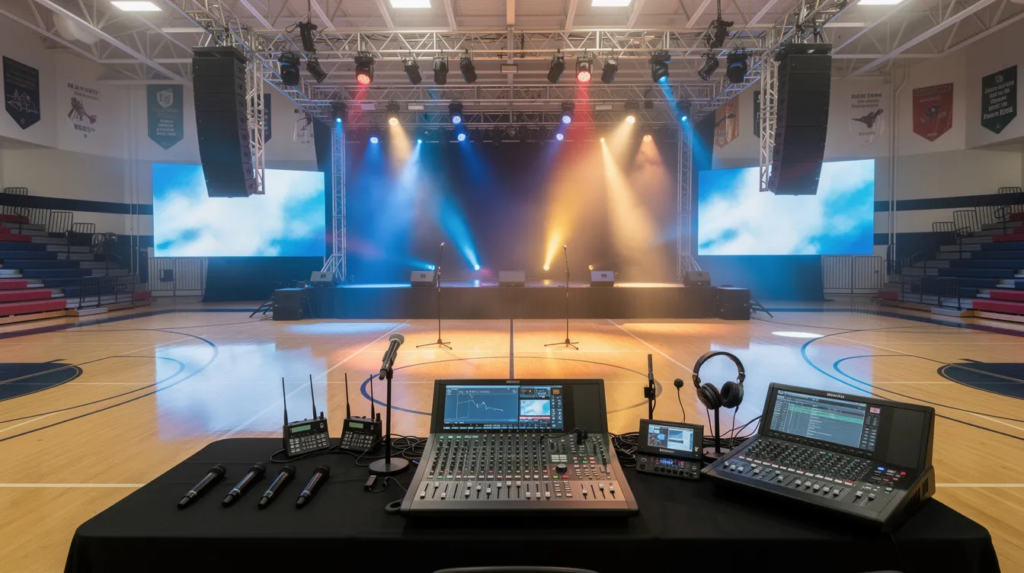
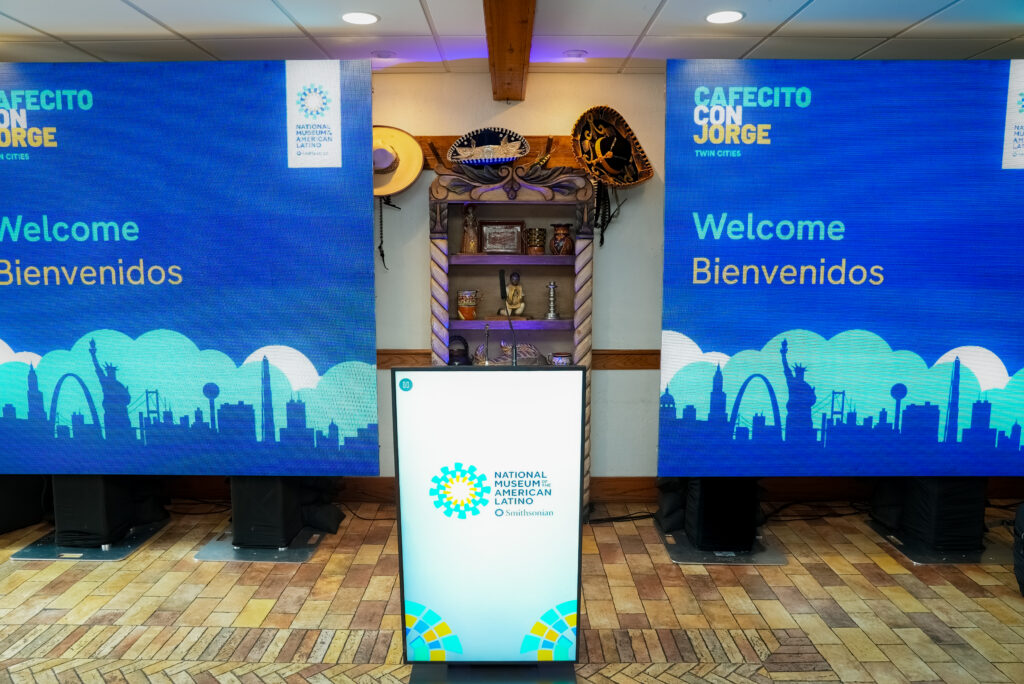
P2–P2.9 is often the best pixel pitch for mid-size conferences where attendees sit 10–40 ft from the LED wall, supporting clear PowerPoint text and data visualizations in ballrooms and hotel conference centers.
-
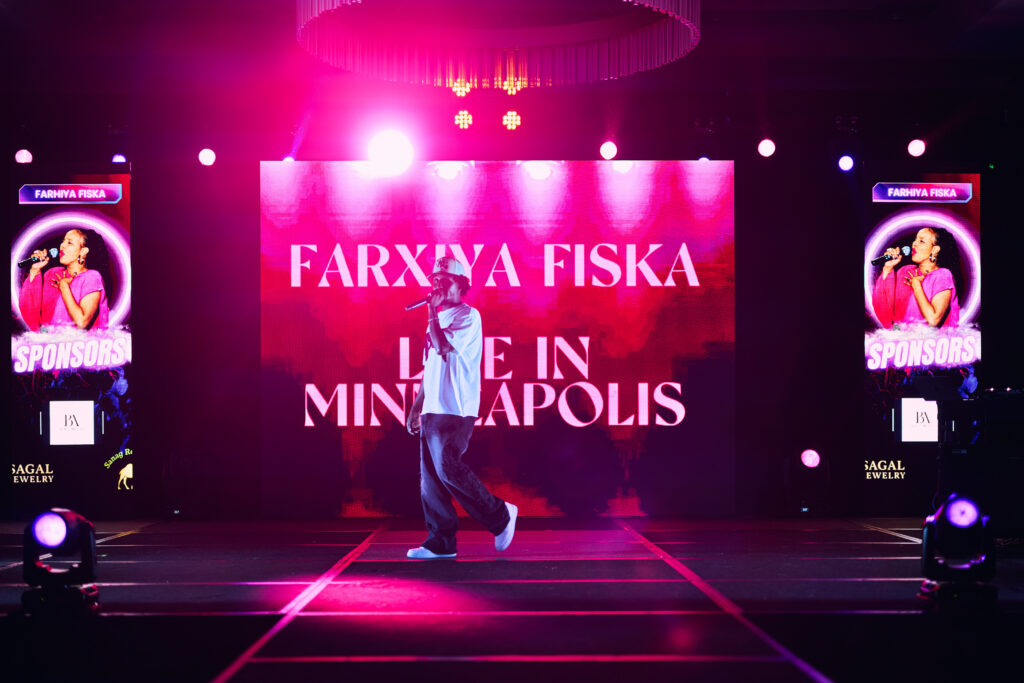
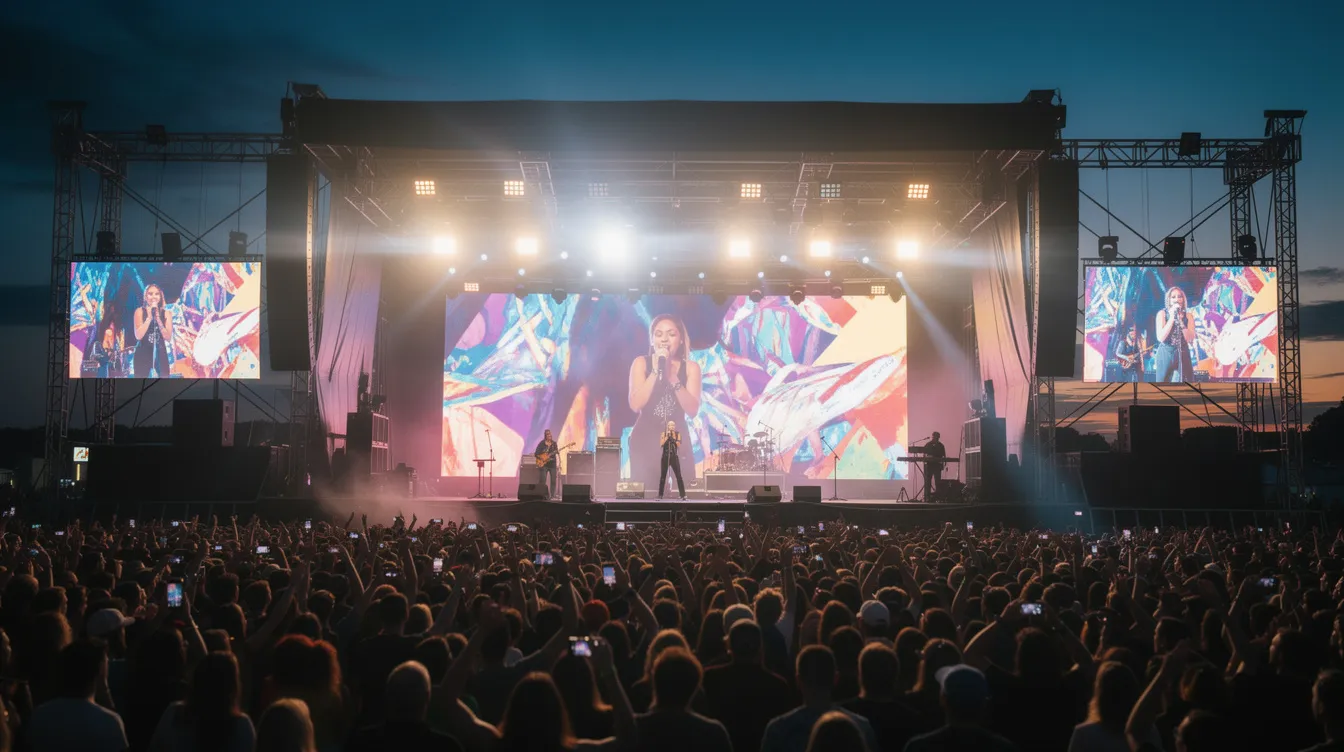
P3–P3.9 panels are widely used in concerts, touring productions, and hybrid indoor/outdoor stages where most of the audience is 20–75 ft from the LED video wall. Medium pixel pitches are also recommended for indoor signage. For mixed-use spaces, a mid-range pitch can optimize perceived sharpness across seating areas.
-
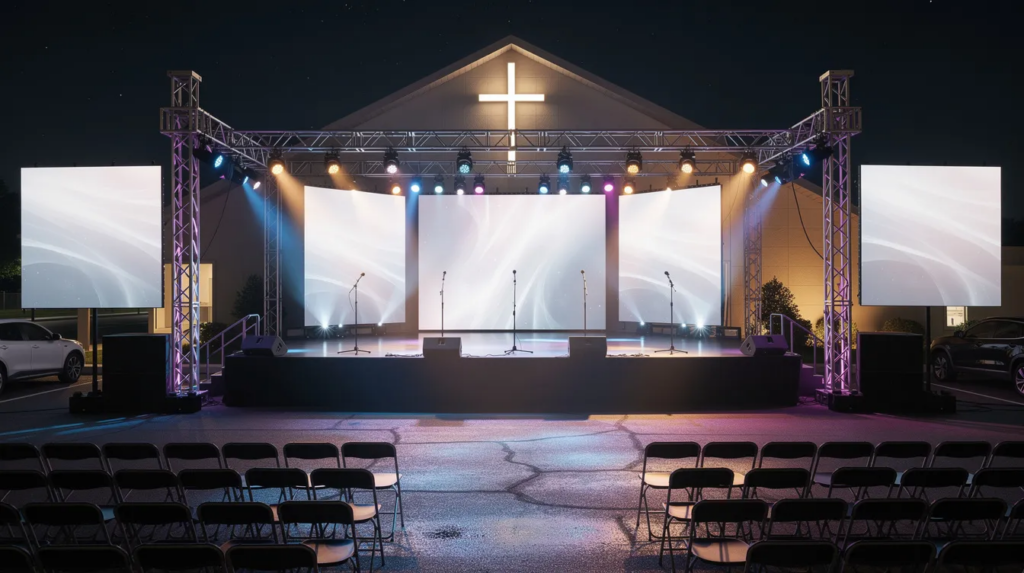
P4–P5 panels are common for larger outdoor stages at fairs and summer festivals across Minnesota and Wisconsin. Larger pixel pitches provide sufficient quality for large venues, usually viewed from farther distances.
-
P6 and above focuses on stadium boards and long-distance signage where average comfortable viewing distance is 100 ft or more. Outdoor LED walls often use pixel pitches over 5mm. Larger pixel pitches suit long-distance viewing applications, but individual pixels are visible up close, so these are not used for conference rooms.
These are planning guidelines, not rigid rules. Front Row FX evaluates the entire production environment before recommending a specific LED wall pixel pitch.
P2.9 vs P3.9 LED Walls: Which Fits Your Event?
P2.9 LED walls and P3.9 LED walls are two of the most requested options for professional events in the Upper Midwest. Understanding pixel pitch at this level helps you balance image sharpness against practical production factors.
-
“P2.9 LED wall” = 2.9 mm pixel pitch, finer and better suited for closer seating or detailed content.
-
“P3.9 LED wall” = 3.9 mm pixel pitch, coarser but efficient for larger stages and longer viewing distances.
|
Factor |
P2.9 LED Wall |
P3.9 LED Wall |
|---|---|---|
|
Pixel density |
~112,896 pixels per square meter |
~65,536 pixels per square meter |
|
Optimal viewing distance |
10–40 ft |
15–75+ ft |
|
Best for |
Conferences, galas, detailed slides, camera close-ups |
Concerts, outdoor shows, large ballrooms, bold graphics |
|
Image quality for text |
Significantly higher resolution for fine detail |
Acceptable for large titles, less sharp for dense text |
|
Relative cost |
Higher (more LEDs per same size LED module) |
Lower |
Favor P2.9 for corporate conferences in Minneapolis hotels where the front row is 12–25 ft from the LED display, breakout rooms with detailed charts and dense text, and events where recordings and photography capture the wall at close range demanding higher image clarity.
Favor P3.9 for concert stages and touring shows where audiences are typically 30–100+ ft away, outdoor or tented events around Minnesota and Wisconsin where rigging weight and weather rating matter, and productions where the LED wall is very large and primarily shows live IMAG and bold motion graphics.
A larger pixel pitch reduces resolution but can be sufficient for distant viewing. Total cost increases with smaller pixel pitches due to more required LEDs and power-smaller pixel pitches increase production costs significantly. Higher pixel density also leads to higher manufacturing complexity. Cost considerations are important when choosing pixel pitch based on intended audience distance, and larger pixel pitches reduce costs without sacrificing performance when audiences are farther away.
-
Choosing the right pixel pitch is about matching viewers’ distance and content type.
-
The right pitch is not always the smallest number-it is the one that fits your event.
-
Over-specifying wastes budget; under-specifying hurts the viewing experience for the front rows.
Beyond Standard Panels: Specialized LED Wall Designs for Events
Not all LED displays are flat, solid panels. Some events call for specialized LED wall designs that involve tradeoffs in resolution, brightness matter, and structural requirements.
-
Lightweight touring panels are designed to reduce overall rigging weight and speed up installation and teardown for concerts and touring productions. Often paired with P3–P4 pixel pitches for efficient coverage of large stages, they are common on multi-city runs through Minneapolis, St. Paul, Milwaukee, and regional Midwest venues.
-
Wind-permeable or blow-through LED panels feature gaps or mesh that allow airflow, making them useful for certain outdoor stage configurations. These reduce wind load compared to a solid wall but do not replace engineering, ballast, wind monitoring, or professional rigging.
-
Curved, flexible, or faceted LED systems are used for custom scenic designs, curved backdrops, and immersive brand activations. Pixel pitch options can be more limited, so image quality and ideal pixel pitch must be balanced with creative goals.
-
Transparent or mesh LED displays let designers maintain visibility through the LED structure-useful in front of scenic elements, windows, or architectural features. These displays trade some resolution and contrast for transparency and reduced visual obstruction, creating less empty space visually while still delivering a clear image from the intended viewing distance.
All of these specialized display solutions involve tradeoffs that Front Row FX evaluates on a case-by-case basis.
How Front Row FX Helps You Choose the Ideal Pixel Pitch
Understanding pixel pitch is one thing. Applying it to your specific venue, audience, and content is where production expertise matters. Front Row FX acts as a production partner-not a box-rental service-reviewing every factor that shapes your LED video wall production recommendation.
Key factors we evaluate:
-
Viewing distance: closest seat, average comfortable viewing distance, visual acuity distance, and retina distance for the furthest audience member
-
LED wall size and aspect ratio relative to the larger screen dimensions your venue requires
-
Content type: dense presentations, simple branding loops, detailed videos, live camera, or mixed show content
-
Camera usage: IMAG requirements, broadcast recording, and how the LED wall will look on camera
-
Venue conditions: ceiling height, rigging capacity, ambient light, indoor vs outdoor, and sightlines
-
Structural and safety requirements: rigging method, staging, wind considerations for outdoor setups
-
Budget alignment: focusing on the right pitch and configuration that achieves the creative goal without unnecessary overspec-see our guide to LED wall rental cost for deeper budget planning
Planner checklist-have these ready when requesting a recommendation:
-
Event type and dates
-
Venue name and city (e.g., Minneapolis, St. Paul, Rochester, Eau Claire, Madison)
-
Approximate LED wall width and height
-
Closest and furthest audience distances
-
Indoor or outdoor environment, including any tented or partially covered setups
-
Primary content formats (slides, video, live camera, mixed)
-
Whether the event will be recorded or live-streamed
Conclusion: Share Your Event Details for a Pixel Pitch Recommendation
The best LED wall pixel pitch balances image quality, viewing distance, LED wall size, content detail, structural requirements, and production budget. Choosing the smallest available pixel pitch is not always necessary or cost-effective-especially for large stages, outdoor events, or audiences seated well beyond two pixels being distinguishable.
Share your event details with Front Row FX so we can recommend the ideal pixel pitch and LED configuration for your specific production:
-
Event date or dates
-
Venue name and location
-
Desired LED wall dimensions or approximate size
-
Closest and furthest audience viewing distances
-
Whether the event is indoor, outdoor, or tented
-
Primary content formats (presentations, video playback, live camera, mixed) and any 4K requirements
-
Any broadcast, streaming, or camera considerations
If you are planning an event in Minnesota, Wisconsin, or the Upper Midwest, reach out to Front Row FX for tailored LED video wall production support built around your venue and audience-not just a spec sheet.