How Much Does It Cost to Rent an LED Wall for an Event?
If you’re planning a corporate conference, concert, gala or brand activation and starting to research LED wall options, you’ve likely noticed that finding a straightforward answer to this question is complicated. Here’s why-and what you actually need to know.
Quick Answer: How Much Does an LED Wall Cost to Rent for an Event?
There is no single universal price for renting an LED wall. How much an LED wall costs to rent depends entirely on the full production scope: screen dimensions, pixel pitch, indoor or outdoor use, rigging method, power distribution, video processing, content requirements, labor, transportation, event duration and venue access.
To give you useful context: renting LED panels typically costs about $95 to $290 per panel per day. LED wall costs range from $600 to $3,000 per panel depending on specifications, and LED screen panels themselves cost between $68,000 and $800,000 to purchase-which is precisely why renting for events makes financial sense. Total project costs for event LED wall production generally land between $30,000 and $150,000 depending on size, complexity and duration.
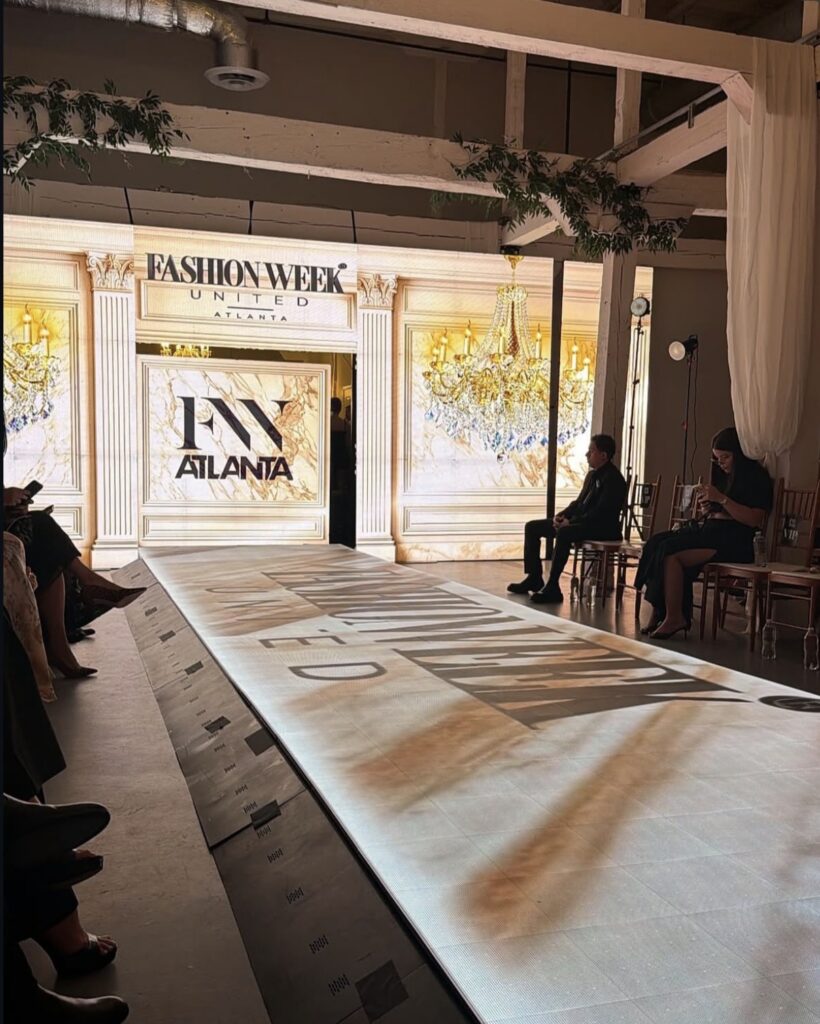
Front Row FX does not publish flat rate pricing because each event LED wall cost is scoped to the specific venue, schedule and technical requirements. We provide LED video wall production across Minneapolis – Minnesota, Milwaukee Wisconsin, Chicago – Illinois, Atlanta -Georgia and the broader Midwest, and pricing is delivered via tailored proposals once we understand your event details. If you wonder how much it costs to rent an LED wall for your specific event, the most direct path is sharing your project information so we can build an accurate estimate.
The Principal Factors That Affect LED Wall Rental Cost
Many factors combine to determine total video wall rental cost, and they interact with each other in ways that make generic pricing misleading. A larger screen with a coarser pixel pitch might cost the same as a smaller screen with ultra-fine resolution. An indoor setup in a venue with easy dock access might be less expensive than a smaller outdoor wall requiring weatherproofing and structural engineering.
Here are the key cost drivers:
-
Screen size and aspect ratio – more LED panels mean more structure, cabling and labor
-
Pixel pitch and resolution – tighter pitch increases cost per square foot significantly
-
Indoor vs. outdoor use – outdoor walls require higher brightness, weatherproof cabinets and additional safety measures
-
Ground-supported vs. flown installation – flown systems add rigging hardware, certified riggers and engineering review
-
Power distribution and video processing – video processors, scalers and media players add to production costs
-
Content requirements – content creation tailored to specific resolutions involves additional budgeting
-
Event duration and rehearsals – multi-day events and extended rehearsals increase staffing hours
-
Venue access and logistics – dock access, freight elevators, union labor rules and load-in distance all affect the total
-
Location and labor rates – cost is affected by pixel pitch, placement and local labor rates
You should also factor in a 15–30% increase for overall project costs due to hidden expenses like permitting, overtime and last-minute adjustments. Installation complexity influences total project costs significantly, and larger LED walls typically have dramatically different budgets based on panel counts.
Screen Size and Aspect Ratio: How Big Should Your LED Wall Be?
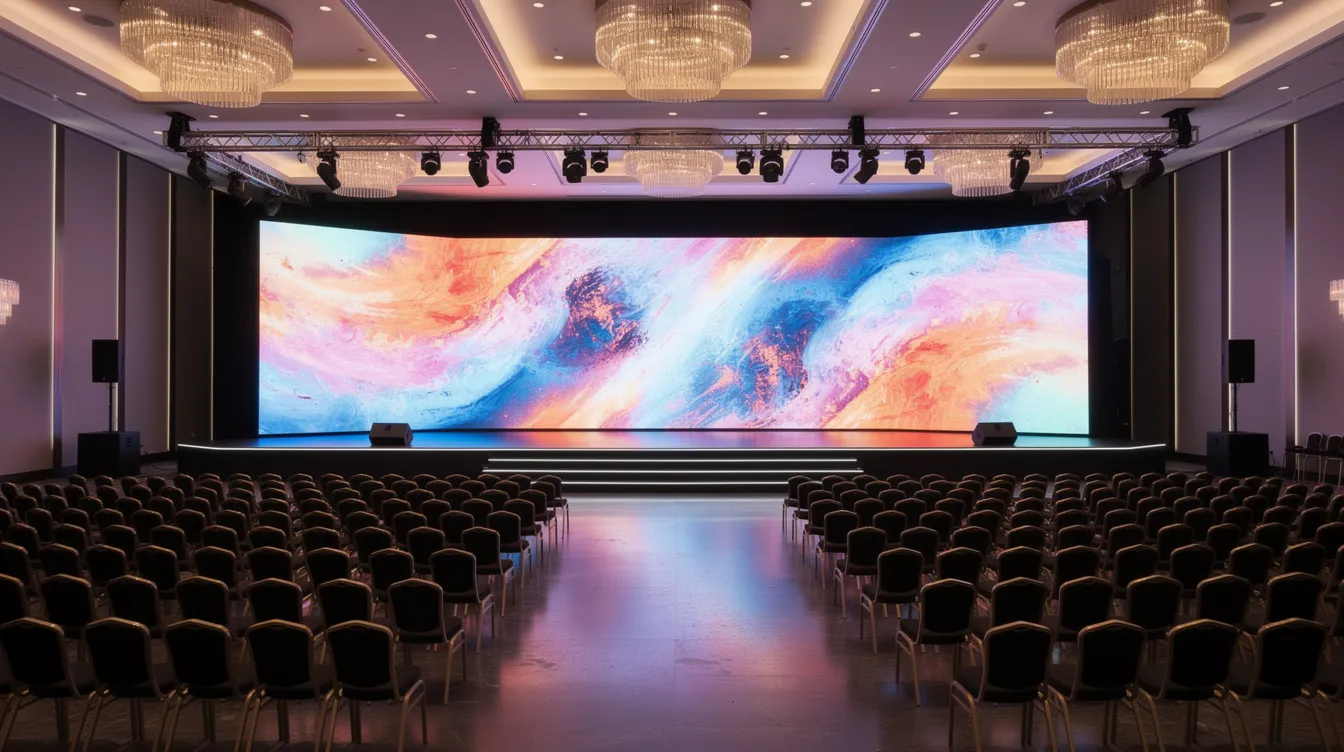
LED wall size-described in width by height-is one of the biggest drivers of LED screen rental cost. LED walls are modular, meaning costs increase proportionately to their size. Larger LED displays require more panels, increasing total cost along with structure and setup time.
LED walls offer flexible custom sizing for events, which means you aren’t locked into standard display dimensions. Consider these planning points:
-
A main stage wall for a 500-person corporate event in Minneapolis might be 16–20 feet wide in a 16:9 aspect ratio for presentations and IMAG
-
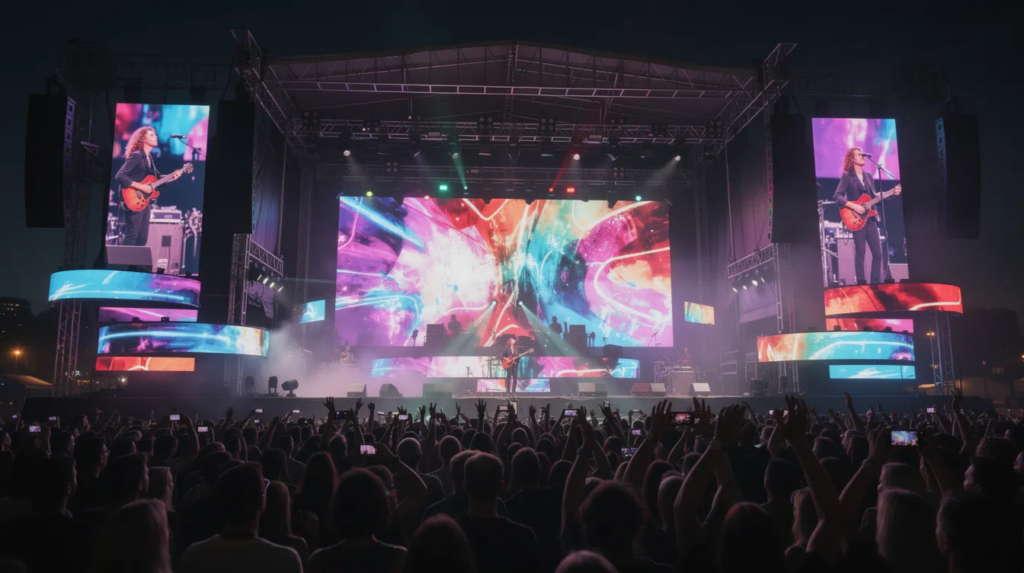
A wide, curved concert LED screen for a 3,000-person venue in Wisconsin could run 40+ feet in a 21:9 panoramic format
-
Vertical totems or ribbon-style screens for brand activations use fewer panels but require custom content design
-
When choosing between a single main video wall and a multi-screen layout, account for how each additional display adds panels, processing and cabling to your budget
Matching screen dimensions to your room depth, audience size and stage design is essential. A screen that’s too small wastes the investment; one that’s oversized for the space wastes money on resolution nobody can appreciate.
Pixel Pitch and Viewing Distance: How Sharp Will the Image Look?
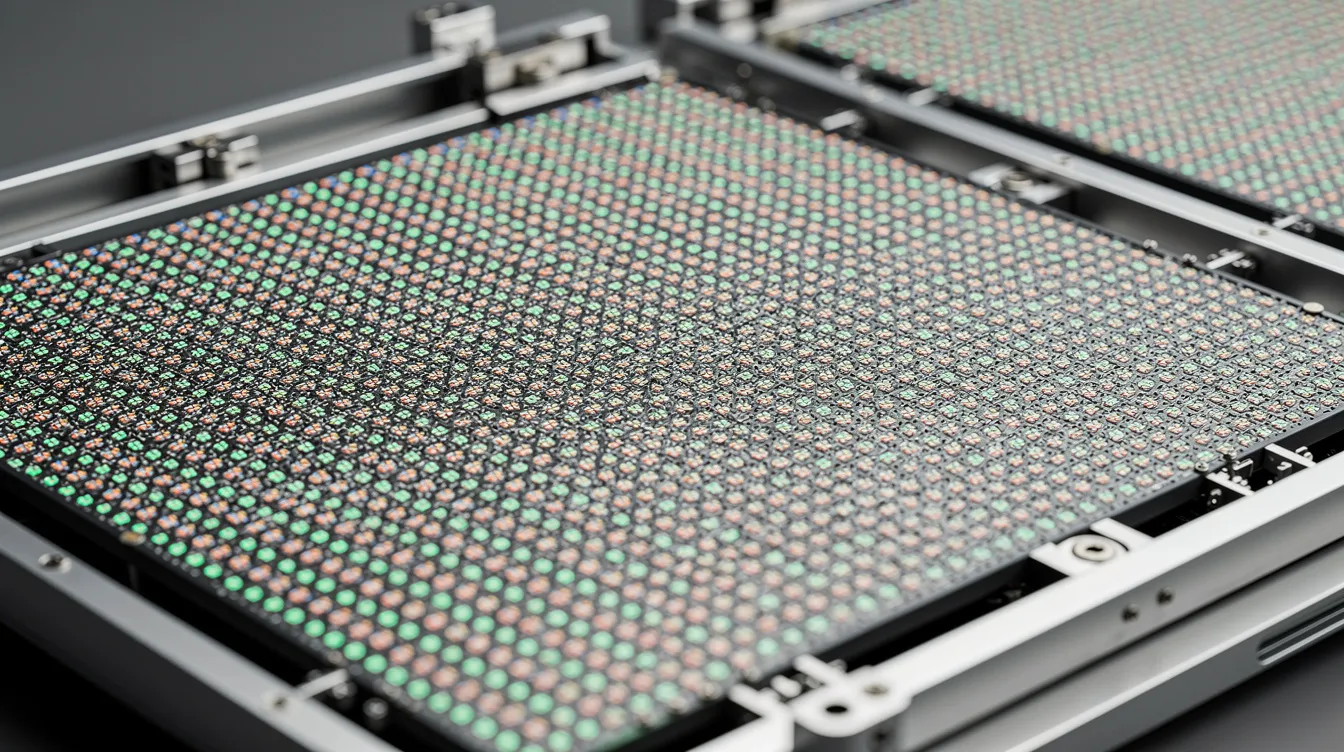
Pixel pitch defines the distance between pixels measured in millimeters. A smaller number means pixels are packed more tightly, producing higher resolution at closer viewing distances. Fine pitch means higher resolution and closer viewing distances, but LED wall costs increase as pixel pitch decreases.
Here’s what matters for your event:
-
A 2.9mm pixel pitch is affordable for corporate environments and delivers sharp text, logos and presentation content at moderate viewing distances
-
Standard LED panels typically have a 3mm diameter size, which works well for most conference and gala applications
-
Higher resolution LED panels are more expensive than standard ones-cost per square foot typically increases with tighter pixel pitches
-
SMD panels have smaller diodes and are generally more expensive, while curved LED panels provide an immersive experience and require special handling
-
Transparent LED panels use specialized materials and are costlier, typically reserved for specialty installations
A practical viewing distance guideline: multiply the pixel pitch in millimeters by 8–10 to get the minimum comfortable viewing distance in feet. For audiences seated 30–60 feet away, a 3.9–4.8mm pitch may be appropriate. For tight rooms or stage backdrops behind presenters where cameras are close, finer pitches are recommended.
Panel quality directly affects costs, with premium solutions being more expensive. Front Row FX advises clients on the right pixel pitch for their audience distance and content type, balancing image quality with overall event LED wall cost. LED panels include standard, SMD, curved and transparent types-each suited to different applications and price points.
Indoor vs. Outdoor LED Walls: Environment, Brightness and Weather
Indoor and outdoor LED walls are built differently, and those differences have a direct impact on LED screen rental cost.
-
Outdoor LED walls require weatherproofing and higher brightness capabilities-typically 5,000+ nits compared to 1,000–1,500 nits for indoor screens
-
Brighter LED panels are suited for outdoor use and cost more due to robust electronics and heavier cabinet construction
-
Outdoor walls require high brightness and weatherproof cabinets, often rated IP65 or higher for moisture and dust protection
-
LED walls can compete with sunlight for visibility, which is why outdoor-rated panels carry a 25–40% cost premium over equivalent indoor setups
-
Wind loading, temperature extremes and structural engineering for outdoor stages add layers of complexity to the production plan
For an outdoor concert LED screen on a Minnesota summer festival stage, expect heavier structure, weather contingencies and brighter panels. For an indoor ballroom corporate event LED wall for a winter gala in Minneapolis, ambient light control is simpler and fewer weather-related cost drivers apply-though proper video processing and room design still matter.
Ground-Supported vs. Flown LED Walls and Rigging Requirements
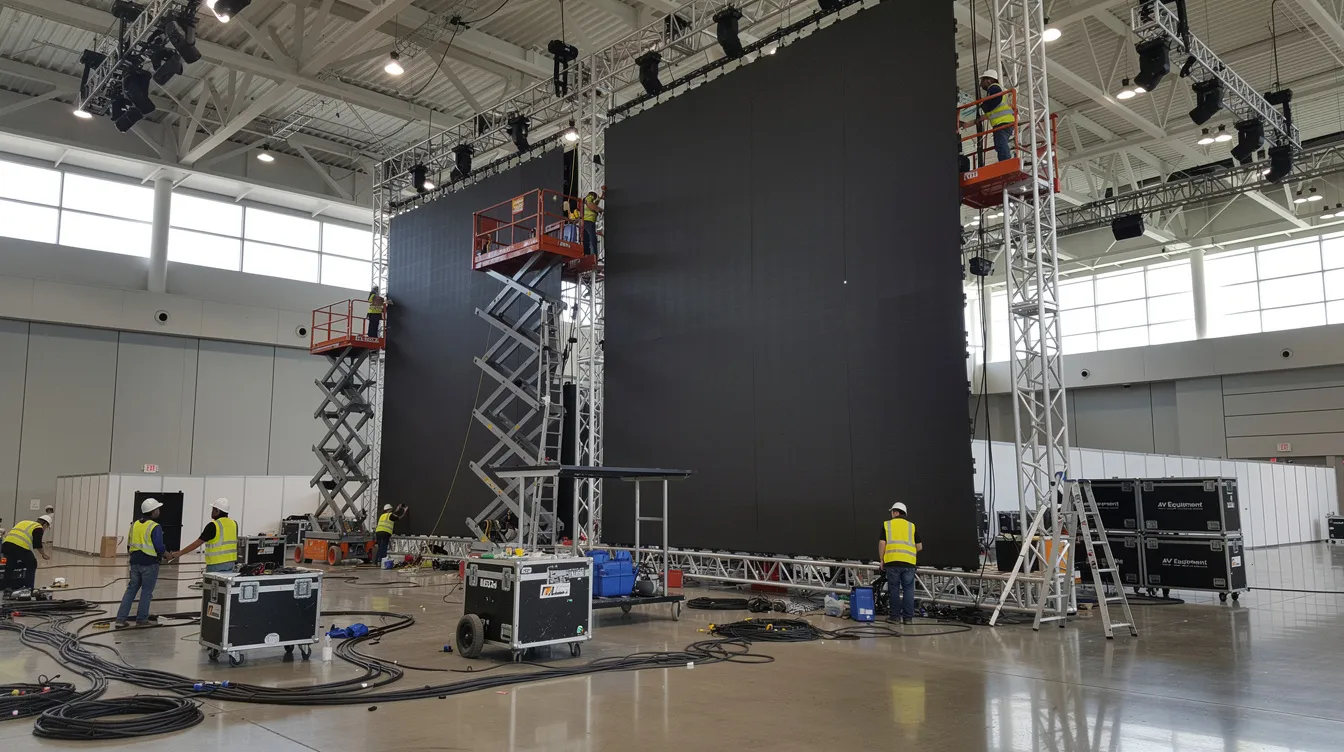
Ground-supported LED wall systems stand on staging, baseplates or truss towers. Flown LED walls are hung from venue rigging points or roof structures using rigging hardware, motors and safety cables.
-
Flown walls require venue-approved rigging plans, certified riggers and detailed load calculations, adding to video wall rental cost
-
Structural engineering may cost $1,000 to $5,000 for heavy installations requiring detailed analysis
-
Permitting may be required for structural and electrical installations-Minneapolis may require specific electrical and structural permits
-
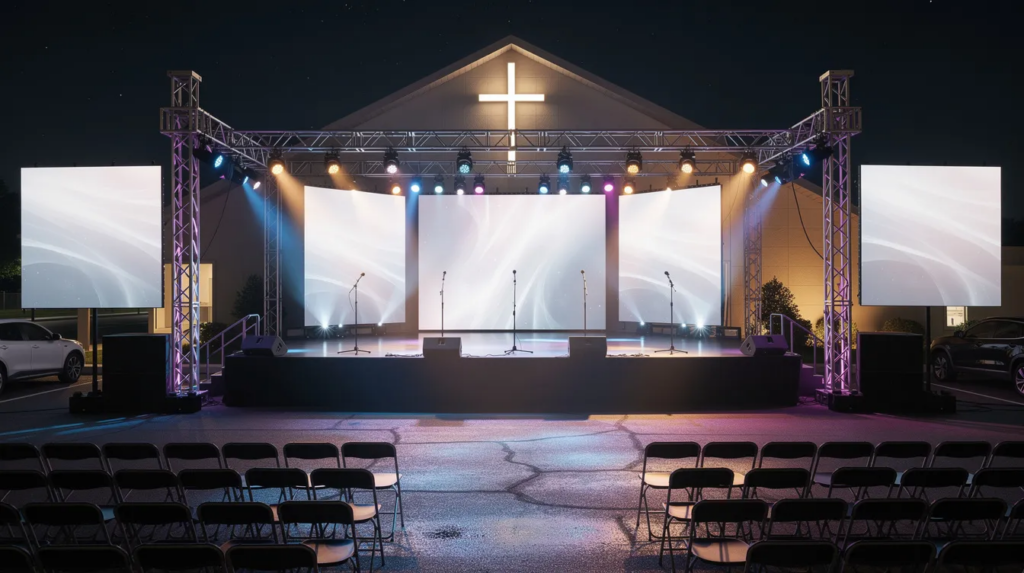
Ground-supported solutions are typically used in ballrooms, flat-floor venues, temporary structures and rooms with lower trim heights
-
Larger LED walls require more robust power distribution and structural support regardless of mounting method
Front Row FX evaluates each venue across Minnesota, Wisconsin, Chicago and the greater Midwest to determine safe rigging options and their cost implications.
Power Distribution, Video Processing and Signal Flow
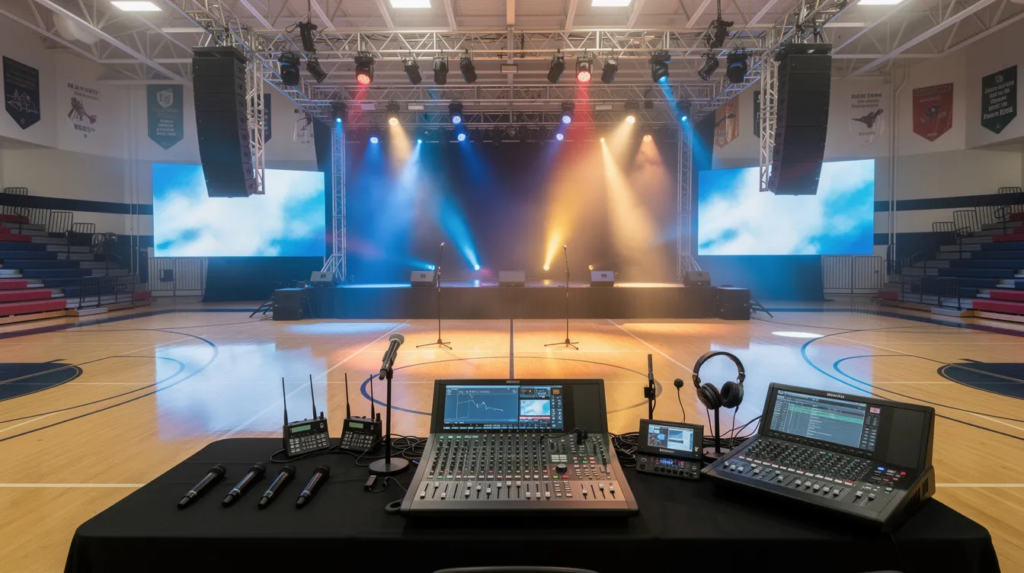
A professional LED wall is part of a complete signal chain. The panels are just one piece of the production puzzle.
-
LED walls consume significant power and may require electrical upgrades-large walls or multiple screens at a conference or concert need careful power planning
-
Video processors and scalers range from $2,000 to $20,000 for LED walls, depending on the number of sources and outputs
-
Video processors, media players and content management systems add to installation costs
-
Calibration and commissioning may cost $500 to $3,000 for LED installations requiring precise color matching
-
Installation may include a mounting structure, electrical work and calibration as part of the total production process
-
Multi-source switching for a conference (slides, cameras, video playback) vs. time-coded video for a concert require different processing architectures
Electrical infrastructure often requires upgrades to accommodate LED walls, particularly in older venues or temporary outdoor sites.
Labor, Setup, Rehearsals, Show Operation and Teardown
Labor is a major part of overall LED wall rental cost and is essential for safety, reliability and professional show execution. Labor costs for LED wall installation can vary significantly based on event complexity and venue constraints.
Typical crew roles include:
-
LED technicians who build and align panels
-
Video engineers managing processors, switching and playback
-
Riggers for flown systems
-
Stagehands for loading, staging and strike
-
Project managers coordinating the full production schedule
-
Show operators running live cues during performances
Event schedule drives labor cost: early load-ins, late strikes, tight turnarounds, multiple show days and extended rehearsals all increase staffing hours. Venue access details-dock access, freight elevators, distance from dock to ballroom, union vs. non-union labor rules-affect time and crew size.
Installing an LED wall typically ranges from $300 to over $3,000 per square meter when accounting for full production labor. Ongoing maintenance typically reserves 5–10% of the original system cost per year for long-term installations, though for event rentals this is built into the rental rate. Share your production schedule and access details early to help build accurate labor estimates.
Pricing Considerations by Event Type: Conferences, Concerts, Galas and Brand Activations
How much does an LED wall cost varies meaningfully by event format because technical and creative needs differ. Here’s how the principal cost drivers play out across common event types:
-
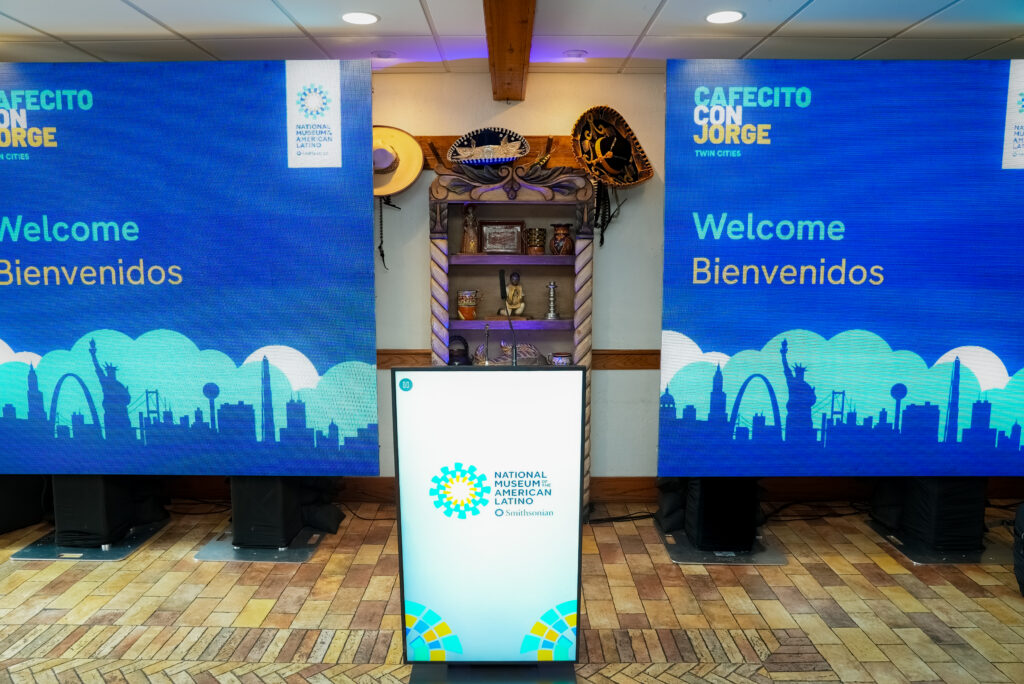
Corporate conferences and meetings: main stage LED wall, side screens, confidence monitors, IMAG, multiple days, rehearsals-resolution and video processing precision drive cost
-
Nonprofit galas and fundraisers: LED backdrops for presentations, fundraising thermometers, sponsor loops, scenic integration-production values are high but schedules may be tighter
-
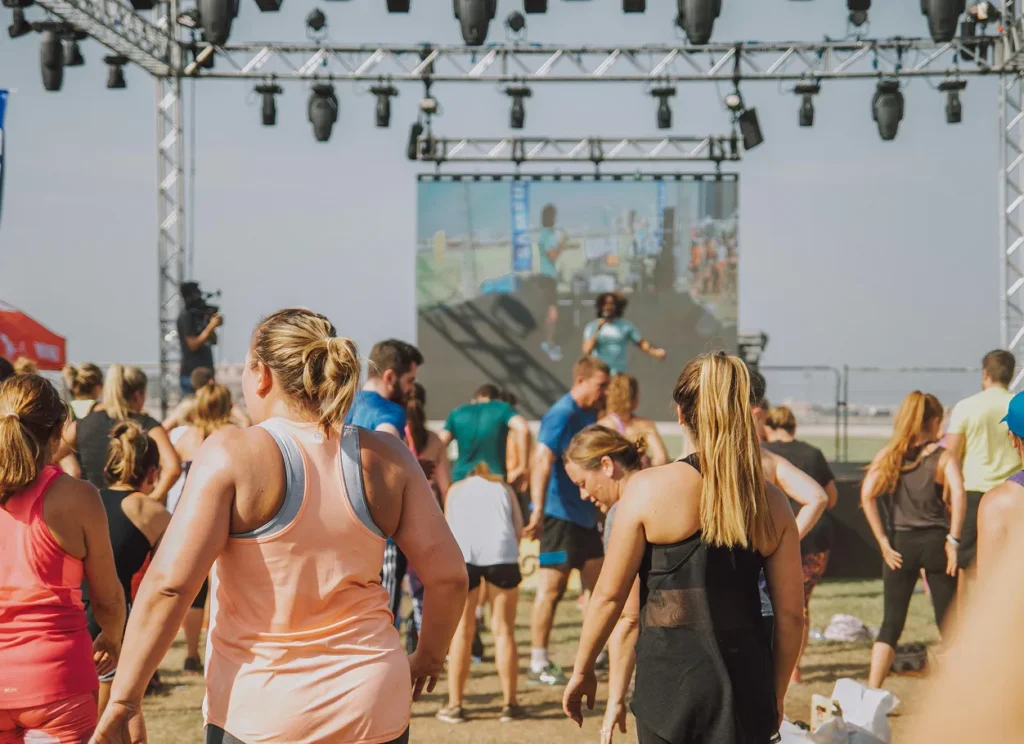
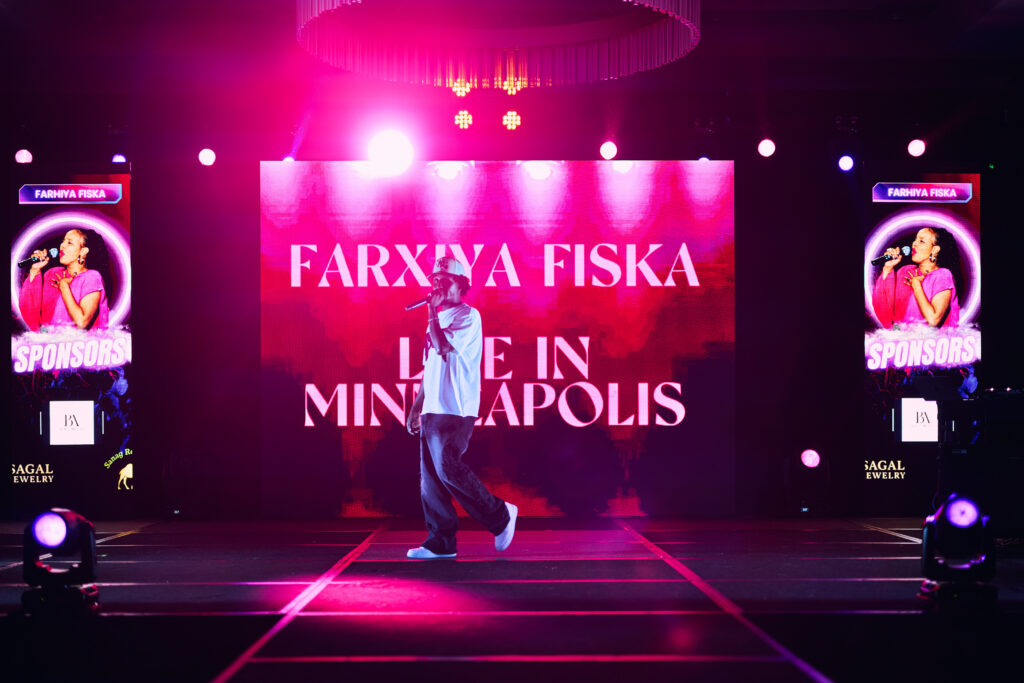
Concerts and festivals: large concert LED screen, side screens, outdoor-rated LED panels, time-coded content, touring needs-size, brightness and rigging dominate the budget
-
Brand activations and experiential events: custom screen layouts, scenic integration, tight timelines, unique venues or pop-ups-nonstandard configurations and short booking windows can increase cost
Front Row FX supports these event types throughout Minnesota and the Midwest with scalable production solutions tailored to each format rather than one-size-fits-all pricing.
What a Professional LED Wall Production Package May Include
A full LED wall package from Front Row FX is a complete production solution, not just a stack of panels dropped at the door. Core inclusions:
-
LED panels and frames configured to the agreed screen size and pixel pitch
-
Supporting structure (ground support or flown hardware) and safety elements
-
LED processors, video switchers and playback systems matched to event needs
-
Cabling, power distribution equipment and signal infrastructure
-
Onsite technicians, engineers and show operators for setup, rehearsals, live cueing and teardown
Optional or situational elements may include camera systems for IMAG, recording feeds, scenic elements around the LED wall, and integration with lighting and audio as part of complete audiovisual production. Proposals itemize these components at a high level so planners understand what is included in their LED wall rental cost.
LED Walls vs. Projectors: When Each Makes Sense
Both LED walls and projection are valid tools. Front Row FX recommends the best fit based on the event and venue.
-
LED walls require only 5–6 feet of depth behind the screen, while projection screens need 24–30 feet of throw distance-a critical distinction in tight rooms
-
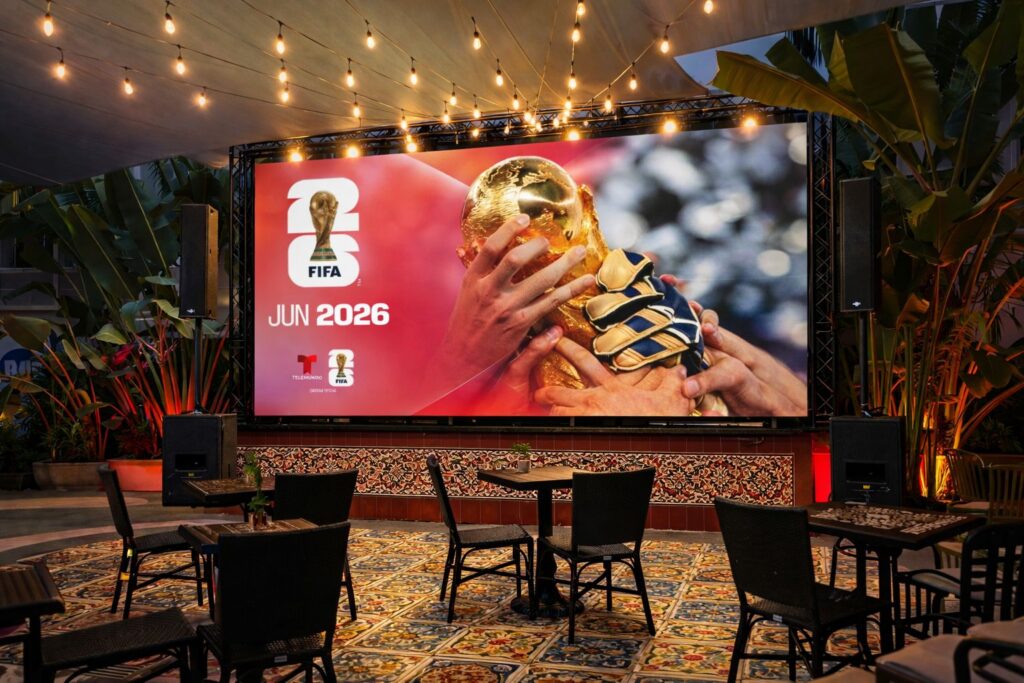
LED walls provide brighter images than traditional projectors and perform well in ambient light, making them the clear choice for outdoor settings or venues with limited light control
-
A projector may be considered for very large single-surface images in fully darkened rooms or budget-sensitive scenarios where image quality requirements are moderate
-
Decision points include room size, ambient light, ceiling height, rigging options, scenic design and content style
Discuss both options early in your planning process so the production team can compare event LED wall cost with projection-based approaches.
Information Needed for an Accurate LED Wall Rental Quote
To answer how much does an LED wall cost for your specific event, Front Row FX needs project details to build an accurate proposal:
-
Event date(s) and full production schedule (load-in, rehearsals, show times, strike)
-
Venue name, address, city (e.g., Minneapolis, St. Paul, Duluth, Madison, Milwaukee, Chicago) and room layout
-
Estimated audience size and typical viewing distances
-
Desired LED wall dimensions or stage design concept, including whether there are multiple screens or a single main video wall
-
Indoor or outdoor location and any known environmental factors (sunlight, weather exposure)
-
Content type and format (PowerPoint/Keynote, video playback formats, camera feeds, live IMAG)
-
Integration needs with other systems (audio, lighting, streaming, recording)
This information allows Front Row FX to engineer the right LED panels, pixel pitch, structure, power, staffing and processing for a precise LED screen rental cost estimate.
Next Steps: Requesting a Production Proposal from Front Row FX
Front Row FX is a full-service audiovisual and LED video wall production company based near Minneapolis, supporting productions throughout Minnesota, Wisconsin, Chicago and the broader Midwest. We don’t cut corners, and we don’t send you a cheap price sheet that leaves out half the production.
To receive a properly scoped proposal, share your event date, venue and city, estimated audience size, desired LED wall dimensions, indoor or outdoor location, content format, production schedule and any special requirements. Whether you need conference AV production or concert production and tour support, accurate planning starts with a conversation about your specific event.