LED Wall Rigging: What Event Planners Need to Know
What “LED Wall Rigging” Means
LED wall rigging is the engineered system used to suspend, support, stabilize and secure an LED wall or LED display for live events. It includes the structural frame, mounting hardware, safety measures and the procedures that hold everything together from load-in through strike.
The correct rigging method depends on the total weight of the complete LED video wall system, screen dimensions, venue structure, available rigging points, environmental conditions, and manufacturer documentation. LED walls can weigh up to 5,000 pounds, so none of these variables are optional. Rigging must be performed by qualified personnel on every project, regardless of support method.
This article covers what planners need to ask, who to involve, and what documentation to require. It is not a do-it-yourself rigging or ballast-calculation guide. The sections below compare four main support types: ground supported LED walls, flown LED walls, freestanding or ballasted structures, and mobile LED trailers.
Front Row FX provides LED screen wall production and complete audiovisual production across Minnesota, Wisconsin, Illinois and Georgia, working with qualified rigging and engineering resources so planners are not left making structural decisions alone.
Ground-Supported vs. Flown LED Walls: Core Options and Tradeoffs
Two support methods account for the majority of LED wall installations at corporate events, concerts and conferences. Each carries distinct planning tradeoffs.
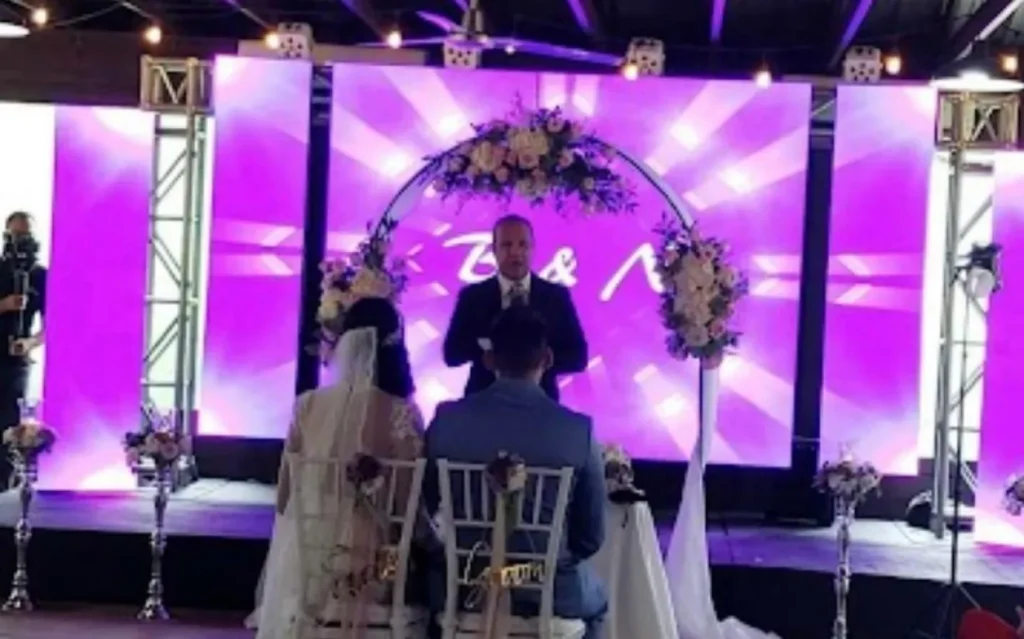
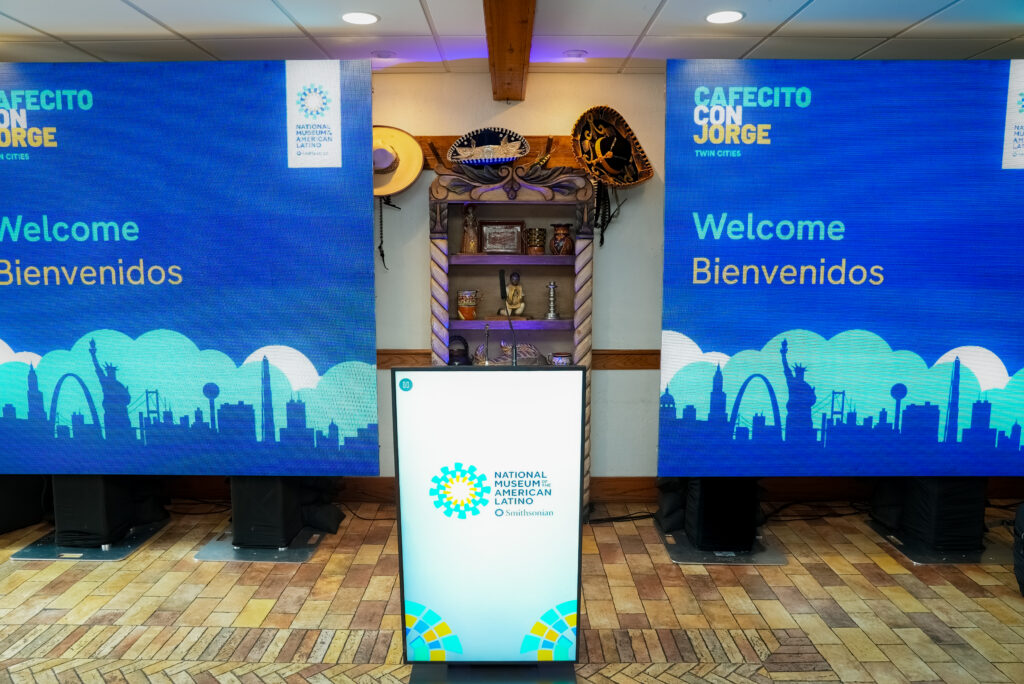
A ground supported LED wall transfers the entire system load to the floor or ground through engineered frames, bases, or a ground stack system. Ground support is preferred for quick setups and temporary installations and is versatile for various events, from trade shows to ballroom stages. The tradeoff: ground-supported installations need significant floor space behind the wall, typically 4 to 8 feet of depth for rear bracing and technician access. Floor loading must be verified, and taller builds may require ballast.
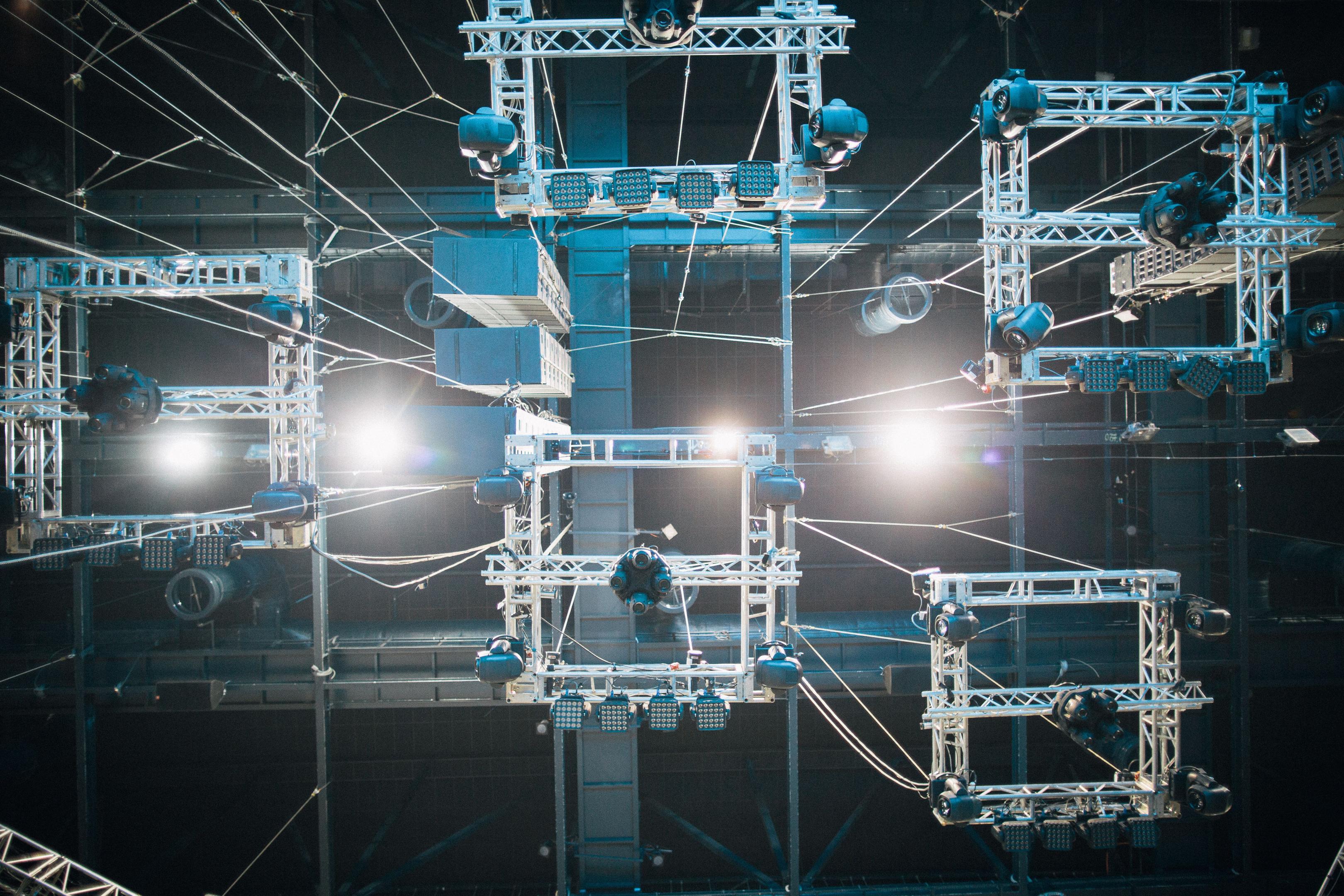
A flown LED wall is different in almost every respect. Flown LED panels are suspended from overhead rigging systems using rated hardware and, often, chain hoists or motors. Flying installations maximize floor space but require ceiling support with documented load capacity at each attachment point. Sightlines improve because the screen can be positioned higher, but approvals for rigging points, trim heights, and total weight must be confirmed before anything leaves the warehouse.
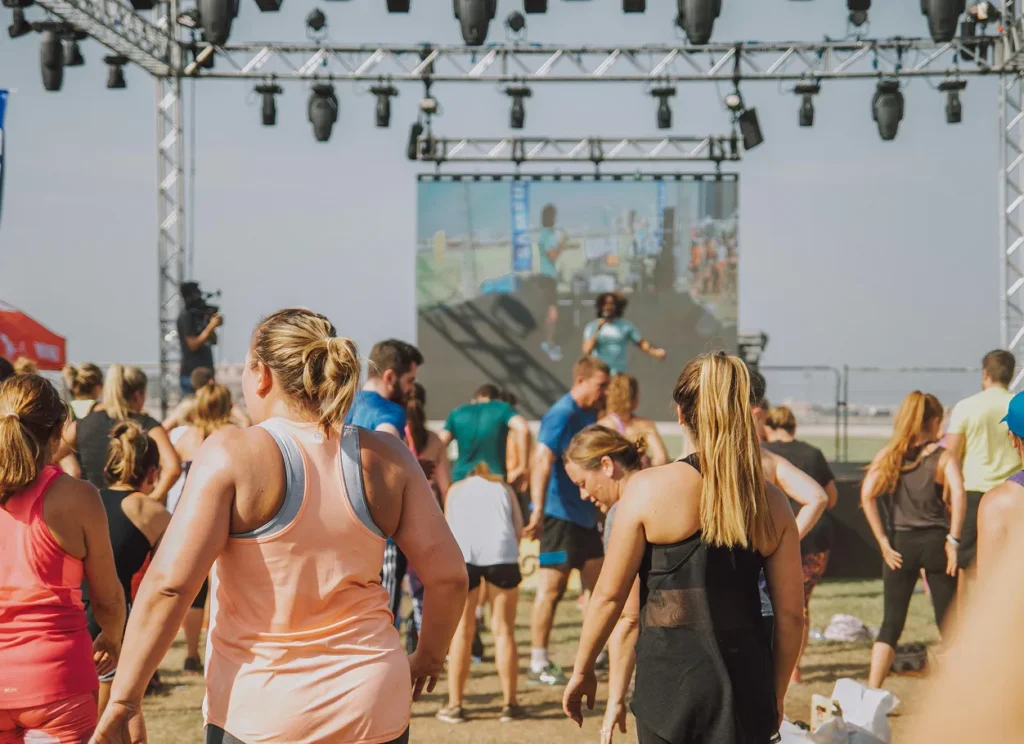
Freestanding or ballasted LED wall structures serve outdoor or open spaces where no building structure exists. Mobile LED trailers use an integrated support system but still require suitable ground conditions, positioning, clearance from overhead utilities, and a weather plan. None of these options is automatically safe; each requires LED wall structural support to be evaluated for the specific event.
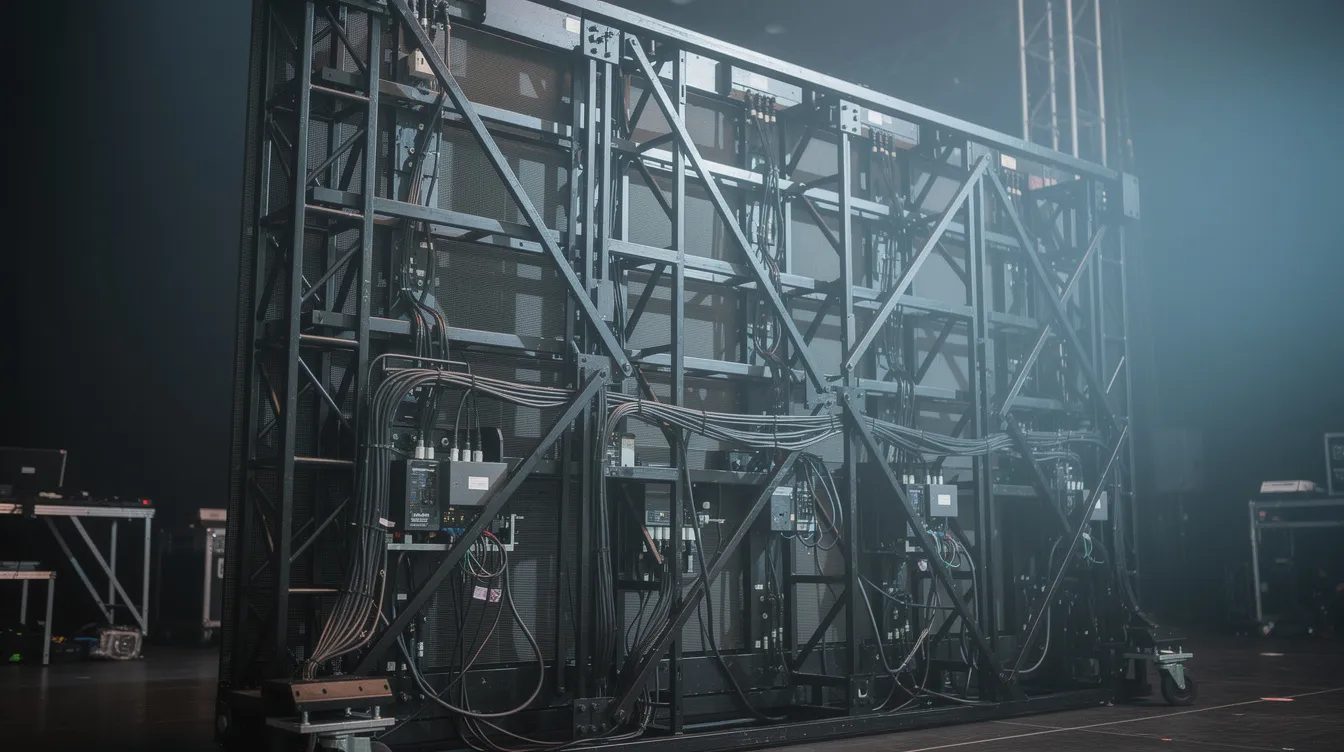
Support Methods Compared: Ground-Supported, Flown, Ballasted and Mobile
The table below summarizes how each method fits different venues and events. Ground-stacked displays require stabilizers for support; flown systems depend on overhead rigging capacity; ballasted and mobile builds have their own site requirements.
|
Support Method |
Typical Applications |
Principal Advantage |
Venue / Site Requirements |
Primary Planning Consideration |
|---|---|---|---|---|
|
Ground-supported |
Corporate conferences, trade shows, ballroom stages |
No overhead rigging points required |
Floor loading capacity; 4–8 ft rear clearance; level surface; potential ballast |
Full system weight assessment; base frame design; access lanes |
|
Flown |
Concerts, arenas, theaters, large corporate events |
Saves floor space; flexible screen height |
Documented rigging points; point load data; trim height; qualified riggers |
Rigging plan approval; total weight including motors and truss |
|
Freestanding / Ballasted |
Outdoor festivals, temporary stages, brand activations |
Independent of building structure |
Engineered frame; soil or ground bearing; wind and weather plan |
Calculated LED wall ballast; structural engineer input; local permits |
|
Mobile LED trailer |
Street festivals, sports viewing, roadshows |
Integrated structure; faster deployment |
Level ground; overhead clearance; accessible load-in path |
Site grade limits; road permits; power routing |
The choice should align with event goals, venue constraints and engineering review, not preference alone.
Total System Weight: Why It Drives LED Wall Rigging Requirements
LED panels are only one component of total weight. Frames, hanging or stacking hardware, truss, bumper bars (which provide rigging points for LED panel arrays), chain hoists, cabling, processing racks mounted on the structure, and any attached scenic or lighting elements all contribute. LED panels are remarkably heavy and act as large wind surfaces, which compounds the structural challenge outdoors.
A typical 20×12 foot LED wall weighs 3,500 to 4,500 pounds in panels alone. Add 15 to 20 percent to panel weight for hardware and cables, and the total climbs further. Total weight calculation includes panels, hardware, and cables; omitting any component can lead to an undersized support structure. Chain hoists typically have capacities from 1/2-ton to 2-ton, so even the hoist selection depends on an accurate weight figure.
Manufacturers publish LED panel weights and hanging or stacking system data. ESTA’s published standards, including ANSI E1.2 for aluminum trusses and towers and ANSI E1.21 for temporary outdoor structures, inform how professionals design structures for these loads. Planners should never specify hardware size, ballast quantity or load limits themselves. Instead, ensure that rigging, structural and equipment professionals have complete weight information early. Front Row FX helps compile realistic total system weights for proposed LED video wall designs before approaching venues or engineers.
Venue Rigging Points, Structural Capacity and Floor / Ground Conditions
Overhead rigging and floor or ground capacity are separate constraints, and both must be confirmed. A flown LED video wall cannot be attached to any convenient-looking beam or ceiling member. The venue or a qualified structural and rigging professional must confirm which rigging points can be used and at what loads. Inspect the venue’s overhead rigging points to ensure compliance with load limits before any planning progresses. Flying installations need proper load calculations for safety; skipping this step is dangerous.
Venues typically provide rigging plots or load tables indicating allowable loads at specific points. For ground supported and ground stack systems, floor loading and ground bearing capacity must be checked. Ballroom stages, ice arenas, turf fields and outdoor lawns all behave differently under concentrated loads. Verify the venue’s load capacity and safety clearances before setup. Local guidelines may require structural sign-offs for heavy setups in Minneapolis and other metro areas.
Planners should gather venue information early: ceiling height, known rigging points, floor type, access routes, dock and door sizes, and any existing rigging or floor-loading policies. OSHA 1926.251 requires rigging equipment to be inspected before each use and loaded only within rated capacities, reinforcing the need for properly rated gear, though OSHA alone does not define every aspect of entertainment rigging practice. Front Row FX coordinates with house riggers, venue management and, when needed, independent engineers to align LED wall rigging with the building’s capabilities in markets like Minneapolis, St. Paul, Wisconsin, Chicago and Atlanta.
Support Structures: Truss, Frames, Bases, Ground Support and Ballast
An LED screen truss spans between rigging points or towers for flown LED walls. Its capacity and configuration must follow manufacturer documentation and relevant standards such as ANSI E1.2. The span, chord strength, and joint integrity of the truss all affect how much weight it can carry and over what distance.
For a ground supported LED wall, stacking or ground support frames, base truss, base plates, rear braces and outriggers control tipping and distribute loads. LED displays can also be wall-mounted for seamless integration in permanent or semi-permanent venues.
Ballast is added weight, for example concrete, steel or water, used in engineered quantities to keep a freestanding or ground supported LED wall from sliding or overturning. Ground support requires ballast of 50 to 100 percent of wall weight, depending on height, wind exposure, support geometry and configuration. Even indoor ground support systems can require ballast depending on design. ROE Visual’s hanging and stacking systems illustrate this principle: professional LED walls require compatible manufacturer accessories and configuration-specific ballast evaluation, not improvised hardware.
Certified rigging hardware must adhere to entertainment industry standards. Rigging hardware must support a minimum 5:1 safety factor. Shackles must show stamped Working Load Limit ratings. Bridle angles should never exceed 45 degrees from vertical; at 30 degrees, loads increase by 15 percent due to bridle angles. Bumper bars provide rigging points for LED panel arrays in both flown and stacked configurations. Planners should expect to see drawings and documentation for support structures and ballast, and should not approve ad-hoc weight choices such as “a few extra sandbags.”
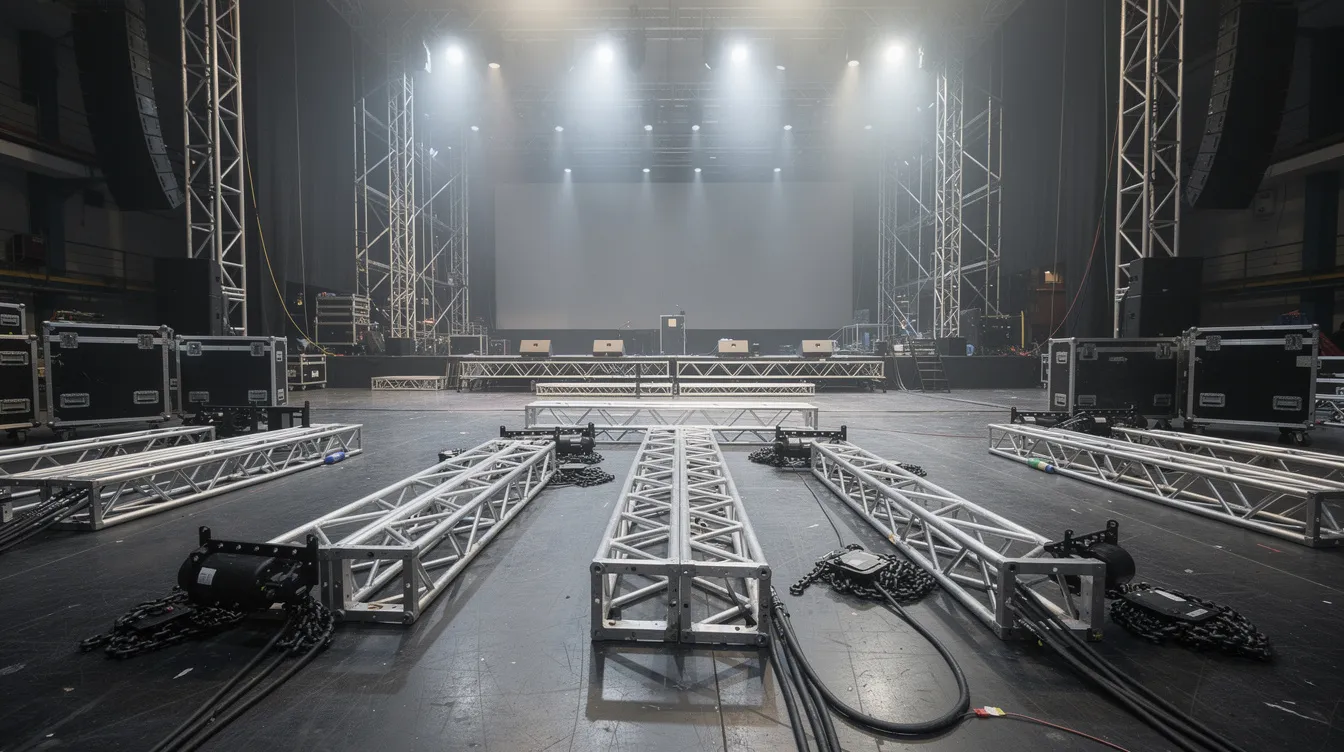
Indoor vs. Outdoor: Structural, Weather and Safety Considerations
Indoor LED walls eliminate wind and rain loads but introduce their own constraints: ceiling heights, rigging grid capacity, sprinkler and life-safety clearances, floor loading, egress routes behind the video wall, and coordination with other production elements sharing the same space. LED walls generate substantial heat requiring adequate ventilation, which matters in enclosed ballrooms and theaters. Perform static load tests and dynamic simulations before live operation to confirm the assembly behaves as designed.
Outdoor LED walls and outdoor LED screens face additional structural demands. Wind loading, rain and moisture protection for power and data connections, ground softness, and movement of the structure on uneven terrain all require engineering attention. ANSI E1.21 and related ESTA documents address temporary outdoor entertainment structures, helping engineers and riggers define minimum design criteria for towers, roofs and ground supported systems. The American Meteorological Society’s weather safety statement supports the need for a formal weather plan at public outdoor gatherings, including defined responsibilities, monitoring and response triggers for high winds, lightning and severe weather.
A ballasted or mobile LED wall may need to be lowered, retracted, or powered down at specific conditions defined by the manufacturer and project engineering. Planners must know who is authorized to make that call during the event. Universal “safe wind limits” cannot be given in an article; actual limits must come from manufacturer manuals and project-specific engineering documentation.
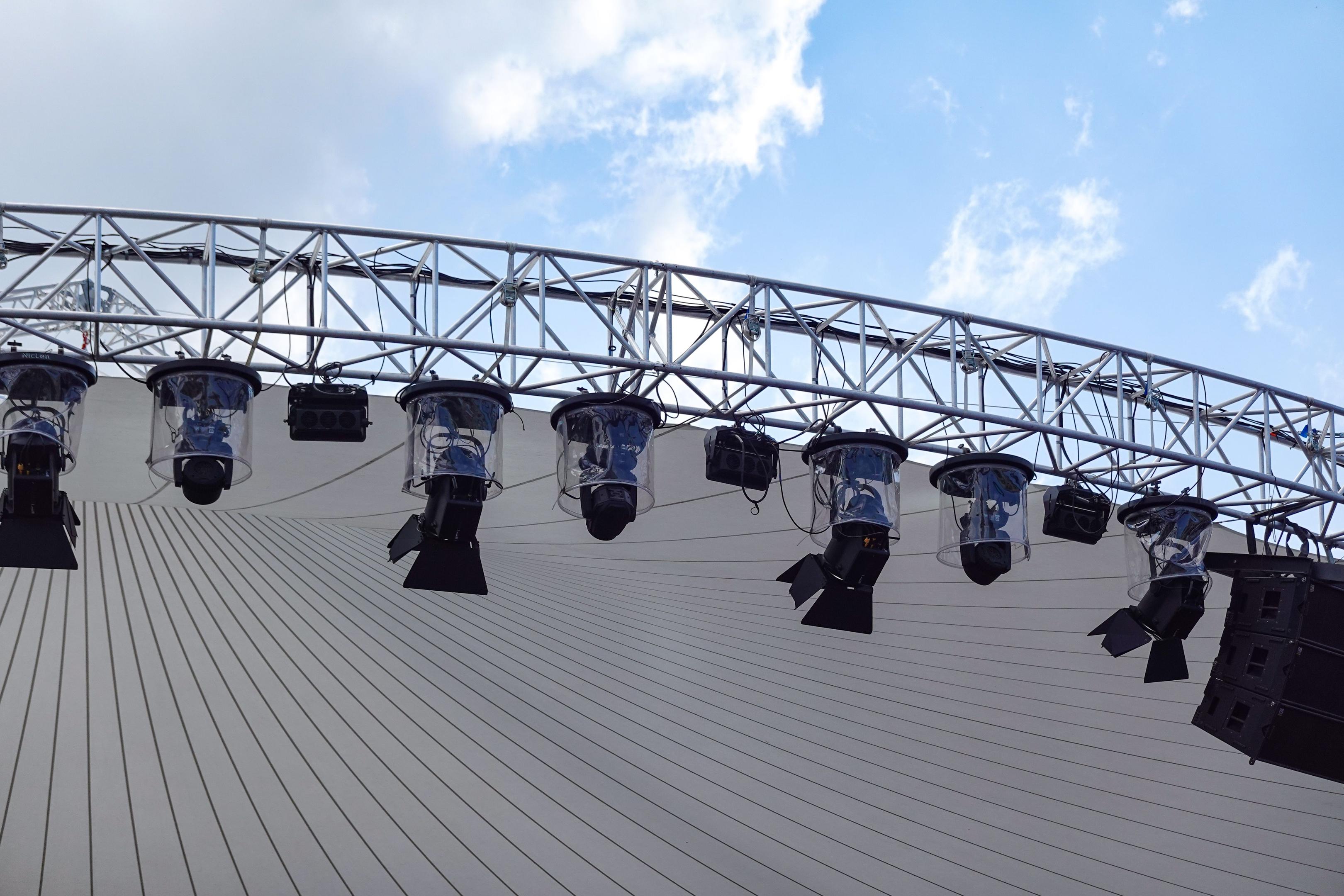
Cable Management, Power, Access and Operational Safety Around the LED Wall
Rigging is more than holding the screen up. It also means maintaining safe surroundings for crew and audience. Cable management is crucial to avoid interference and maintain safety. Power and signal cables for LED walls and processors must be routed so they do not create trip hazards, stress connectors, or block egress paths. Power distribution must be mapped to prevent voltage drops across the system.
Technicians need safe access behind and beside the LED wall to service LED panels, power supplies and cabling. Wall-mounted displays provide front access for maintenance, but ground-supported and stacked configurations need rear clearance lanes. Planners should account for that space instead of placing the screen hard against walls or audience barriers.
Flown LED video walls may require exclusion zones below the structure during load-in and load-out, plus fall-protection systems for riggers working at height in line with standards such as ANSI E1.39. Prior to opening, check every connection and verify the wall is mechanically secure. Maintain a clear emergency plan covering potential rigging failures. Front Row FX’s onsite technicians coordinate power distribution, cable runs, and access planning as part of LED screen wall production and broader concert production and tour support.
Coordination, Documentation and Qualified Personnel
Planners are not expected to be the structural engineer. They are responsible for assembling the right team and information. Professional LED wall installation relies on collaboration between the production provider, venue, rigging vendor, and when appropriate, a structural engineer.
Venues and authorities may request: a rigging plot, total weight and anticipated point loads, support-structure drawings, a ballast plan for ground supported walls, and proof that equipment follows manufacturer instructions. Maintain current rigging documentation to ensure safety and compliance throughout the event lifecycle. The Event Safety Alliance notes that laws and regulations set only minimum legal requirements; voluntary, peer-reviewed consensus standards and documented safety planning fill the remaining gaps.
Certified riggers are essential for overseeing proper setup and safety checks. A minimum 5:1 safety factor applies to LED wall rigging hardware. Front Row FX is not acting as the event’s structural engineer of record. We serve as a production partner that helps organize required information, work with house riggers and connect planners with the appropriate technical experts for corporate event production and large-scale live events.
What Planners Should Provide to Get a Safe, Realistic Recommendation
Before requesting LED wall rigging options, gather the following: event date(s), city and venue name, whether the setup is indoor or outdoor, approximate LED wall size and aspect ratio, and desired screen locations on your stage or site plan.
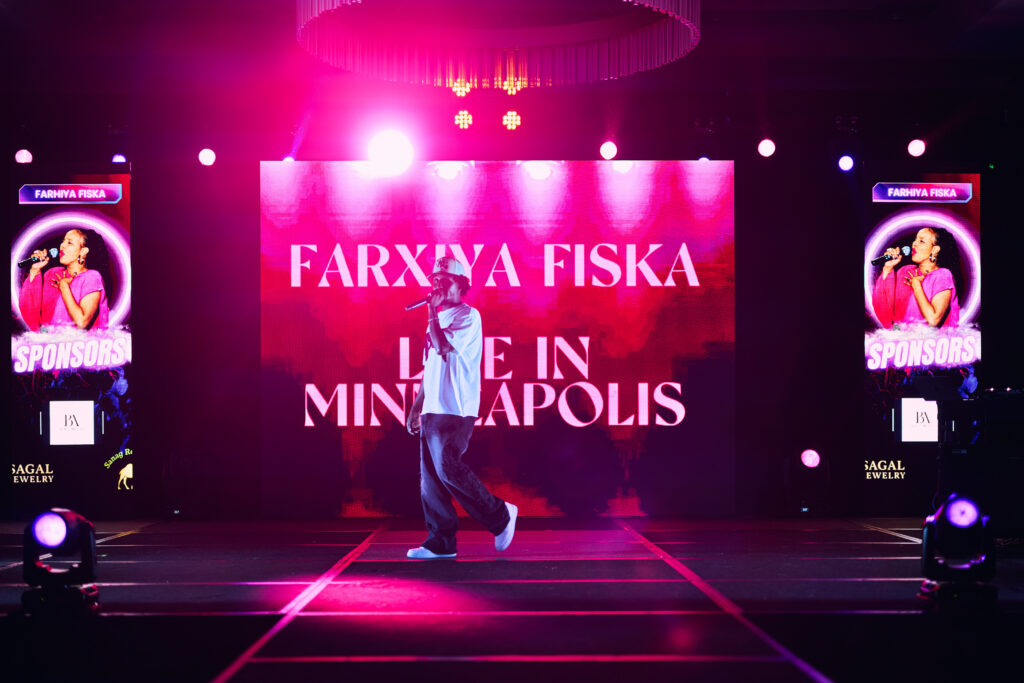
Content and use matter too. Whether the screen will carry IMAG, presentations, LED video backgrounds, live camera feeds, or sponsor loops can influence screen height, width, resolution and, ultimately, system weight.
Collect venue documentation where possible: rigging plots, ceiling heights, known load limits, floor construction, and any published ground support or “no-rig” zones. Note the floor or ground conditions near the proposed LED wall location: concrete slab, ballroom with raised stage, temporary deck, turf, asphalt, gravel, or lawn.
Share the broader production picture: lighting positions, audio hangs, scenic elements, and paths of travel for equipment and crew. This allows LED wall structural support to be integrated rather than competing for the same rigging points or floor space. Front Row FX uses this information to propose appropriate LED wall configurations, coordinate with venues across Minnesota, Wisconsin, Illinois and Georgia, and bring in rigging and engineering resources as needed.
Quick Planning Checklist and FAQ
Planning checklist:
-
Confirm event date, location and venue
-
Define LED video wall purpose and approximate size
-
Identify indoor vs. outdoor setup
-
Collect rigging plots and floor or ground information from the venue
-
Determine whether ground supported, flown, ballasted or mobile options are feasible at the site
-
Confirm who at the venue approves video wall rigging plans
-
Plan for weather monitoring (outdoors) and access around the wall
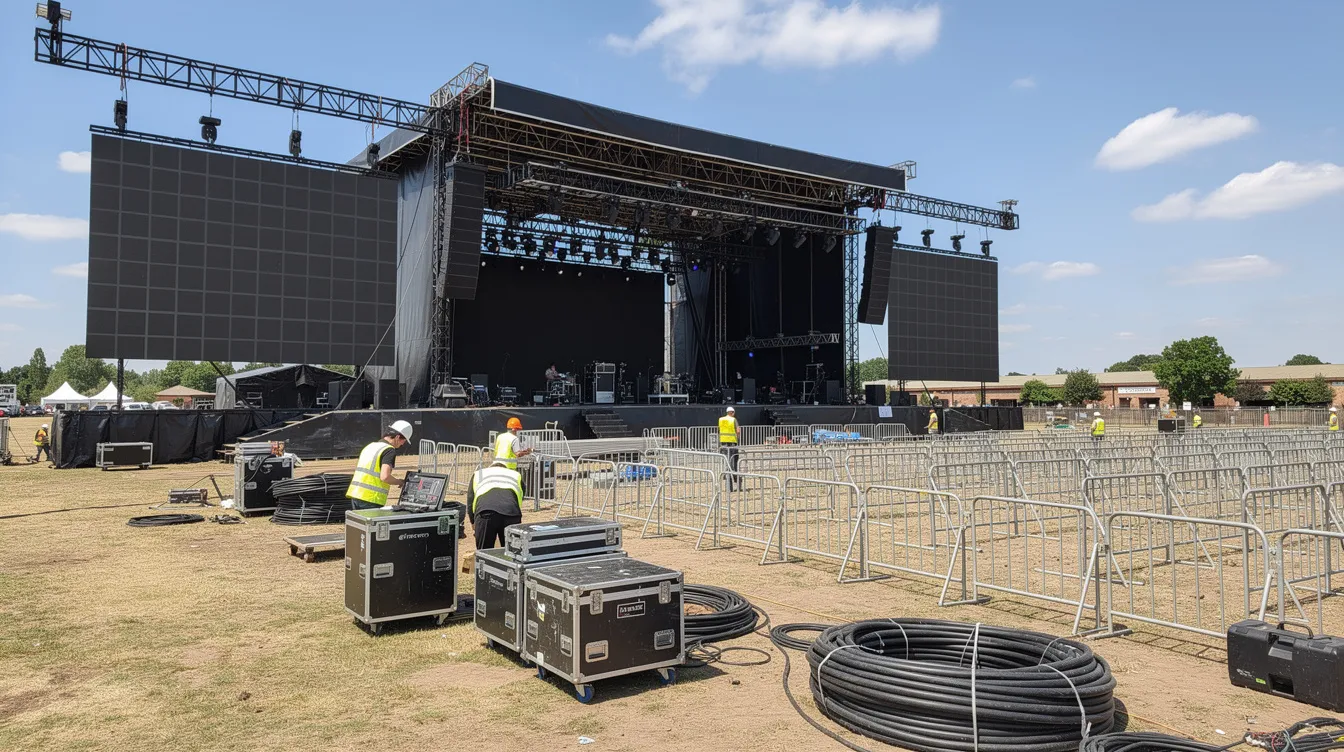
Next Steps: Coordinate Your LED Wall Rigging Plan with Front Row FX
Safe LED wall rigging is an engineered process shaped by screen size, total weight, venue structure, ground conditions and weather. Planners’ primary role is to assemble accurate information and qualified partners, then let the technical professionals do what they do best.
Contact Front Row FX with your event date, location, venue, indoor or outdoor environment, desired LED wall dimensions, stage layout, proposed screen positions, available rigging information, floor or ground description, and production schedule. With this information, we can recommend whether a ground supported LED wall, flown LED video wall, ballasted structure or mobile solution is appropriate, and coordinate with venues, riggers and engineers to document a responsible approach.
Explore our LED screen wall production, concert production and tour support, or full event production services for more on how we work. Collaboration, safety and clear communication form the foundation of successful video wall rigging for corporate events, galas, festivals and concerts.