LED Wall vs. Projector for Events: Which Is the Better Option?
Choosing between an LED wall and a projector is one of the first display decisions any event planner faces. The answer depends on your venue, your content, your audience and your budget – not on a single technology being universally superior.
LED Wall vs. Projector: The Quick Answer for Event Planners
Neither an LED wall nor a projector is always the better option. The right choice depends on ambient light, audience size, viewing distance, venue layout, content type and budget.
Projectors can be the stronger pick in dark, controlled indoor rooms with enough throw distance and a suitable projection screen surface. They produce very large images economically in those controlled settings. LED walls are generally the better option when brightness, flexible size, high-impact visuals, outdoor use or irregular screen shapes are priorities. LED walls are ideal for high-visibility outdoor events where projectors simply cannot compete.
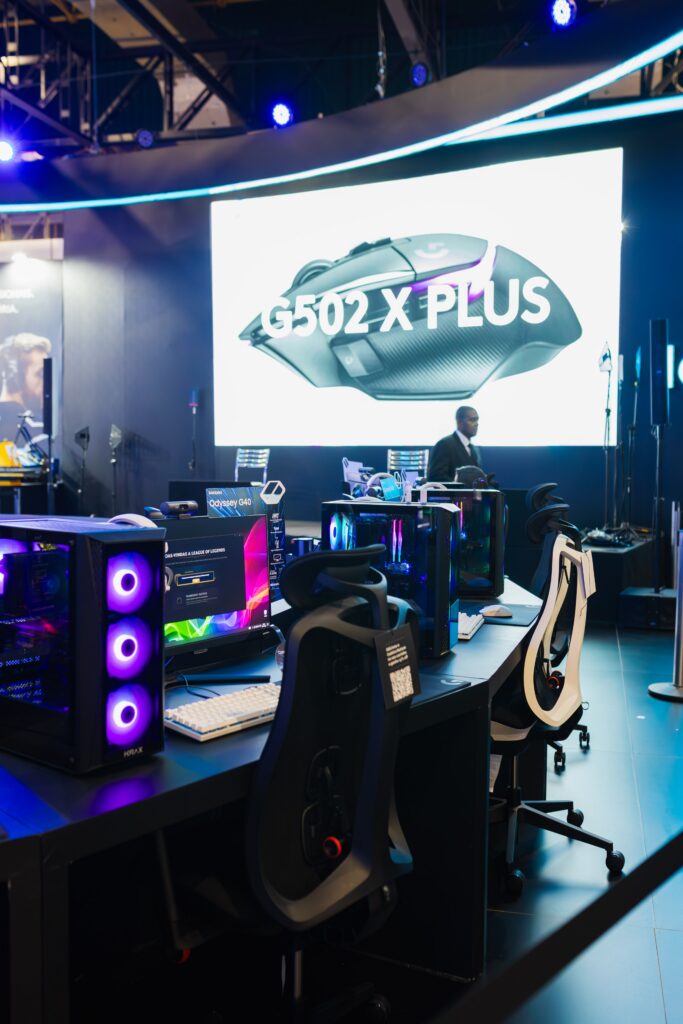
Typical projector wins: ballrooms with lighting control, classroom-style presentations, single front screen, tight budgets. Typical LED wall wins: trade shows, outdoor concerts, bright expo halls, arena shows, product launches, corporate events, galas, etc.
Front Row FX helps clients in Minneapolis, St. Paul, Minnesota, Wisconsin, Chicago and the broader Midwest choose the right large display as part of complete audiovisual production – not just an equipment rental decision.
How LED Walls and Projectors Produce an Image
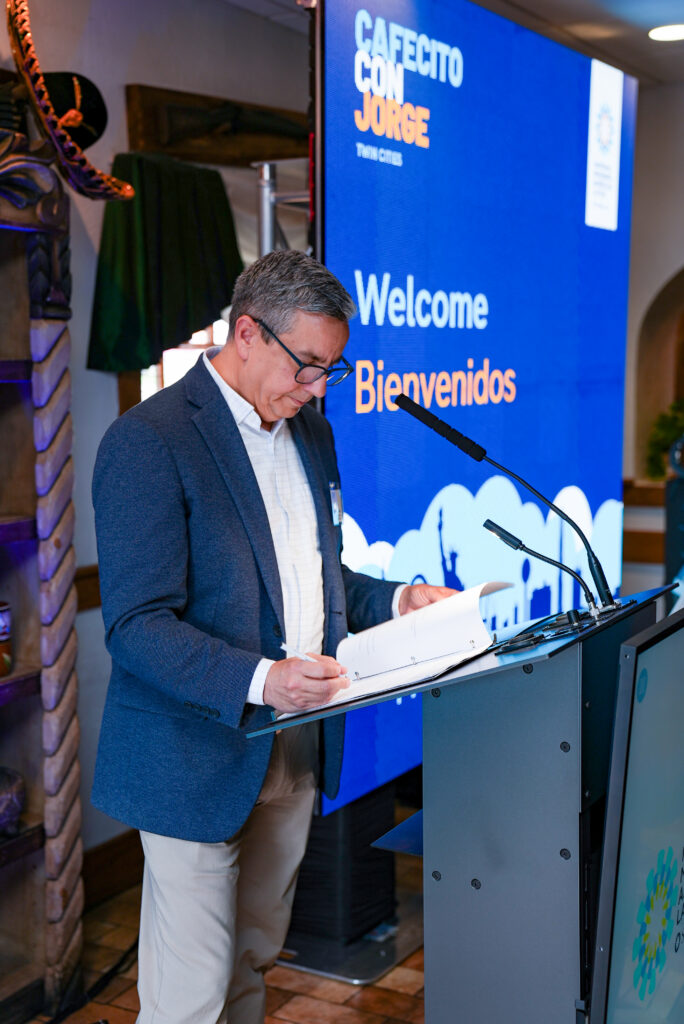
An LED video wall is made of individual LED panels that lock together into a seamless surface. Each pixel contains red, green and blue LED emitters that produce direct light – no external light source or screen required. LED walls are modular, allowing seamless scaling without losing sharpness, and LED displays generally generate higher resolution images than projectors at equivalent sizes.
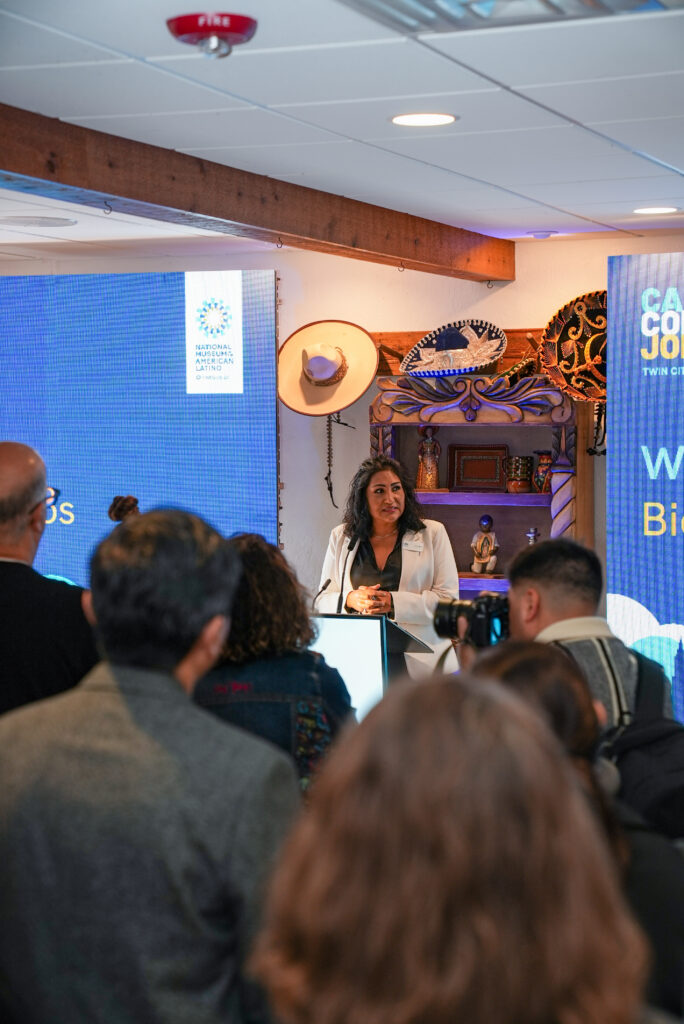
A large projector works differently. A light source inside the small device sends an image through a lens onto a projection screen or flat surface, where reflected light reaches the audience. Projectors have a fixed native resolution that is scaled to the chosen image size, and the projected image quality depends heavily on screen material and room conditions.
Both technologies can support HD and 4K conference video display, but they differ in how they maintain clarity at very large sizes.
Brightness, Ambient Light and Image Contrast
Brightness and ambient light are often the deciding factor in any LED wall vs projector comparison for events. Projectors are sensitive to room lighting, and that sensitivity directly affects display quality.
-
LED video walls offer thousands of nits of brightness – typically 800–1,500 nits indoors and 4,500–8,000+ nits for outdoor LED screens. They maintain vibrant visuals regardless of ambient light, performing well under stage lighting, expo hall lighting and natural light from windows.
-
Many projectors deliver 5,000–10,000 lumens for event use, with high-end laser models reaching 20,000+. However, projectors struggle in bright environments, leading to washed-out images. Projectors require controlled lighting – including blackout curtains when possible – to maintain image quality.
-
LED walls produce deep blacks and vivid contrast because individual pixels can turn off completely. Projector displays cannot achieve true black; the screen surface and room light limit contrast.
-
LED video walls provide better color accuracy and uniformity across the display, especially in well lit environments. High ambient light requires LED walls to maintain visual impact.
In a dark, controlled ballroom, a quality large projector can still deliver sharp images and be the better option over an overspecified LED wall. Front Row FX routinely evaluates ambient light in Minneapolis hotels, convention centers and Midwest venues before recommending either technology.
Image Size, Resolution and Viewing Distance
Large display size, higher resolution and viewing distance determine whether your audience can read slide decks, see camera shots and appreciate branded motion graphics.
-
LED video walls scale by adding LED panels while maintaining fixed pixel pitch. Closer viewing needs finer pixel pitch: the rule of thumb is minimum viewing distance (in feet) ≈ pixel pitch (in mm) × 3.
-
A large projector can create a very large image if throw distance allows, but effective resolution is limited by the projector’s native spec and the quality of the projection screen.
-
For large venues, LED walls maintain image integrity from all seats. LED walls offer consistent image quality across wider viewing angles – often 160° or more horizontally – while projectors tend to dim for viewers seated off-axis.
-
For a 500-person sales conference, a 16:9 LED wall at 3–4 mm pixel pitch preserves text clarity for back rows 60–80 feet away. For breakout conference rooms of 100 people, a large projector screen at 12–16 feet wide is often the more practical and cost-effective choice.
Indoor vs. Outdoor Performance
This section focuses on temporary event use: festivals, outdoor concerts, corporate activations and seasonal gatherings.
-
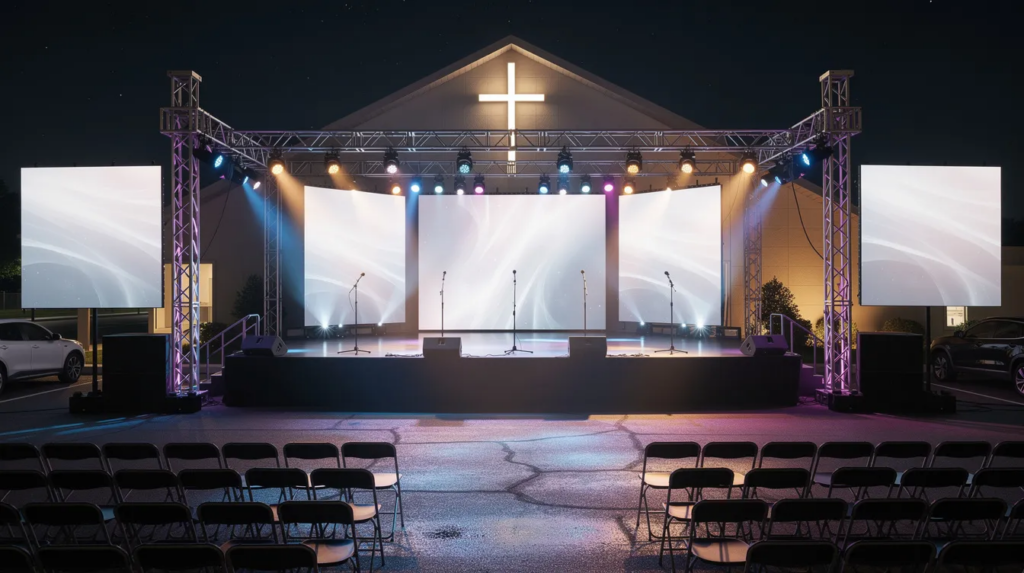
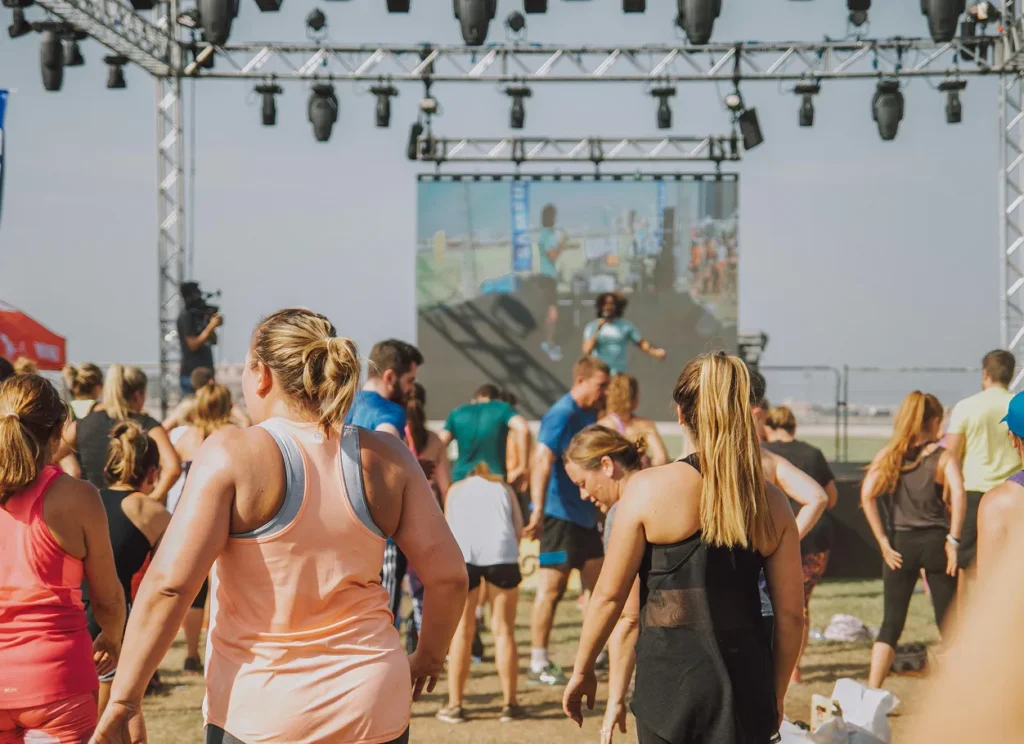
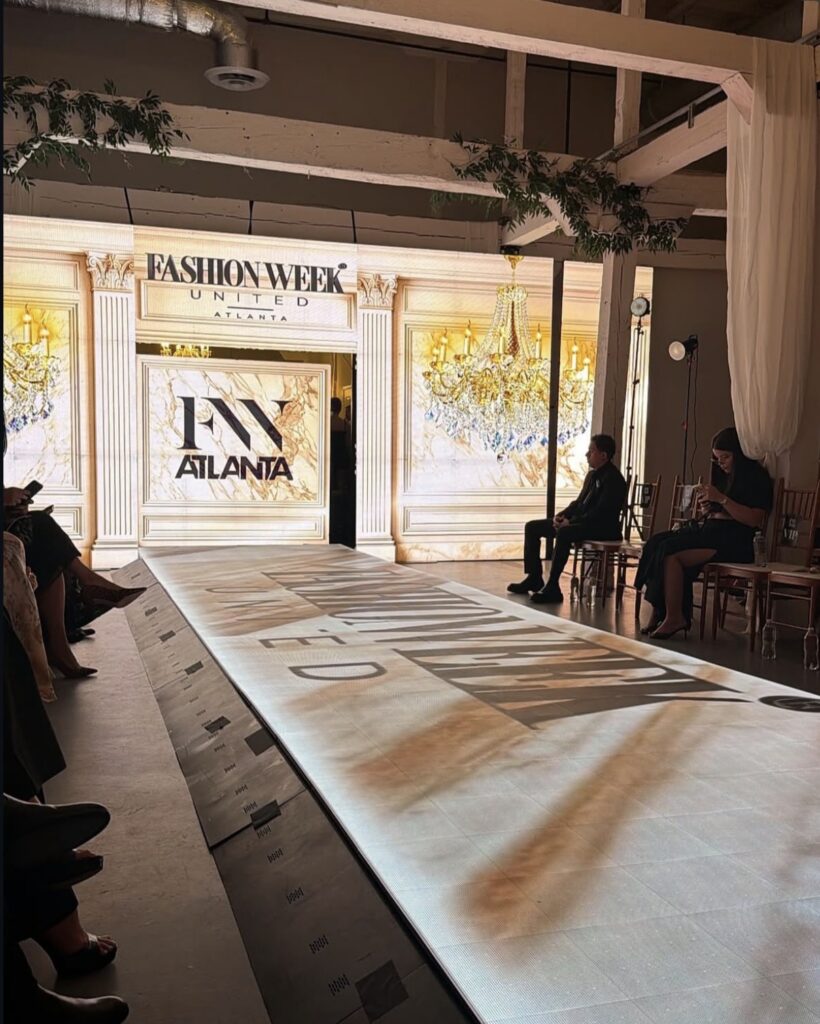
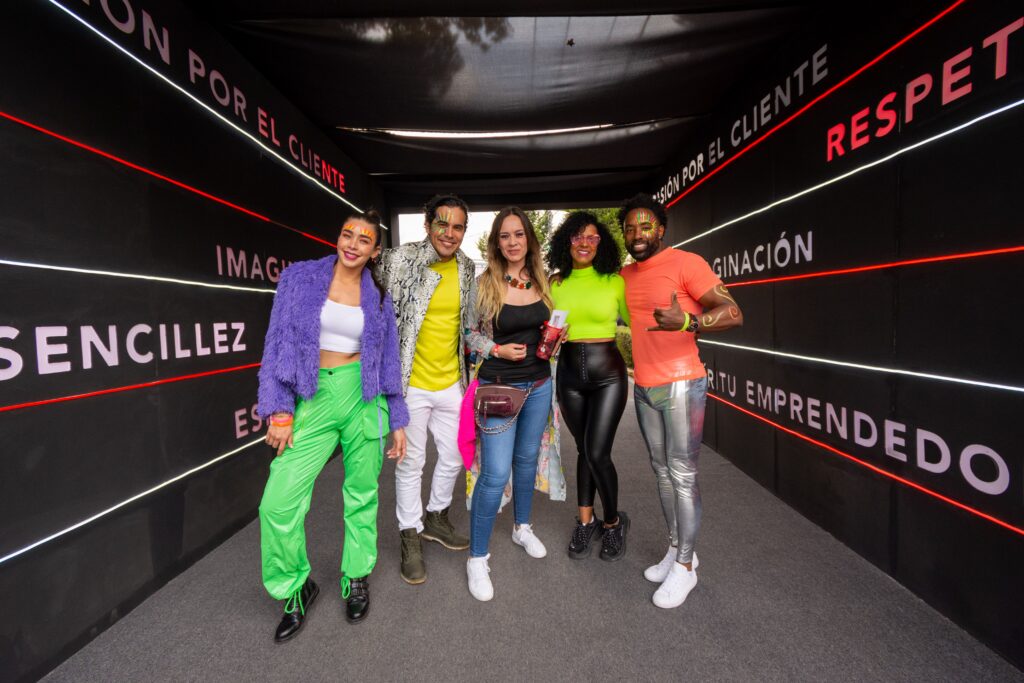
LED screens dominate outdoors. Their high brightness, weather-rated cabinets and independence from projection surfaces make them the clear choice for any outdoor LED screen application.
-
Projectors outdoors face severe limitations: washed-out images in daylight, large tensioned screens vulnerable to wind, and high sensitivity to ambient light from nearby sources.
-
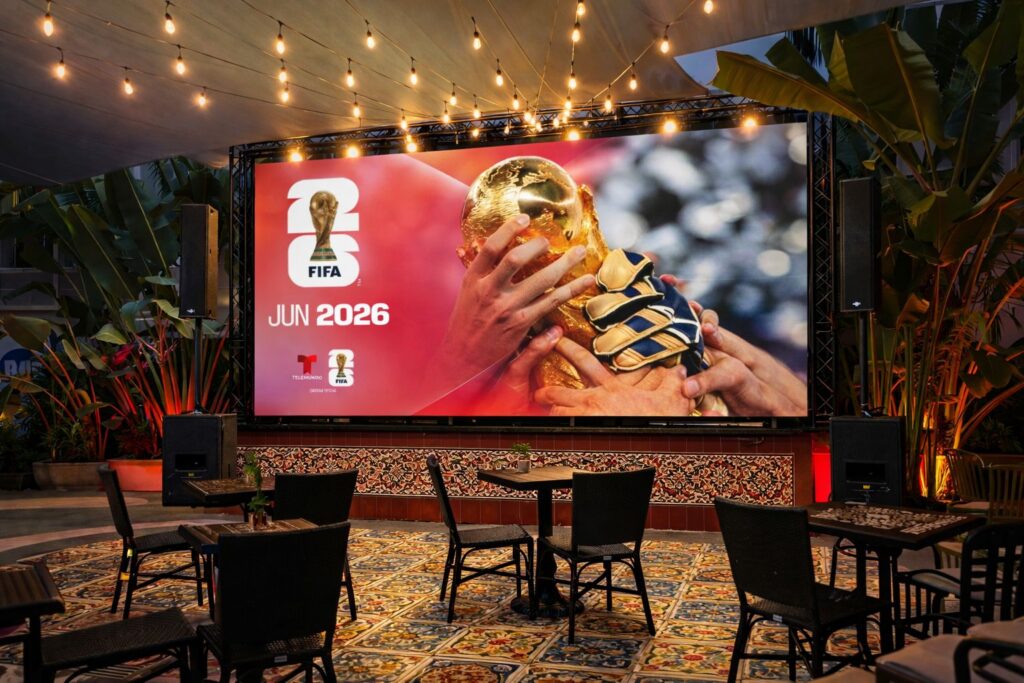
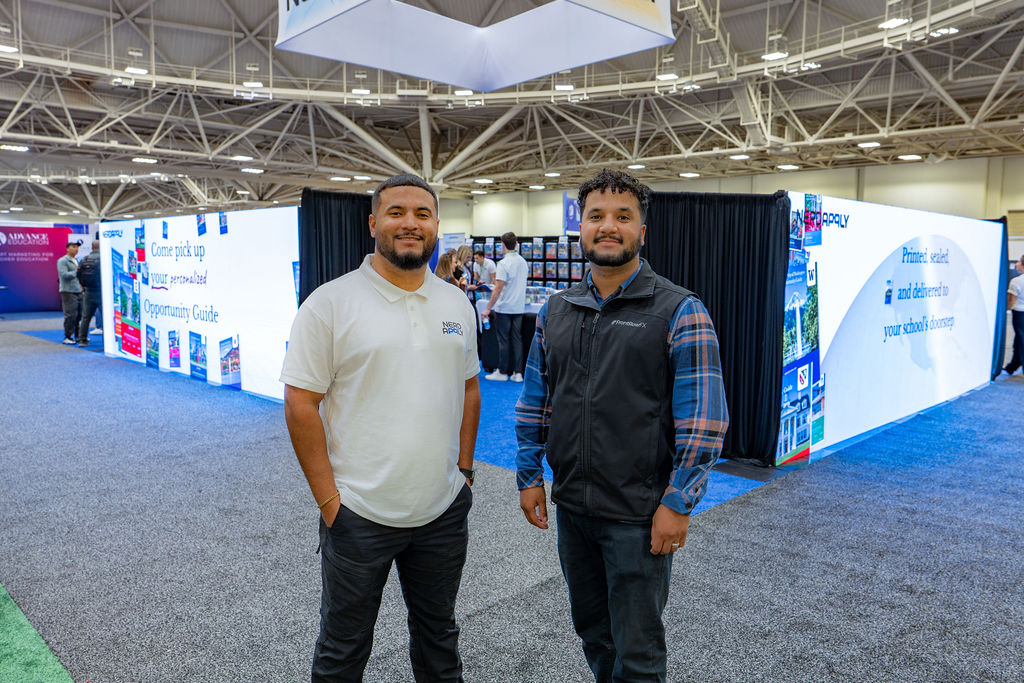
Indoors, the picture is more nuanced. LED walls excel on bright trade show floors and atriums. Projectors remain fully viable in darkened ballrooms, theaters and meeting rooms where light control is strong.
Front Row FX designs both indoor and outdoor LED video wall production throughout Minnesota, Wisconsin and Chicago, taking local weather and seasonal daylight into account.
Venue Space, Throw Distance and Screen Placement
Throw distance – the space between a projector lens and the screen – is central to any wall vs projector decision.
-
Projectors require specific distance calculations for optimal placement. Chandeliers, trusses, low ceilings or audience seating areas can block the beam path. Short-throw projectors help but have size limitations for very large event screens.
-
LED walls sit exactly where the image is needed. They can be wall mounted, flown or ground stacked, and they do not require long projection lines.
-
In a narrow hotel ballroom where the projector must be mounted high above the audience, or on a stage where talent would constantly walk through the beam, an LED wall eliminates those problems entirely.
Front Row FX reviews floor plans and CAD drawings for Minneapolis and Midwest venues to determine realistic projector positions vs LED wall placement.
Ground Support, Rigging and Installation Considerations
Both LED walls and large projectors must be installed safely, under venue rules, with qualified riggers and technicians.
-
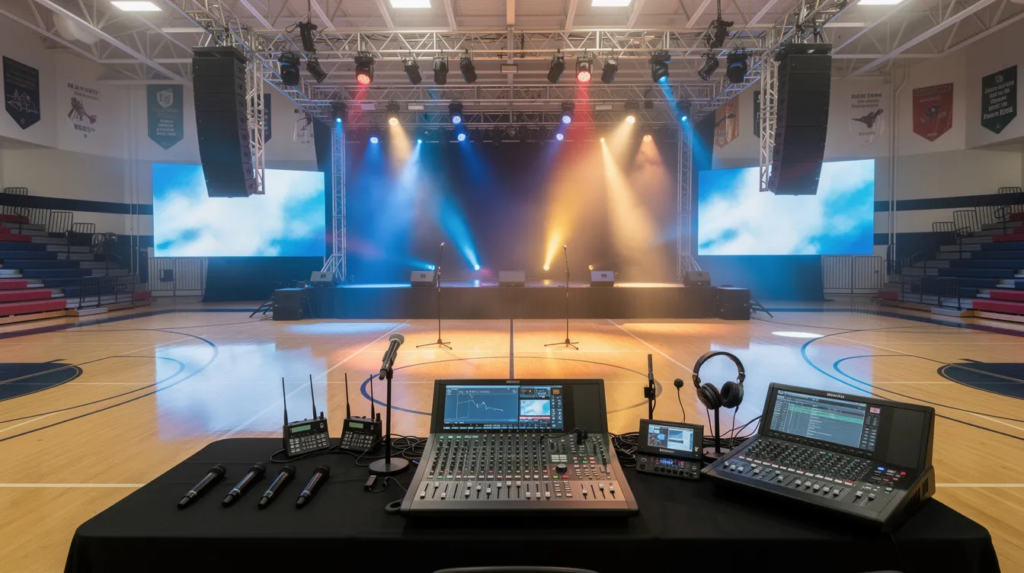
Ground-supported LED walls use staging platforms, base plates and truss structures. Flown LED walls require rigging points, structural review, professional rigging crews and venue approval. LED walls require specialized rigging and can generate substantial heat, so power distribution and ventilation matter.
-
Projectors are lighter and easier to transport than LED walls. Projectors are generally easier to install – mounting to ceiling truss or lifts with safety-rated hardware.
-
LED walls are modular in nature, so individual LED panels or other components like power supplies can be swapped if technical issues occur. A single projector is more of a single point of failure.
-
LED walls can be moved and reconfigured for dynamic stages. LED video walls are designed for easy operation by non-experts once assembled.
Front Row FX approaches display selection as part of broader corporate event production, coordinating rigging, staging, power and labor with each venue.
Content Format, Aspect Ratio and Screen Layout
Content format and aspect ratio should be decided early – not the night before the event.
-
Standard 16:9 works well for both LED walls and projectors and suits presentations, live video and hybrid events.
-
LED walls can be built in custom sizes and aspect ratios: ultra-wide panoramic, vertical towers or ribbon displays. This creative flexibility requires content designed to match.
-
Projectors typically project onto standard 16:9 or 4:3 screens. Ultra-wide blended projection is possible but adds complexity in alignment and processing.
-
LED wall processors can route and scale multiple content sources – Keynote decks, IMAG camera feeds, sponsor loops, motion graphics – into independent zones on a single wall.
Planners should decide whether they need one large unified image, multiple content zones or a mix before locking in technology.
Cameras, Presentations and Live Video (IMAG)
IMAG – image magnification – puts a live camera feed of speakers or performers on a large screen so the back of the room can see facial expressions and detail. LED walls are suited for live streaming and high-impact visuals in these scenarios.
-
LED walls handle cameras well: strong contrast, saturated color and full brightness keep faces and branding visible even under bright stage lighting with low-latency processing.
-
Projectors deliver good IMAG in darker rooms, but contrast and color may suffer if the room must stay bright for note-taking or networking.
-
Pixel pitch matters for camera work. Fine pitch (2.5–4 mm) reduces moiré patterns and visible pixel grid on video recordings.
-
For presentations – slides, spreadsheets, charts – both technologies work, but LED walls often keep text more legible in large rooms with mixed lighting, providing a better viewing experience overall.
Cost, Value and Production Complexity
This section outlines relative cost and complexity without listing specific prices.
-
Projectors often have a lower initial rental cost for a single large display. Projectors are more cost-effective for standardized presentations in dim environments.
-
LED video walls are about 20% more expensive initially than projectors, driven by the number of panels, pixel pitch, rigging and processing. For commercial applications requiring brightness and scale, the investment pays off in visibility and impact.
-
Over time, projector light engine replacements can equal initial LED costs. Light engines and projector lamps need replacement approximately twice a year, and projectors require bulb replacements at roughly that same frequency. Projectors often require cleaning to extend their life. That frequent maintenance and regular replacement cycle adds up.
-
LED walls have lower long-term maintenance costs than projectors. LED walls maintain brightness and colors for years without replacing major components. LED wall components are mostly replaceable for easy maintenance, though LED video walls require regular maintenance inspections and regular maintenance schedules.
-
LED walls may require more setup time and signal routing. Projectors require careful alignment, screen rigging and environmental control but fewer moving parts.
Cost drivers to share with your AV partner: audience size, indoor vs outdoor, screen width and height, scenic requirements, camera use and number of days on site.
Best Option for Corporate Events and Conferences
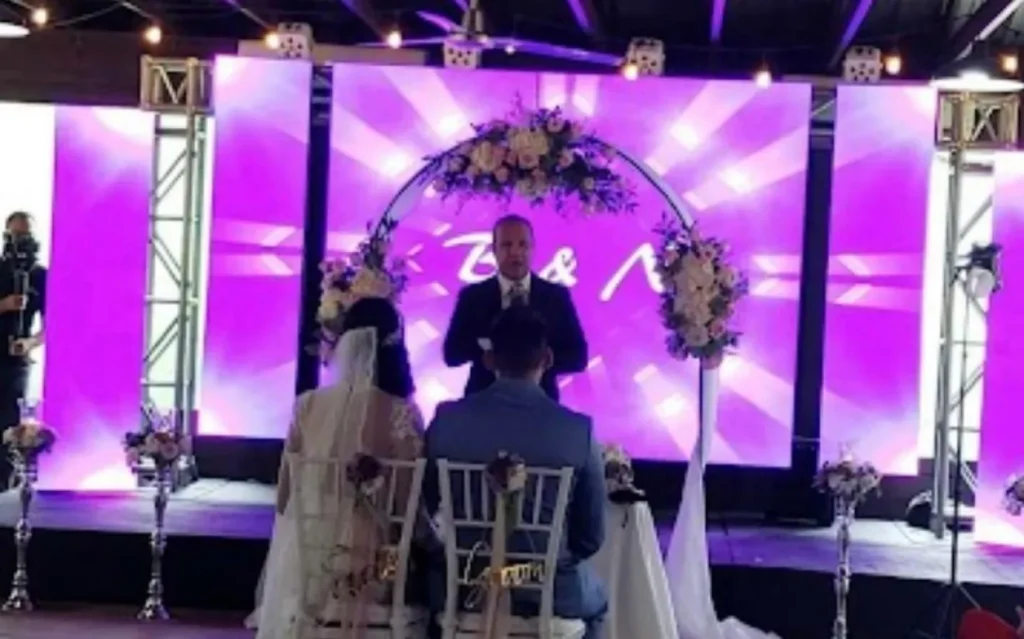
Common corporate scenarios include annual meetings, sales kickoffs, medical conferences, association conferences and nonprofit galas.
-
A large projector is usually the better option in darkened ballrooms, lecture-focused sessions with a single front screen and modest scenic design with limited budgets.
-
A corporate event LED wall becomes the stronger option in bright rooms, with complex stage lighting, scenic backdrops, ultra-wide canvases and heavy use of video and motion graphics.
-
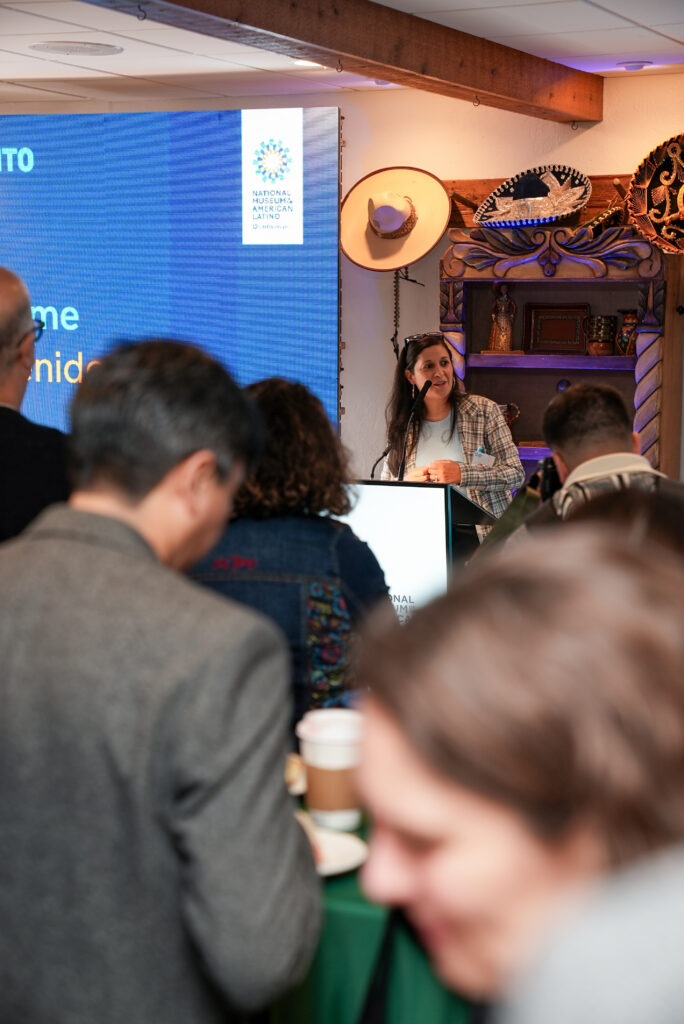
Breakout rooms and smaller meetings: projection often remains practical. LED walls are typically reserved for general sessions, plenaries and exhibit halls where the viewing experience matters most.
-
For hybrid events and streaming, LED walls produce clean backgrounds for cameras and remote attendees, helping both in-room and online audiences see high resolution images clearly.
Best Option for Concerts, Shows and Live Events
This category covers concerts, festivals, touring productions, large fundraisers with bands, cultural celebrations and city events.
-
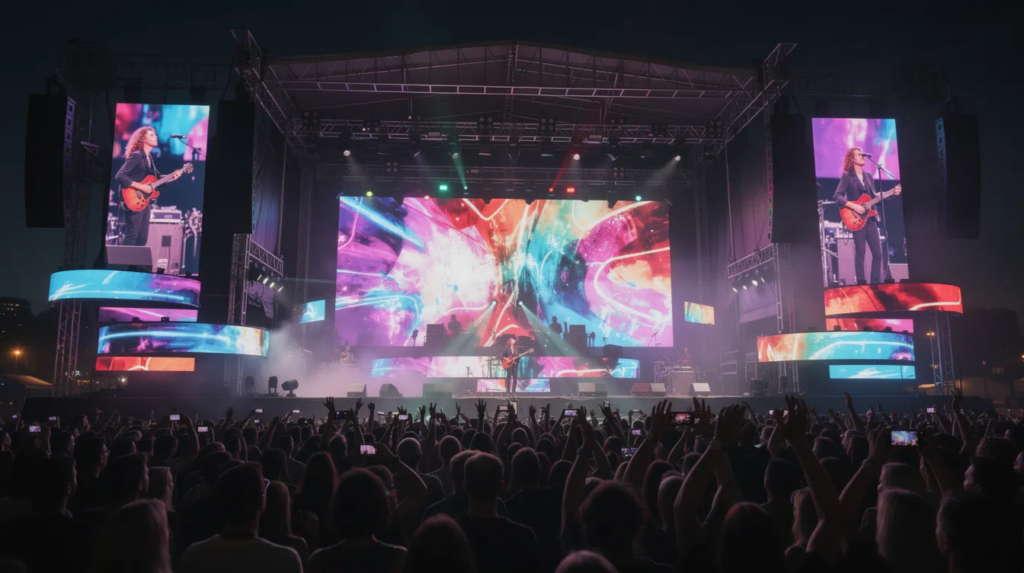
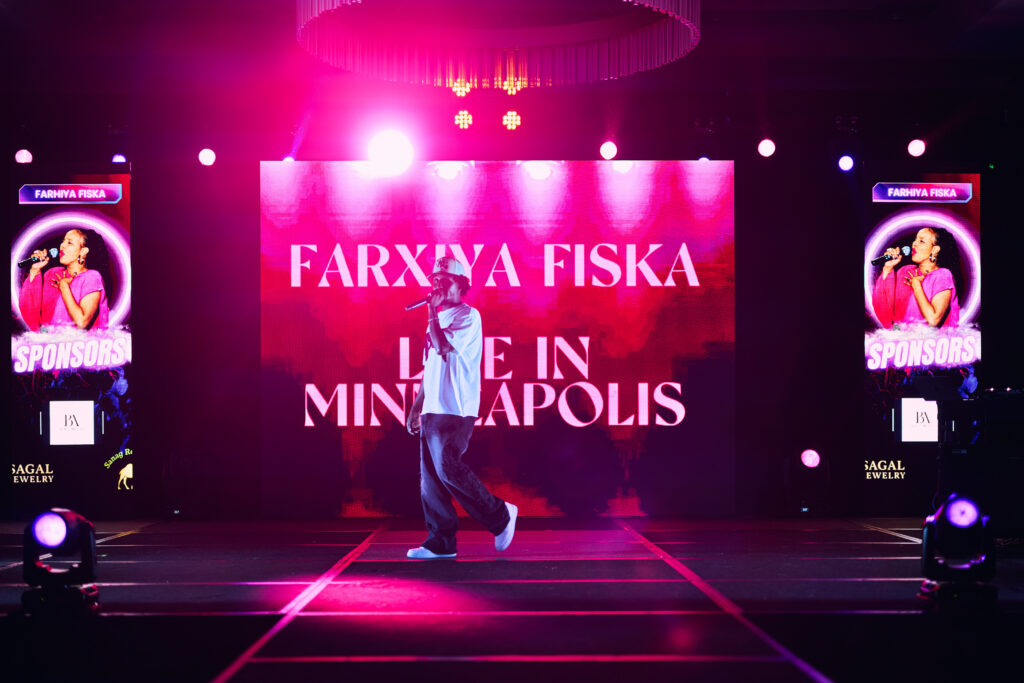
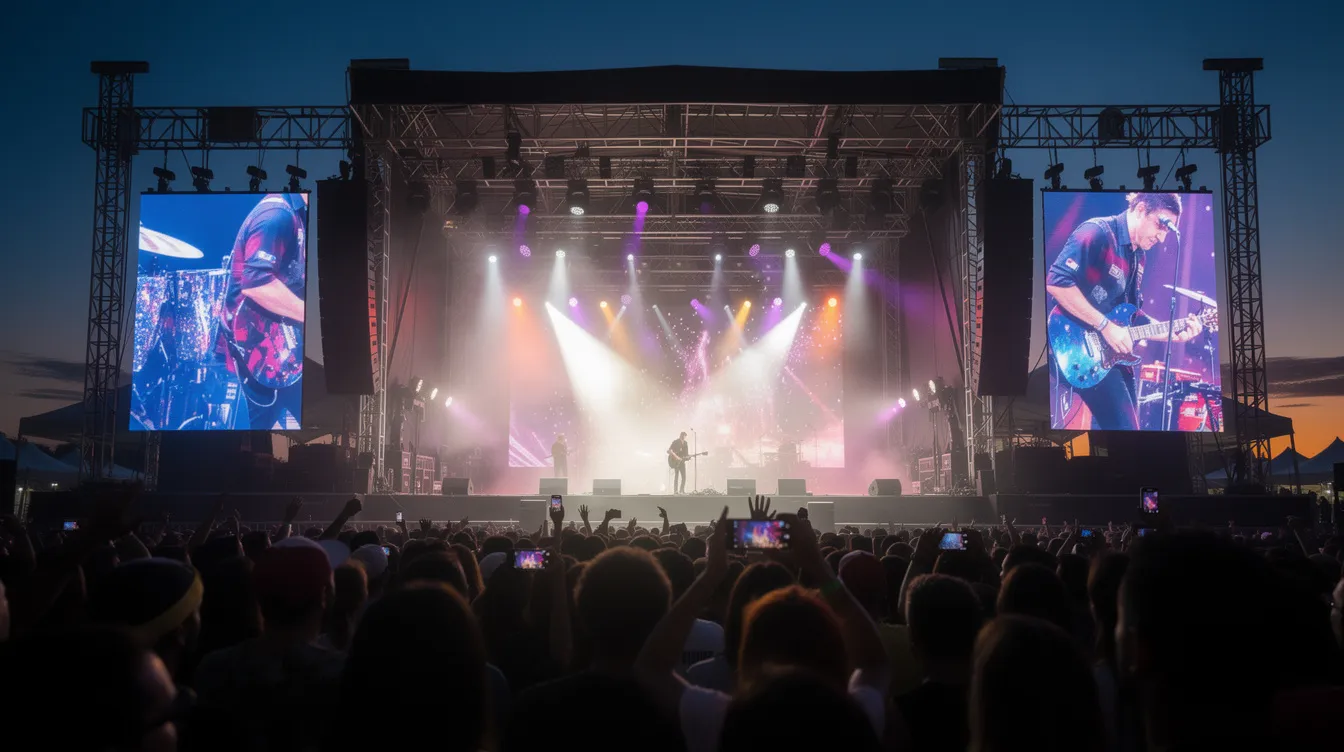
Concert LED screens are preferred for their high brightness under stage lighting, outdoor visibility, creative screen shapes and strong impact for live audiences and cameras.
-
Projection can still work in darker theaters, smaller venues and where scenic projection-mapping on set pieces adds creative value to the production.
-
LED walls can be flown behind stages, built as side screens or configured as vertical columns. Projectors may need placement far from the stage to avoid beams crossing performers, creating distorted images or shadows.
Front Row FX supports concert production across Minnesota and the Midwest, helping artists, promoters and venues decide when LED wall rental is justified and when well-executed projection is sufficient.
LED Wall vs. Projector Comparison Table
Use this table as a quick reference before speaking with your AV partner.
|
Criteria |
LED Wall |
Projector |
|---|---|---|
|
Brightness |
Excellent – thousands of nits, full brightness in any room |
Adequate in dark rooms; washed out in bright space |
|
Ambient-light performance |
Maintains quality in well lit environments and outdoors |
Requires controlled, dim lighting |
|
Image contrast |
Deep blacks, vivid contrast |
Limited by screen surface and room light |
|
Scalability (size and shape) |
Modular – any width, height or shape |
Rectangular; ultra-wide needs blending |
|
Throw distance needs |
None – display is self-contained |
Requires clear projection path and specific distance |
|
Outdoor use |
Strong – weather-rated options available |
Very limited in daylight |
|
Installation |
Panel assembly, rigging, processing |
Simpler mount, but precise alignment needed |
|
Content flexibility |
Multiple zones, sources, creative layouts |
Typically single input per screen |
|
Viewing distance |
Wide viewing angles, consistent off-axis |
Narrower optimal viewing cone |
|
Production complexity |
Higher setup labor, more components |
Lower setup labor, fewer parts |
|
Typical best use |
Expos, concerts, outdoor events, scenic stages, galas, corporate events. |
Dark ballrooms, breakouts, lecture formats |
Practical Decision Checklist for Event Planners
Walk through these questions before choosing projector or LED wall.
-
Indoor or outdoor? Outdoor daytime defaults to LED.
-
Can house lights and windows be dimmed? If not, lean LED.
-
Audience size and closest viewing distance? Large venue with close front rows needs fine-pitch LED.
-
Ceiling height and rigging availability? Low ceilings may limit projection throw.
-
Screen shape? Non-rectangular or ultra-wide generally means LED.
-
Content type? Slides in a dark room suit projection. Heavy video, IMAG and motion graphics favor LED.
-
Camera use or live streaming? LED walls produce cleaner camera backgrounds.
-
Budget flexibility? Tight budgets in controlled rooms can use projection effectively.
Note your answers and share them when you request a production proposal from Front Row FX.
How Front Row FX Helps You Choose and Implement the Right Display
Front Row FX is a full-service audiovisual production and event technology partner. The team evaluates venue diagrams, ambient light, audience layout, staging, power, rigging, content plans and camera needs before recommending any display system.
Whether the project calls for LED video wall production, traditional projection or a hybrid solution, Front Row FX coordinates every element – from technical design through show operation – so the display works within the full production plan.
To get started, provide:
-
Event date, venue and city
-
Indoor or outdoor environment
-
Audience size and preferred screen dimensions
-
Content type (presentations, video, IMAG)
-
Scenic goals or creative requirements
Share those details with Front Row FX and receive a tailored production proposal for your next event.