Micro Events: Designing High-Impact Production for Small, Intentional Gatherings
The growing demand for smaller, more intentional corporate gatherings is reshaping how companies think about live production. In 2026, the most strategic organizations are shifting focus from filling ballrooms to creating memorable, high-value experiences for the people who matter most.
What Is a Micro Event in 2026?
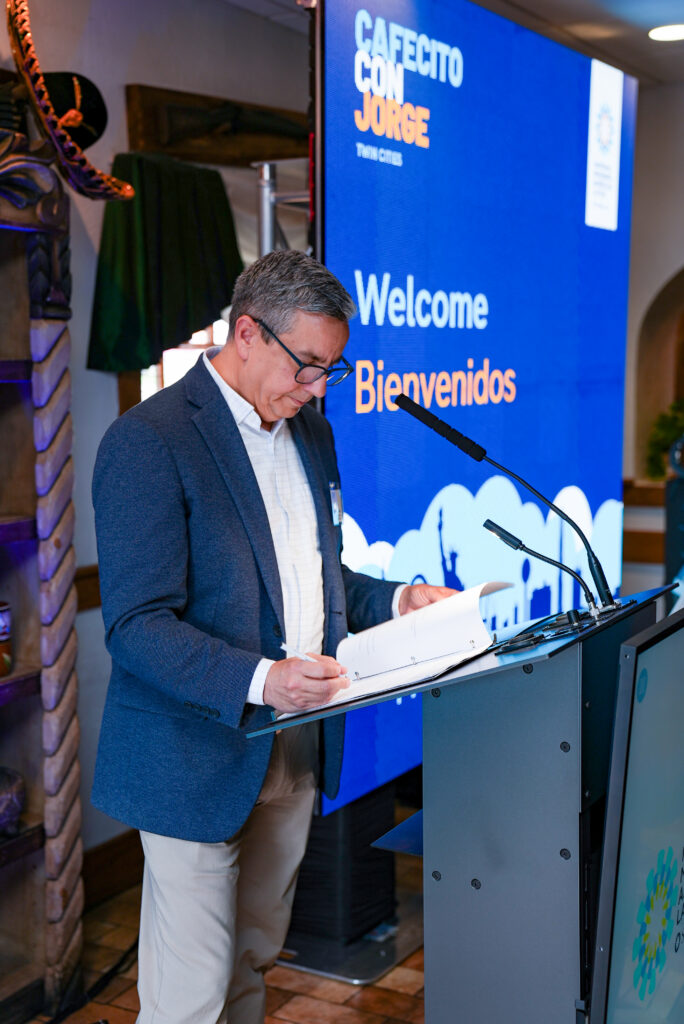
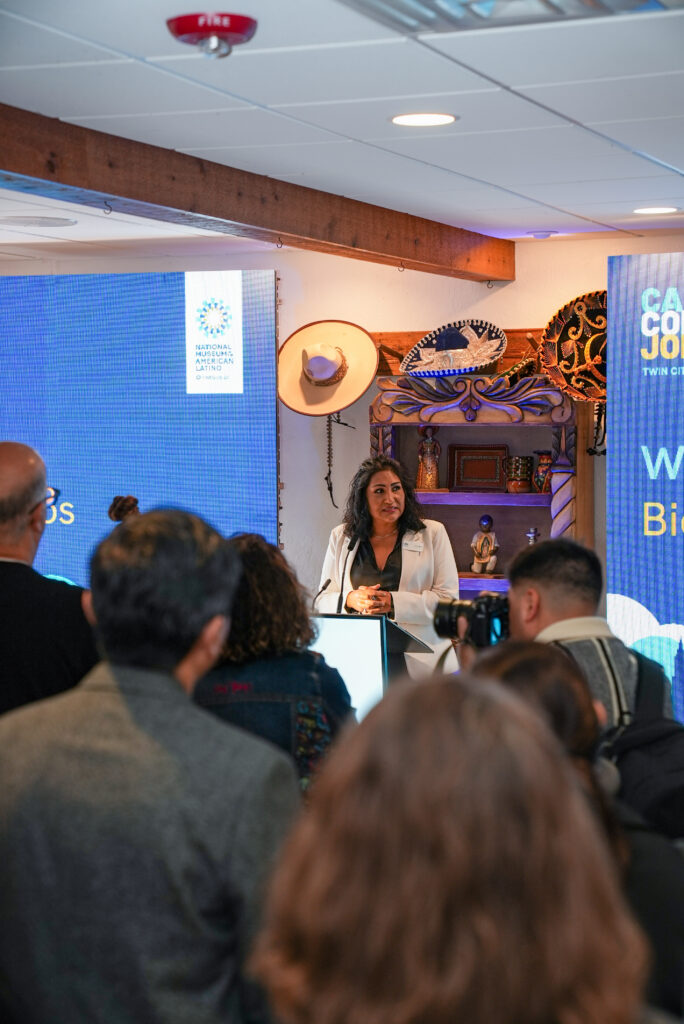
Micro events are smaller, more frequent corporate gatherings designed for roughly 10 to 150 participants, where every detail is curated for depth of engagement rather than headcount. According to Skift Meetings’ 2026 Megatrends reporting, this intentional shift ranks among the six transformative forces reshaping the industry, as planners trade spectacle for substance. These events can accommodate fewer than a few dozen participants or scale to 150 without losing their defining character: intimacy and personalization are key in micro events, and curated guest lists foster better connections among attendees.
Think of a 60-person executive summit in Minneapolis, a 90-guest investor briefing in Chicago, or a VIP product preview for key accounts. These are not entry-level gatherings. They are high-value touchpoints spanning executive events, brand events, small conference production, and corporate event production where guest list composition is critical for fostering valuable connections. They allow for tailored experiences based on audience needs, they foster deeper connections among team members, and they can enhance employee engagement and collaboration at every level.
The word “micro” describes audience size and focus-not ambition, production quality, or event ROI. Front Row FX, a Minnesota-based full-service production and event technology company, specializes in right-sized, intentional event production for the Upper Midwest-designing experiences that feel as premium and immersive as any large-scale show, scaled around the room and the people in it.
Why Smaller Audiences Demand Bigger Thinking
In a room of 40 to 120 guests, every production decision is literally closer to the guest. There is no back-of-the-ballroom buffer. Every light spill, every muffled microphone, every visual glitch feels personal. Interactive formats encourage participation over passive listening, and participants are more engaged when given tasks during micro events-which means the production framework supporting those moments must be precise.
“Small audience does not mean small production. It means every production decision is closer to the guest.”
Contrast a 1,200-person general session-where distance and scale mask imperfections-with a 90-person executive event where attendees sit close enough to see a presenter’s expression falter under harsh lighting. The stakes sharpen across audio clarity, sightlines, content pacing, and transitions. High-touch sensory experiences engage all five senses at micro events, so production must deliver on every front.
The second key idea: design for intimacy, not for emptiness. Production should wrap around people and space, creating a sense of enclosure and connection rather than feeling like a shrunken arena show. Consider an $80,000+ leadership retreat with 75 attendees: the budget isn’t allocated to massive truss rigs-it funds specialist microphones, polished motion graphics, and ambient lighting across every table. That is the unique approach that separates a forgettable corporate meeting from a moment of genuine connection.
Micro Event Formats: From Executive Briefings to Intimate Brand Experiences
Micro events span leadership alignment, customer relationships, experiential marketing, team bonding, and internal culture. Concrete formats include:
30–60 person executive offsites and board meetings in Minnesota or Wisconsin, built around conversation-friendly layouts and evening storytelling
50–120 guest VIP customer events adjacent to major trade shows in Chicago, conveying exclusivity and brand prestige
Invite-only product previews for 40–100 key accounts, where visual clarity supports product detail
60–150 person intimate corporate events like investor updates, partner councils, or leadership summits
Small brand events and roadshow stops in regional markets, with tight brand storytelling and sharp visual cues
Unique venues enhance the experience and spark conversation, and surprise elements create lasting memories in micro events. Each format benefits from elevated production: clear audio for discussion-heavy agendas, right-sized LED or projection for data content, and lighting that keeps leadership visible and approachable. For context, while companies like One10 manage over 3,000 events annually for Fortune 1000 companies and Salesforce’s Dreamforce grew from 19,000 to over 170,000 attendees by 2019, the industry’s most valuable conversations increasingly happen at a smaller scale. These are not low-budget gatherings-they are high-value touchpoints where fewer guests drive disproportionate business impact.
Designing the Room: Scale, Layout, and Audience Proximity
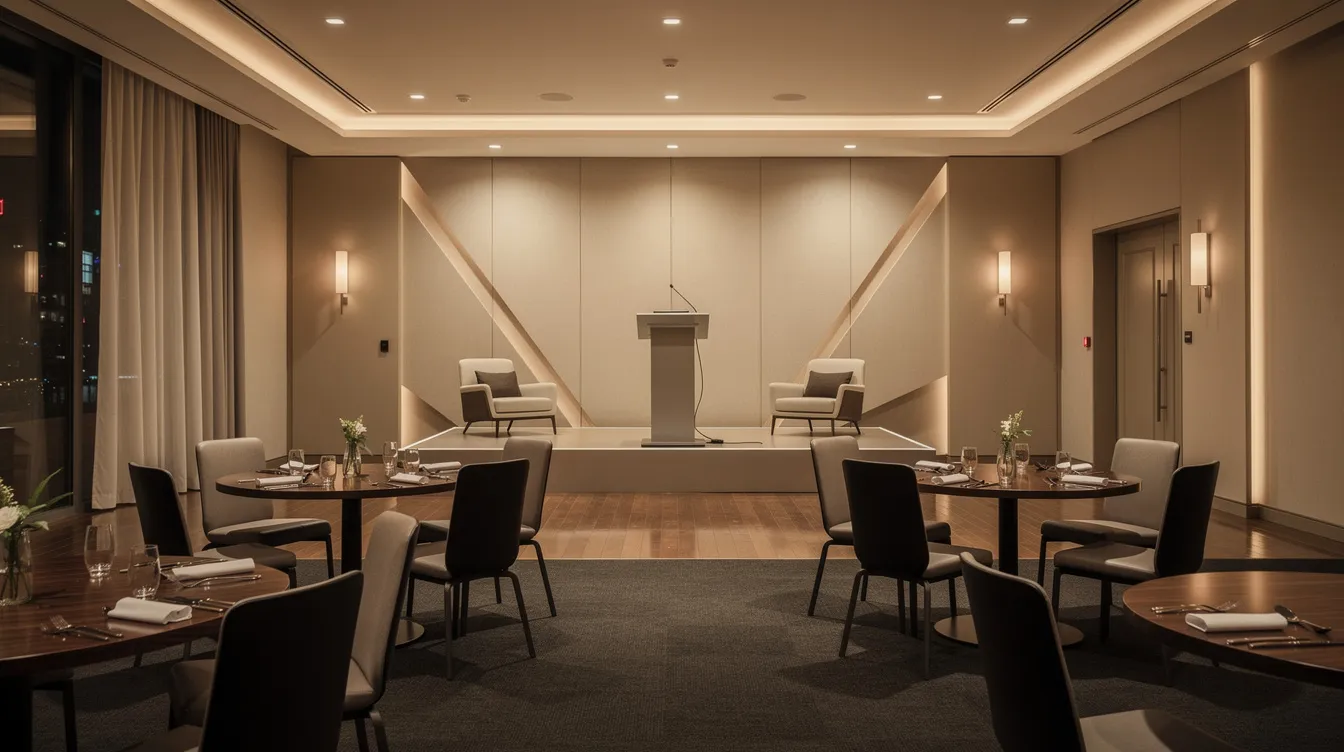
Room choice and layout form the solid foundation of micro event experience design. For 50 to 150 attendees, the mission is matching ceiling height, room footprint, and stage size to the actual audience-avoiding both the echoing ballroom that makes 60 people feel lost and the cramped meeting room that restricts sightlines. Seating plans that support proximity and connection include U-shape or horseshoe for 25–60 leaders, cabaret or half-rounds for 60–120 person small conferences, and lounge-style soft seating for VIP receptions and brand events.
Front Row FX approaches site visits by walking the space, mapping sightlines, planning projection or LED angles, and confirming power and rigging before locking production. Battery-operated LED uplights transform small venues with color and atmosphere, while compact and portable special effects equipment is essential for micro events where load-in space is limited. Low-lying fog machines create dramatic effects without fire hazards, adding atmospheric depth even in non-traditional venues. Every attendee should see facial expressions and read critical data without strain-executive visibility is non-negotiable when your group includes decision-makers, clients, and partners.
Audio for Micro Events: Why Small Rooms Expose Weak Sound
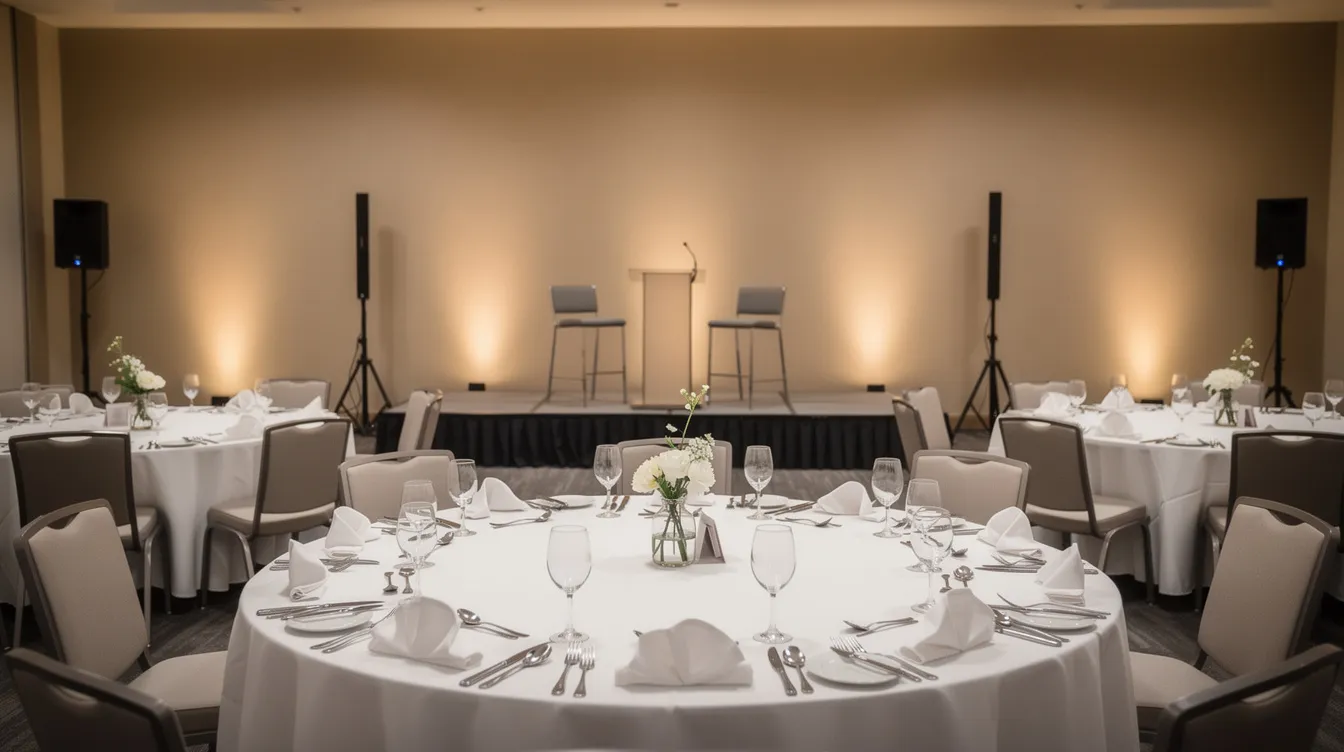
In small and mid-sized rooms, bad audio is more obvious because guests sit closer to both the speakers and the loudspeakers. Common issues in intimate corporate events include hot spots near speakers, dead zones with dropped coverage, echo from hard walls, and systems that are simply too loud for the space. The use of atmospheric effects enhances visibility and ambiance at events, but an oversized concert system crammed into a hotel meeting room undermines everything.
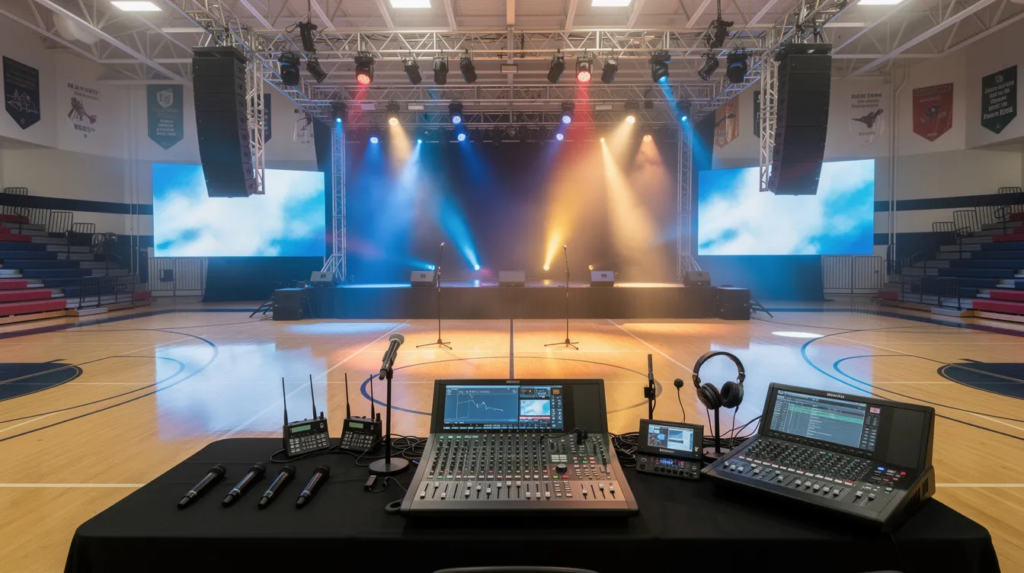
The better path is appropriately scaled, distributed audio: compact line arrays or high-quality point-source speakers for even coverage; controlled volume tuned for conversation; and proper headworn or lapel microphones for executives rather than handhelds pulled from a venue closet. Front Row FX tunes systems through room-specific EQ and delay, testing walk-throughs at real speaking levels, and coordinating with run-of-show so walk-in music, presentations, and Q&A all feel comfortably intelligible.
Consider a 90-person investor briefing where clear, fatigue-free audio supports complex financial presentations and extended Q&A. Flawless execution in sound means better comprehension, lower listener stress, and more confidence in leadership-outcomes that logistics and event planning teams can point to as direct production value.
Visual Scale and Content: LED, Projection, and Brand Storytelling
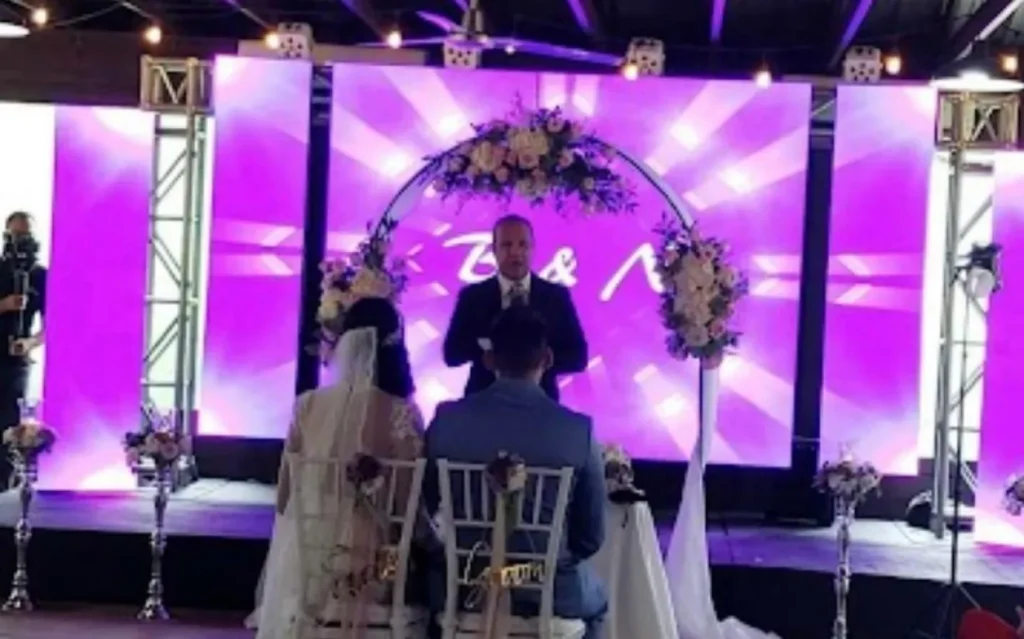
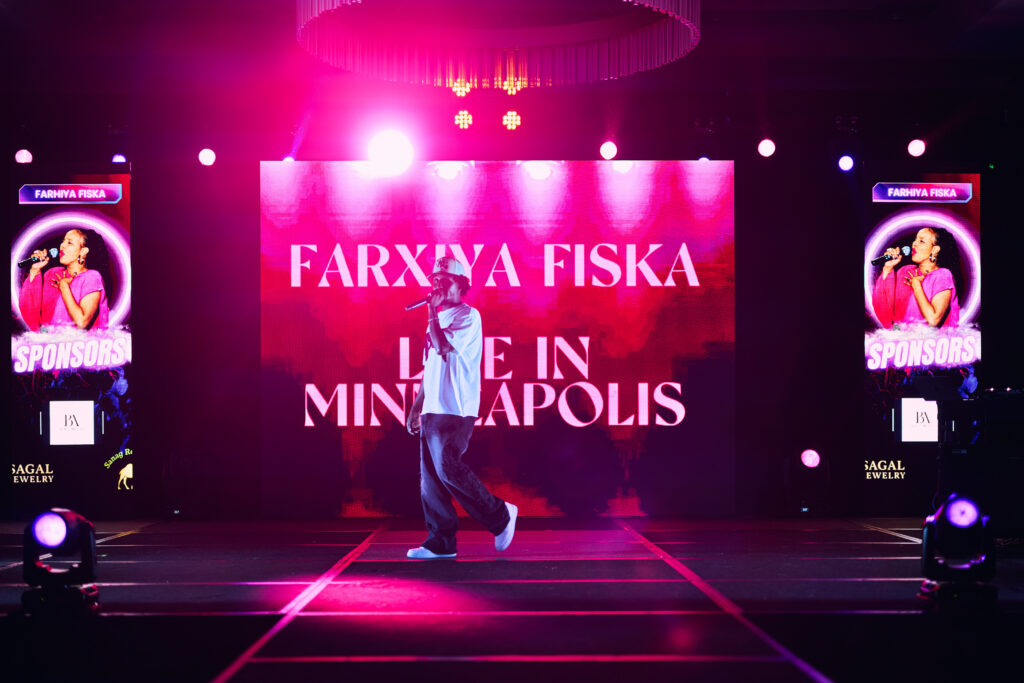
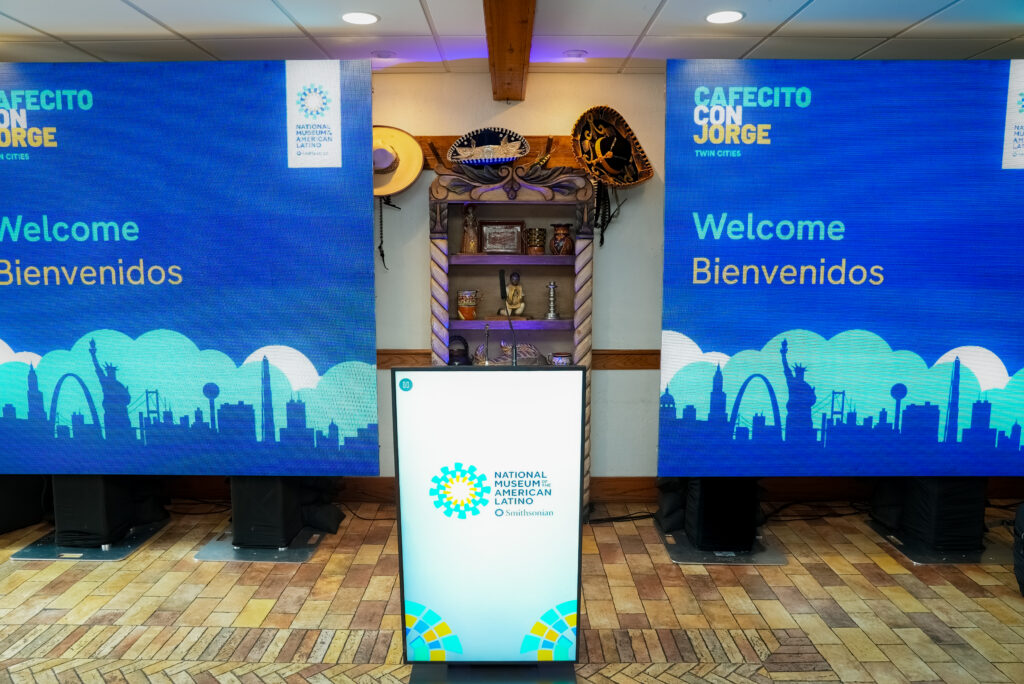
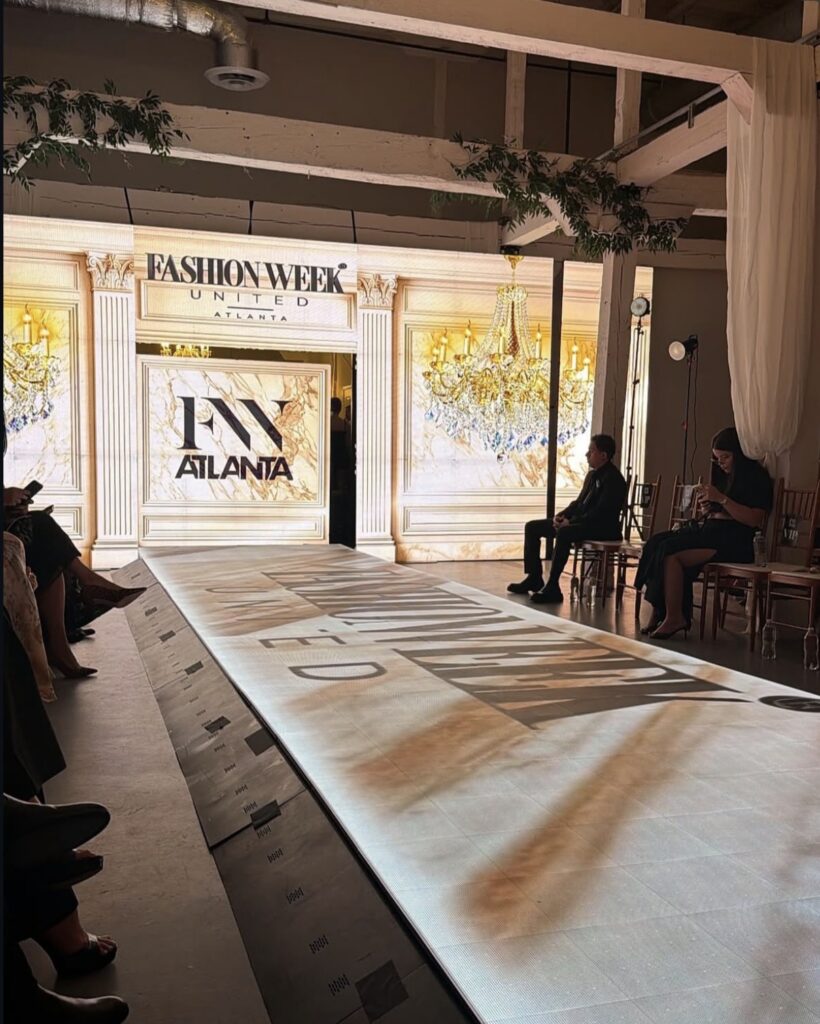
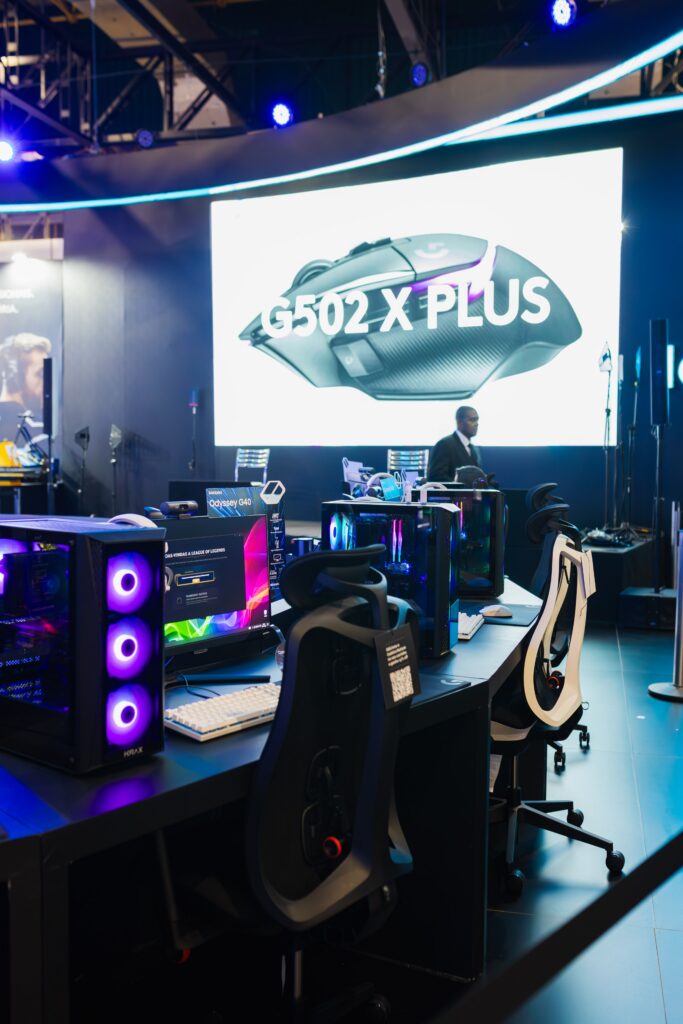
Visual scale must be proportional to the room and the audience. One well-designed LED video wall or projection surface is often more impactful than oversized scenic that dominates the space and dwarfs the group. Effective visual approaches include a single LED video wall sized to the stage width for a 100-person leadership summit, side confidence monitors and a rear display for speakers in a 60-guest executive briefing, and strategically placed 55–75″ displays in L-shaped or multi-room brand events.
Content quality matters more than quantity: custom motion graphics reflecting current branding, speaker slates with titles and locations, loopable brand visuals for walk-in and walk-out, and sponsor content that feels integrated for small conference production. Digital branding-animated logos, LED frames, data visualizations tailored for close viewing-can replace bulky scenic with greater creative impact. Innovation walls encourage employees to share new ideas anytime, and features like these benefit from sharp visual support. AI-powered tools personalize content recommendations for attendees, while Corporate Optics employs AI for personalized content recommendations and AI enhances real-time personalization of attendee experiences at events-trends worth watching for content delivery in 2027.
Camera use, recording, or livestream can extend value even for small audiences: recording C-level remarks for broader internal distribution, secure streaming of a 40-person strategy update to remote leadership worldwide, or multi-camera capture of a 75-person product preview to repurpose for marketing and sales enablement.
Lighting Intimacy: Faces, Atmosphere, and Brand
In micro events, attendees sit closer to the stage, to each other, and to architectural detail. Nuanced lighting instantly changes how premium the experience feels-because every person in the room can see the difference. Four priorities define lighting for intimate corporate events:
Faces: soft, flattering front light on speakers, panels, and audience during discussion segments
Stage: defined, clean stage picture without blinding spill into nearby tables
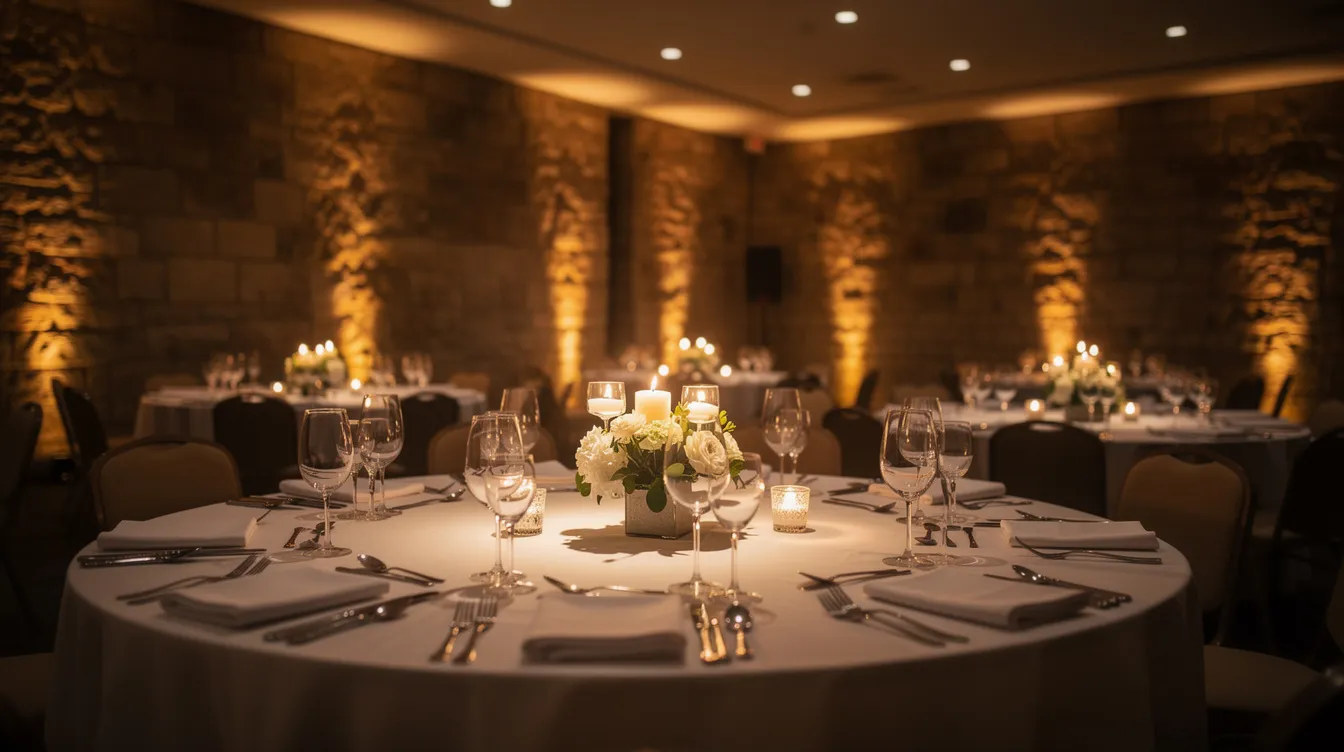
Tables and architecture: subtle warmth on linens, walls, or architectural features to frame the room
Branding: logo projection, LED accent, or gobos applied with restraint
Lighting levels must shift to support conversation and networking: brighter, crisp looks during presentations; dimmed, warmer looks for dinners, receptions, and informal Q&A; no harsh transitions that break the atmosphere. Design thinking workshops help teams tackle problems creatively, and lighting should support that kind of collaborative energy. Picture a 120-guest VIP dinner in St. Paul with pin-spots on centerpieces, a soft wash on the fireside chat area, and a muted color palette reflecting the organization’s brand identity. Front Row FX designs lighting plots specifically for the room’s height, finishes, and seating plan-not a generic conference look applied to every venue.
Experience Design: Content, Flow, and Networking Support
In micro events, agenda design and production are inseparable. Audio, visuals, and lighting must be built around how people will interact-not layered on top as an afterthought. Content and showflow elements that benefit from intentional production include tailored opening sequences with short motion graphics and walk-on music, speaker introductions with on-screen IDs, and segment bumpers that smooth transitions between panels and roundtables. Meaningful takeaways help guests remember micro events, so every moment from arrival through departure should reinforce the event’s point and vision.
Networking-focused production choices include background music levels tuned for comfortable conversation, lighting looks that feel welcoming rather than spotlit, and avoiding over-programming so attendees can actually connect. Production supports executive visibility through staging that brings leaders physically closer-low risers or in-the-round seating-camera and IMAG use only when needed for authenticity, and moderated Q&A with wireless microphones that keep the room feeling safe and candid.
Hospitality integration is where operations and creative services converge: timing lighting and music cues with catering service, coordinating with the venue team so transitions feel choreographed. Companies like CWT Meetings & Events simplify logistics with a unified platform, offer real-time tracking for logistics management, use mobile apps for real-time attendee updates, and apply data-driven strategies for attendee engagement. Similarly, One10 collaborates with major hospitality brands for event logistics, and One10’s logistics management minimizes disruptions during events. Sending personalized follow-up messages strengthens connections post-event, and post-event follow-ups can turn one-off gatherings into recurring communities-extending the life of every gathering.
Measuring Event ROI for Micro Events
With fewer people in the room, each relationship and each decision made carries greater weight. Event ROI for small corporate events should track practical, non-generic metrics: number and quality of customer or investor meetings pre- and post-event, deal progression or renewal conversations traced to specific VIP events, and leadership alignment outcomes from executive retreats such as decisions reached and roadmaps agreed.
Good production supports measurement directly: clean recordings of key sessions for internal follow-up and training, clearly branded capture for post-event content marketing, and smooth technical execution that keeps focus on content-not on fixing issues. AI tools streamline event planning and execution processes, and post-event analytics help refine future events for better engagement. One10 hosted a hybrid conference for 2,500 attendees in October 2023 where post-event feedback showed a 97% satisfaction rate; One10 maintains a 95% average attendee satisfaction rate and achieved a 25% boost in attendee engagement metrics-proof that intentional production and measurement pay off at any scale.
Consider a 70-person product preview in Milwaukee that generates qualified opportunities because high-end presentation, reliable demos, and polished AV contributed to buyer confidence. An $80,000+ executive event with 60 guests can drive multi-million-dollar pipeline or strategic decisions. Event size and production budget are not directly correlated-value per person is what matters, and businesses that understand this see the greatest growth from their event investment.
How Front Row FX Scales Production for Micro Events in the Upper Midwest
Front Row FX is a regional partner across Minnesota, Wisconsin, Chicago, and the Upper Midwest that tailors corporate event production to room and audience rather than forcing large-event systems into small spaces. Capabilities relevant to micro event production include indoor LED video walls sized for 40–150 person rooms, professional audio tuned for clarity at conversational volumes, intelligent and stage lighting optimized for low ceilings and close seating, and technical design with video processing, show calling, and on-site technicians scaled to focused agendas.
The typical process for a small event production engagement includes discovery with corporate event planners on goals, audience, and ROI targets; site visit and room design recommendations; an integrated plan for audio, video, lighting, staging, and content playback; and onsite rehearsal, show operation, and teardown. Example event types Front Row FX commonly supports include an 80-person leadership meeting in downtown Minneapolis with LED backdrop and recording, a 100-person customer summit in Madison with hybrid livestream for remote attendees, and a 60-person VIP brand activation in Chicago with immersive lighting and custom motion graphics. Registration of interest is simple: if you are planning intimate corporate events, executive events, or small conference production for 2026 or 2027, reach out to discuss how intentional production design-from San Francisco-caliber expertise rooted in the Midwest-can elevate your next gathering and leave a lasting impression on every person in the room.