Minneapolis AV Production: What Local Knowledge Actually Changes
This article answers a practical question: what does real Minneapolis and Minnesota operating experience actually change in an audiovisual production plan? Not marketing language. Not a venue directory. Concrete operational details that affect whether your event starts on time.
Here are the two ideas that frame everything below:
-
Equipment creates the show. Logistics make sure the equipment gets the chance.
-
Local knowledge matters most when something changes before show day.
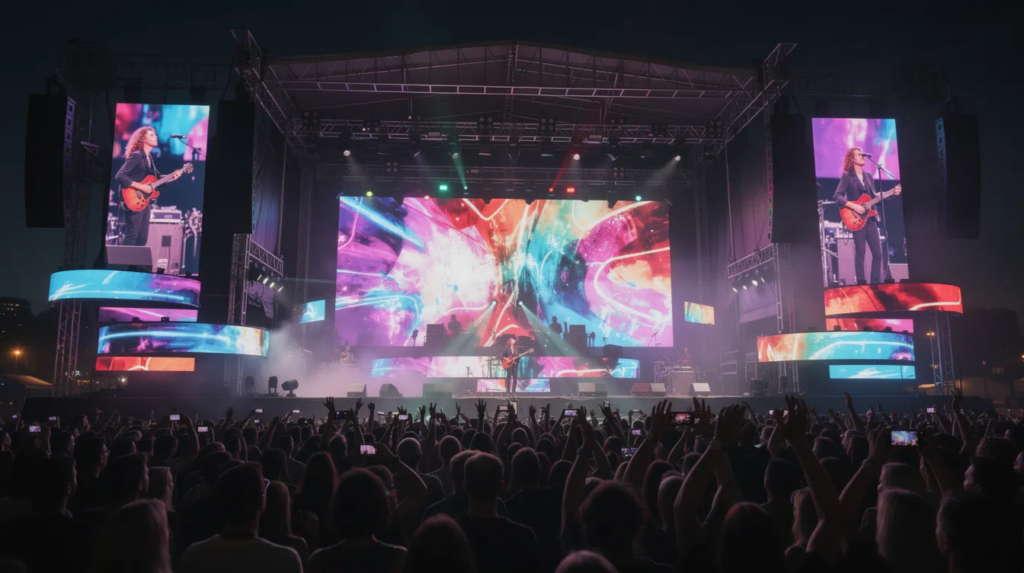
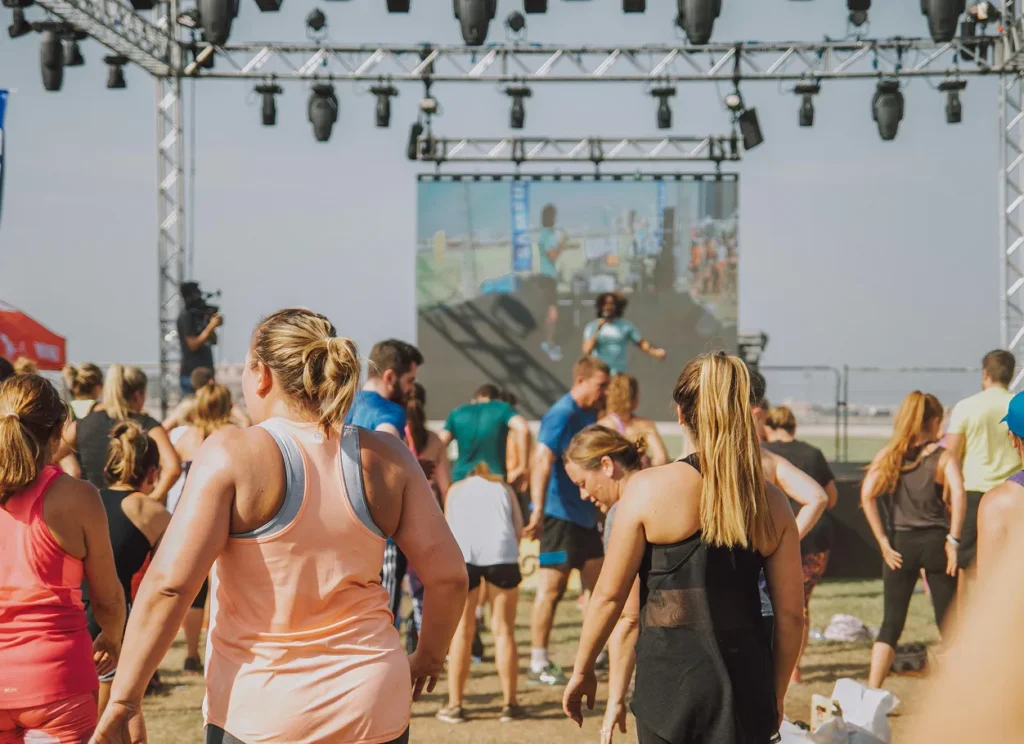
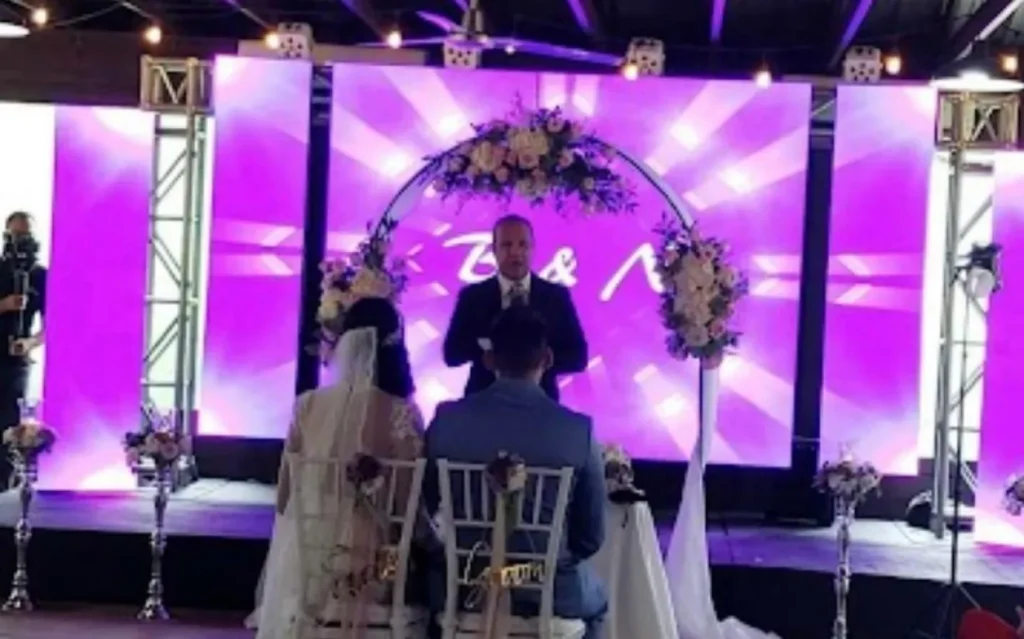
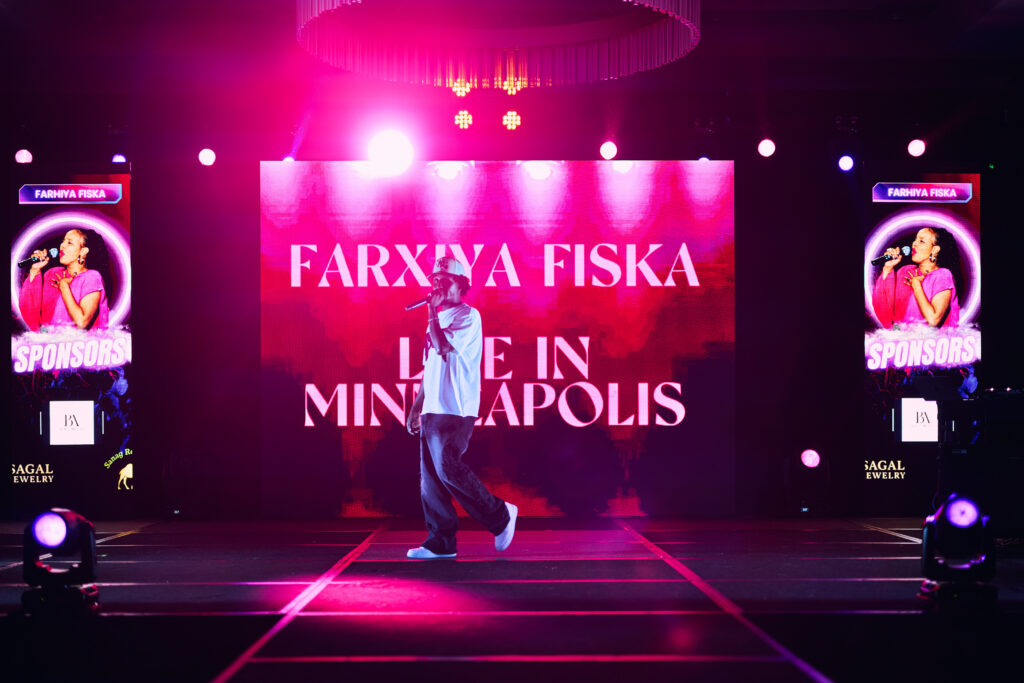
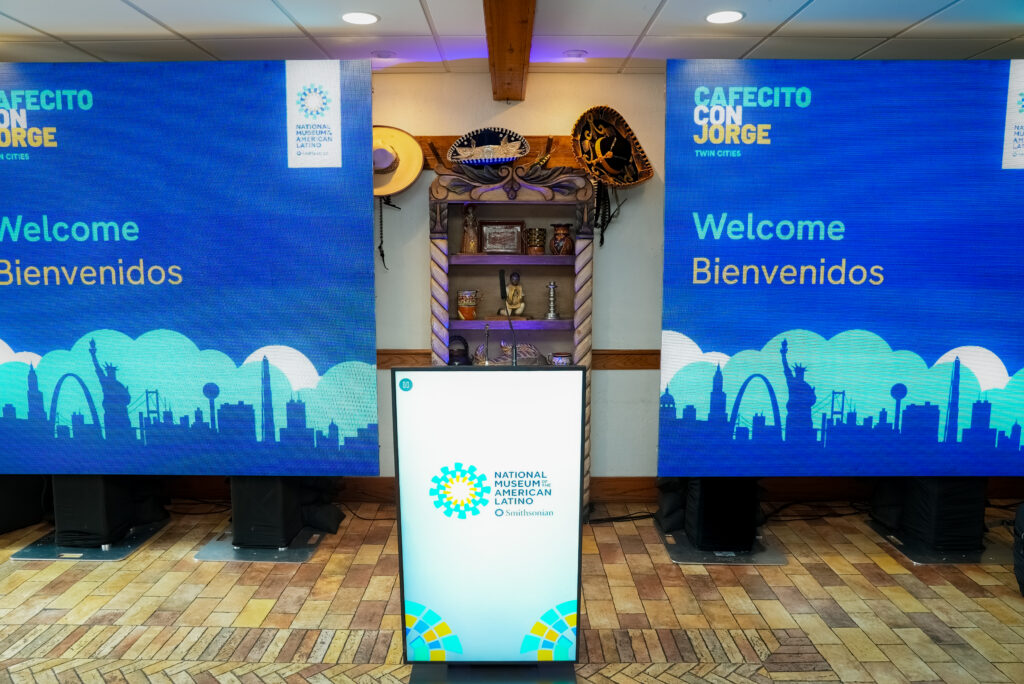
Front Row FX is a Minnesota-based audiovisual production and event technology company headquartered in Eagan, MN. The team works across Minneapolis, St. Paul, and the Upper Midwest, supporting corporate events, conferences, galas, concerts, brand activations, and weddings. Front Row FX also specializes in luxury wedding production in Minnesota, alongside its corporate AV and live production work.
Event production includes planning, venue selection, and execution services, and selecting a suitable AV production partner depends on event size and requirements. What follows is a breakdown of what changes when a team understands Minneapolis AV production realities: winter timing, downtown loading, convention environments, hotel service corridors, power, rigging, labor, and local backup support.
If you are planning corporate meetings, a conference, a gala, or a special event at a downtown hotel, the Minneapolis Convention Center, or a warehouse or outdoor space in the Twin Cities, this is what matters operationally.
Minneapolis as an Event Market: What Actually Changes in Planning
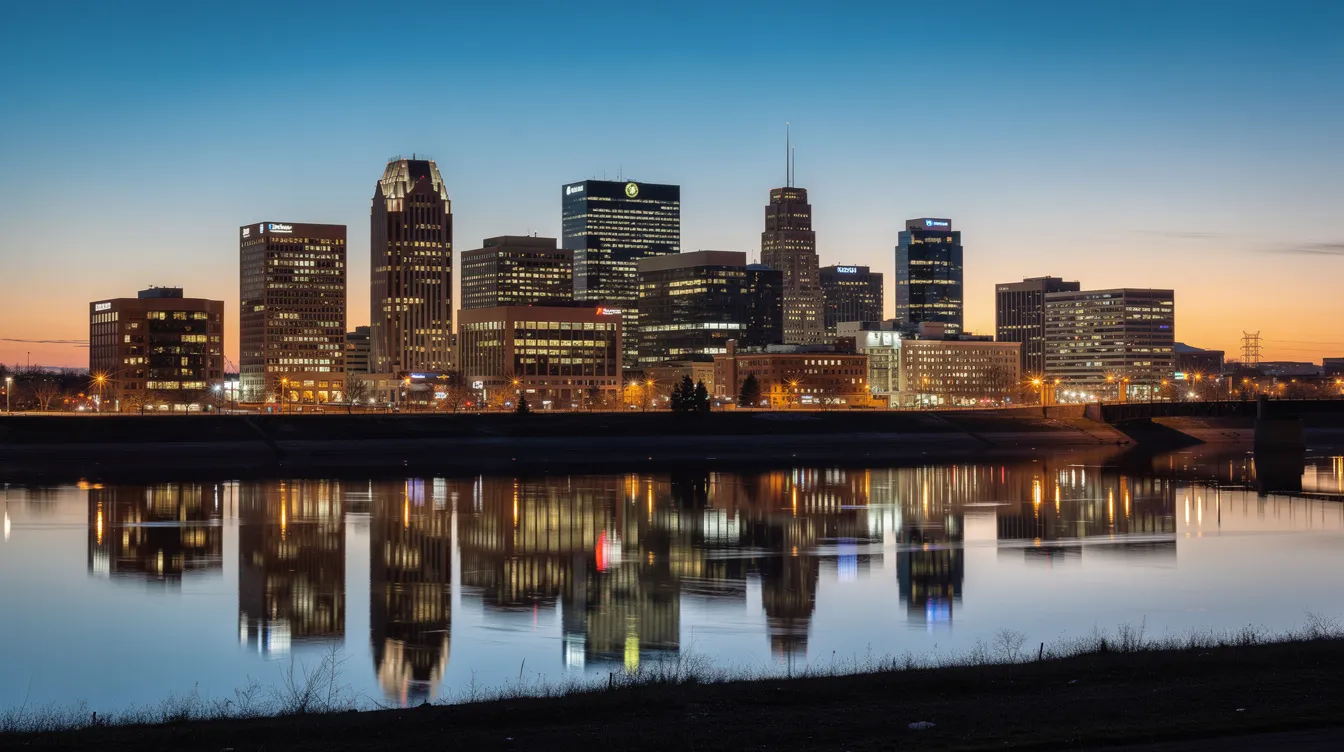
Minneapolis is a concentrated downtown meetings and events hub. The Minneapolis Convention Center, major hotels along Nicollet Mall and in the warehouse district, nearby corporate campuses in Bloomington and Edina, university venues along the light rail, and creative warehouse-style spaces in the North Loop all host events year-round. Minneapolis features a selection of audiovisual and live event production companies, including firms like Allied Productions, which has provided AV services since 1995 and has executed events in 48 states and 28 countries. EPA Audio Visual, Inc. designs AV systems for large venues and specializes in classroom and large venue technology across Minnesota. Showcore is recommended for staging and lighting in Minneapolis, and AV For You provides conference cameras for rent in the Twin Cities. Event production services can range from corporate meetings to concerts, and companies provide AV support for large-scale and complex corporate events.
AV production Minneapolis decisions change based on venue type. A convention center hall with 30-foot ceilings and 36 enclosed truck bays is not the same environment as a hotel ballroom with a shared freight elevator, and neither resembles a warehouse in Northeast Minneapolis with limited power and no formal loading dock. Venue selection impacts audiovisual setup and production costs for conferences-sometimes dramatically.
A Minneapolis event AV plan is built backwards from real constraints:
-
Traffic from sports events at Target Center, U.S. Bank Stadium, and Target Field.
-
Overlapping conventions that create dock congestion and labor competition.
-
Seasonal construction-including ongoing highway work like the Hwy 280 improvements affecting truck routes through 2026-that can change truck arrival times and crew call strategy.
-
When the room is released, when the dock is open, whether freight elevators are shared, and how far the push is from dock to stage.
These factors separate a Minneapolis audiovisual production plan from a generic “any city” plan. AV production timelines suggest contacting partners 1 to 3 months in advance for standard events, but in Minneapolis, that lead time should also account for venue-specific logistics.
Winter: Schedule, Loading, and Realistic Margin
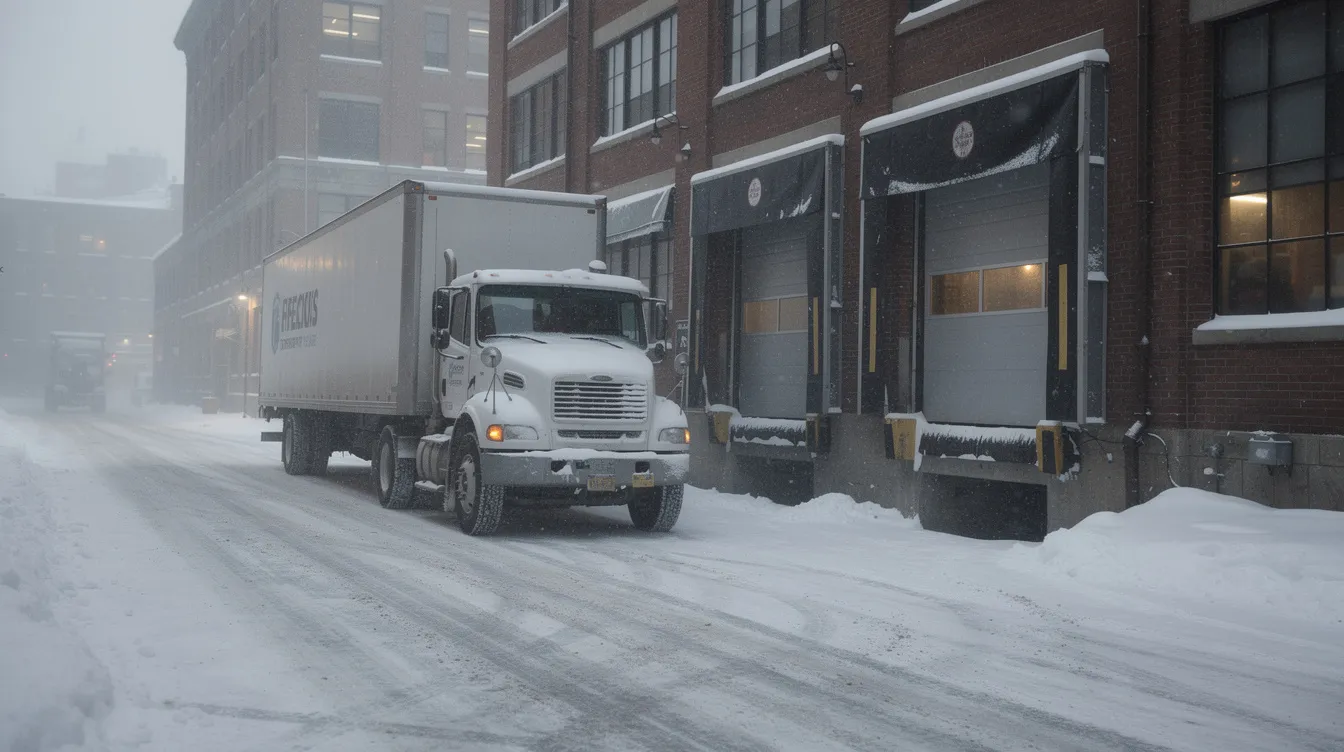
Minnesota winter affects timing, driving speeds, and staging. It is not a disaster scenario, but it does change how a production schedule is built. A January conference at the Minneapolis Convention Center or a December gala in Bloomington typically requires more load-in buffer than a June sales meeting in Edina. Front Row FX builds time for slower truck transit, cautious backing into icy docks, and longer equipment pushes when sidewalks or service ramps are slick. Adding 1 to 2 hours of margin to a Minneapolis corporate AV load-in on a February morning is standard practice.
Specific winter constraints that matter:
-
Snow emergency parking restrictions change overnight curb access near downtown venues. Once declared, Day 1 restrictions begin at 9 p.m., Day 2 at 8 a.m., with rotating odd/even side parking rules that can block truck access or crew parking.
-
City plowing schedules can block or open certain alleys and loading approaches. Some service driveways may not be cleared until later in the day.
-
Indoor staging space is necessary when outdoor prep is not realistic due to cold or wind. Cold temperatures affect batteries, LED modules, and display performance.
Crew and truck planning adjusts accordingly:
-
Earlier call times when roads may require slower driving from Eagan, St. Paul, or Maple Grove.
-
Backup routes into downtown if I-35W, I-94, or Highway 62 traffic slows due to accidents or weather.
-
Verification that hotel or venue docks are cleared and safe before heavy cases arrive.
For outdoor or semi-outdoor productions in winter, weather-rated cabling and coverings are added, heated staging or prep areas are used where practical, and generators and power distribution must remain protected from snow and ice. None of this is exotic-it is simply what winter in Minnesota requires of a professional team.
Downtown Loading, Hotels, and Convention Environments
In Minneapolis AV production, a venue address is not a complete load-in plan. The critical details are dock location, marshalling, and internal circulation.
Downtown Loading
-
Dock reservations and scheduled 30- to 60-minute windows at busy hotels or the Minneapolis Convention Center are common. The MCC marshaling yard provides an initial 45 minutes of free unloading before fees apply.
-
Restricted curb lanes near Nicollet or Hennepin prevent casual truck parking. Commercial loading zones typically allow a maximum of 30 minutes unless otherwise permitted.
-
Long pushes from dock to ballroom through service corridors and freight elevators are the norm, not the exception.
Hotels
Contracting AV providers may help bypass hotel in-house monopolies on audiovisual services, which is relevant when events need custom LED screens, lighting, or more complex show management. Hotel-specific considerations include:
-
Service corridors and shared freight elevators create bottlenecks when multiple events flip on the same day.
-
Early coordination on staging space for road cases-back hallways versus service rooms-avoids congestion during load-in and strike.
-
Planning around hotel house power, ceiling height, existing rigging points, and policies on tape, floor protection, or haze is essential. Many downtown hotels have lower ceilings than convention halls and may insist on ground-support structures rather than flown systems.
Convention Environments
The Minneapolis Convention Center illustrates the scale of planning required. Its five exhibit halls total 475,200 square feet, with ceiling heights in Halls B through E reaching approximately 30 feet 6 inches to the lowest truss. Planners will encounter categories of rules including production guidelines, exclusive or preferred vendors for power and rigging, union or contracted labor resources (Teamsters Local 320), and security check-in procedures. Internet and phone services run exclusively through a designated provider.
Front Row FX coordinates with in-house teams for rigging, power distribution (120/208V services), internet, and dock scheduling rather than guessing on show day. Rigging plans for anything over 50 pounds must be submitted approximately 30 days in advance.
Construction, sports games, marathons, and large conventions can block common truck routes to downtown docks, making specific arrival windows and backup routes essential.
Must-confirm items when booking a Minneapolis event production company:
-
Dock location, hours, truck size limits, and clearance heights
-
Freight elevator dimensions and weight limits
-
Distance from dock to event space
-
Utility ordering deadlines and exclusive provider policies
-
Rigging capacity, approved riggers, and submission timelines
-
Floor protection, tape, and haze machine policies
Power, Rigging, and Venue Rules: Technical Details With Local Impact
Local knowledge changes technical design choices. Power and rigging options at a Minneapolis warehouse, hotel ballroom in Bloomington, or campus venue in St. Paul are not interchangeable.
Power Planning
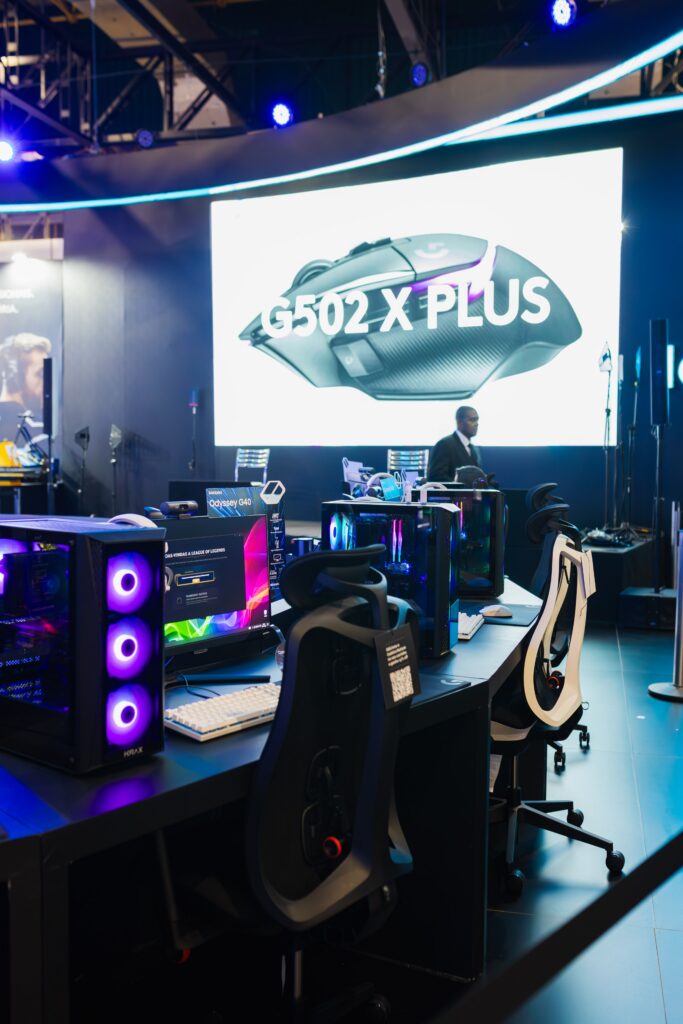
Standard 20A 120V circuits power a basic corporate meeting, but simply hoping for enough outlets is risky when the production includes LED video walls, concert-scale audio, or extensive lighting. Corporate events commonly require indoor and outdoor AV solutions, including video walls and sound systems, and these draw significant power. AV equipment includes audio, video, and lighting systems that collectively can exceed available house circuits.
Temporary 120/208V power, larger distribution, and generator integration are planned in advance with venue electrical teams. At the Minneapolis Convention Center, power must be ordered ahead, with floor boxes installed by MCC staff. Exhibitors cannot access or modify floor boxes themselves.
Power is part of system design from the proposal stage-not a day-of-event question when equipment is already on site.
Rigging Decisions
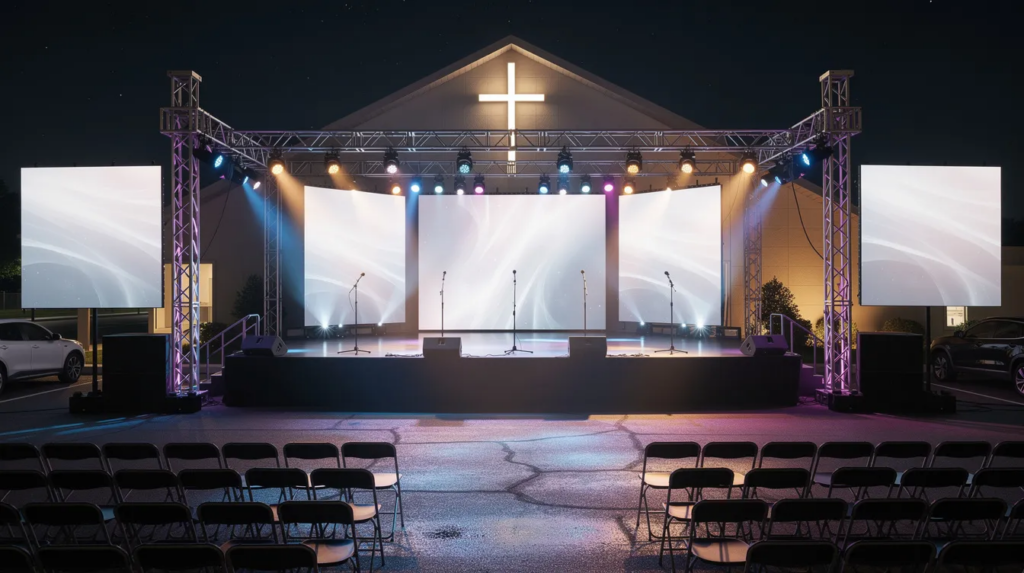
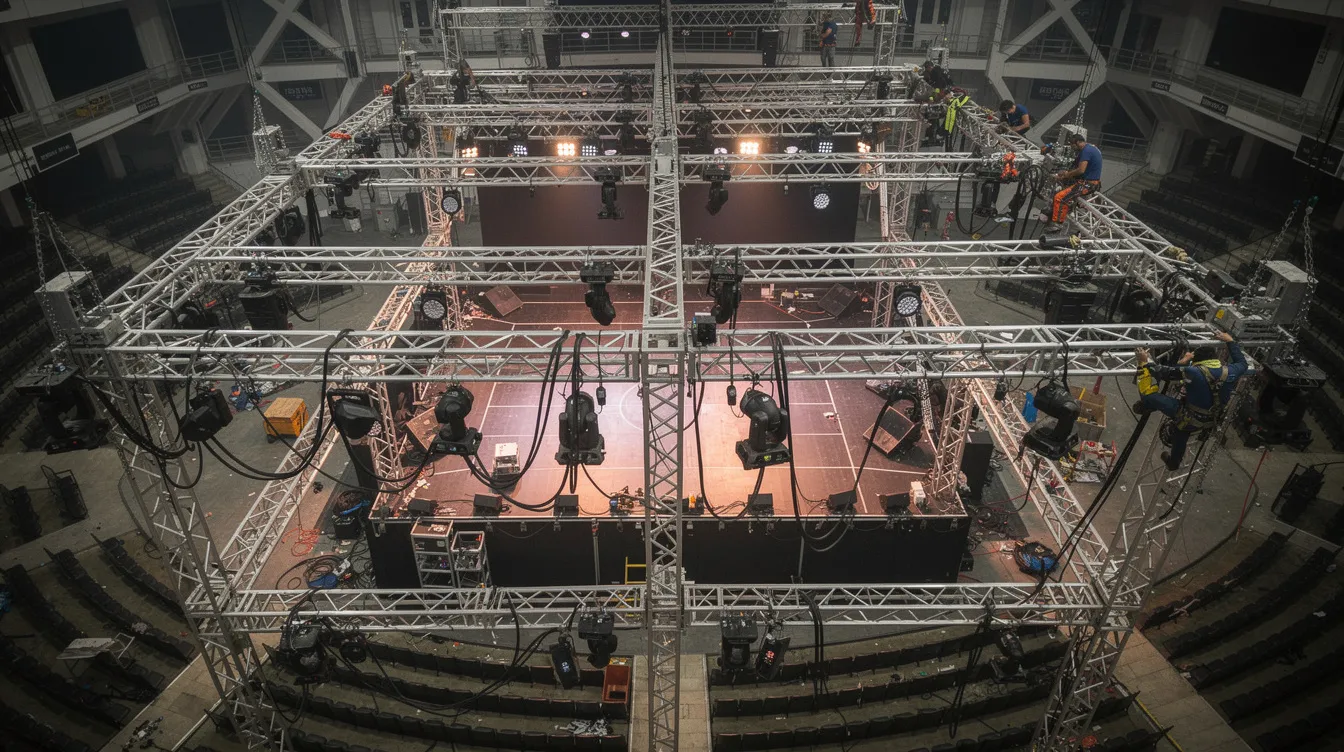
LED video walls are a core capability in AV production, but whether they can be flown depends on venue engineering, ceiling structure, and available rigging points. A low-ceiling ballroom in Edina may favor ground-support towers. A taller downtown venue may support truss and motors. Neither option is universally cheaper or universally allowed-each is evaluated based on the specific room.
At the MCC, rigging over 50 pounds requires venue-approved riggers, with rig plots submitted roughly 30 days before move-in. Hanging signs over 150 pounds require motors, box truss, and dedicated power (30 amp, 208V/3-phase).
Venue Rules and Policies
Common categories of restrictions include haze machines, cold sparks, open flame, lasers, cable routes across guest paths, and floor protection on historic or sensitive surfaces. Minneapolis and St. Paul fire and building codes can affect special effects, and Front Row FX coordinates approvals before promising cold spark fountains or heavy atmospheric haze. AV systems can also integrate videoconferencing and digital signage, but cable routing and network access policies vary by venue.
Different venues-warehouse studios in the North Loop, hotel ballrooms in Minnetonka or Eden Prairie, and university performing arts centers-have different expectations on load-in times, security escorts, and strike deadlines that must be built into the show schedule.
Power and rigging checklist for planners:
-
Confirm available house power (amps, voltage, phase)
-
Determine whether temporary power or generator integration is needed
-
Identify ceiling height and certified rigging points
-
Ask whether venue requires licensed engineers or approved riggers
-
Verify special effects policies and permit requirements
-
Confirm cable routing and floor protection rules
Traffic, Special Events, and Regional Labor Logistics
Traffic and special events in Minneapolis directly change call times and trucking plans:
-
Evening concerts or games at Target Center or U.S. Bank Stadium congest downtown streets during ingress and egress.
-
Downtown festivals or parades close streets that may include truck routes.
-
Large conventions at the Minneapolis Convention Center increase delivery congestion in marshaling yards and loading docks.
Front Row FX staggers truck arrivals and crew call times around these events, using local knowledge of common bottlenecks on I-94, I-35W, and key exits into downtown, Bloomington, or Plymouth. These companies specialize in corporate conferences, concerts, galas, and hybrid events, and managing the logistics around busy calendars is part of the work.
Regional Labor
The Twin Cities support a strong pool of audio engineers, lighting programmers, LED technicians, camera operators, and stagehands across Minneapolis, St. Paul, and surrounding suburbs. Regional labor planning ensures enough crew for simultaneous load-ins, tech rehearsals, and show calls on busy weeks. While individual venues may have preferred or exclusive labor partners, a local AV production Minneapolis team knows how to integrate house resources with its own crew for show-calling, system operation, and backstage coordination.
Travel time for crew reaching early morning installs in places like Woodbury, Eden Prairie, or Stillwater must be factored into the schedule so that rehearsals for corporate meetings or general sessions start on time. During peak seasons, when demand for specialized crew spikes, earlier booking and clearer scheduling become even more important.
Timing advice for planners:
-
Check the downtown sports and event calendar before scheduling first truck arrival
-
Avoid loading windows that overlap with major stadium ingress or egress
-
Confirm crew call times account for suburb-to-venue travel, especially in winter or rush hour
-
Verify route clearance and construction detours before the morning of load-in
Backup Equipment, Different Venue Types, and Regional Reach
The value of a Minneapolis event AV partner is not only what is loaded on the first truck, but also what backup resources are realistically reachable when something changes or fails.
Local Backup
Quick access to replacement LED processors, microphones, cabling, lighting fixtures, or networking gear from Eagan or other Twin Cities storage can make the difference between a delayed show and an on-time start. Not every part is guaranteed to be instantly available, but regional inventory and relationships with local service providers reduce risk significantly. A service van making a same-day run across the metro area is a different proposition than shipping a replacement from another state.
Different Venue Types
Local knowledge adapts production plans to each environment:
-
Corporate campus spaces in Bloomington or Minnetonka require discreet load-ins and coordination with on-site security.
-
University event environments near the light rail may have strict timing around classes or student use, longer walk loads from loading to stage, and building access restrictions.
-
Outdoor activations along the riverfront or in parks demand power planning, weather contingencies, and city permits.
Local Accountability, Regional Production Capability
Front Row FX is not a small Minneapolis-only vendor. The company’s Minnesota base in Eagan and additional operations out of Atlanta allow for scalable support: from focused LED video wall or sound reinforcement at a single Twin Cities venue to multi-day, multi-room conferences across Greater Minnesota and Wisconsin.
Front Row FX offers LED video walls and sound reinforcement alongside event lighting and complete technical production. The creative vision and design for an event should not be limited by whether the production partner can operate outside city limits.
How Front Row FX Applies Minneapolis AV Production Knowledge
AV companies manage technical planning and on-site show operations for events. Full-service audiovisual providers ensure seamless operations for corporate conferences. Here is how Front Row FX connects the operational realities discussed above to its planning and execution process:
-
Discovery: Initial conversation focused on goals and constraints-event size, venue, schedule, and creative vision for the production.
-
Site review: Technical conversation about the specific venue’s loading docks, power, rigging options, and rules, ensuring clarity on what the space allows and what it does not.
-
Production plan: Development of a complete audiovisual production plan that includes schedule, crew, equipment, and logistical assumptions.
Key service areas applied to Minneapolis event production:
-
Conference AV production planning that factors in room turns, breakout schedules, and graphic design for presentation systems.
-
LED video wall production for general sessions and exhibits, with rigging and power coordinated to venue specifications.
-
Professional sound reinforcement for ballrooms and larger convention halls.
-
Event lighting for stage, ballroom, and immersive brand environments.
-
Show calling and stage management that control timing, cues, and room turns.
Front Row FX has also offered seasonal promotions-such as 10% off select packages-to make professional production more accessible for events during certain periods. The company supports not only corporate events but also concert-scale productions and luxury weddings with the same systems integration and technical depth.
Planners can share event dates, venues, and goals through the inquiry form to start a realistic Minneapolis AV production plan. The advantage is not just owning AV equipment-it is knowing how to get that gear in, powered, and operating reliably within Minneapolis’ real-world constraints.
FAQ: Minneapolis AV Production Planning
How much extra time should we plan for winter load-ins in Minneapolis?
There is no single fixed rule. For a January or February load-in, building in 1 to 2 additional hours of margin is common. Earlier crew call times, verified dock clearance, and backup highway routes account for slower transit and icy conditions. Each event is assessed based on venue, date, and forecast. Learn from experienced local teams what adjustments apply to your specific situation.
Should we use venue in-house AV or bring in a production company?
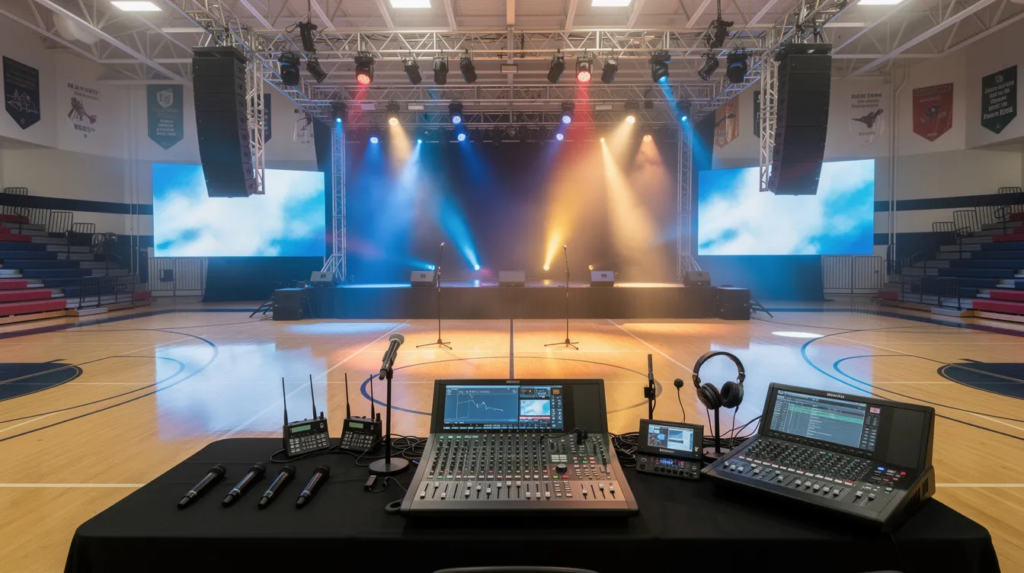
For a basic meeting with a projector and podium mic, in-house hotel AV may be sufficient. When events need custom LED video walls, concert-level sound, programmed lighting, or multi-room show management, contracting an outside production company provides more creative control and often better solutions. Contracting AV providers may also help bypass hotel in-house monopolies on audio visual services. Equipment rental from an outside provider can match the event’s actual needs rather than the venue’s standard inventory.
Who handles dock scheduling and truck logistics-us or the AV partner?
A capable Minneapolis event production company handles dock coordination, truck staging, freight elevator scheduling, and route planning as part of its scope. Planners should confirm that their AV partner is managing these details directly with the venue, rather than assuming the planner will coordinate loading logistics independently.
When does a corporate event need more than standard 20A power?
Any production with LED video walls, large-format projection, concert-scale audio, or extensive stage lighting will likely require temporary power-typically 120/208V three-phase distribution or generator integration. A professional AV partner addresses power requirements during the design phase and coordinates with the venue’s electrical team well before load-in. This is where systems integration matters in practice.
Does Front Row FX only work in downtown Minneapolis?
No. Front Row FX regularly supports events in St. Paul, Bloomington, Maple Grove, Eden Prairie, Woodbury, and across Minnesota and Wisconsin. The Eagan headquarters and Atlanta operations enable regional and national reach. Local accountability with regional production capability means the same operational depth applies whether the event is downtown or at a corporate campus in Plymouth.