Multi-Day Corporate Event AV: Designing One Build for Many Show Looks
Introduction: Multi-Day Corporate Event AV Strategy
Multi-day corporate event AV refers to designing a single, core technical environment that supports every session format across a conference spanning three or four days. Picture a 2025 leadership conference in Minneapolis: a general session each morning for 800 attendees, ten simultaneous breakout rooms at midday, an awards gala on the final evening, and sponsor content threaded throughout. Professional AV services improve audience engagement and communication across all of those formats, but only if the production infrastructure is planned as one coordinated system from the start.
The goal is not to cut costs. The goal is consistency, speed, and fewer technical surprises across the full event. Pre-event planning ensures all technical elements meet the needs of the production before doors open on Day 1. Multi-day corporate events require reliable AV solutions for scalability and engagement at every stage of the program.
Here is what that approach delivers:
One core build that supports keynotes, panels, awards, receptions, sponsor segments, and breakouts without tearing down the room
Faster transitions between sessions (programming changes, not physical rebuilds)
Better rehearsal time because the infrastructure is stable and tested
Reduced risk of hardware errors from repeated setups
Consistent visual and audio quality from first session to last
Front Row FX is a Minnesota-based full service audiovisual production partner for multi-day conference production throughout Minneapolis, St. Paul, Wisconsin, Chicago, and the Upper Midwest. This article breaks down how to design one build for many show looks.
Defining Multi-Day Corporate Event AV Requirements
A realistic scenario: a 3-to-4 day corporate event with 500 to 1,000 attendees. The agenda includes morning keynotes, afternoon panels, an executive briefing track, a sponsor showcase, an evening awards ceremony, and a closing reception with live entertainment. Corporate events require careful attention to audio visual integration across all of these formats. Booking AV services 2 to 6 months in advance is recommended for large events at this scale.
Typical formats that one core system must support:
General session AV for keynotes and panels
Awards ceremonies with video packages and live presenters
Fireside chats with relaxed staging and warmer lighting
Sponsor content segments with branded transitions
Entertainment blocks (small band, DJ, or featured performer)
Livestream or recording for virtual audiences and hybrid events
Walk-in and walk-out content loops
Simultaneous breakout tracks (5 to 20 rooms)
AV setups for large events must support multi-room functionality for breakout sessions. Professional AV setups should consider the specific needs of both in-person and virtual attendees. The difference between single-day event AV and multi-day event production comes down to four factors: duration of equipment use, continuity of the production team, volume of content flowing through the system, and the need for the experience to evolve across days without rebuilding.
Primary systems involved: audio, LED or projection, lighting, playback, cameras, show control, communications, power distribution, and stage infrastructure.
Core Principle: Reuse the Infrastructure, Change the Experience
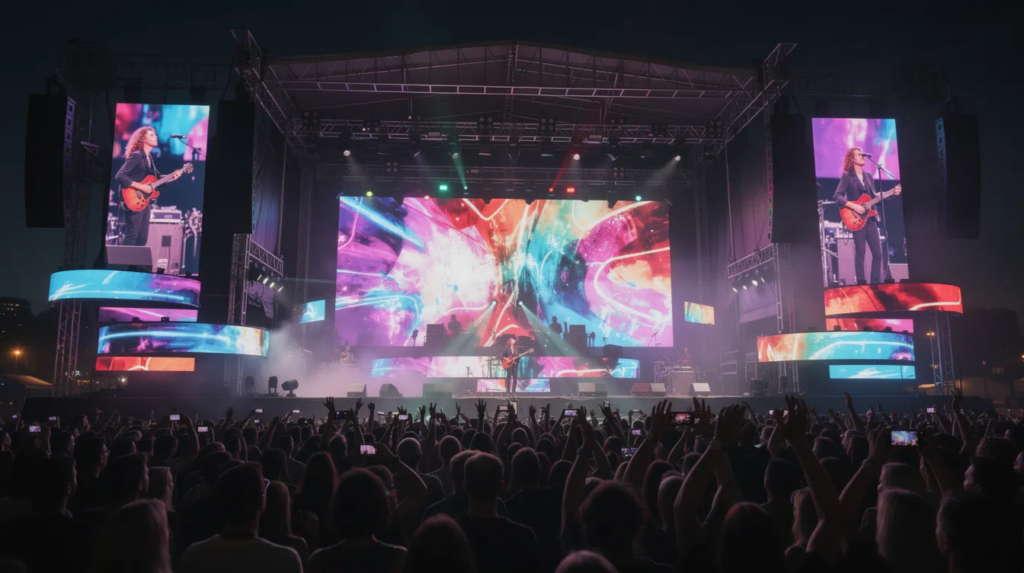
The central concept is straightforward. Day 1: a leadership keynote with a single speaker, bold corporate branding on the LED wall, and dramatic front lighting. Day 2: a panel-heavy agenda with five wireless microphones active, softer washes across the stage, and a multi-window screen layout. Day 3: an awards gala with beam effects, cinematic motion graphics, and spotlight cues for winners. Same room. Same rigging. Same equipment. Different experience every time.
Smart corporate event production design allows visual and experiential change primarily through programming: lighting scenes, content layers, show file recalls, microphone routing presets, and camera position saves. Brand consistency enhances professional image during corporate events, and visual consistency reinforces corporate identity across every session. Effective AV strategies enhance brand visibility at corporate gatherings without requiring the room to be stripped and rebuilt every few hours.
Room turns between a general session ending at 5 PM and an evening reception starting at 6 PM become a matter of recalling cues, not calling in a second crew
Consistent quality carries from morning keynote through evening gala
Risk drops because hardware stays in tested positions
More time opens up for speaker rehearsals and content refinements
This approach is especially powerful for corporate environments with packed agendas and short transition windows, which describes most event planning scenarios at the leadership summit or national sales meeting level.
Designing the General Session AV Environment
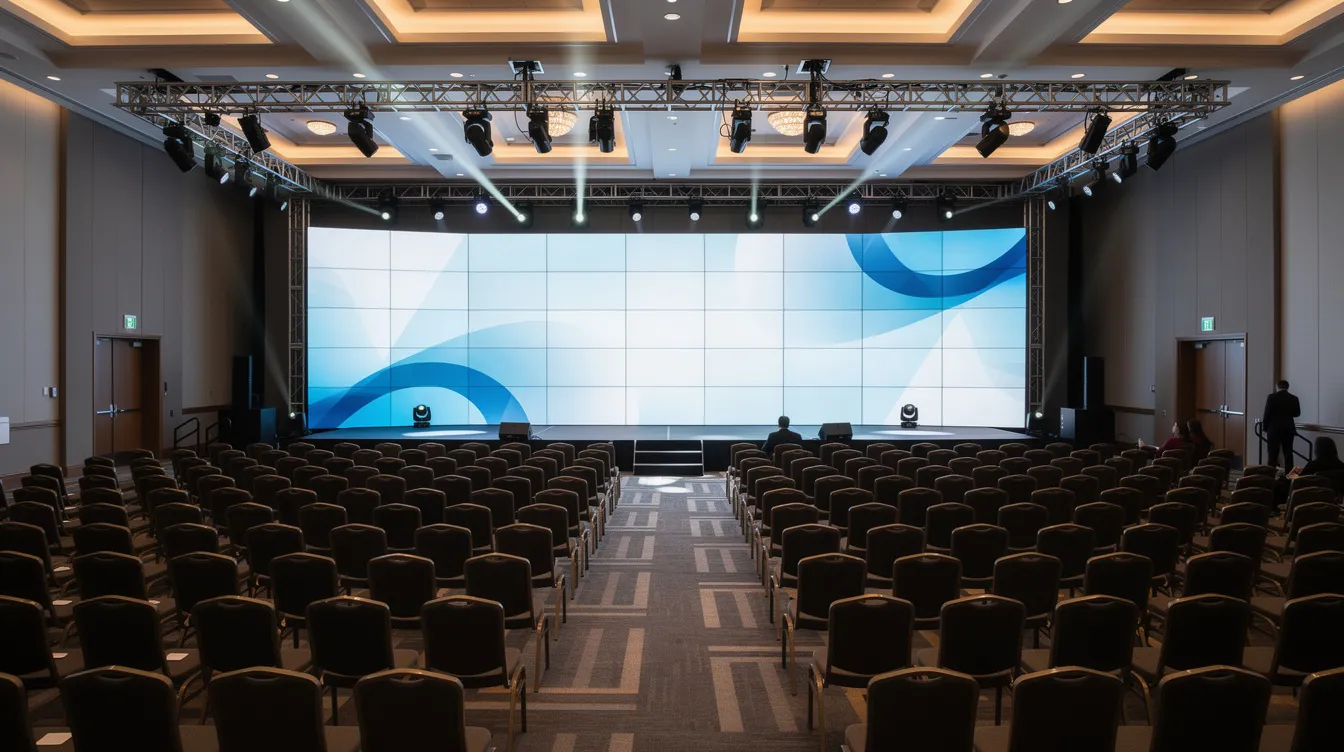
The main general session room handles the widest range of formats over multiple days: executive keynotes, panel discussions, product demos, fireside chats, awards, sponsor segments, and entertainment blocks. Dynamic visual displays enhance audience engagement at corporate events, and the general session is where that impact concentrates.
Front Row FX approaches event design by building for the maximum technical requirement first, then scaling down in programming for simpler sessions. If the largest panel needs eight wireless microphones and a five-window screen layout, the system is built for that. A solo keynote with one mic and a full-bleed slide simply uses less of the same infrastructure.
Core elements for a multi-purpose general session:
Main LED video wall or projection blend at adequate resolution for the viewing distance; LED video walls enhance visual communication at events and provide high-quality visual communication for audiences at every seat
Stage lighting system with key, fill, back, and side positions plus intelligent fixtures for color and movement
Speech-focused audio system with full room coverage and delay speakers for ballroom-scale spaces
Camera positions for IMAG (image magnification systems allow the audience to view speakers clearly in large venues), recording, and streaming
Redundant playback machines and presentation computers
Show control computers coordinating lighting, video switching, and audio cues
Intercom and cue lights for backstage coordination
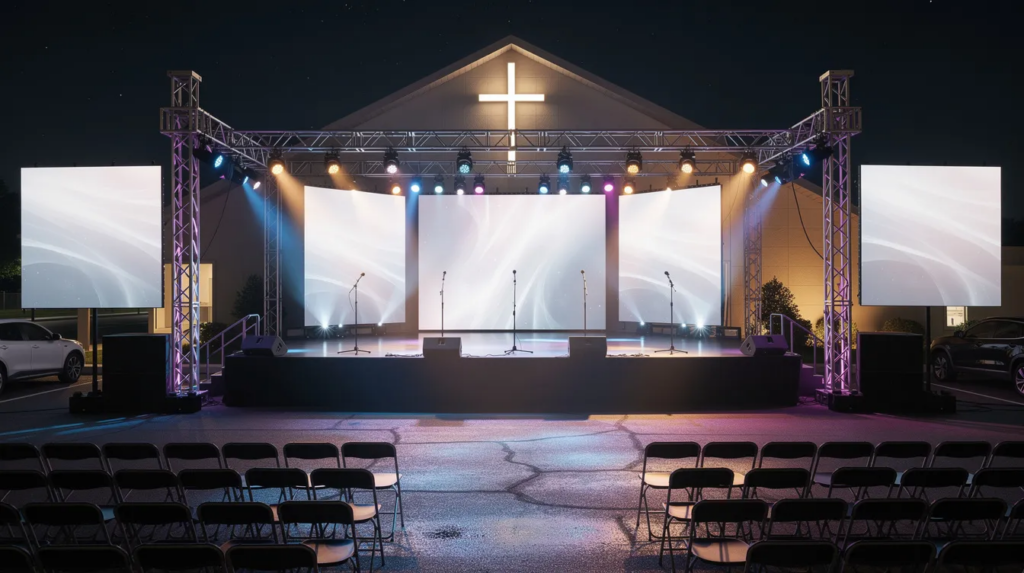
Stage layout planned from Day 1 with furniture zones for lectern, panel table, and lounge seating, with entrance and exit paths that work without moving heavy scenic pieces
Reusable Technical Design: One Build, Many Program Formats
Reusable technical design means every department pre-programs their system for multiple show looks before the event opens. Utilizing advanced signal routing improves media management across multiple event spaces, and AV technicians handle real-time adjustments during events for smooth execution within those pre-built frameworks.
Lighting scenes pre-programmed for keynote, panel, awards, evening reception, entertainment, and walk-in looks; switching formats is recalling a cue, not re-hanging fixtures
Content templates defined on the LED wall: full-slide, picture-in-picture, lower thirds with speaker names, sponsor logo overlays, and background motion loops
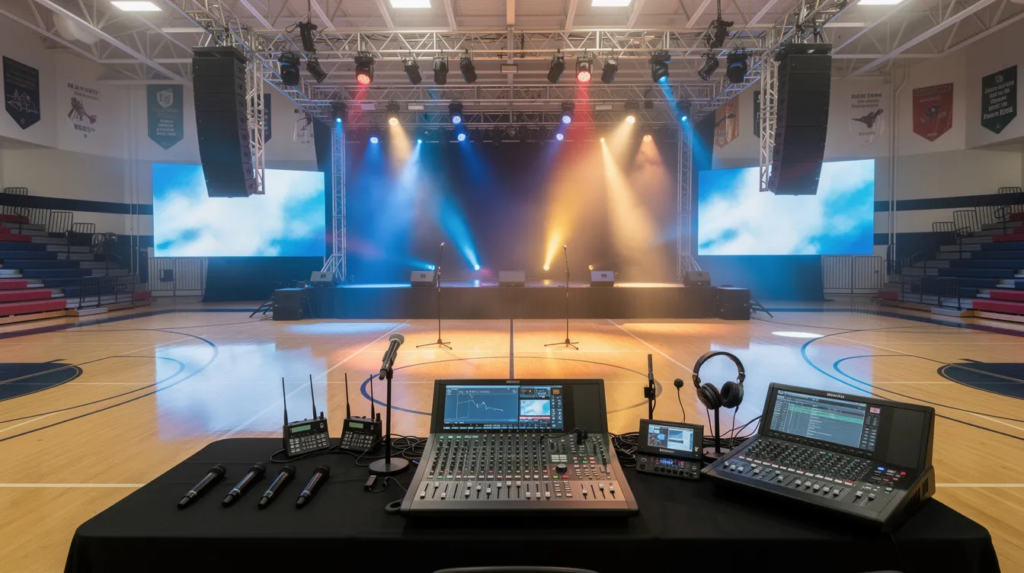
Microphone presets saved on the digital console: single-presenter EQ and routing, panel discussion routing (multiple open mics with gating), video playback feed, walk-in music mix
Camera presets stored for IMAG and recording: lectern framing, wide panel coverage, awards handshake position, audience reaction shots, sponsor segment close-ups
By Day 2 and Day 3, the crew spends less time adjusting because presets are tested, refined, and proven. The production team focuses on execution, not troubleshooting.
LED Walls, Projection & Digital Scenic Across Multiple Days
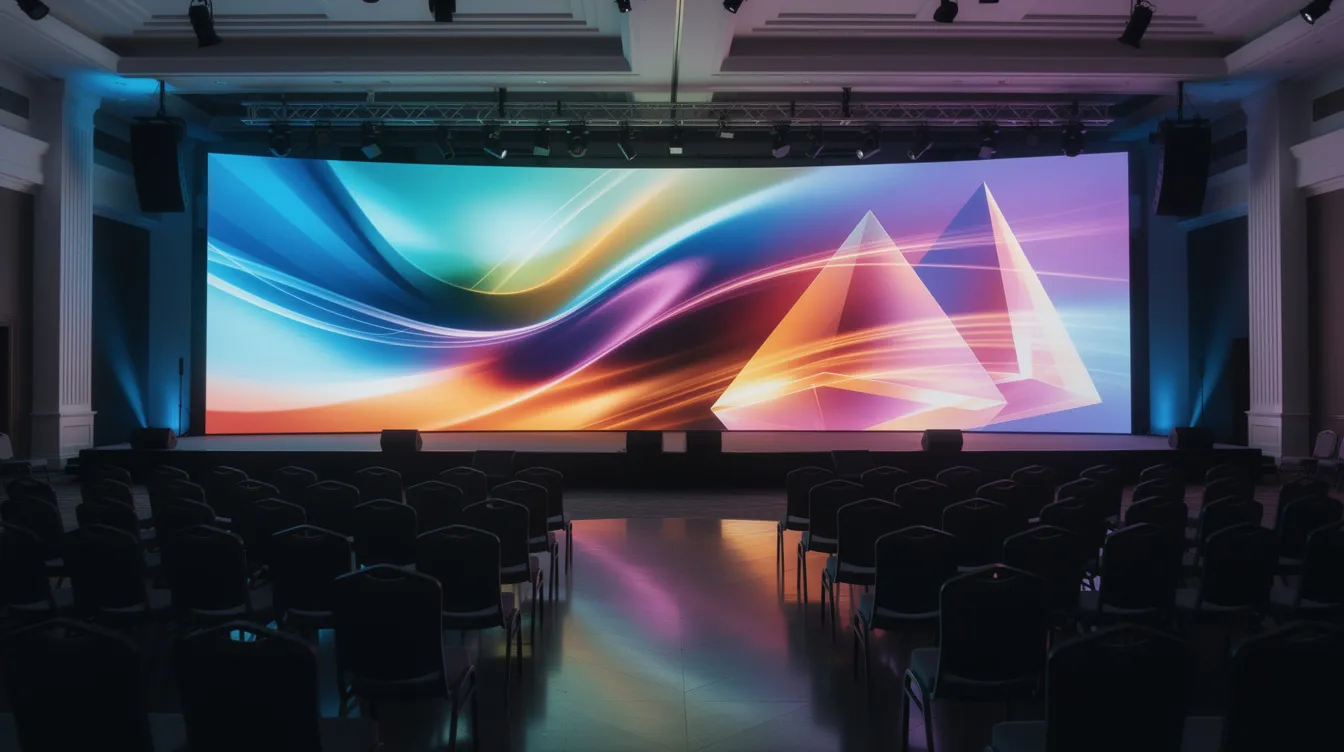
A single main LED video wall or projection canvas serves as the digital scenic centerpiece for the entire conference. Video mapping transforms surfaces into immersive visual displays, and content layering gives planners the ability to maintain visual consistency while changing the atmosphere session by session. Professional AV services ensure seamless brand integration during events, and maintaining brand standards is crucial for every session across the program.
Morning general session: corporate brand colors, clean logo placement, high-contrast slides for keynote content
Afternoon panels: softer background tones, multi-window layout showing moderator and panelists, lower-third name graphics
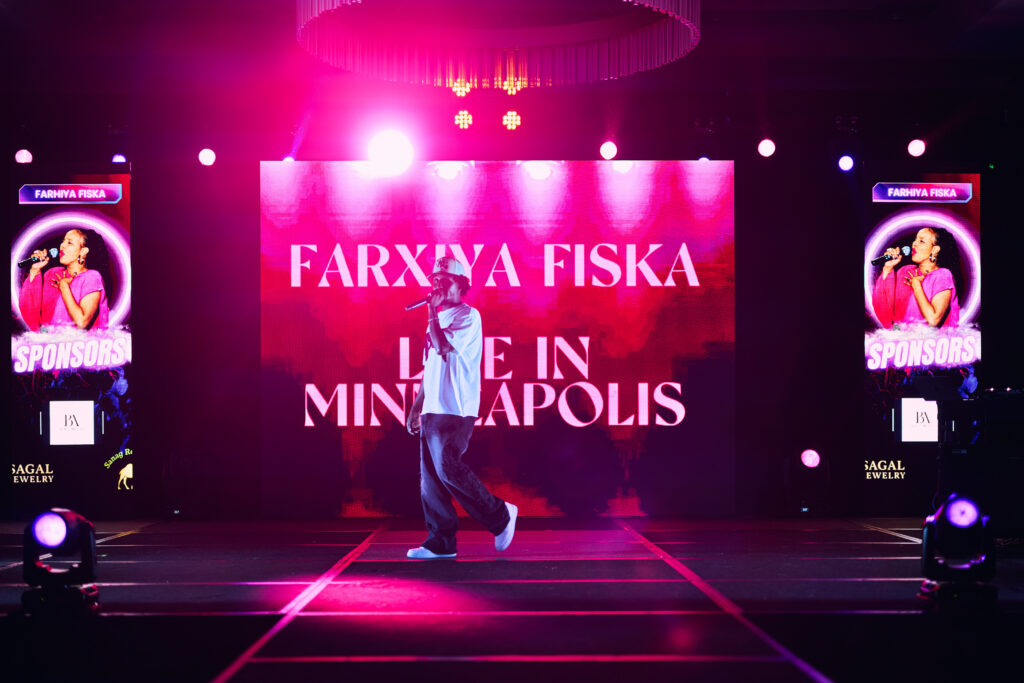
Evening awards: rich cinematic motion graphics, nominee video packages, dramatic color shifts between segments
Reception: ambient visual textures, slow-moving scenic content, sponsor logo rotations
Screen layout switching supports these looks: full-bleed for keynotes, picture-in-picture for presenter plus slides, three-window for panels, sponsor takeover frames, and looping walk-in content. The LED wall stage design stays physically identical; the content pipeline changes what the audience sees.
Lock content specifications early: resolution (1920×1080 or 3840×2160), safe areas, aspect ratio (16:9), frame rates, and file naming conventions (e.g., “Day3_Awards_NomineePackage_v2.mp4”) so sponsors and agencies deliver compatible media without last-minute re-renders.
Lighting for Evolving General Sessions and Receptions
A programmable lighting rig allows different show modes without physically re-hanging fixtures. Effective lighting design is crucial for maintaining visual quality during presentations and events across every format on the agenda.
Specific looks to pre-build:
Keynote: high color temperature white (around 5,600K), strong frontal key light on the speaker, minimal side color accents
Panel: even washes across the stage, more fill, softer shadows for on-camera flattering coverage
Fireside chat: warmer tones (3,200K to 4,000K), reduced intensity, more ambient side light
Awards: beam fixtures, gobos, dynamic color hits, spotlighting for winners, haze for visible beams
Reception: ambient color washes, uplighting around the room perimeter, decorative accent fixtures
Entertainment: dynamic music-driven cues with color movement and tempo changes
Walk-in and walk-out looks signal transitions between sessions. A well-designed rig includes consistent key light zones that work whether the speaker is standing at a lectern, seated on a stool, or on a sofa, so stage furniture can move without re-aiming every fixture.
Audio System Design for Multi-Day Corporate Events
A speech-first audio system prioritizes intelligibility. High-quality audio systems include digital mixing boards and wireless microphones, and audio clarity is critical for successful multi-day events. Professional audio solutions ensure clear sound for all attendees, whether seated in the front row or at the back of a 12,000-square-foot ballroom. Professional audio systems ensure crystal clear sound through zone coverage planning with delay speakers where necessary.
Typical mic inventory for multi-day conference AV:
Lectern microphone (wired or wireless)
4 to 8 wireless handhelds for panels, Q&A, and awards presenters
Headset microphones for key executives who need hands free during product demos
Lavalier microphones for panelists
Backup units for every critical wireless channel
Console show files and scenes store different routing and processing snapshots: single-presentation EQ, panel discussion (multiple open mics with gating and compression), awards with stingers and walk-up music, and sponsor video playback. Recalling these presets keeps transitions smooth and broadcast quality audio consistent day after day. Playback audio integration manages levels for video rolls, bumper music, and walk-in playlists so volume stays controlled across every transition.
Show Control, Playback, Content Workflow & Run of Show
Integrated show control coordinates graphics playback, video rolls, audio stings, and lighting cues across a dense 2-to-3 day agenda. Effective logistics management ensures smooth event setup, and logistics tasks include managing setup, equipment, and schedules for every session. Professional event production companies streamline logistics management by centralizing content workflow and cue coordination.
Content arrives from many sources: PowerPoint, Keynote, PDFs, pre-produced videos, sponsor reels, award nominee packages, speaker walk-up music, and last-minute revisions
Naming conventions and folder structures let the team find “Day2_GeneralSession_PanelB_video03.mp4” in seconds instead of guessing
A detailed technical run-of-show and cue sheet specifies who rolls what, on which device, at which timestamp, for every segment each day
Well-organized playback and show files allow late agenda changes to be integrated with minimal risk, which is critical in executive-level corporate meetings
Room Resets, Stage Furniture & Minimizing Physical Changes
Initial stage design anticipates every format. A lectern lives center stage. A panel table pre-positions stage left. A sofa grouping sits stage right. The core stage structure, including risers, decks, and stairs, stays constant across all three days. On-site management teams handle vendor coordination and event execution, and logistics management includes ensuring compliance with safety standards during every transition.
Modular furniture on casters allows crew to convert from keynote to panel to fireside chat in under ten minutes
Hard-wired elements stay in place: podium mic lines, confidence monitors, cable drops, audio returns, and power distribution
Movable elements: chairs, tables, stools, small scenic accents
Fewer physical resets mean less risk of cable damage, fewer delays, and more energy preserved for the moments that matter to the audience
Breakout Rooms: Standardized, Repeatable AV Packages
While the general session carries the primary production infrastructure, breakout rooms use standardized, repeatable AV packages. Event streaming increases audience engagement beyond physical venues, and hybrid event technology allows seamless integration of remote and in-person participation where breakout content needs to reach virtual audiences. Hybrid events require advanced AV technology for that integration. Multi-day corporate events often utilize redundant internet connections for streaming across both general session and breakout tracks.
Standard breakout AV package:
Screen with projector or large flat-panel display
Small PA for speech reinforcement
2 to 4 wireless microphones
Laptop connectivity
Basic recording where required
Repeatable configurations across 5 to 20 breakout rooms mean faster load-in, a predictable experience for presenters who move between rooms, and simpler support for roaming technicians. Breakout rooms typically cost $800 to $2,500 per day per room depending on size and tech level. The focus in breakouts is reliability, consistent quality, and ease of use over heavy customization.
Crew, Rehearsals & Continuity Across Event Days
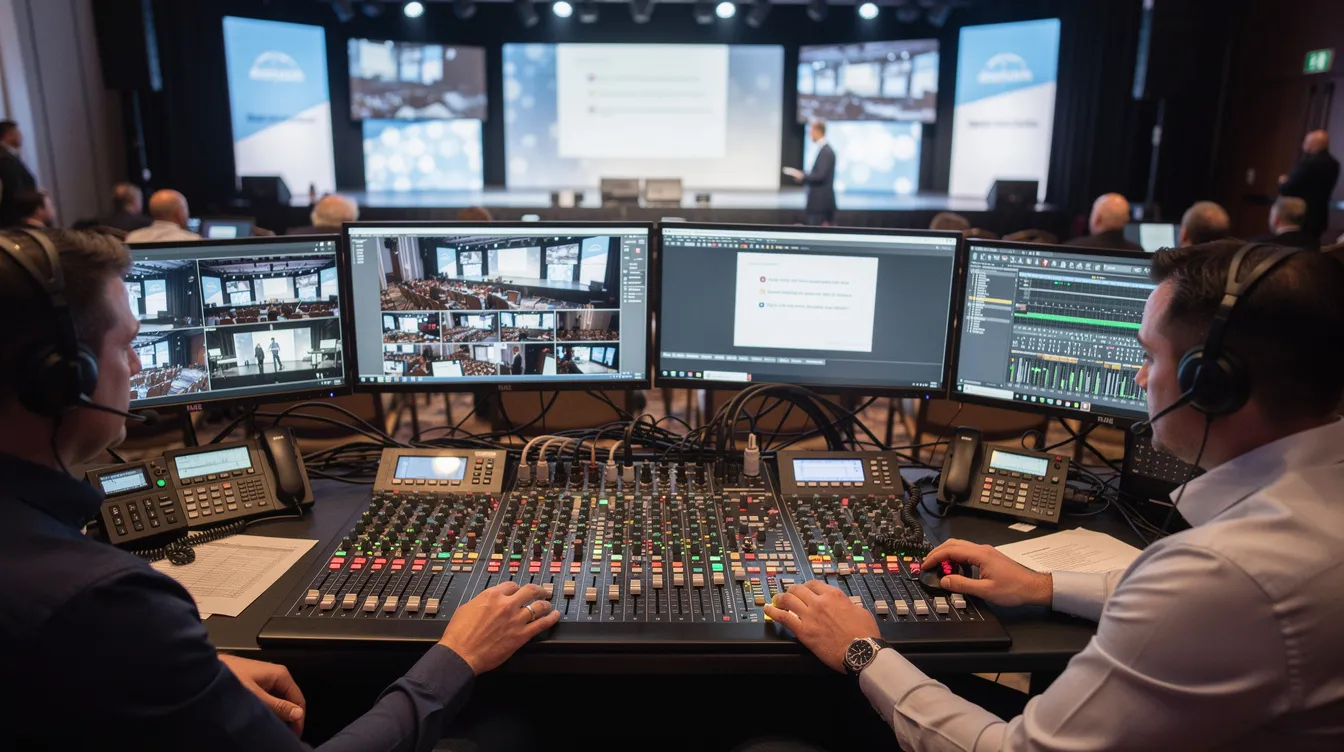
A consistent core crew staying with the event from pre-production through the final session is as critical as the right equipment. Dedicated technical support is essential for managing AV during multi-day events. Technical support ensures flawless audio visual function during events, and that support includes managing audio, video, and lighting systems across every format. Technical support prevents equipment malfunctions during events. Expert technical support prevents equipment malfunctions and disruptions before they reach the audience. Technical support is essential for flawless event execution at the corporate level.
Core roles: audio engineer, lighting operator, video engineer, camera operators, stage manager, show caller, technical director, and content manager
Institutional knowledge builds across days: crew learns executive preferences, speaker pacing, and company culture on Day 1 and refines execution on Days 2 and 3
Rehearsal workflows: full general session technical rehearsal the day before, daily doors-open checklists, speaker checks each morning, and run-throughs for high-stakes keynotes or awards
Communication systems: wired and wireless intercom, cue lights, and clear chain-of-command so last-minute changes from executive communications flow cleanly to every technical department
Experienced professionals who stay with the show build the kind of expertise that turns a good event into unforgettable experiences for the audience.
Redundancy, Reliability & Risk-Appropriate Planning
For multi-day corporate event AV, reliability is about risk-appropriate redundancy, not overbuilding every system. Continuous testing of AV equipment is essential for preventing technical failures. Redundant equipment and backup strategies help prevent disruptions during events at every level of the program.
Dual playback machines for the general session so a hardware failure does not stop the show
Spare wireless microphones and fresh battery packs staged backstage
Backup show laptop with a mirror of the primary show file
UPS or backup power for critical audio and video paths
Spare recording drives for high-value sessions (leadership keynotes, awards)
Routine health checks each morning and between sessions verify microphones, slides, comms, and lighting cues for the next block of content. The scale of redundancy matches the stakes: a quarterly leadership summit gets full backup on video and audio; an internal training breakout may not need the same level of protection.
Budgeting & Scaling Multi-Day Production Without “Starting Over”
Multi-day corporate event AV budgets for a full general session build, several breakouts, recording, and selective livestreaming typically land in the $80,000 to $150,000+ range, depending on scope, rooms, venue, crew, and technical requirements. These are custom ranges, not packages. Budget optimization maximizes audiovisual impact within available resources. Transparent pricing enables informed decision-making during event planning, and budget efficiency is crucial for maximizing return on investment. Understanding AV investment impacts business outcomes at every organizational level.
Designing one infrastructure that serves many formats lets that budget deliver more polished looks over multiple days instead of paying for repeated room rebuilds
Financial decisions should focus on impact areas: general session LED, lighting design, crew continuity, and recording
Labor typically represents 30 to 50 percent of total AV budget for multi-day events with complex programming
Front Row FX works with planners and producers to prioritize where advanced technology delivers the most value relative to business objectives and organizational goals
How Front Row FX Supports Multi-Day Corporate Event AV in the Upper Midwest
Front Row FX designs audio, LED, projection, lighting, cameras, playback, and show control as one coordinated environment for multi-day corporate events. Professional AV services improve audience engagement and reduce technical issues across every session format. The team brings the technical expertise and technical capabilities to manage events from strategic planning through on site execution.
Regional experience supporting conferences and corporate events across Minneapolis, St. Paul, Rochester, Duluth, Madison, Milwaukee, Chicago, and other Upper Midwest markets
Collaborative approach: working alongside internal event planning teams, agencies, and venues to align event AV with brand standards, business goals, and the brand’s reputation
Full service audiovisual production covering every system from audio visual elements to show control to comprehensive support and ongoing support throughout the event
A trusted partner for high profile events, product launch programs, and executive meeting formats that demand seamless execution and a memorable experience
Start with a specific upcoming program. Whether it is next year’s national sales meeting, a leadership summit, or your next corporate event, explore how a reusable technical design could simplify your event management and deliver impactful events across every day of the agenda. Reach out to Front Row FX to discuss how one build can support your next event from first keynote to final reception.