Event AV Proposal: What a Complete Professional Audiovisual Proposal Should Include
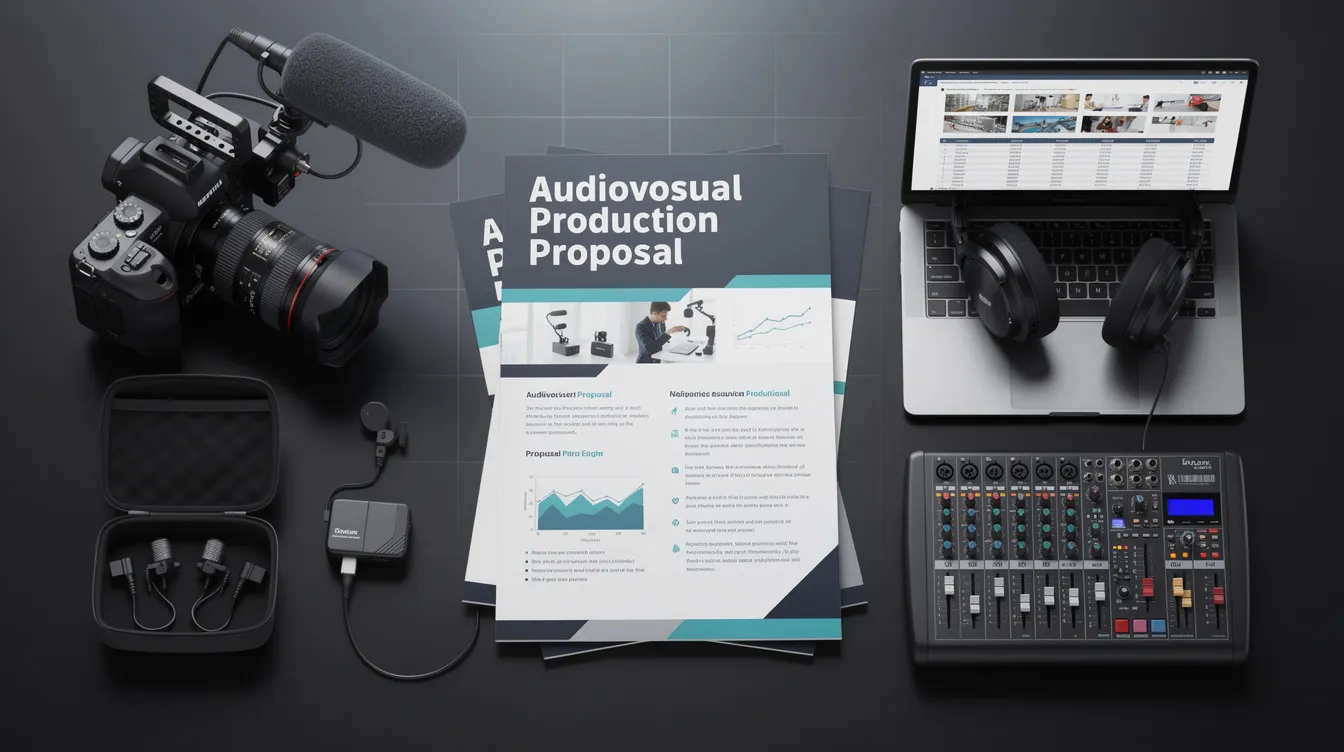
An event AV proposal is not a shopping list of speakers and screens. It is the document that defines your entire production-what your audience will see, hear and experience, and how every system, crew member and timeline comes together to make that happen.
A clear, detailed audiovisual proposal helps event planners avoid blown budgets, last-minute add-ons and misunderstandings on show day. When the scope, assumptions and responsibilities are spelled out before any gear is loaded in, everyone stays on the same page. Front Row FX is a Minnesota-based AV production company working across Minneapolis–St. Paul, greater Minnesota, Wisconsin, Chicago and the Upper Midwest, and we see firsthand how thorough proposals protect clients and make for a successful event.
The rest of this article is structured as a practical checklist you can use to review your next event AV proposal or event AV quote. Booking 4–6 weeks in advance is recommended for optimal planning, so use this guide early in your event planning process.
Project Overview: Anchoring the Event AV Proposal
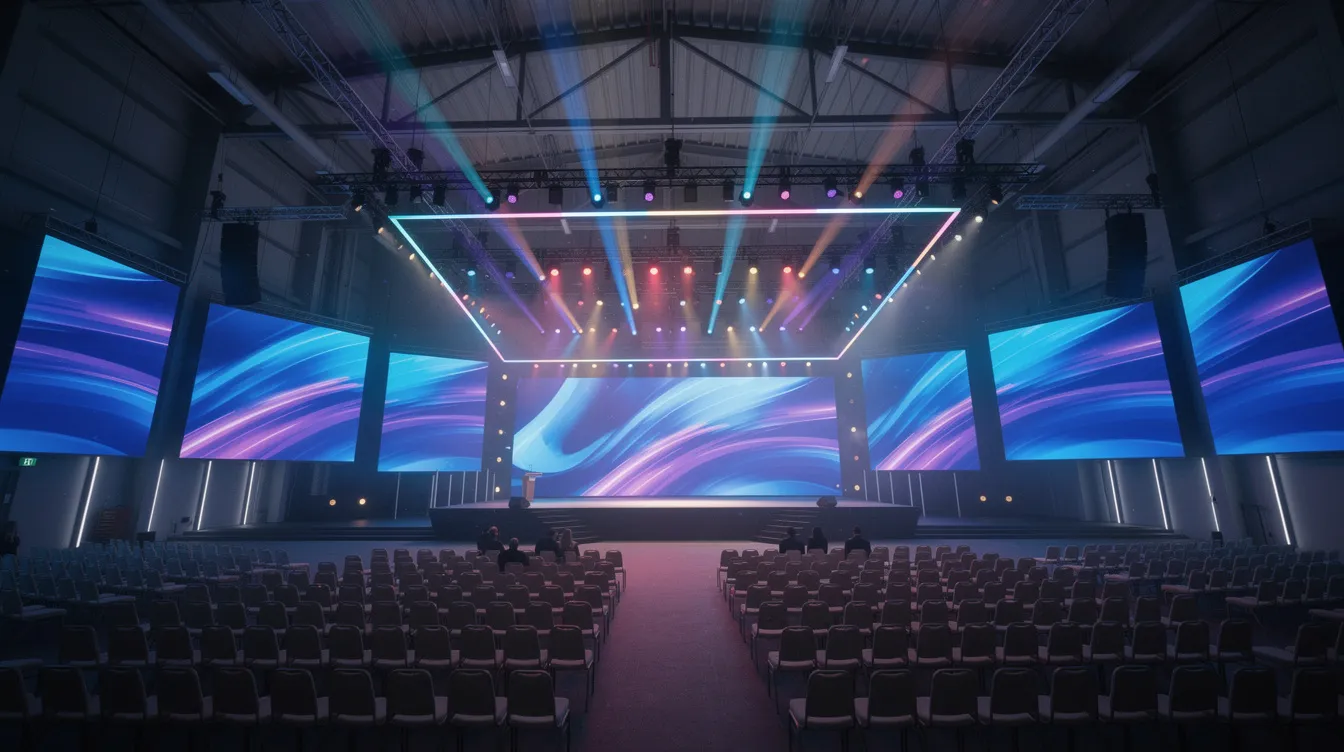
The front page of any professional AV proposal should anchor the entire project with a concise executive summary that summarizes event goals, scale and production value. Think of it as the section that keeps every stakeholder aligned before diving into details.
Your project summary should include:
A 1–2 paragraph description of the event type, date and purpose-for example, “500-person fundraising gala, July 18–19, 2027, downtown Minneapolis hotel ballroom.”
The official event name, client organization, primary contact details and the decision-maker for approvals.
Expected outcomes stated plainly: “uninterrupted executive keynotes,” “high-impact LED video walls for sponsor recognition,” “broadcast-quality recording for on-demand viewing.”
Key milestones and deadlines that keep the project on track from proposal acceptance through strike.
A statement demonstrating understanding of client objectives and event specifics-proposals should show they were built around your client’s unique vision, not pulled from a generic template.
At Front Row FX, we frame every event production proposal around outcomes first. That positions us as a strategic production partner, not just an AV provider shipping boxes.
Event Basics: Date, Venue and Audience Details
Accurate basics drive an accurate audiovisual proposal and AV quote. Providing detailed event information ensures accurate AV quotes every time. Event proposals also clarify venue requirements and guest layout needs from the start.
Look for these details in every proposal:
Event dates and times including load-in, rehearsal, show and strike windows (e.g., “Load-in July 17 after 14:00, show July 18 08:00–17:00, strike complete by July 18 23:00”).
Venue name, city, room names (ballroom, breakout rooms, outdoor plaza) and any known venue requirements or curfews. Visual aids like diagrams and floor plans can enhance clarity here.
Audience size and seating style-theater for 700, rounds for 350, classroom for 120. This matters because event size directly affects audio coverage, sightlines and video wall sizing.
High-level event schedule highlights: general sessions, breakouts, live entertainment, awards, hybrid segments, meal functions-tied to AV needs.
Whether the event is in-person only, hybrid with live streaming, or fully virtual. Each event type changes the scope of every system in the proposal.
Defining Technical Scope: What the AV Proposal Should Spell Out
This is the core of a professional AV proposal. A professional AV proposal outlines technical scope and equipment needed for an event, organized by system rather than as an undifferentiated parts list. An AV proposal should include a detailed equipment list and technical specifications.
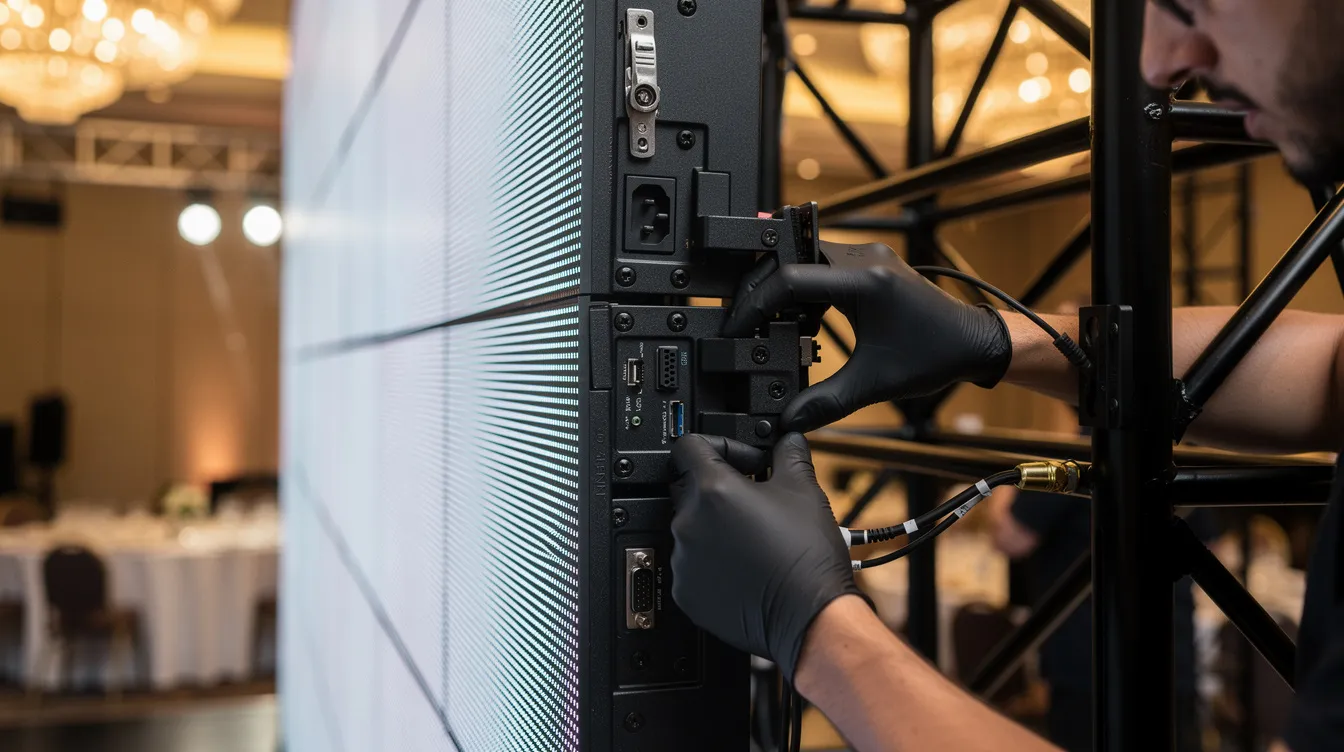
Organize scope by system: LED and video, audio, lighting, FX, cameras, playback, control, and networking where relevant. Cabling is essential for delivering images, video and sound across all of these systems.
Each system description should state its purpose-“main PA for keynote intelligibility,” “LED video wall for branded content and IMAG”-not just model numbers.
Clarify which rooms are supported: main ballroom plus four breakouts, foyer signage screens with digital displays used in conference rooms, sponsor lounge monitors.
State whether the AV production company is providing full production direction or integrating with in-house AV or broadcast partners.
Write this section in plain language first. Attach detailed audio visual equipment lists as appendices or line-item estimates so non-technical decision-makers can follow the proposal process without getting lost.
Backup and contingency plans are essential for mitigating technical disruptions during events-look for redundancy on mission-critical systems like keynote playback and streaming encoders.
Video & LED: Screens, Projection and Video Walls
Visual systems are central to modern event AV proposals. Whether it is a product launch keynote or a concert, what the audience sees defines the experience.
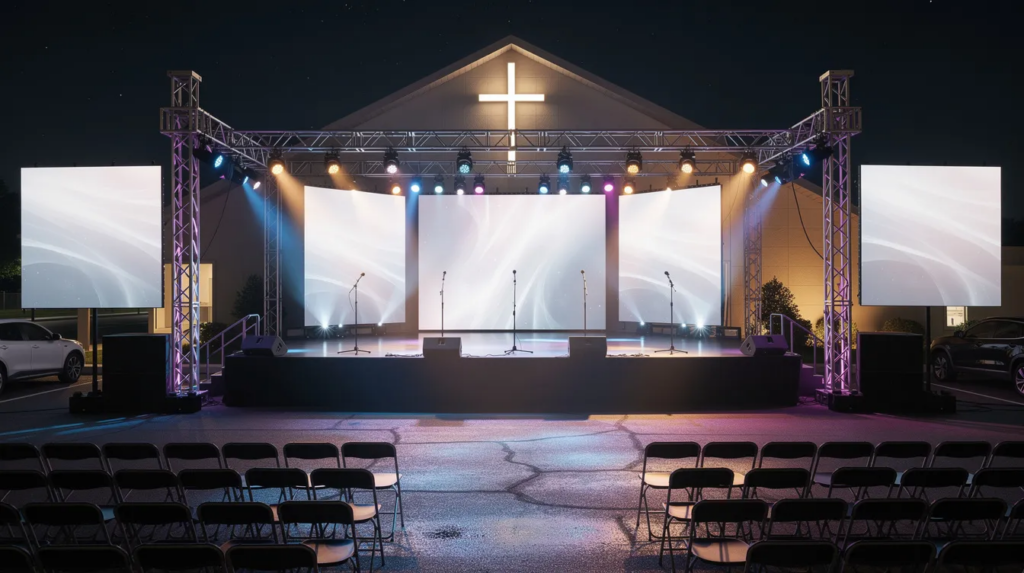
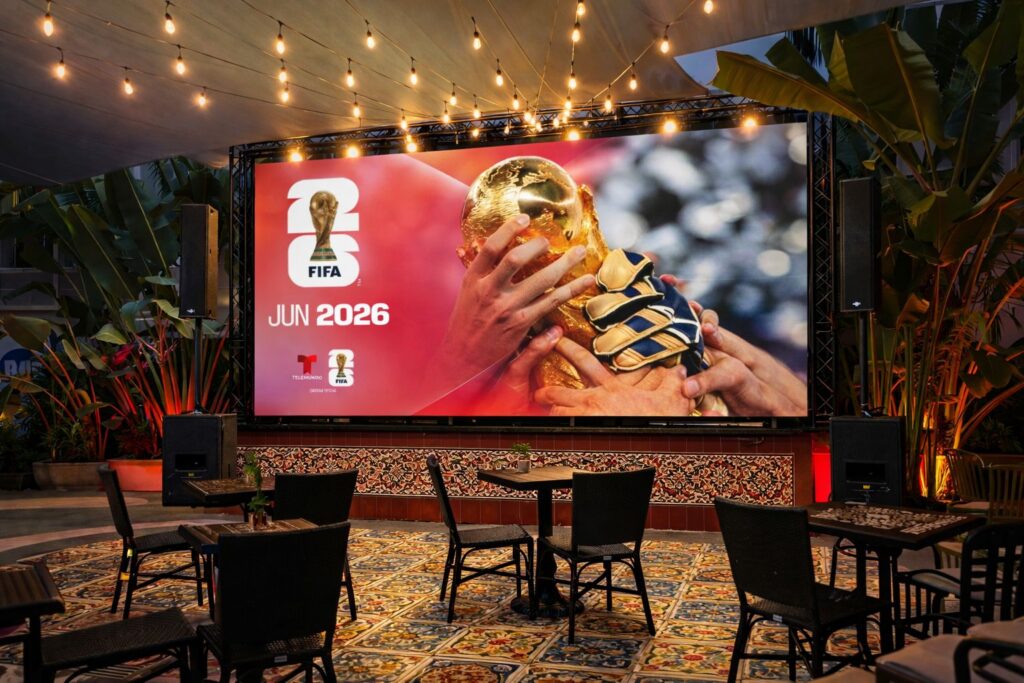
Proposals should specify screen types-LED walls vs. projection vs. LCD displays-sizes, aspect ratios and approximate placement. Projectors can be used as alternatives to LCD displays depending on throw distance and ambient light.
Content sources should be identified: laptops, media servers, slide decks, sponsor reels, remote presenters and live cameras.
The proposal should address playback and switching: video switchers, playback computers, redundancy for critical keynotes, and confidence monitors at the podium and stage.
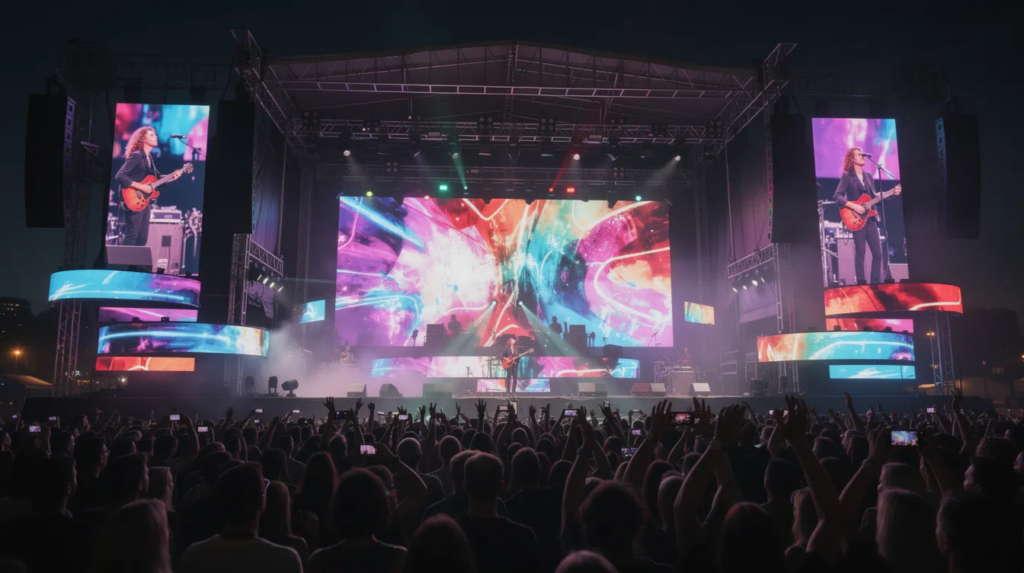
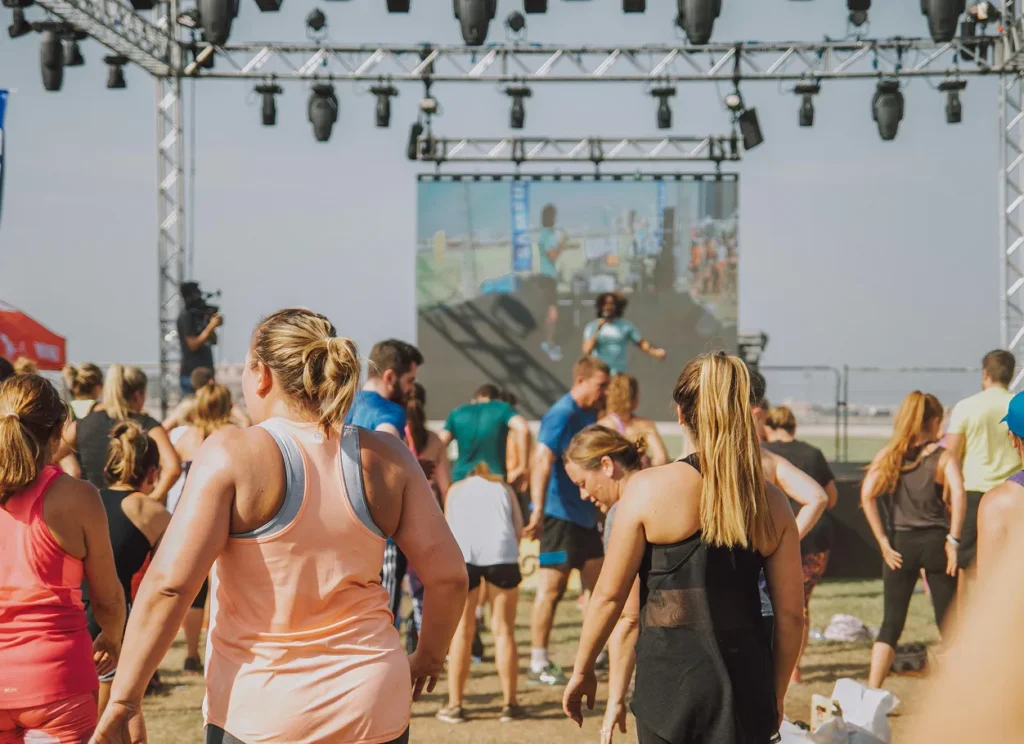
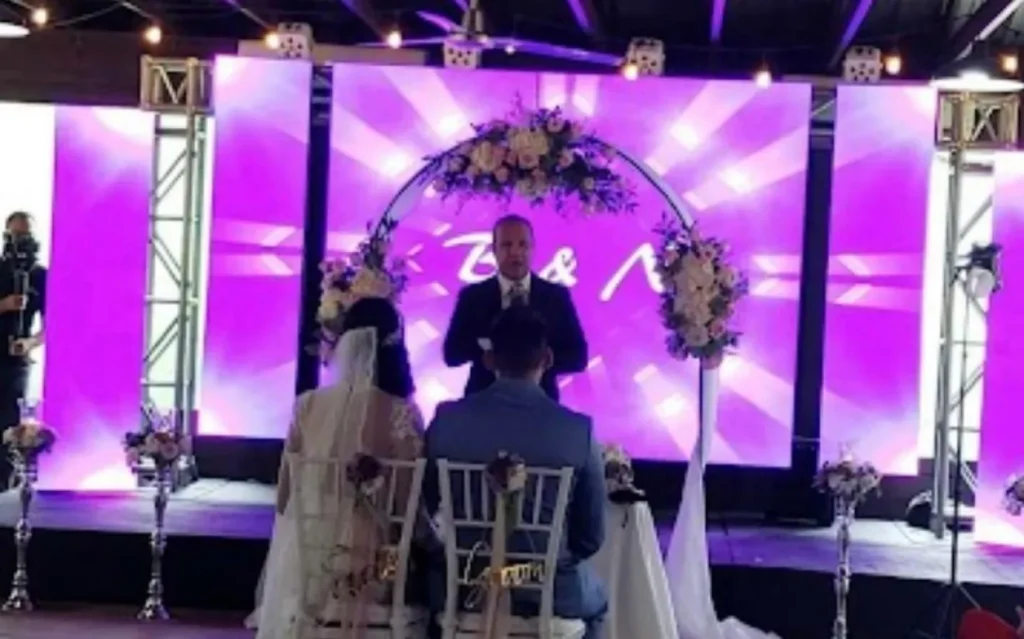
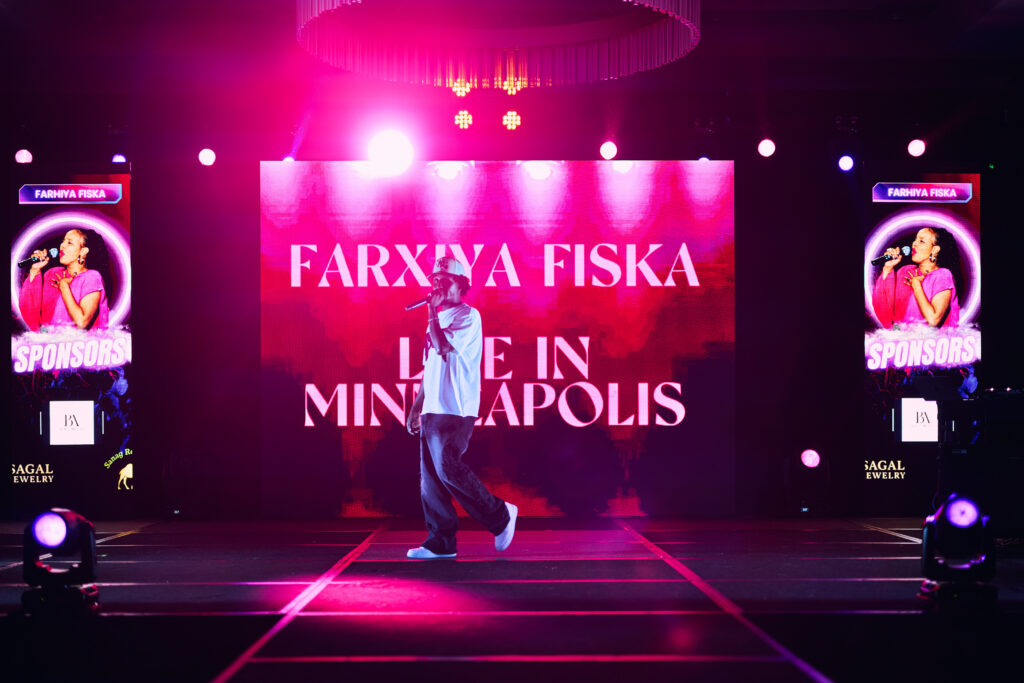
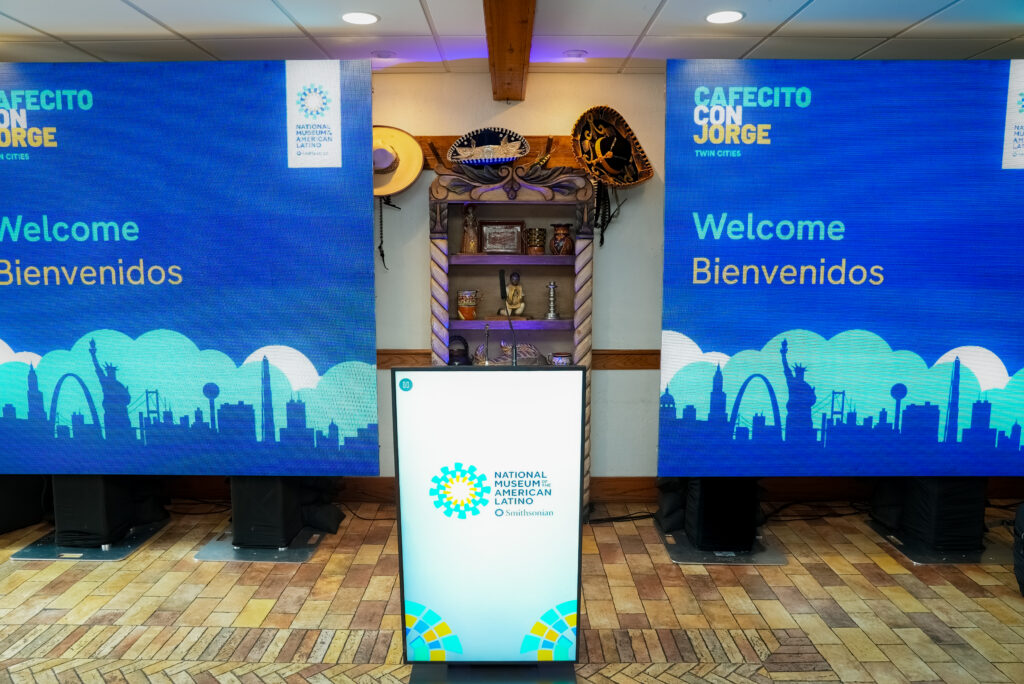
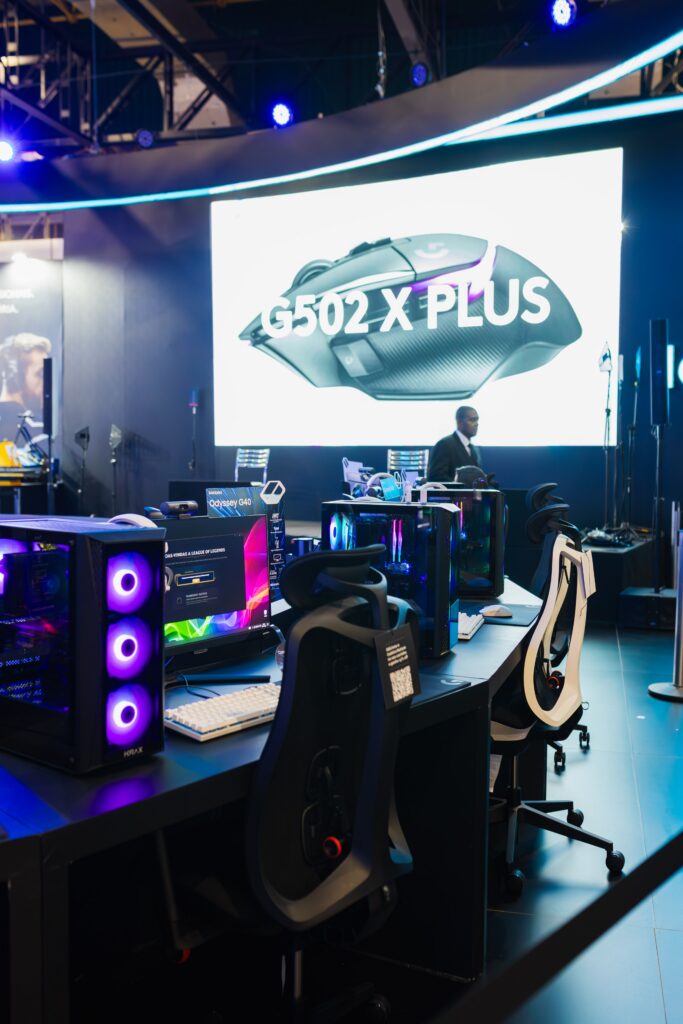
For LED video walls at corporate events, galas and concerts, a good proposal clarifies indoor vs. outdoor LED, pixel pitch, brightness and any rigging or staging required. A minimum of four panels are necessary for a video wall, and proposals should specify the total panel count and configuration.
Recording and IMAG (image magnification) details: how many cameras, what is being captured, frame rates, and how footage will be delivered in the post event wrap up.
Audio, Lighting and FX: Building the Live Experience
Audio, lighting and FX shape intelligibility, mood and impact. The proposal should connect these systems to the event schedule and audience size.
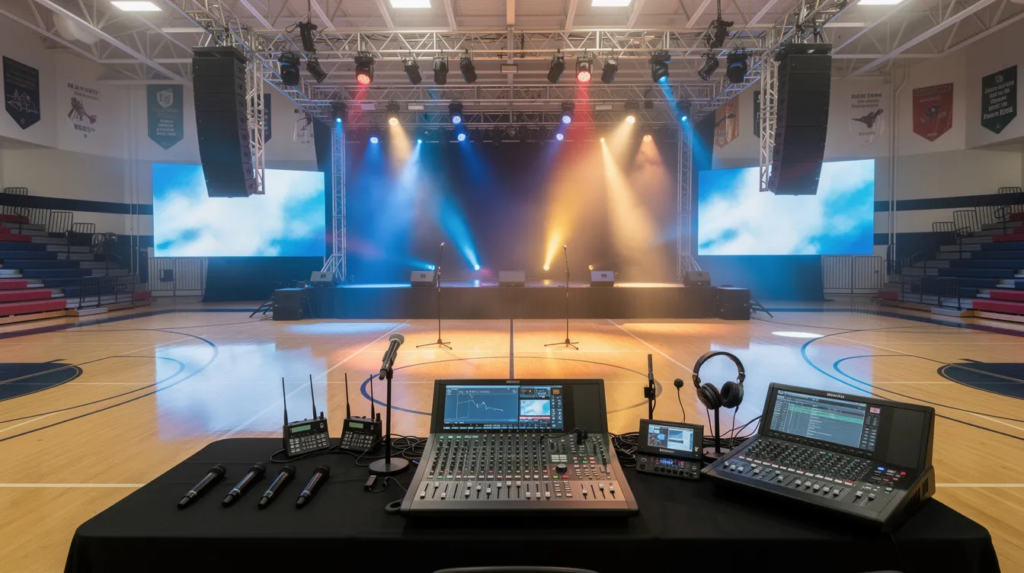
Audio scope should cover main PA coverage for the room and fills where needed. PA systems include microphones, amplifiers and loudspeakers. Specify microphone types (podium, wireless handheld, lavaliers), mixing consoles and stage monitors for performers and speakers.
Audience size, room shape and ceiling height should be referenced to justify audio design choices-a 700-seat theater requires very different coverage than a 200-person conference breakout.
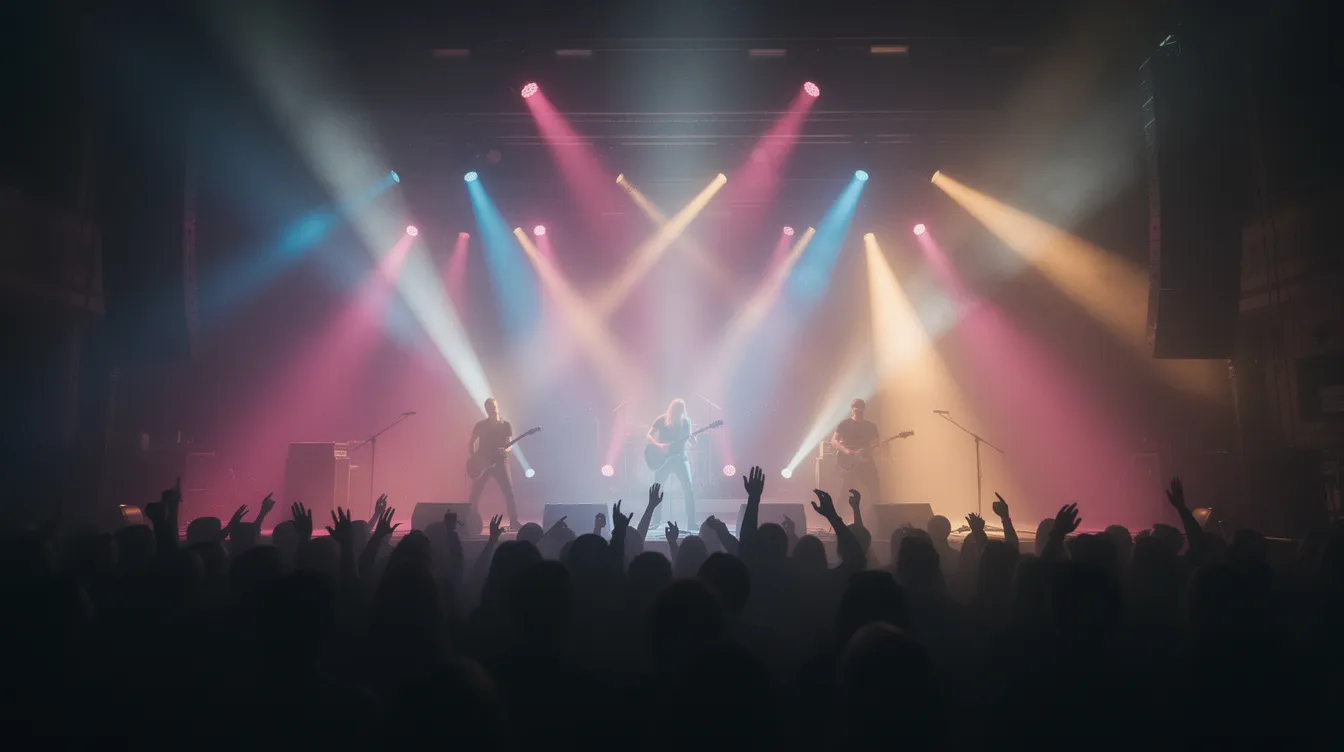
Lighting scope should detail stage wash for presenters, podium key light, color effects, gobos and any moving lights or scenic lighting appropriate for awards or concerts.
Where special effects are relevant-hazers for lighting beams, low fog for entrances, CO₂ jets or spark effects-the proposal should clarify safety requirements, permits and venue approvals in the assumptions.
Look for how lighting, audio and video are cued together during the show. One accountable production direction means a single team calling all cues in real time updates, not three disconnected vendors.
Crew, Schedule and Logistics: From Load-In to Strike
A complete audiovisual proposal always covers people and time, not just equipment packages. Labor requirements should detail the technical crew needed for the event, and a clear production schedule should outline essential event timings and technical checks.
Typical crew roles in an AV proposal: production manager, A1 (lead audio), A2, L1 (lighting), V1 (video/LED), camera ops, graphics operator, stagehands and riggers.
Crew counts and key onsite hours should align with the event schedule: load-in, setup, rehearsal, show operation, changeovers and strike. A detailed timeline includes setup and breakdown periods.
Load-in and load-out details: dock access, elevator or stair constraints, early-access windows, after-hours work, union or venue labor requirements where applicable.
Travel and logistics for regional events in Minnesota, Wisconsin or Chicago: travel days, hotel nights, per diem, trucking or vehicle requirements.
Confirm whether rehearsal time is included in pricing and schedule-additional rehearsals may trigger change orders.
Power, Rigging, Internet and Venue Requirements
Clear technical assumptions around power, rigging and internet often prevent the costs that blindside planners on site.
Power assumptions: required amperage, voltage, number of dedicated circuits and whether the venue or client provides power distribution.
Rigging assumptions: whether LED video walls, truss, line arrays or lighting require overhead rigging, and whether rigging hardware, drawings and house riggers are included or venue-provided.
Internet assumptions: required bandwidth for streaming, show control or presenter downloads, and whether the client is purchasing dedicated lines from the venue.
Venue responsibilities vs. AV production company responsibilities: house lights operation, stage risers, drape, podium, lectern, signage, room resets and layout changes between sessions.
Proposals from Front Row FX clearly list venue requirements so planners can coordinate with hotels, convention centers and cultural venues well in advance of the event date.
Responsibilities, Assumptions, Pricing and Change Orders
This is where a professional AV proposal protects both client and provider through transparent scope and assumptions. A professional AV proposal must include terms, conditions and cancellation policies.
Divide responsibilities plainly: “Front Row FX responsibilities,” “client responsibilities” and “venue responsibilities.” This eliminates gaps and overlap on show day.
Assumptions to document: equipment availability as of the proposal date, standard working hours, overtime rules, access to loading docks and reasonable rehearsal durations.
Transparent pricing should categorize equipment, labor and logistics costs. Itemized pricing helps clients understand what is included and reduces misunderstandings. Include a line item budget that aligns with client needs. AV quotes should break down audio, video and labor costs so comparing multiple AV quotes helps secure the best value. An AV quote includes detailed estimates for equipment and AV services rendered. Budget breakdown should also reference venue, catering and equipment costs that fall outside the AV scope.
Payment terms: deposit percentage, due dates tied to the event date, accepted payment methods-summarized clearly.
Change-order conditions: when additional rooms, extended hours, extra rehearsals or new FX elements trigger billable changes, and how approvals are documented.
Standard exclusions: venue power fees, union charges, parking, content creation, set or scenic elements not included. AV quotes clarify project scope and budget so planners know what they must budget elsewhere.
Using Checklists and Proposal Templates Without Losing Flexibility
Proposal templates and checklists are essential for consistency, but each event AV proposal should be tailored to the client’s unique specific needs and venue. Not every document needs identical formatting-what matters is that nothing critical is missed.
Use this article as your own internal AV proposal checklist or RFP review tool. Adapt it to each event without forcing a rigid format on every project.
Inside the Front Row FX proposal process, templates organized by industry and event type ensure core elements-scope, schedule, assumptions, documents-are never skipped even when timelines are tight. We personalize proposals with the client’s logo and preferred colors and fonts for branding consistency, and proofread every proposal to ensure clarity and accuracy.
Request a detailed audiovisual proposal-a detailed estimate, not just an AV equipment quote-especially for complex conferences, fundraisers, concerts and any production where the full range of audio visual solutions matters. Understanding client needs is crucial for proposal customization, and a strong proposal should discuss every aspect of the production in plain language.
Front Row FX is a transparent, accountable AV production company that scopes events thoroughly across Minnesota, Wisconsin and the Upper Midwest. Share your event date, venue and audience size with our team and we will build a customized event production proposal that defines your production from load-in to strike-so your focus stays on your audience, not your AV.