Front Row FX | Audiovisual & Event Production

Categories
Production Planning

How Much Does Professional Event Production Cost?

Professional event production is not inexpensive, but the final investment depends almost entirely on the scale and complexity of the event.

How Much Does Professional Event Production Cost?

The honest answer is that professional event production is not inexpensive.

Equipment, skilled labor, transportation, insurance, planning, installation and on-site operation all carry real costs. The more useful answer, however, is another question:

How large, complex and visible does the event need to become?

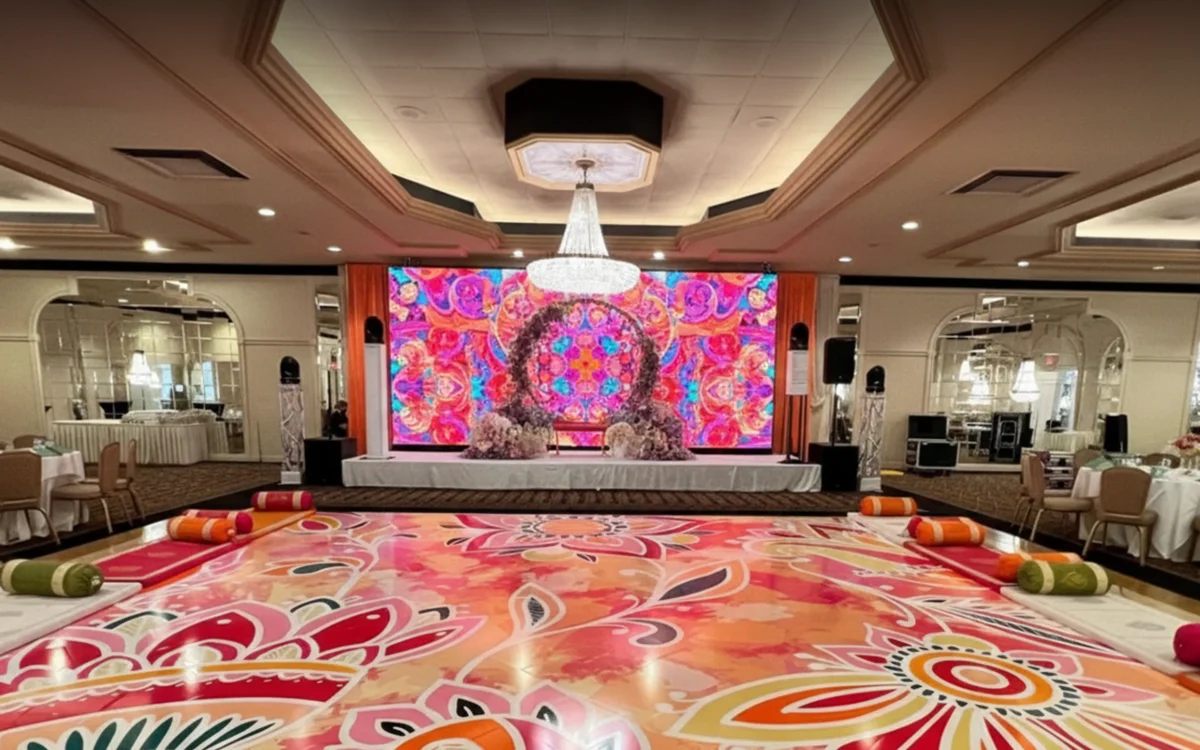
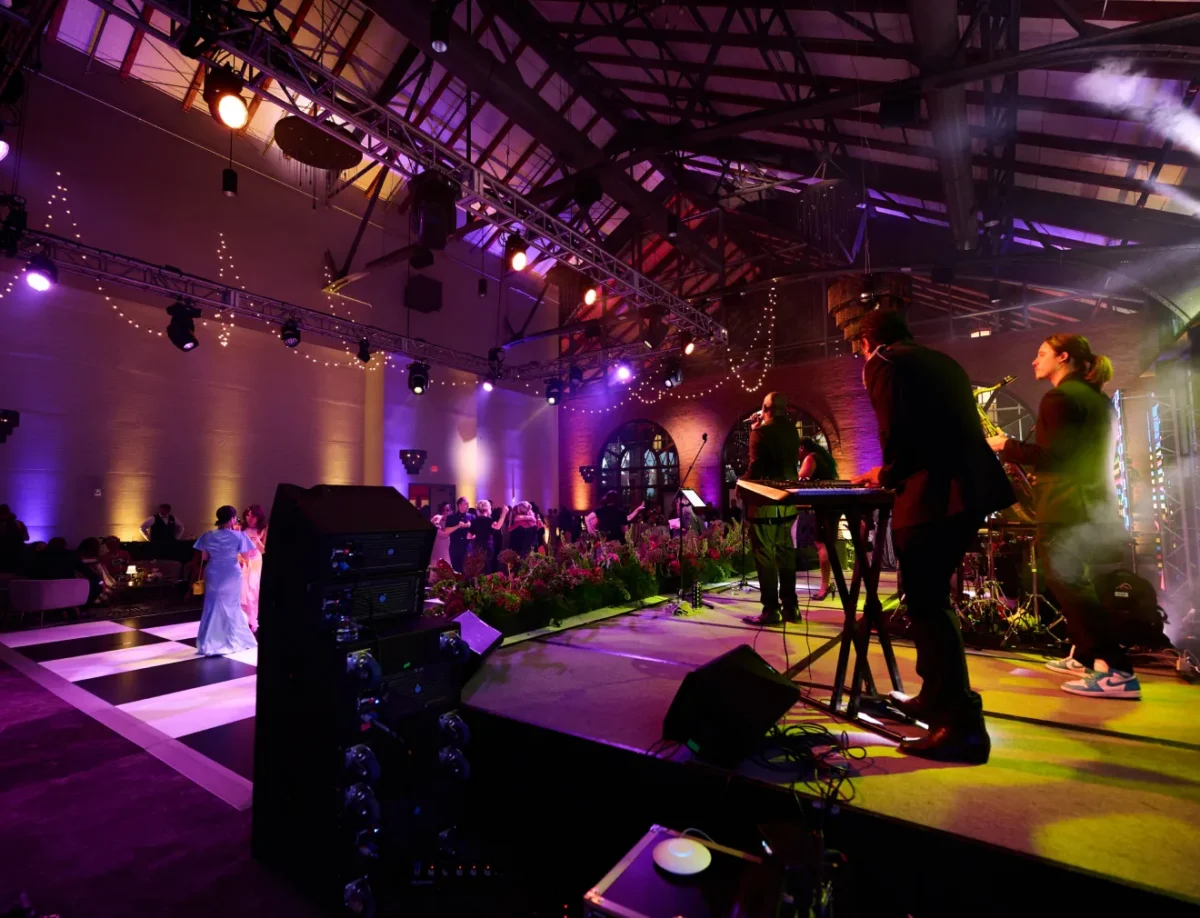
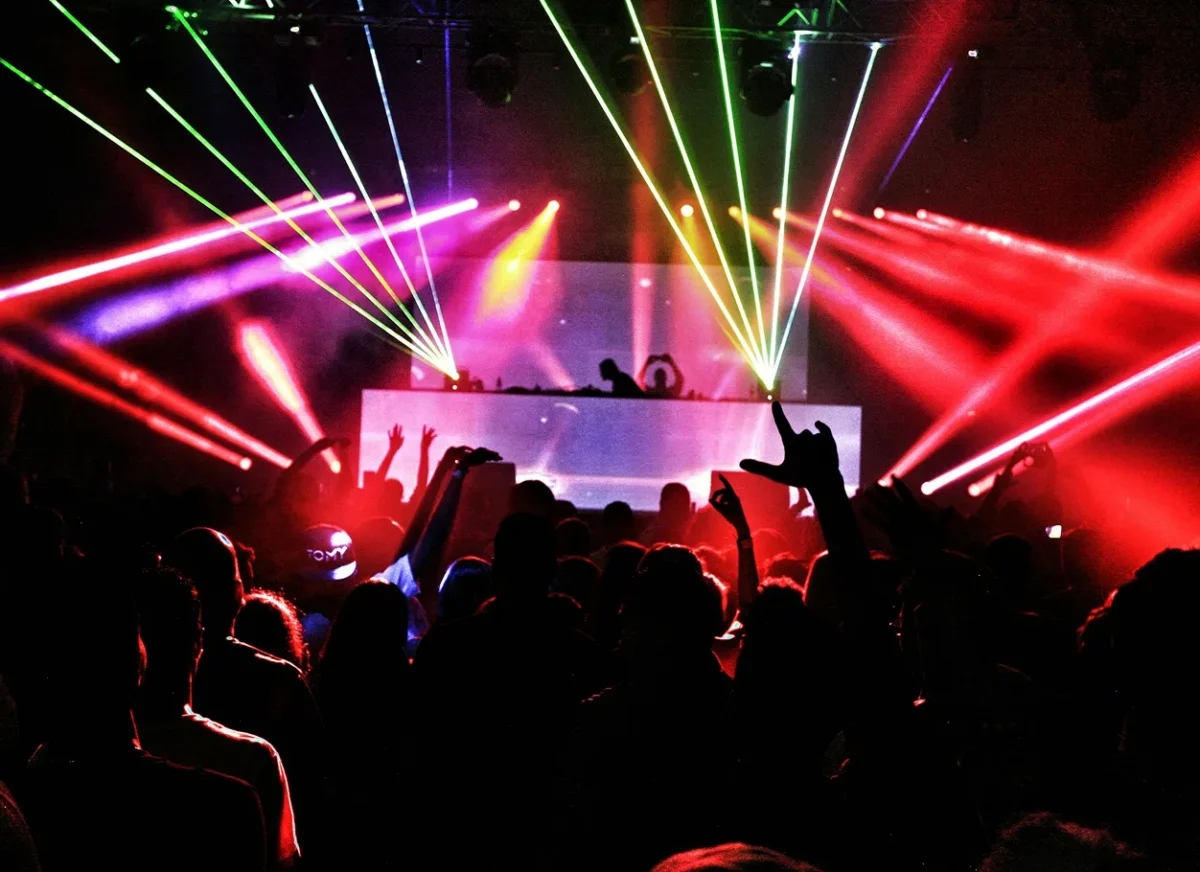
A private celebration needing dedicated lighting in a Minnesota ballroom exists in a completely different production category from a stadium concert involving touring systems, multiple stages and several technical departments.

Both are events. Their requirements are not remotely the same.

What shapes the cost?

The final investment may be affected by:

  • Venue size and location
  • Audience size
  • Number of production systems
  • Installation and teardown time
  • Crew size
  • Content and programming requirements
  • Entertainment specifications
  • Venue access and loading conditions
  • Power and support structures
  • Length of on-site operation
  • Travel and transportation
  • Multiple rooms or event dates

Two events that look similar in photographs can carry very different costs. One may offer direct loading access and a full setup day. The other may require long equipment routes, restricted elevators and installation within a few hours.

You control more than you may think

The production budget becomes clearer when priorities are clear.

Do you need every surface transformed, or one major visual statement? Does the room require a stage environment, or focused lighting and clean audio coverage? Is the goal a refined celebration or a concert-level show?

A good production partner should explain what creates the cost and help prioritize the systems that contribute most to the experience.

Price should follow scope

The productive sequence is:

  • Define what the audience should experience.
  • Understand the venue and program.
  • Establish a realistic investment range.
  • Design the production within those boundaries.

The answer is not always to spend more. It is to make sure the available budget is concentrated where guests will feel it most.

Categories
Event Planning

How to Plan the Audiovisual Experience of an Event

Begin with the boldest version of the idea, refine it through real priorities and build the right creative team around the vision.

How to Plan the Audiovisual Experience of an Event

Start with the wildest version of the idea.

Before reducing the vision to a list of equipment or worrying about what is normally done, ask what the event could become. Save references. Study concerts, fashion shows, galas, weddings, stage designs and experiences outside your event category.

The first phase is imagination.

The second is refinement.

Let the budget shape the idea—not erase it

Once the creative direction is visible, determine which parts matter most.

A reference may contain a massive stage, moving LED structures and a room filled with lighting. Your event may not need every element to capture the same feeling. A strong production team can identify what creates the visual idea and translate it into an appropriate scale.

This is better than beginning with a package and trying to force the vision into it.

Choose the planner carefully

The right planner is not simply the person with the longest vendor list.

Look for someone who has already produced the type of experience you want—or has the curiosity, organization and professional relationships required to build it.

In Minnesota, organizations including ILEA Minneapolis–Saint Paul, WIPA Minneapolis and Twin Cities Wedding and Event Professionals provide communities where established event professionals connect and collaborate. (ILEA-MSP)

Membership alone does not guarantee fit, but professional communities can be a stronger starting point than selecting entirely from social media.

Hire specialists

Be cautious of a single company claiming equal mastery of catering, flowers, transportation, entertainment, audiovisual production and every other event discipline.

A coordinated team is valuable. A company pretending every specialty is interchangeable is something else.

Look for professionals with focused expertise—and make sure they can collaborate without allowing ego to become more important than the event.

Keep one vision at the center

The most successful production teams repeatedly return to one question:

Does this decision move the event closer to the intended experience?

That question keeps the budget, venue, planner and specialized vendors moving in the same direction.

Categories
Production Planning

What Should Be Included in an Event Production Proposal?

Some events are specified by exact systems and performance requirements. Others are priced around a creative result and the execution needed to produce it.

What Should Be Included in an Event Production Proposal?

There is no universal format for an event production proposal because not every production begins the same way.

Some begin with exact technical requirements.

Others begin with an idea.

Understanding that distinction makes proposals easier to evaluate.

Technical productions

Large concerts, broadcasts, tours and institutional events may require highly detailed specifications, including:

  • Equipment manufacturers and series
  • Quantities and configurations
  • Performance capabilities
  • Signal and power requirements
  • Crew positions
  • Installation schedules
  • Operating responsibilities
  • Approved substitutions
  • Technical exclusions

In this environment, a specific brand or product series may be required because the system must integrate with an existing design or meet a known performance standard.

Documentation helps define responsibilities and create a roadmap for successful execution. AVIXA identifies clear scope documentation as an important tool for aligning technical requirements and project objectives. (AVIXA)

Creative productions

A wedding, Mitzvah, Quinceañera, gala or afterparty may begin differently.

The client may show a video and say:

“We want the room to feel like this. How can we create it here?”

The proposal should identify the systems, labor and technical support required, but the value is not always tied to one exact lighting fixture or processor.

If two professional fixtures can accomplish the same approved creative purpose, the client may care more about the final room than the model number printed on the equipment.

In this case, the production company is pricing:

  • Creative interpretation
  • System design
  • Equipment and labor
  • Programming
  • Coordination
  • Installation
  • Operation
  • Execution of the final idea

What every proposal should make clear

Regardless of format, clients should understand:

  • What outcome is being produced
  • What is included
  • What is excluded
  • Who is responsible for installation and operation
  • How long service is provided
  • What the venue must supply
  • What changes could affect the price

A proposal should be detailed enough to establish accountability without burying a creative client beneath irrelevant technical language.

Categories
Behind the Production

Why Event Production Begins Before Production Day

At a professional level, production day is the execution of decisions that should already have been tested, coordinated and approved.

Why Event Production Begins Before Production Day

Production day should not be the first time the production plan meets reality.

At smaller events, vendors may arrive and begin solving problems as they appear. Sometimes that works. At a higher level—where the program is visible, the schedule is fixed and failure affects hundreds of guests—that approach is unacceptable.

The event should be the execution of a plan, not the first full experiment.

What happens before load-in?

Pre-production may include:

  • Reviewing the venue
  • Confirming dimensions and access
  • Designing system layouts
  • Calculating power requirements
  • Coordinating with entertainment
  • Preparing visual content
  • Programming lighting or playback
  • Building production schedules
  • Assigning crew responsibilities
  • Testing signal paths and equipment
  • Developing backup plans

Complex productions may require several tests before arriving at the venue.

AVIXA’s implementation guidance describes a structured process that moves through planning, design, installation, testing and performance verification rather than treating setup as one isolated activity. (AVIXA)

Precision is produced in advance

There is no honest way to promise that an event will be free from every unexpected condition. Venues change access instructions. Weather moves. Entertainment requirements evolve.

Professional preparation does not pretend uncertainty disappears. It reduces preventable problems and creates better options when conditions change.

The Event Safety Alliance emphasizes safety throughout every phase of live-event production—not only once guests arrive. (Life Safety First)

What the client sees

Guests may only see the finished room.

They do not see the diagrams, calls, tests, cable plans, content revisions or decisions made days or weeks earlier.

That invisible work is precisely what allows the visible production to feel controlled.

When there can be little margin for error, the solution is not faster improvisation. It is better preparation.

Categories
Event Design

How Audiovisual Production Shapes the Guest Experience

The real competition is not simply to capture attention. It is to create an experience that continues occupying space in the guest’s memory.

How Audiovisual Production Shapes the Guest Experience

Events compete for something increasingly difficult to hold: memory.

Life moves quickly. Trends change. Photographs are posted, viewed and replaced. A successful event must do more than look impressive for one evening.

It should remain worth talking about.

A family wants guests to remember the wedding years later. A concert attendee wants to feel that the artist they saved to see was experienced completely. A nonprofit wants its message to remain present after the gala ends.

Audiovisual production has unusual power because it influences several senses and behaviors at once.

What guests hear

Sound determines whether guests understand the ceremony, speech, presentation or performance.

Clarity creates connection. Poor coverage creates distance, even when the room looks beautiful.

What guests see

Lighting and visual content determine where attention moves.

They can reveal an entrance, support a performance, transform the architecture or signal that the formal program has become a celebration.

What guests feel

Low frequencies, room energy, visual movement, atmospheric effects and the behavior of the crowd create a physical response.

Audiovisual production does not literally control taste and smell, but it can work alongside catering, florals, décor and hospitality to create one multisensory environment.

What guests remember

Guests may not remember the technical specifications. They remember how the room changed, whether a moment gave them chills and whether the event felt larger than expected.

The central question is not only:

How much audiovisual production does the event need?

It is also:

How much space should this event occupy in the minds of the people attending—and for how long?

Budget establishes the boundaries. Creative and technical direction determine how effectively that investment becomes memory.

Categories
Production Coordination

How to Work with Multiple Event Vendors Without Losing One Clear Direction

The event becomes stronger when every specialized partner leaves ego behind and treats the agreed vision as the shared destination.

How to Work with Multiple Event Vendors Without Losing One Clear Direction

Complex events require specialists.

The planner understands the complete timeline. The decorator shapes the environment. The venue protects its building and operations. Entertainment carries the program. The audiovisual team connects the technical systems.

The problem is not having multiple vendors.

The problem begins when every vendor tries to make the event revolve around what is easiest or most profitable for their own department.

Begin with the planner

A strong planner helps translate the vision into responsibilities, deadlines and communication.

Start with someone whose experience matches the event being planned. Loving a planner’s personality or aesthetic matters, but verify that the person also has the organizational capacity and professional network required for the production.

Families and organizations searching in Minnesota can review professional communities such as ILEA MSP, WIPA Minneapolis and Twin Cities Wedding and Event Professionals. These organizations are built around connection and collaboration among event professionals in the region. (ILEA-MSP)

They are starting points—not substitutes for reviewing work, references and relevant experience.

Establish the vision early

Before vendors begin protecting their individual ideas, define:

  • What the event should feel like
  • What moments matter most
  • What the audience must understand
  • Which creative decisions are already established
  • Who has authority to approve changes

Then every vendor can evaluate decisions against the same destination.

Leave ego outside the room

The production should not be dictated solely by what the decorator has available, what the venue prefers operationally or what one technical vendor wants to showcase.

Those perspectives matter, but none should replace the agreed event vision.

The best teams raise concerns, propose alternatives and then collaborate toward the strongest realistic result.

When the vision remains the north star, specialized vendors stop competing for ownership and begin assembling the same experience.

Categories
Complete AV Production

When Does an Event Need Complete Audiovisual Production?

Complete AV production becomes valuable when multiple technical disciplines must work together and one team needs to understand the full picture.

When Does an Event Need Complete Audiovisual Production?

An event needs complete audiovisual production when solving each technical requirement separately begins creating more risk than value.

Perhaps the event includes screens, lighting, audio, performances, effects and several rooms. You could hire a specialist for each department—but someone must still understand how all those departments connect.

That is the role of complete production.

Multiple solutions through one partner

A complete audiovisual company can evaluate the event across several disciplines and assemble the appropriate resources under one production plan.

This may include:

  • Video and LED systems
  • Lighting
  • Professional audio
  • Stage and performance support
  • Special effects
  • Power and signal planning
  • Technical crews
  • Venue and entertainment coordination
  • Showtime operation

Not every production company is equally strong in every discipline. Some are built primarily around audio, video, lighting, rigging or staging.

The important question is whether the selected company can manage the full approved scope itself and identify honestly when another specialized partner should be involved.

Booking during peak season

For weddings and social events, availability becomes particularly valuable during peak dates.

Securing one capable production partner early can be similar to securing several specialized departments through one relationship. It reduces the number of vendors the client must separately locate, qualify and coordinate.

That convenience is meaningful, but the larger benefit is execution: systems designed together are less likely to conflict over placement, power, scheduling and responsibility.

Signs complete production may be appropriate

Consider it when the event includes:

  • Several audiovisual systems
  • Multiple spaces or dates
  • Custom visual content
  • Stage performances
  • Traveling entertainment
  • Complex transitions
  • Tight venue access
  • A large or highly visible audience
  • Several creative vendors
  • Little tolerance for technical improvisation

Complete production does not mean adding everything possible.

It means placing one capable team in a position to see the entire audiovisual picture and recommend what the event actually needs.

Categories
Minnesota Event Production

The Complete Guide to Audiovisual Event Production in Minnesota

A starting point for families, planners, organizations and producers preparing an audiovisual event in Minneapolis, Saint Paul or greater Minnesota.

The Complete Guide to Audiovisual Event Production in Minnesota

Audiovisual event production connects the creative idea of an event with the technical systems and people required to execute it.

In Minnesota, that may mean transforming a ballroom for a wedding, building a performance environment for a Mitzvah or Sangeet, moving a gala into an afterparty or supporting a live event across several dates.

The event type changes. The production questions remain remarkably consistent.

Begin with the experience

Before requesting equipment, define:

  • Who is attending?
  • What is the purpose of the event?
  • What must guests see and hear?
  • Which moments deserve the greatest emphasis?
  • How should the room change throughout the program?

Those answers guide the technical scope far more effectively than beginning with a generic package.

Understand the venue

Minnesota events take place in hotels, historic buildings, cultural venues, golf clubs, warehouses, convention environments and outdoor sites.

Each location creates different requirements involving:

  • Loading access
  • Elevators and equipment routes
  • Power
  • Ceiling height
  • Rigging limitations
  • Setup windows
  • Noise requirements
  • Outdoor weather exposure
  • Teardown schedules

A beautiful venue can still present substantial production challenges. Those conditions should be identified before the event date.

Build the right team

Depending on complexity, the production may involve planners, decorators, venue teams, entertainment companies, content creators and specialized technical departments.

Professional communities such as ILEA MSP, WIPA Minneapolis and Twin Cities Wedding and Event Professionals can help clients and producers discover established local event professionals. (ILEA-MSP)

The goal is not to collect the largest possible vendor list. It is to assemble specialists capable of working toward one direction.

Plan before production day

Professional production includes more than equipment delivery.

Planning may involve system design, content preparation, crew scheduling, venue coordination, testing, installation, programming and operation.

Industry organizations including AVIXA and the Event Safety Alliance emphasize structured planning, standards and risk awareness throughout audiovisual and live-event production. (AVIXA)

Determine the right scale

A smaller event can still be professionally produced. A major production can still be thoughtfully controlled.

The correct scale depends on:

  • The audience
  • The venue
  • The program
  • The creative objective
  • The investment available
  • The consequences of technical failure

The objective is not to place the most equipment in the room.

It is to create the clearest relationship between the event’s vision, its audience and the systems required to bring both together.