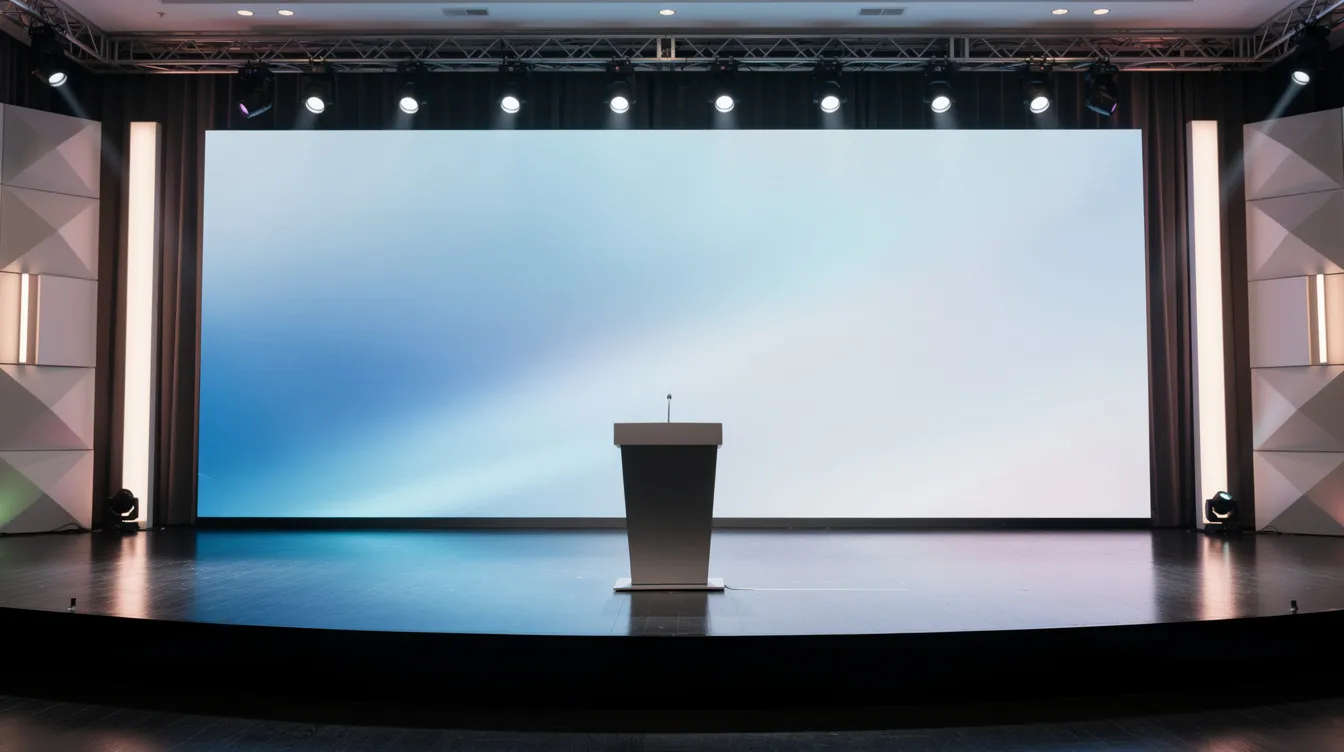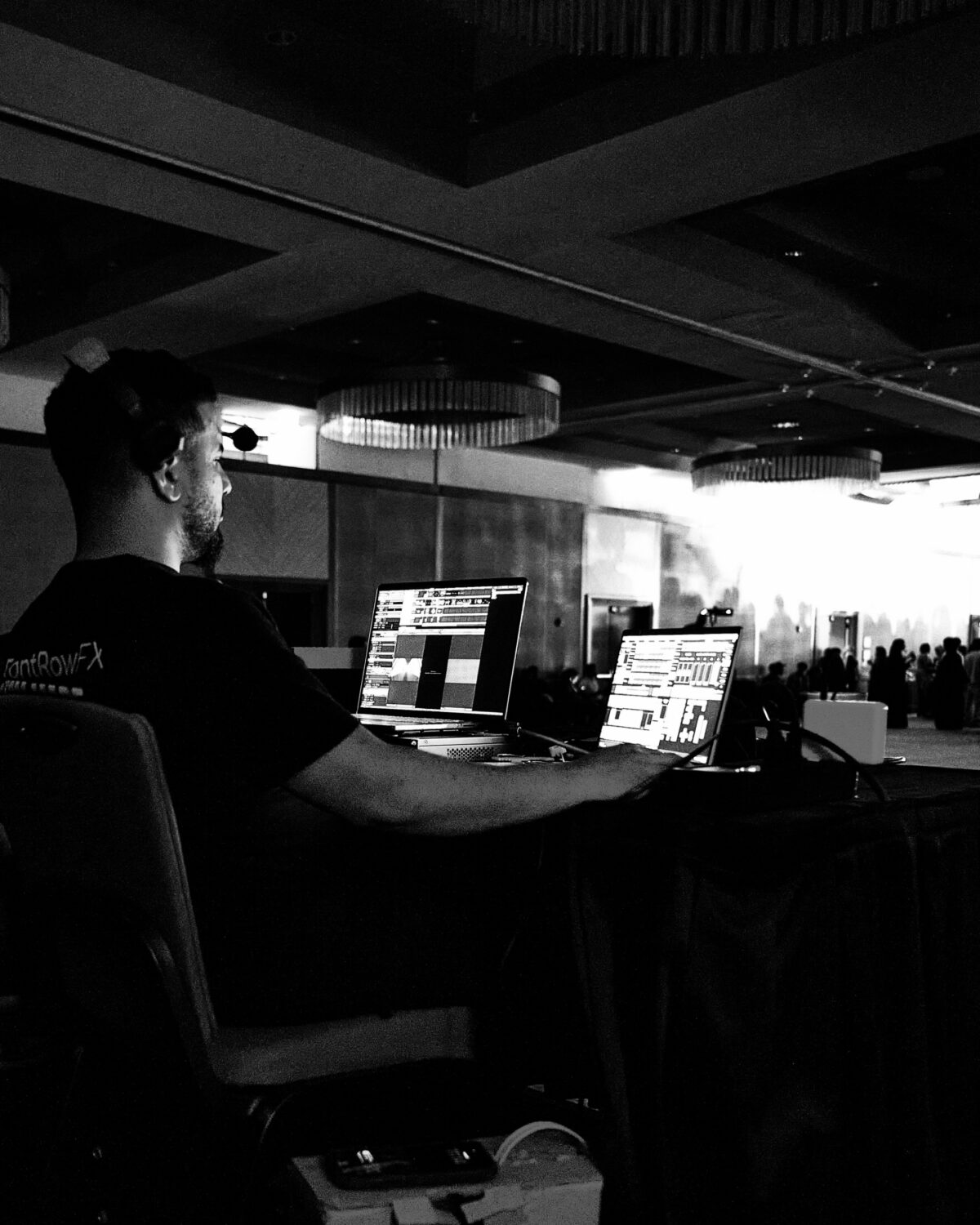
Trade Show AV Production: How Multi‑Day Expo AV Differs From a One‑Day Event
A three-day trade show at a convention center is not just one event day multiplied by three. From an AV production standpoint, multi-day expos introduce a different set of planning, staffing and operational demands that single-day corporate meetings simply don’t require.
This article is for trade show exhibitors, corporate event teams, agencies and exhibit designers who need to understand what actually goes into keeping audiovisual technology running reliably across consecutive show days. Front Row FX is a Minnesota-based AV production company supporting trade shows and expos across Minneapolis, Saint Paul, Wisconsin and the Upper Midwest. Here, we walk through the full lifecycle of a multi-day trade show exhibit, from load-in to teardown, with emphasis on production continuity, daily checks and audience engagement.
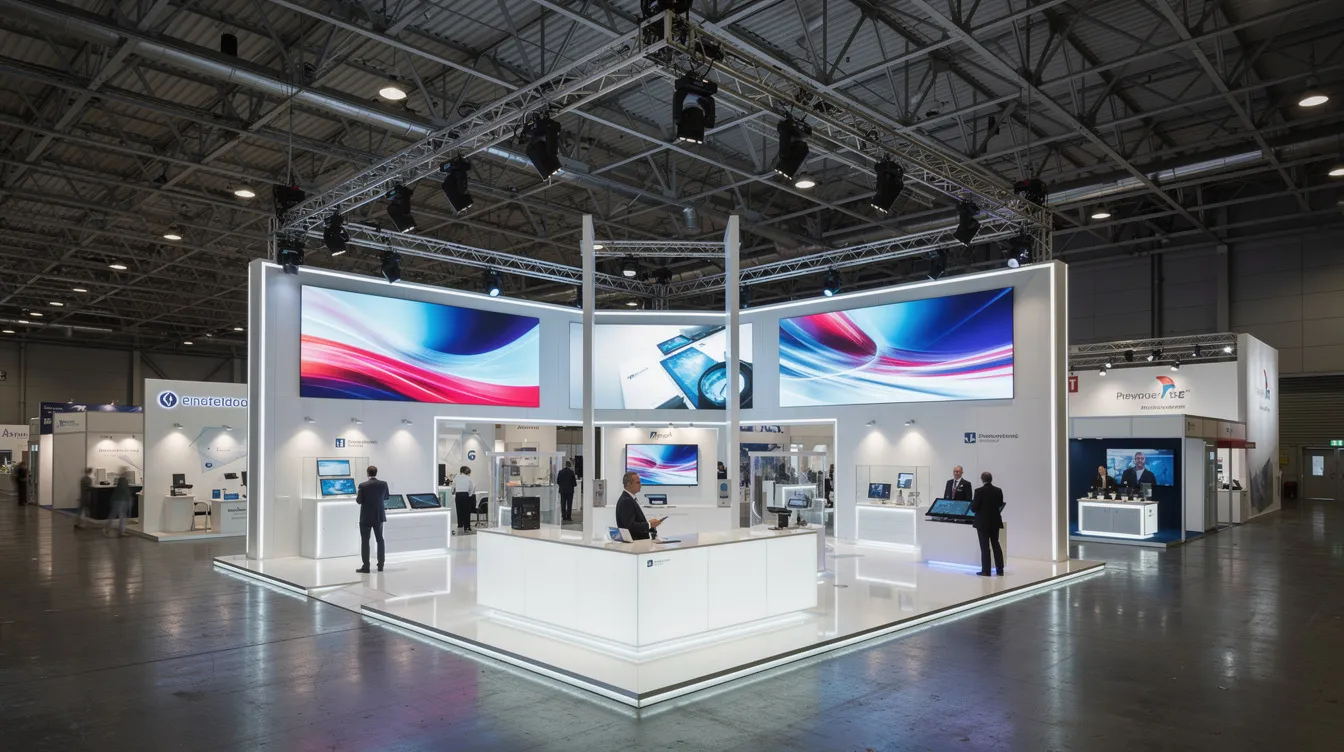
Trade show AV production in this context means LED video walls, audio visual systems, video playback, lighting, content and experienced technicians all remaining consistent on a crowded show floor over multiple days. Event AV integrates multiple technologies for cohesive experiences, and early AV planning reduces costs and improves event outcomes.
Why multi-day planning matters:
Equipment runs continuously for several show days, requiring thermal management, daily servicing and systems designed for sustained loads.
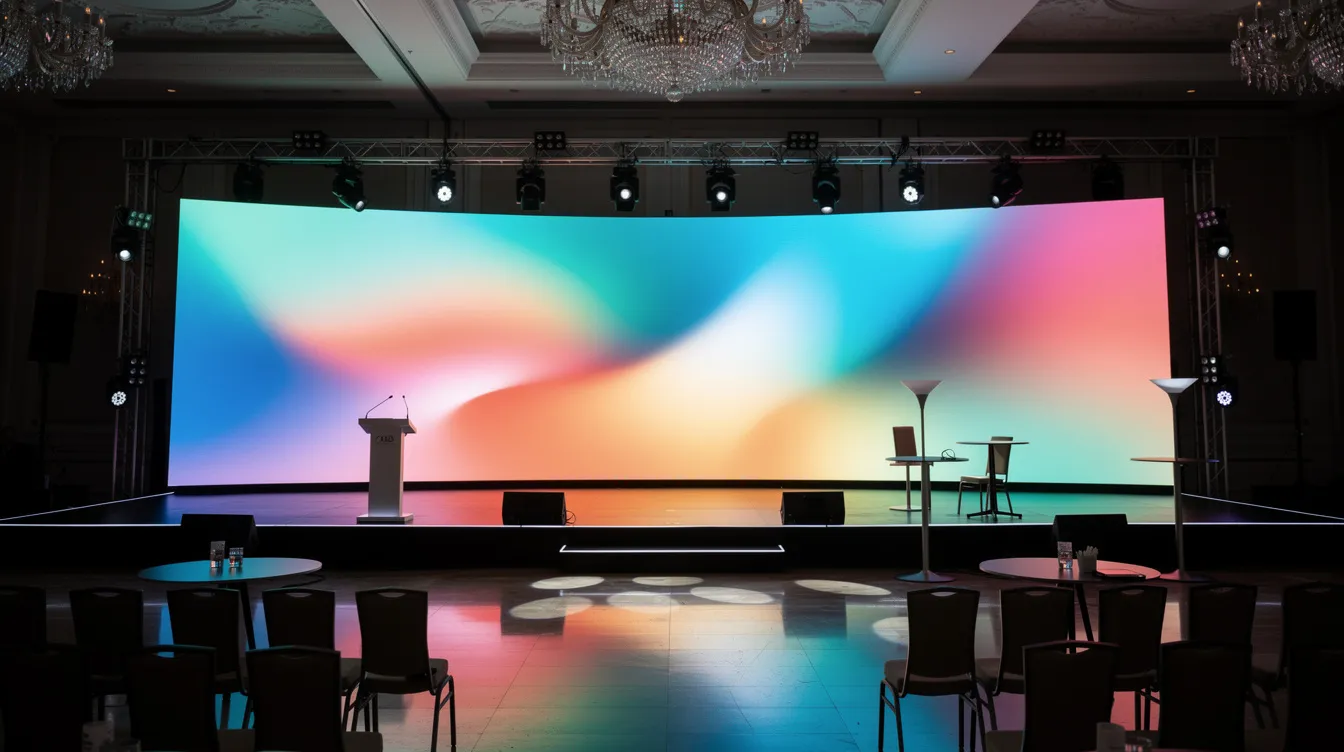
LED walls enhance visibility from across trade show floors, but they need daily verification to maintain visual consistency.
Trade show environments feature high ambient noise and strict venue rules that affect how AV systems are configured and operated each day.
Staffing must cover not just setup and strike, but day-to-day operations, content changes and emergency response.
AV production transforms static booths into dynamic spaces that capture attention, but only when systems stay reliable across the full event schedule.
From One‑Day Event to Multi‑Day Trade Show: What Really Changes
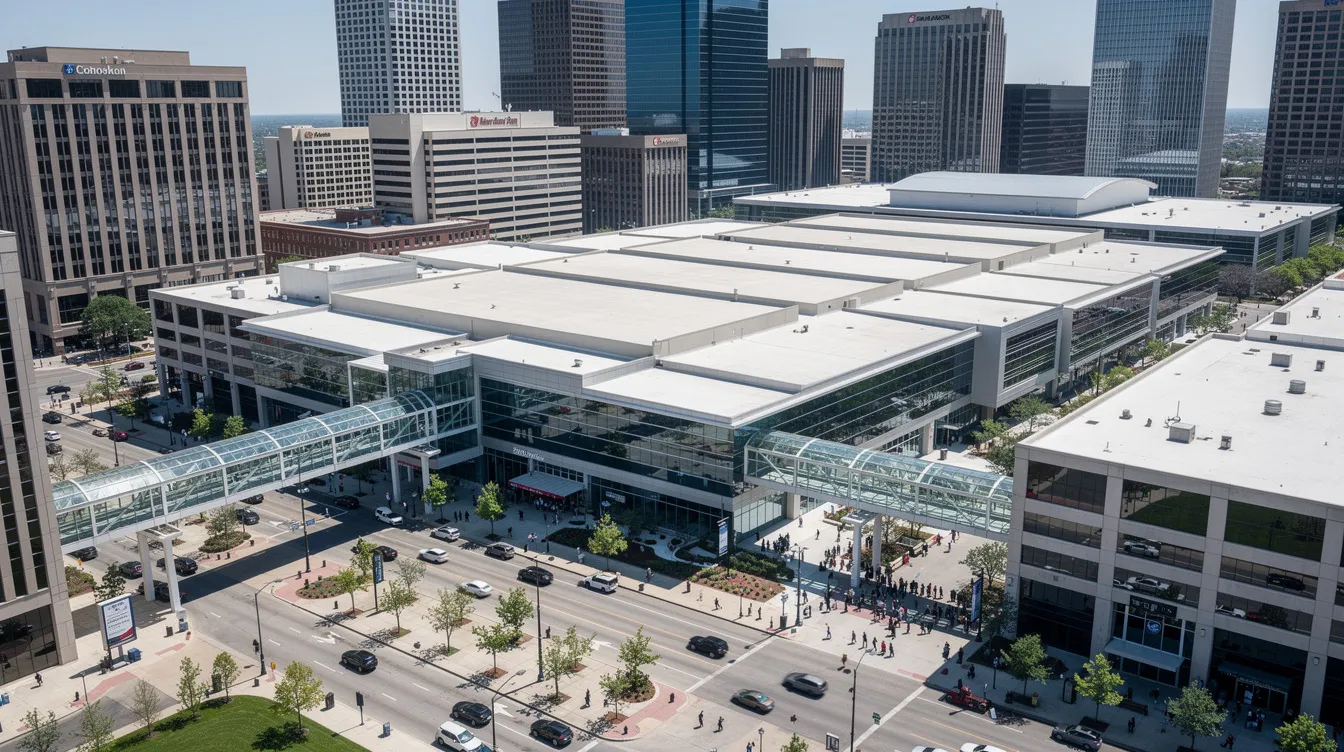
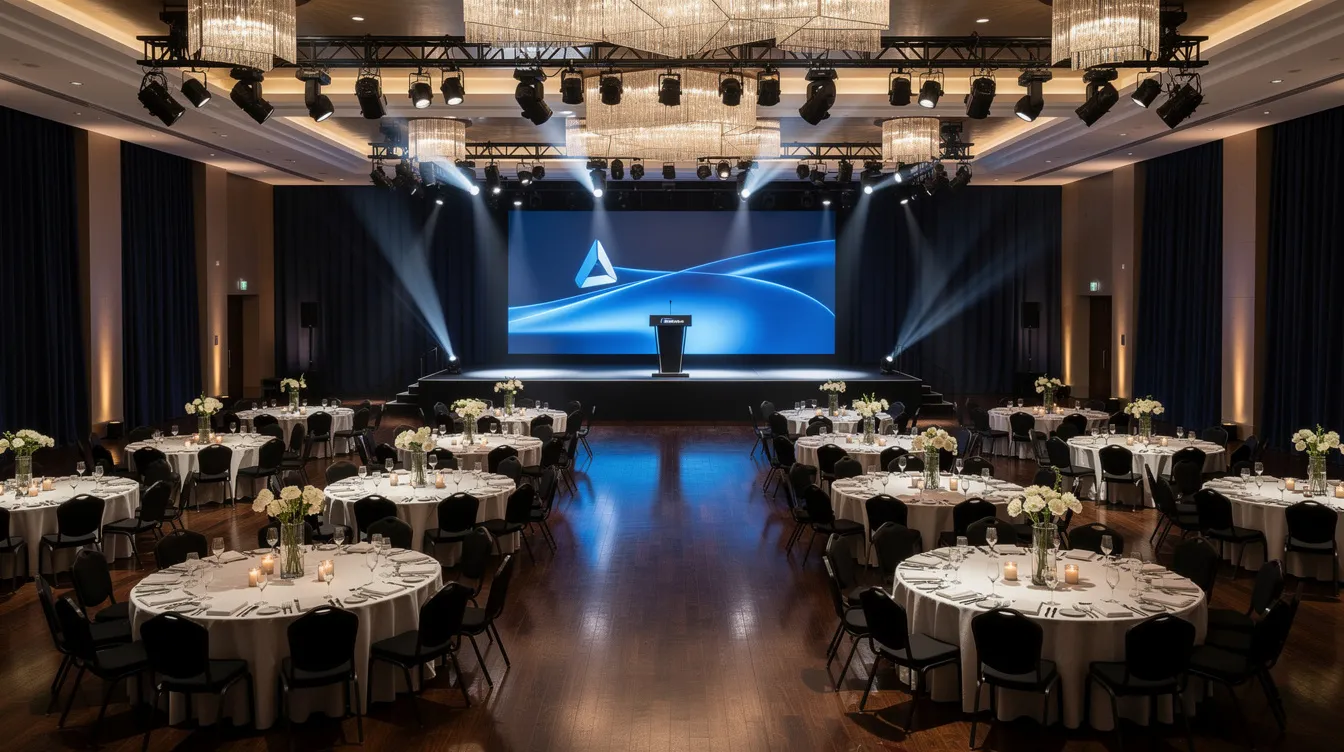
Consider the difference between a single evening corporate meeting at a hotel ballroom and a three-day expo at a venue like the Minneapolis Convention Center or the Las Vegas Convention Center. For a one-day event, the focus is setup, rehearsal, show and strike in a tight window. Once it’s done, everything powers down and leaves.
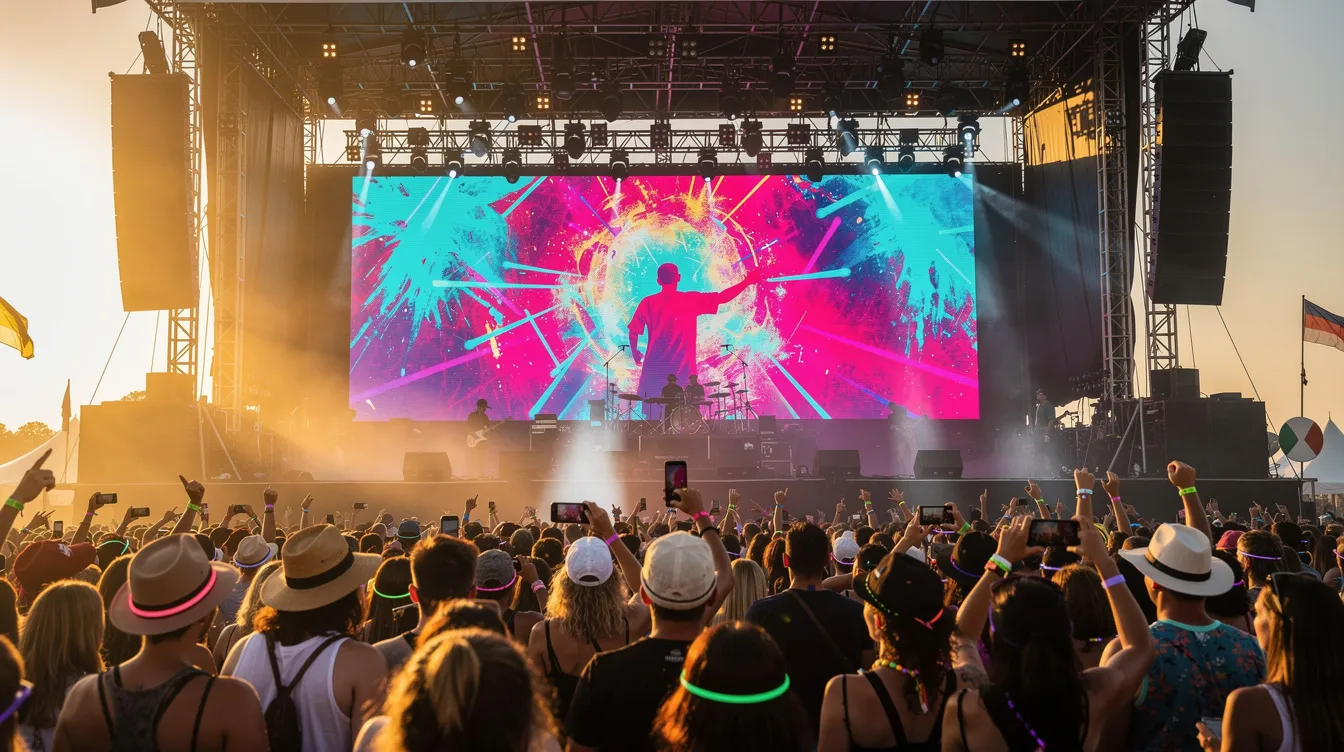
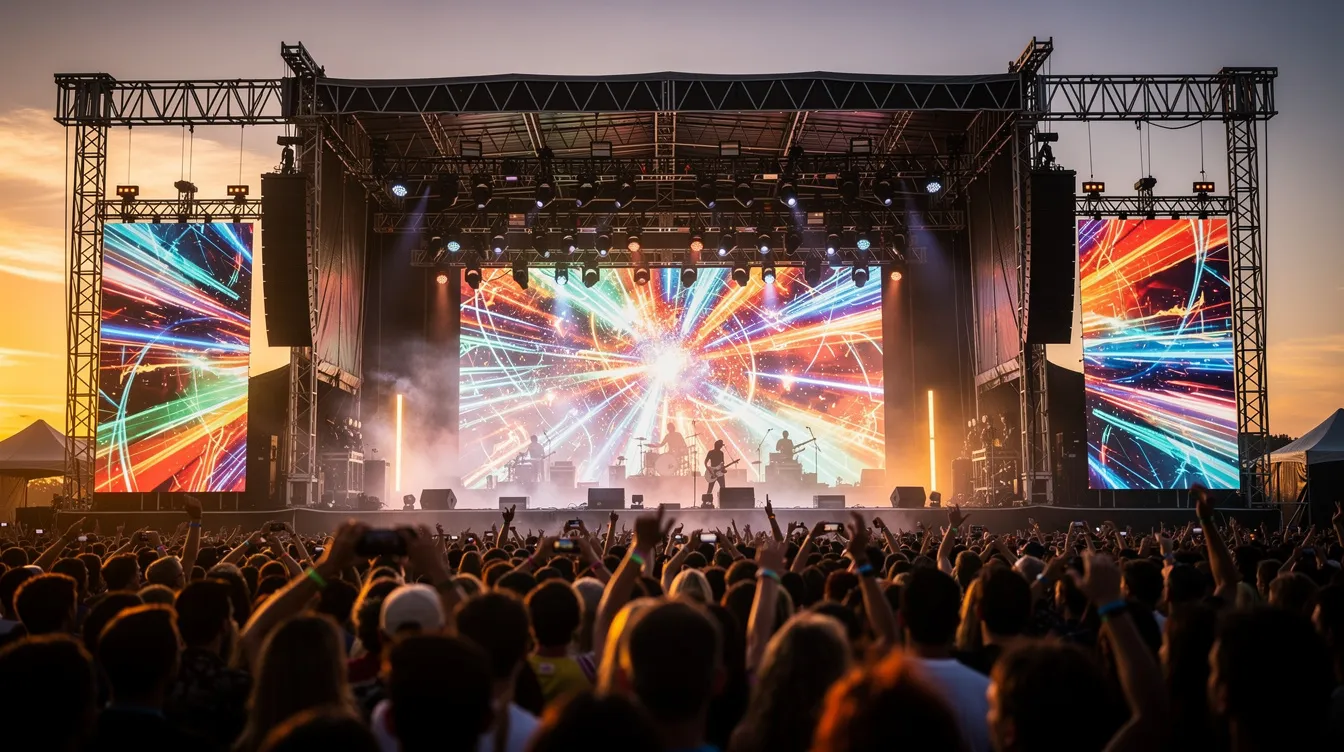
Multi-day expo AV is fundamentally different. LED walls, audio systems, playback machines and control gear may be powered for eight to ten show hours daily over two to four days, often with limited access for major adjustments during open hours. Professional AV systems combine audio, video and lighting elements that must remain stable across all of those hours. Dynamic visuals and sound can significantly improve attendee engagement at trade shows, but only when the underlying systems hold up.
AV integration enhances audience engagement and brand visibility over time. Trade show AV suppliers must understand venue regulations and power needs because extended run time increases the importance of thermal management, cable management, signal stability and daily system verification.
Key operational differences:
Systems remain in place overnight, exposed to cleaning crews, venue maintenance and neighboring vendor activity.
Content updates, sponsor changes and marketing adjustments happen between or during show days.
Someone must power systems up and down, verify configurations, and answer when an exhibitor needs changes on day two.
Networking opportunities and attendee traffic patterns shift daily, requiring the exhibit to perform consistently each morning.
Building a Realistic Production Schedule for a Multi‑Day Expo
The production schedule is the backbone of a successful multi-day AV strategy. Early AV planning saves money and reduces risk, and planning processes should include pre-show meetings and coordination of logistics well before the show floor opens.
Typical phases for a three-day trade show with one installation day:
Load-in and equipment installation day, often the day before exhibitor move-in or during official setup hours.
Final testing, client review and content checks before doors open day one.
Repeatable daily pre-show checks on days two and three.
Final show day strike window and teardown sequence.
Front Row FX builds schedules backward from published show hours and venue access windows listed in the show’s official exhibitor manual. AV production should be integrated into booth design and messaging early on. Successful AV requires collaboration between designers and technicians, and content must be planned alongside AV technology to avoid last-minute surprises.
Coordination with booth builders, riggers and show contractors ensures LED walls, truss, power and data are installed in the correct order. A multi-day plan typically includes separate labor blocks for:
Installation technicians.
Show-day tech coverage.
Strike and load-out crew after the expo closes.
Early AV planning can reduce costs and improve options by locking in equipment, labor and venue services before availability tightens.
Load‑In, Installation and Initial System Testing
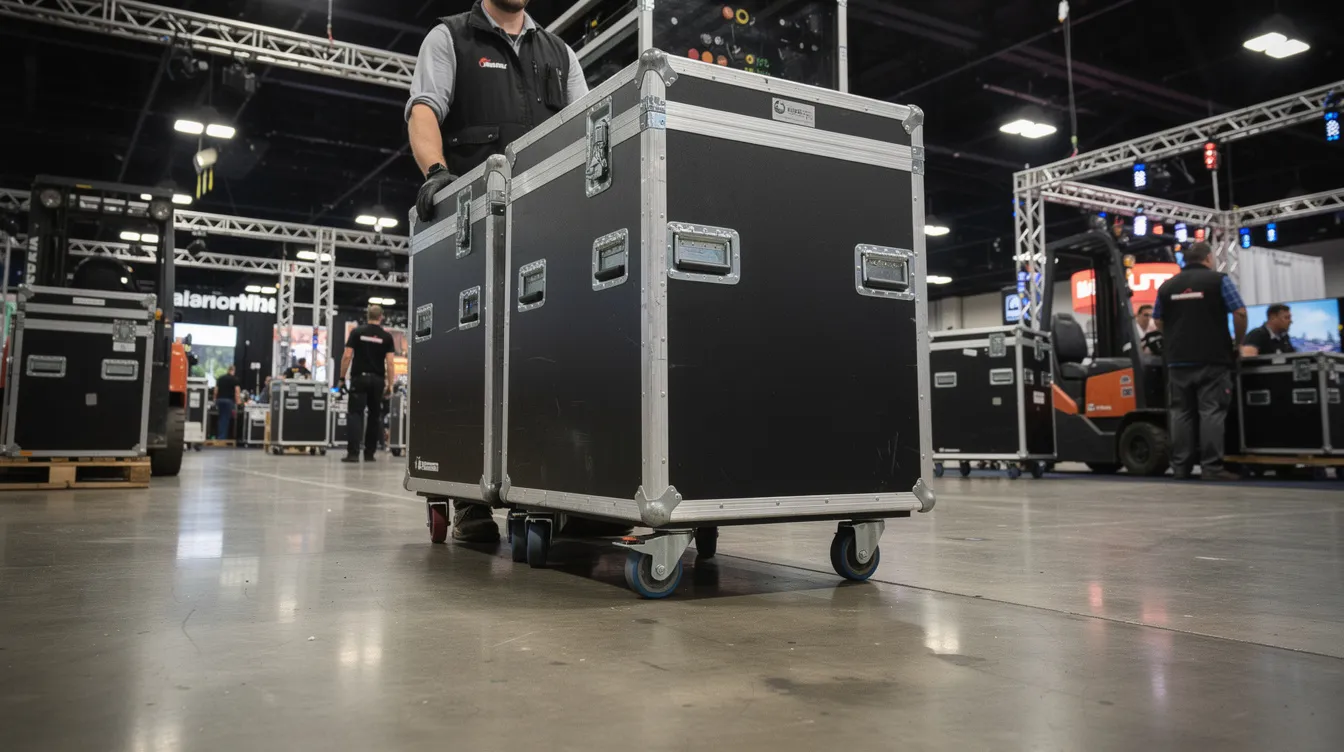
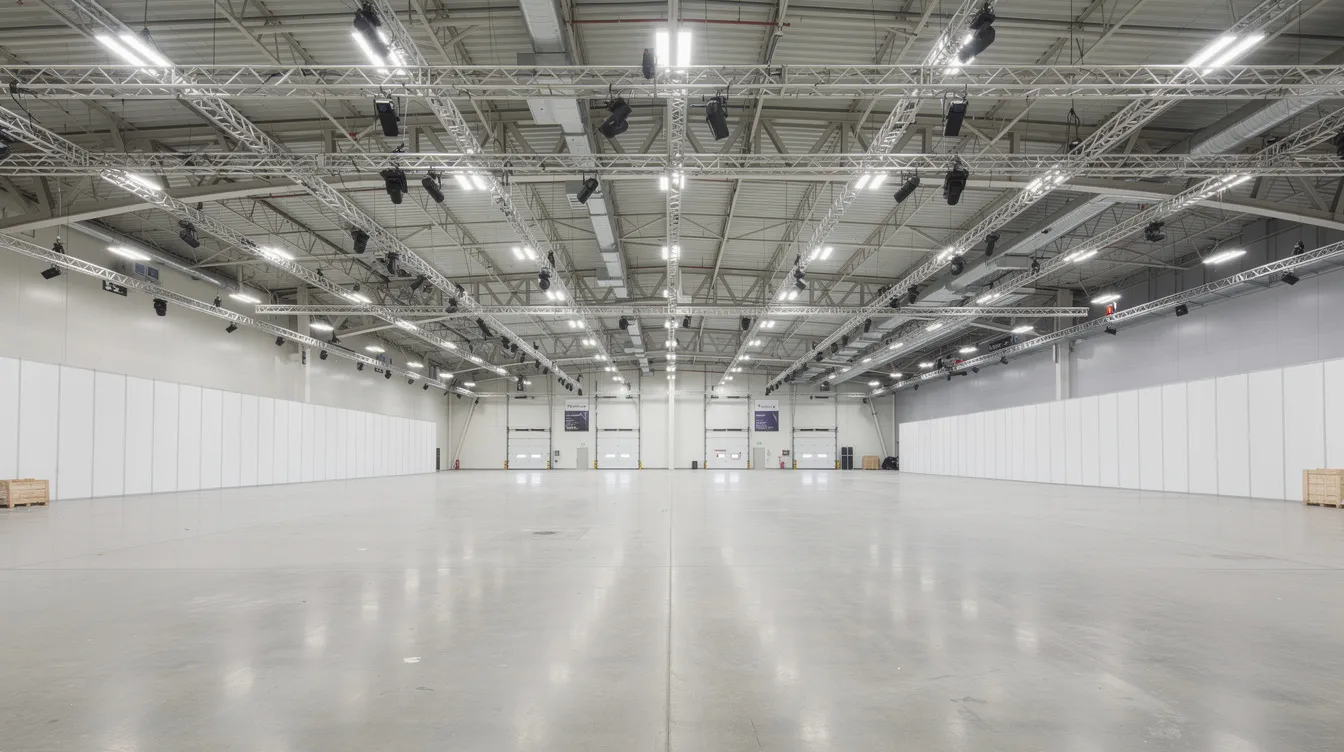
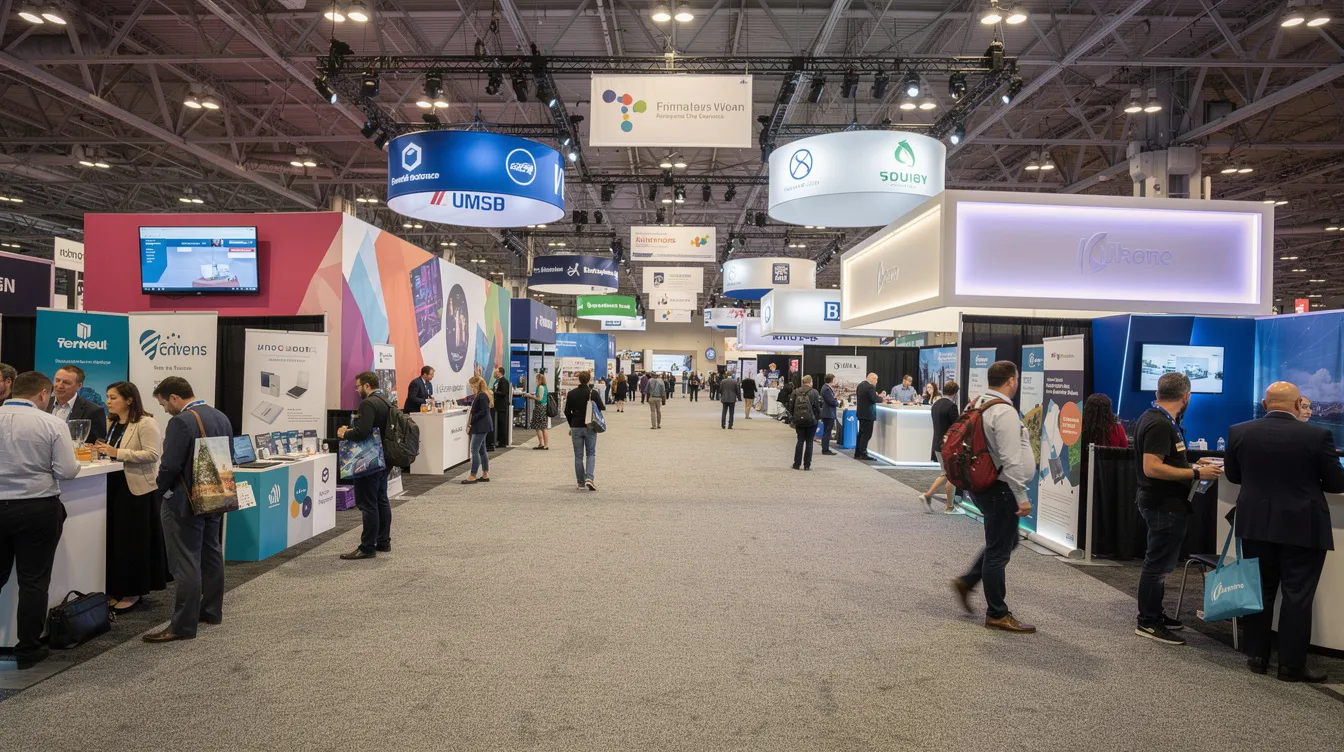
Arriving at the venue during move-in means navigating a crowded show floor with forklifts, crates, booth structures and overlapping vendors all sharing limited dock time. Selecting AV production services requires balancing technical capabilities and onsite logistical support.
What happens during load-in for a trade show exhibit using advanced AV technology:
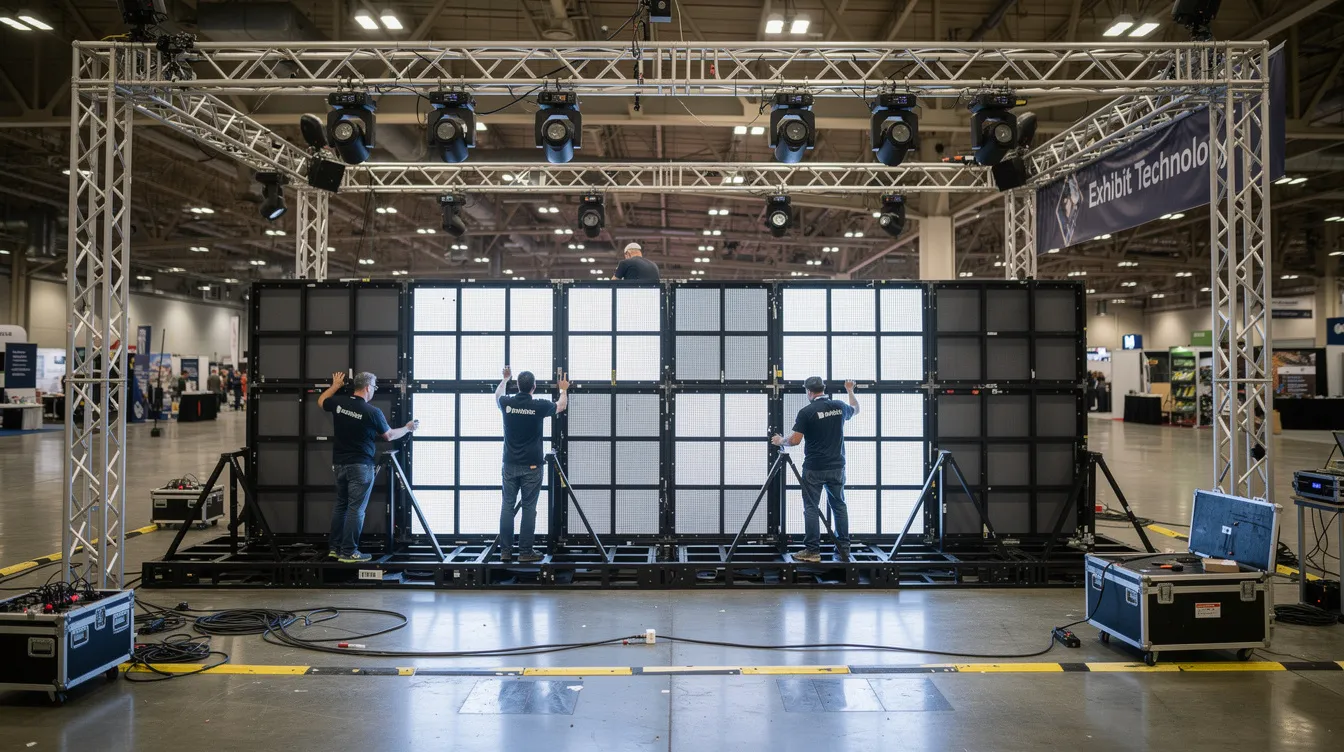
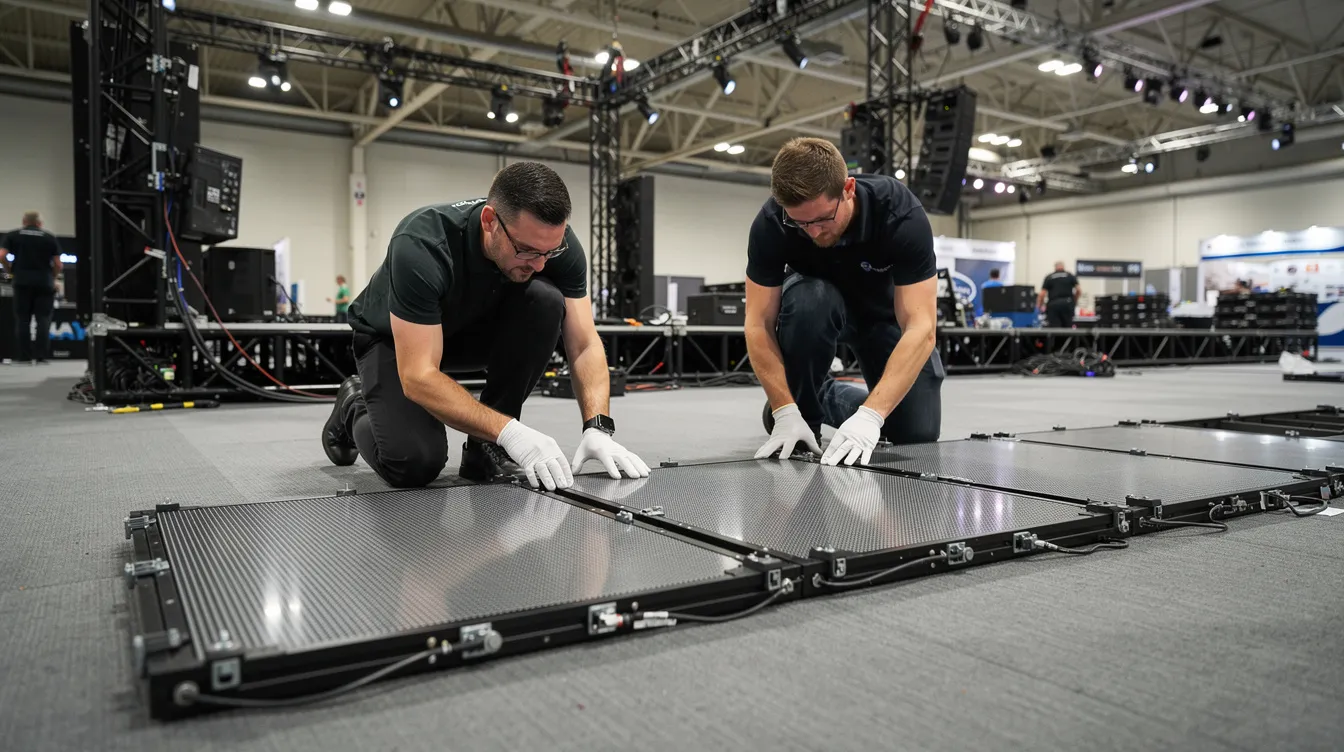
Unloading LED panels, processors, audio visual racks, lighting fixtures and cabling.
Coordinating placement with booth design drawings to ensure LED walls, screens and speakers land exactly where exhibit designers planned. Trade show design should balance aesthetics with technology.
Front Row FX uses the installation day to:
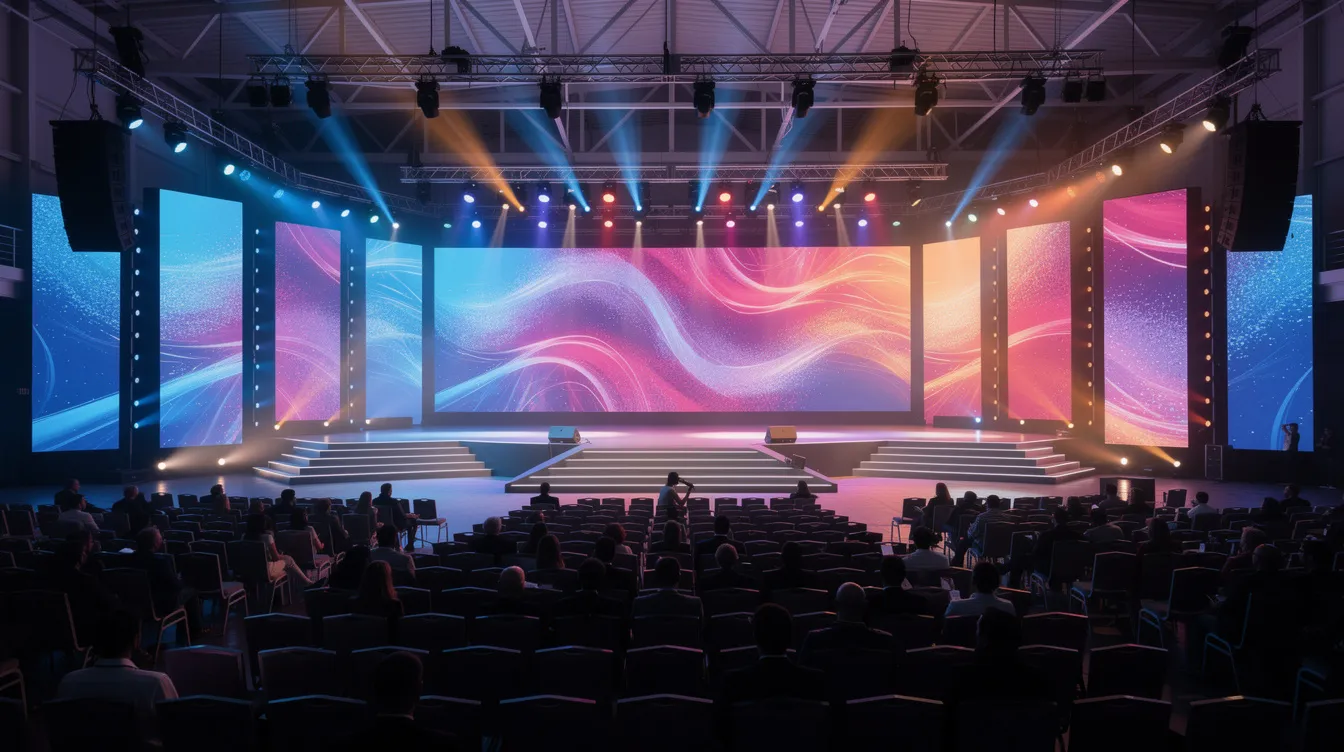
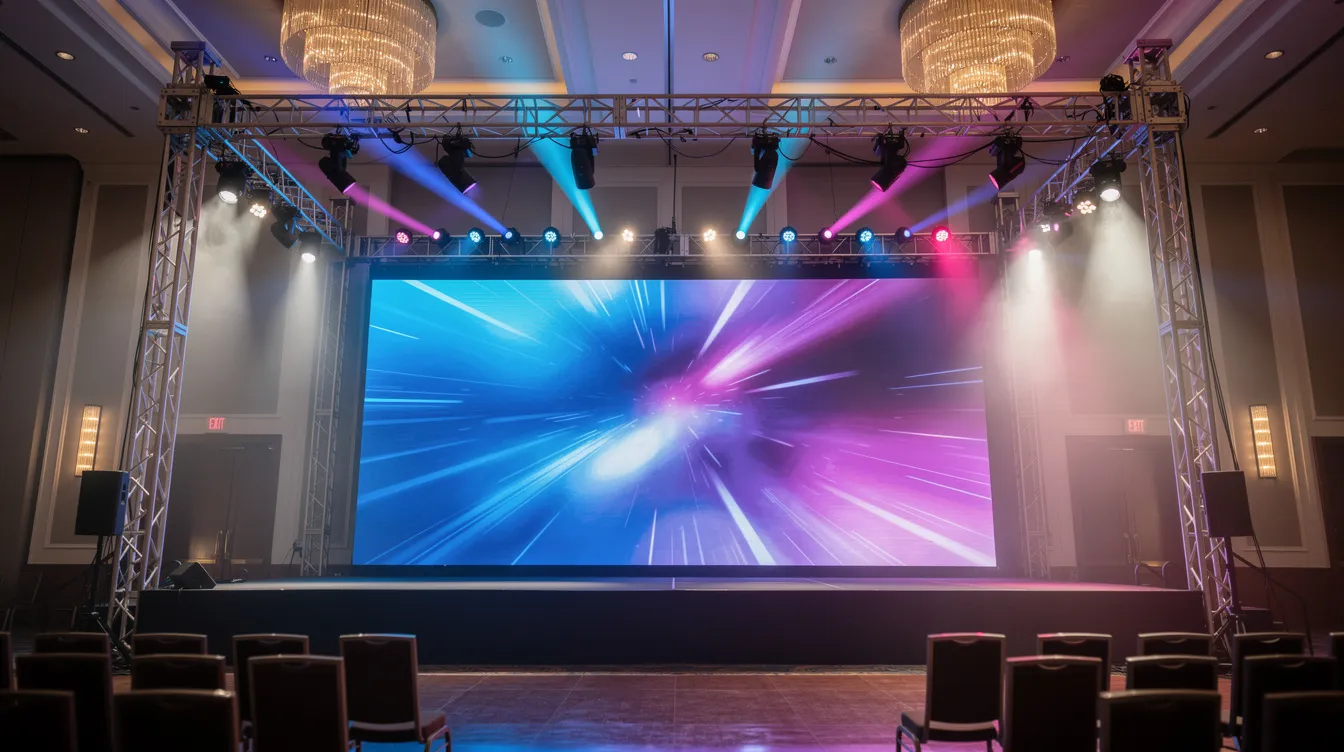
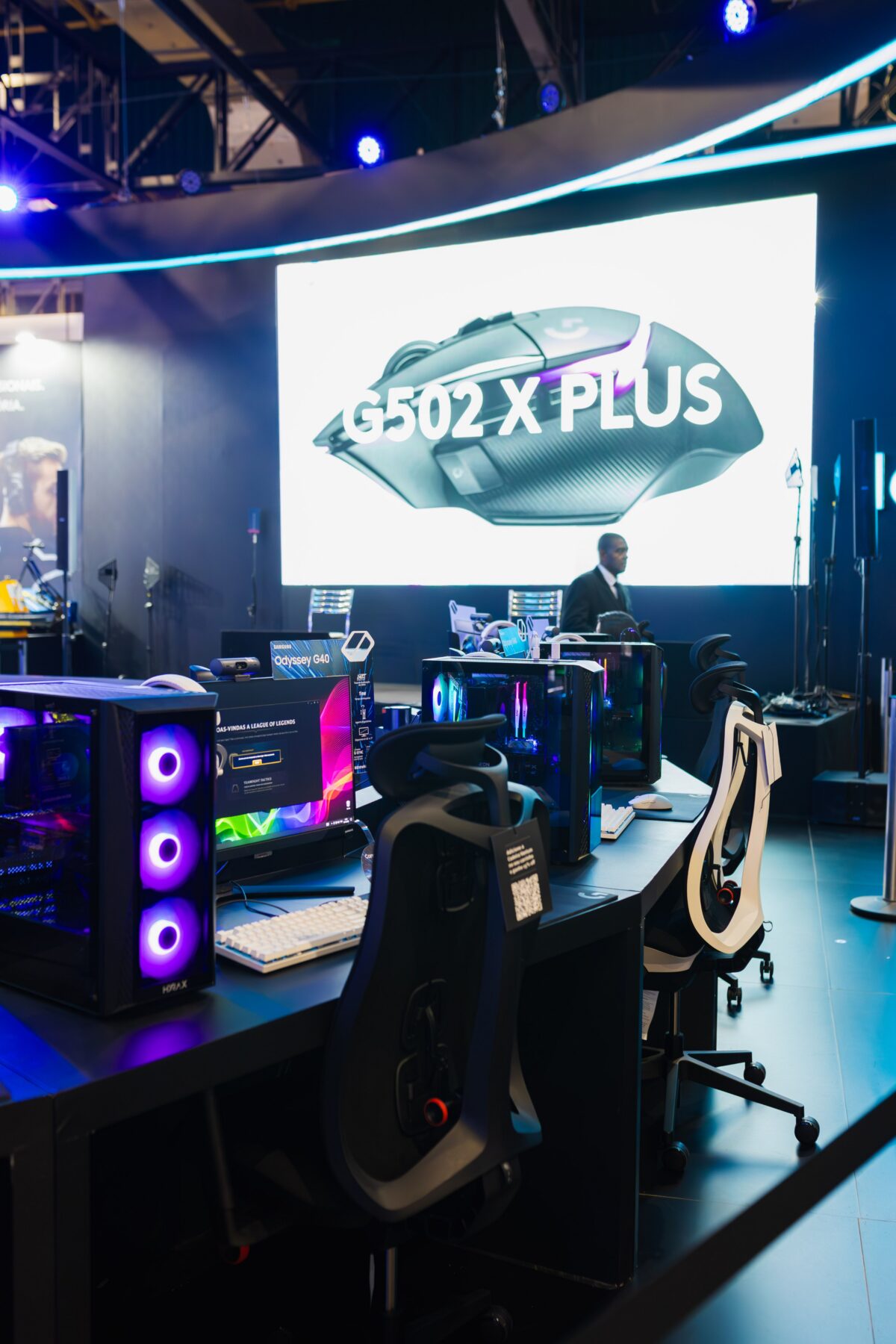
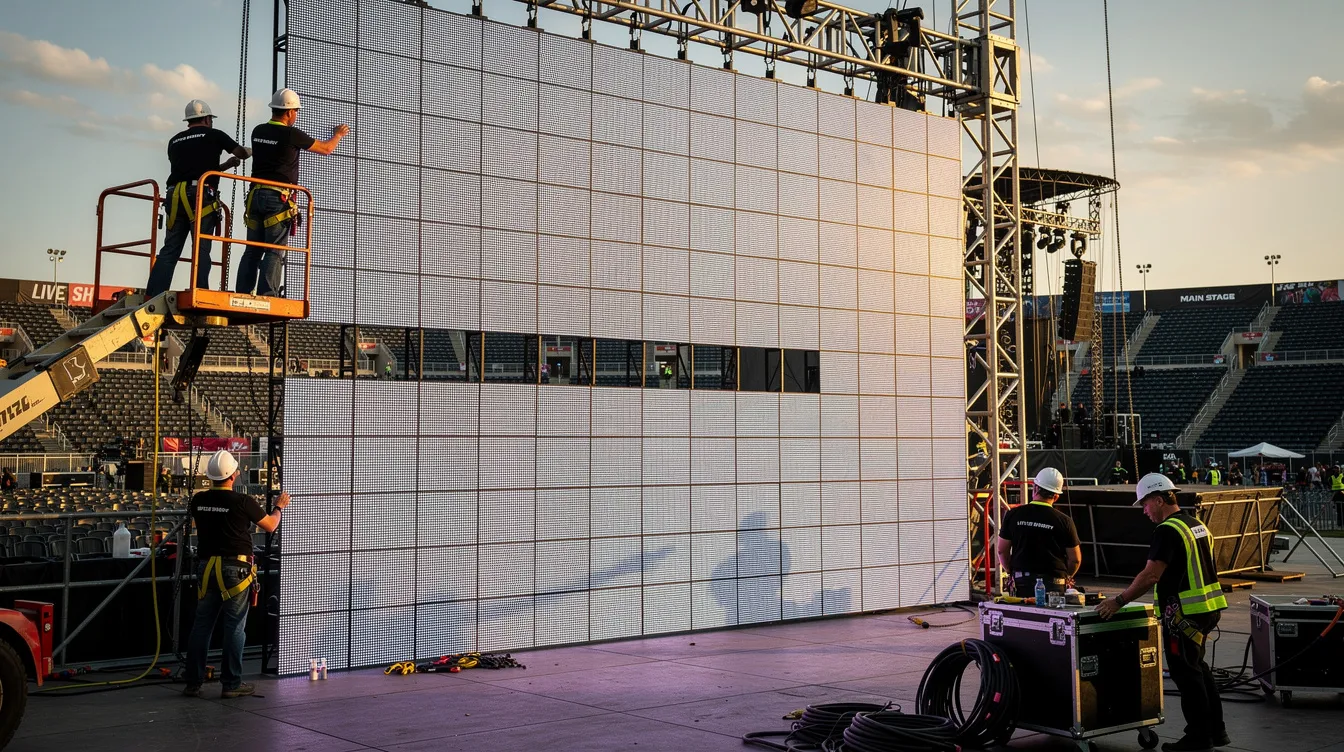
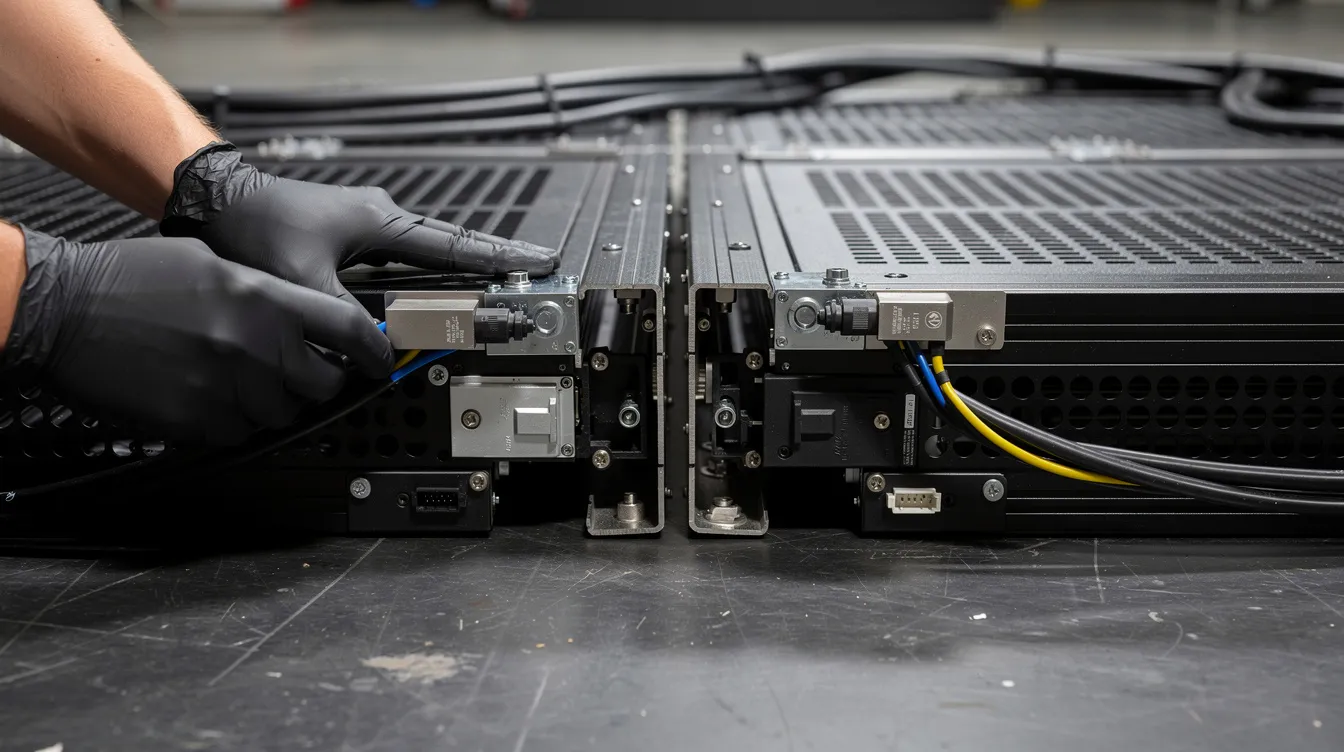
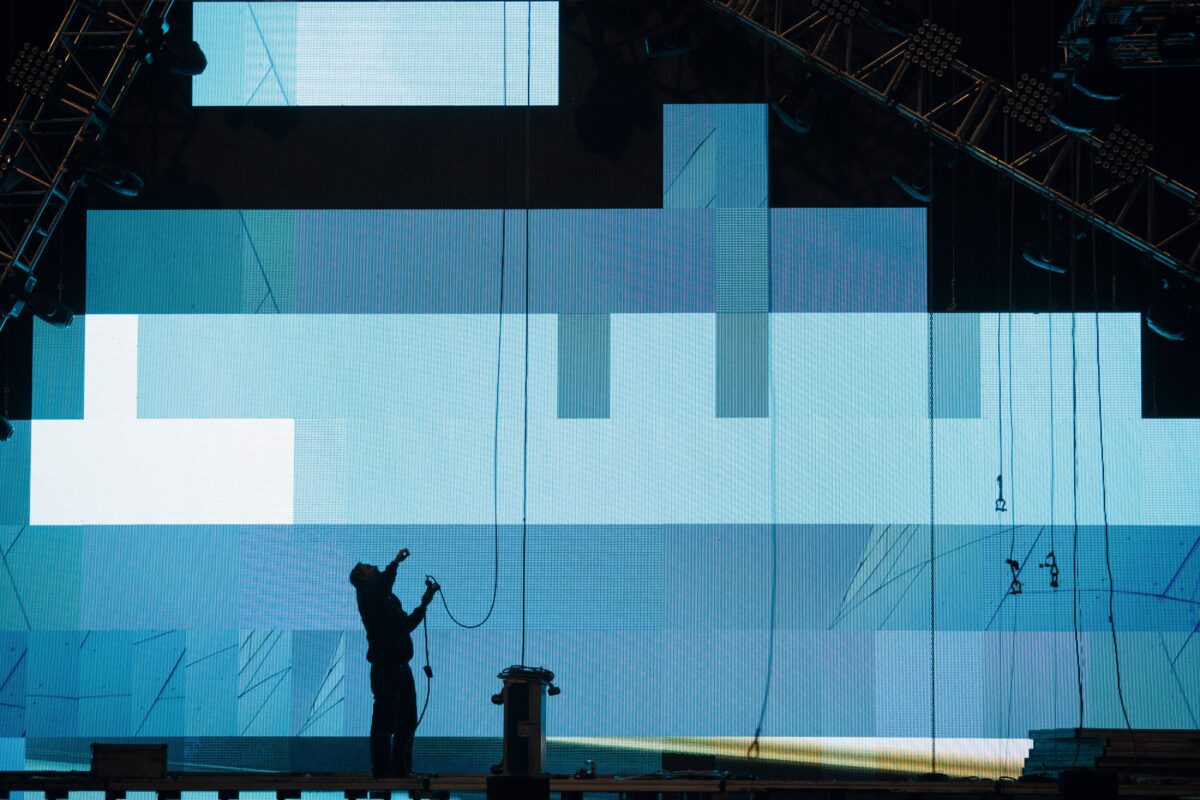
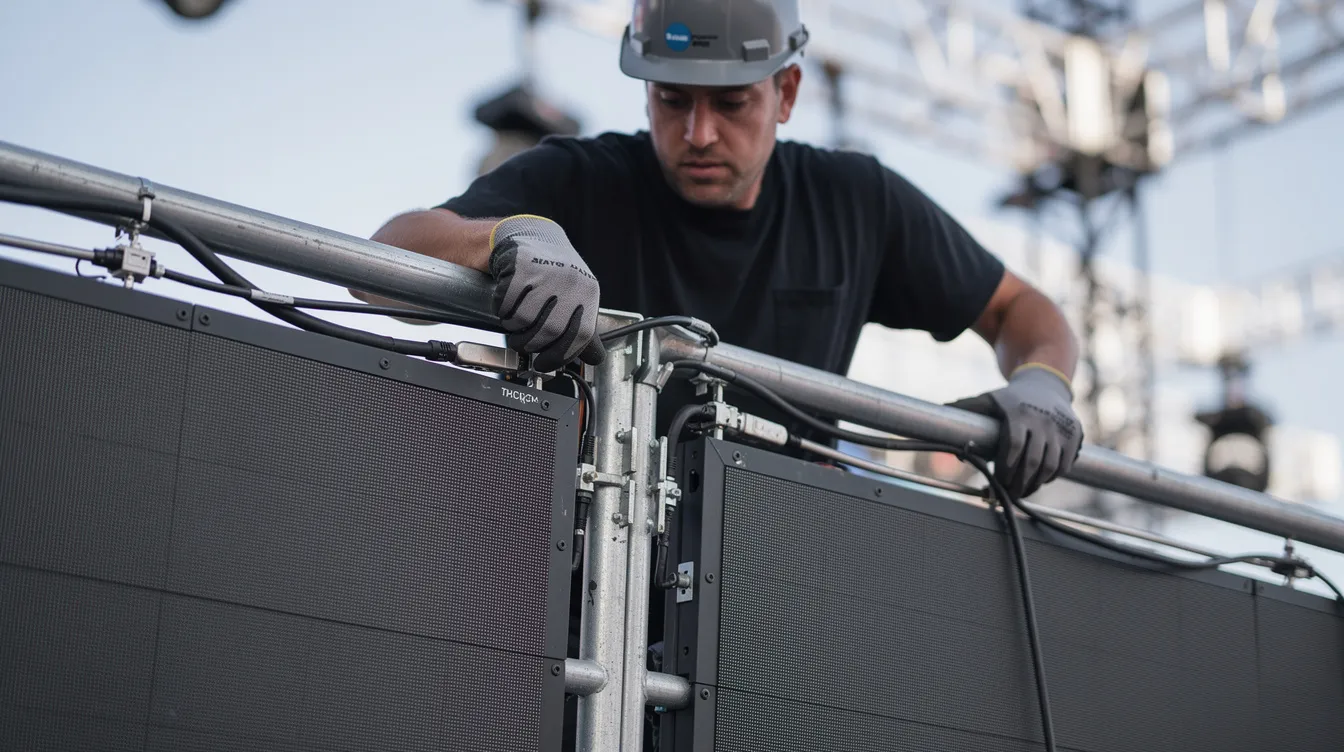
Assemble and rig LED walls or LED columns safely. LED technology combines scale, movement and brightness for exhibits, and modular LED systems offer designers creative freedom in large format configurations.
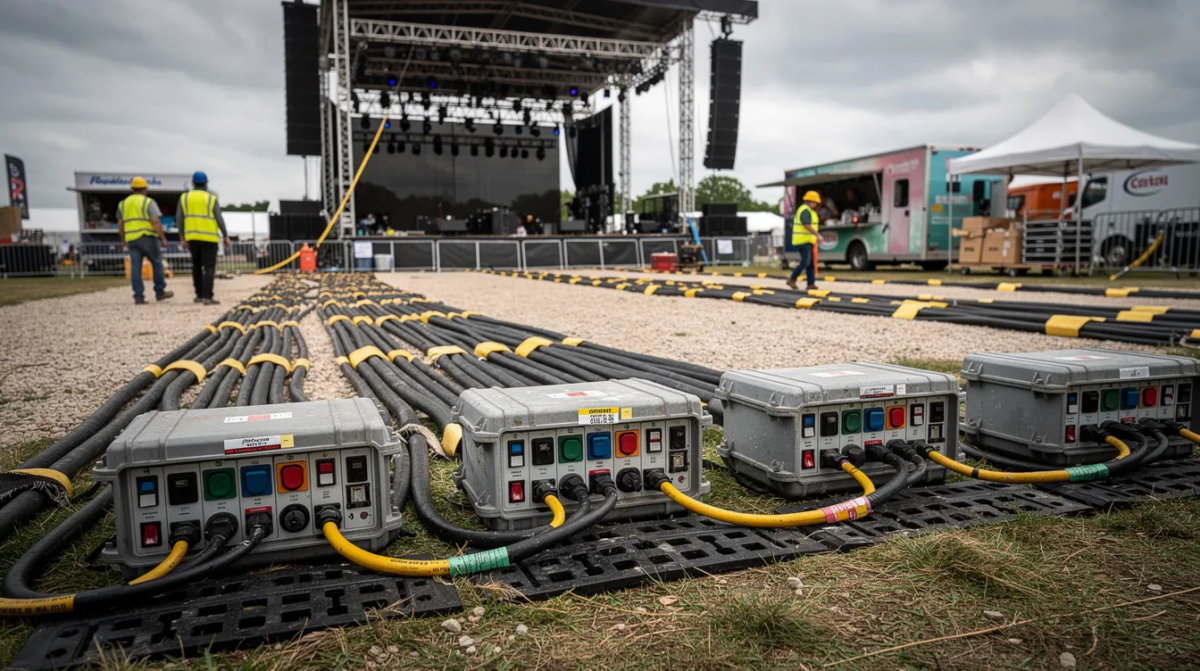
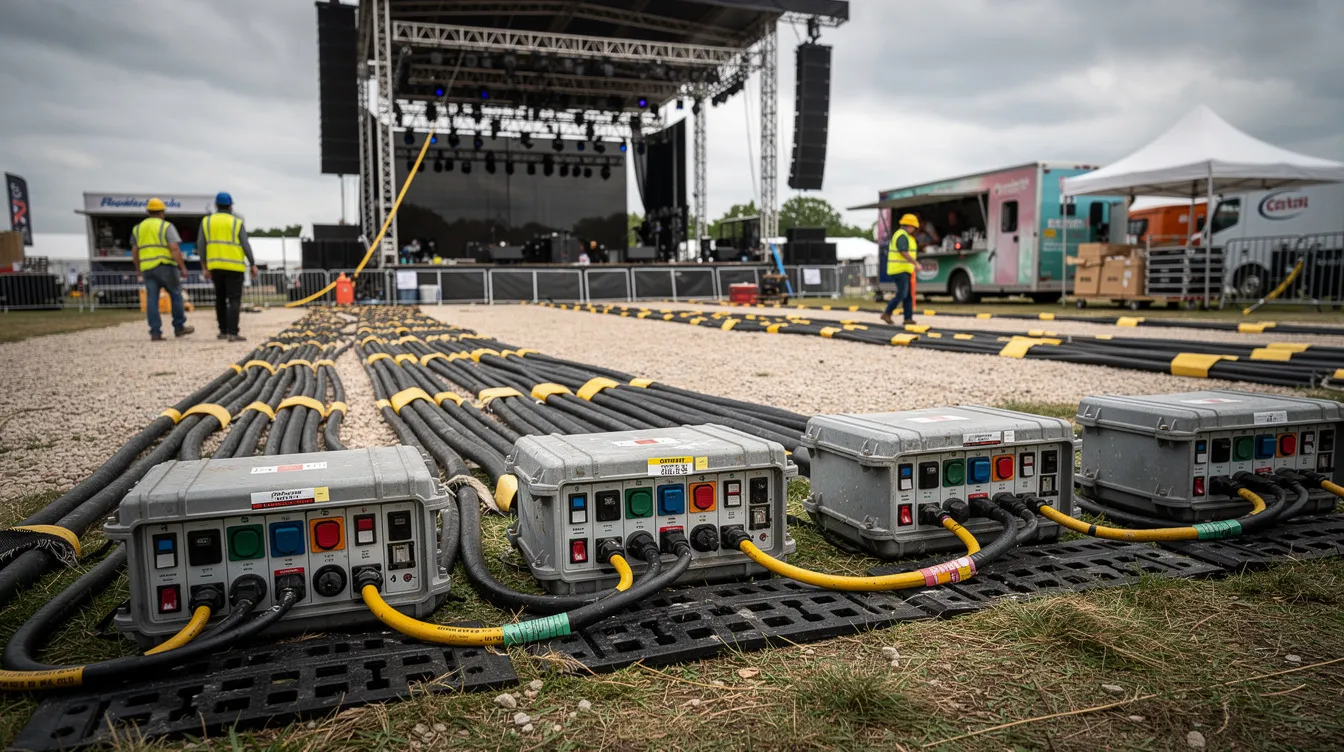
Run power and signal for video, audio and control, following venue electrical rules described in show or venue documentation. Strategic speaker placement delivers intelligible sound without unpleasantness, and professional audio planning considers room acoustics and audience size.
Label and secure all cabling to survive several show days of traffic and cleaning crews.
Initial system testing steps:
Verifying all LED panels are mapped correctly and free of obvious issues. High-resolution LED walls require content designed for their dimensions.
Confirming audio coverage for the booth or presentation area without overwhelming neighboring exhibitors.
Checking that media players, switchers and laptops output the correct resolutions for each LED wall or screen.
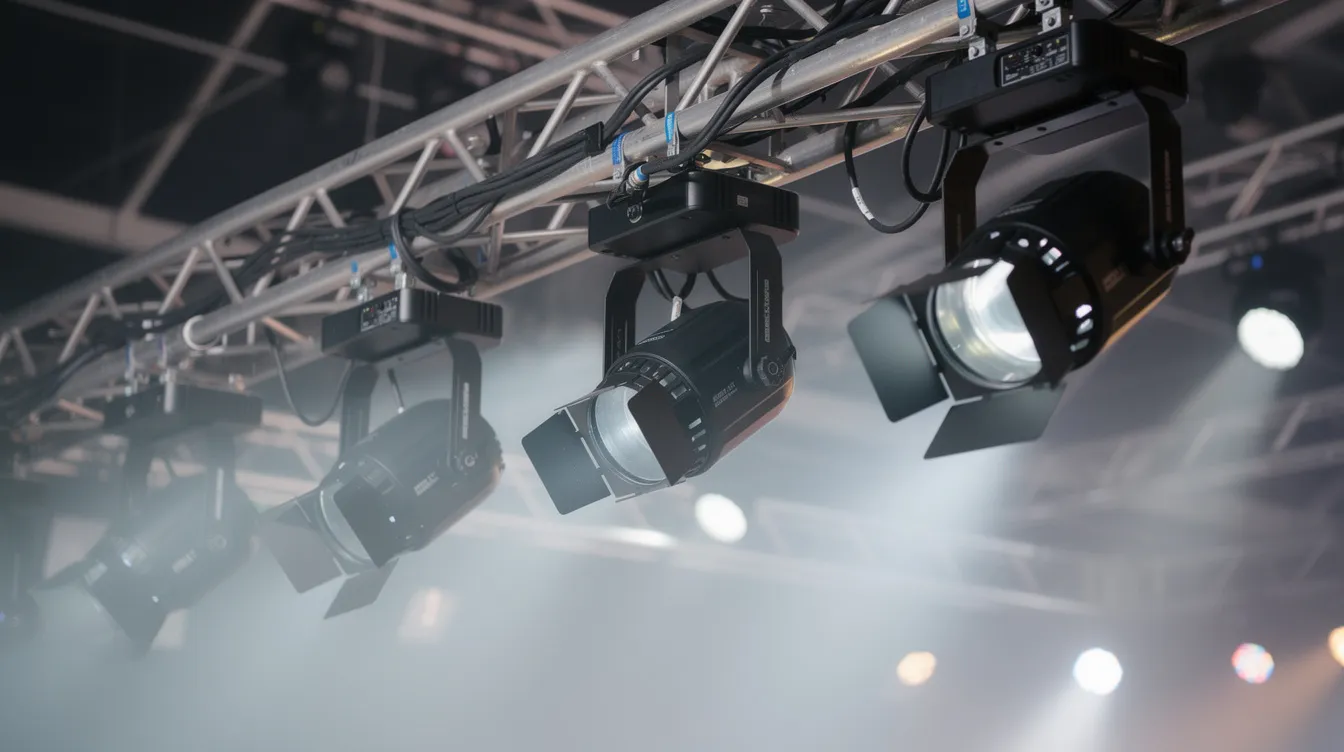
Lighting highlights products and architectural elements, and strategic lighting can differentiate an exhibit from its surroundings. Lighting should be coordinated with video for optimal impact.
Any needed corrections are best discovered and resolved before the first attendee walks onto the floor.
Daily System Checks, LED Walls and Content Across Multiple Show Days
In multi-day AV production, the work each morning before doors open is just as important as the original installation. This is what separates a professional production from a simple equipment drop-off.
A typical pre-show routine on day two or three:
Front Row FX technicians arrive before exhibitor access or early in the access window defined in the show schedule.
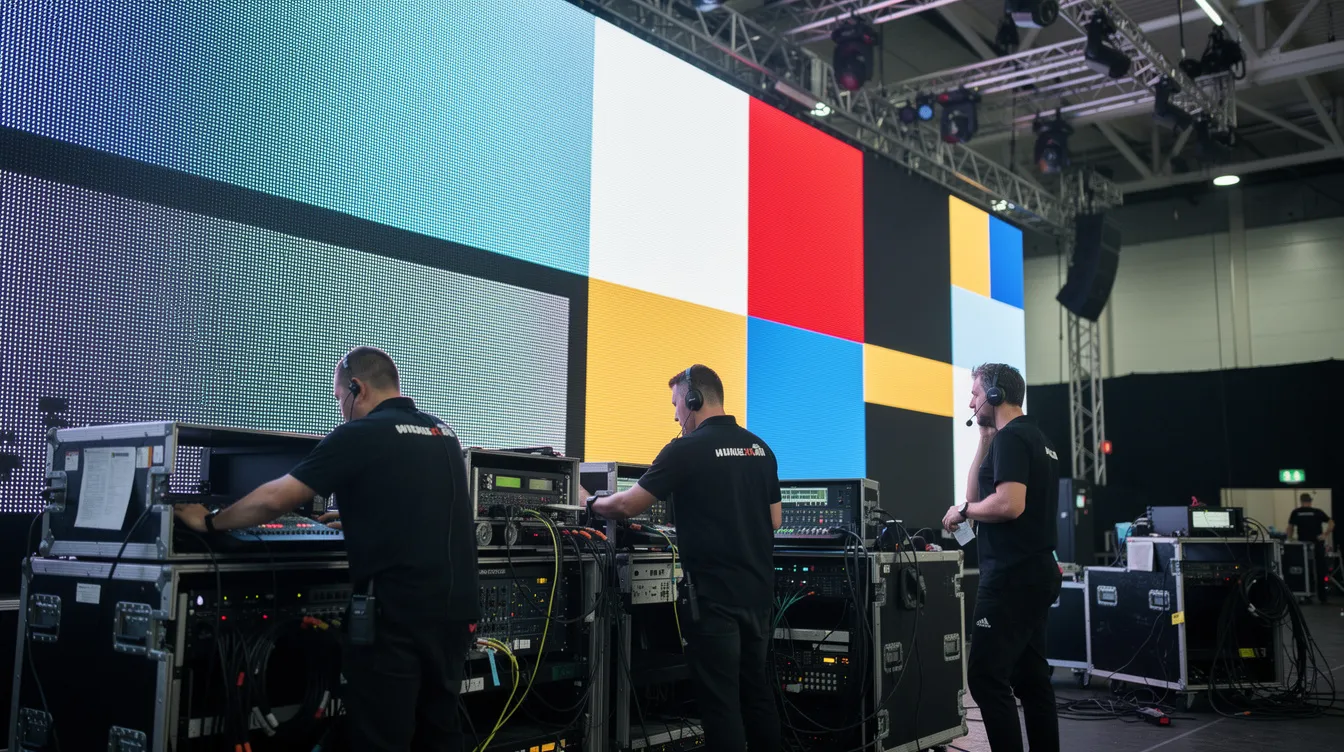
Systems are powered up in sequence: power distribution, processors, playback, then LED walls and displays.
Specific checks for LED walls used over several days:
Confirm processors and video routing are online and recalling the correct configuration.
Verify signal path from media players or show laptops to every LED wall, LED banner or digital signage display. LED displays can communicate messages faster than static signage, and LED walls can serve multiple purposes at trade shows, from branded visuals to product demonstrations.
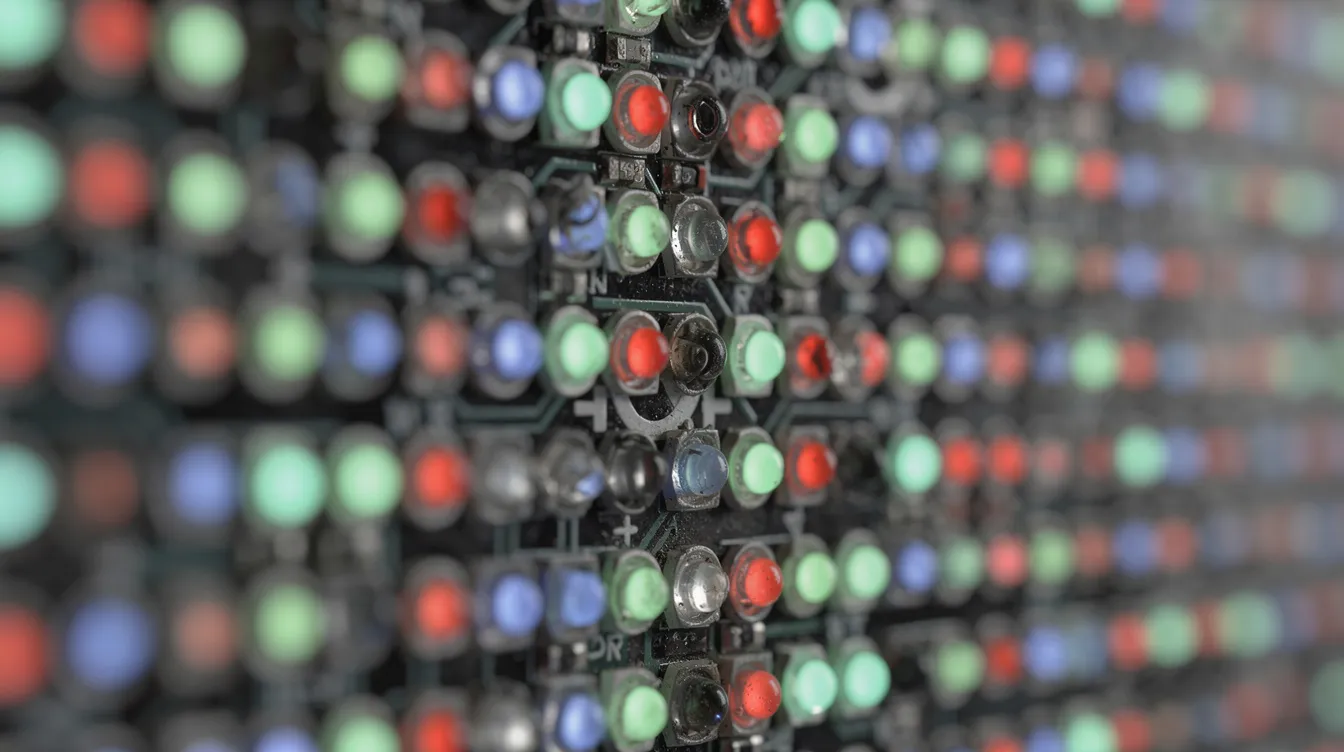
Walk the viewing area to look for color shifts, module issues or misaligned panels. LED walls can enhance visibility from across the trade show floor.
Confirm brightness levels appropriate for the hall’s ambient light and show policies. Effective lighting design influences the overall atmosphere of an event, and strategic lighting can highlight products and enhance brand visibility. Lighting enhances scenic elements and improves camera images at events.
Content playback needs daily attention:
Ensuring scheduled loops, product videos and motion graphics start at opening time. Professionally produced content communicates information quickly and effectively.
Quickly loading updated brand messaging, revised product slides or same-day session information requested by marketing teams. This is how a company can tell its brand story consistently across every show day.
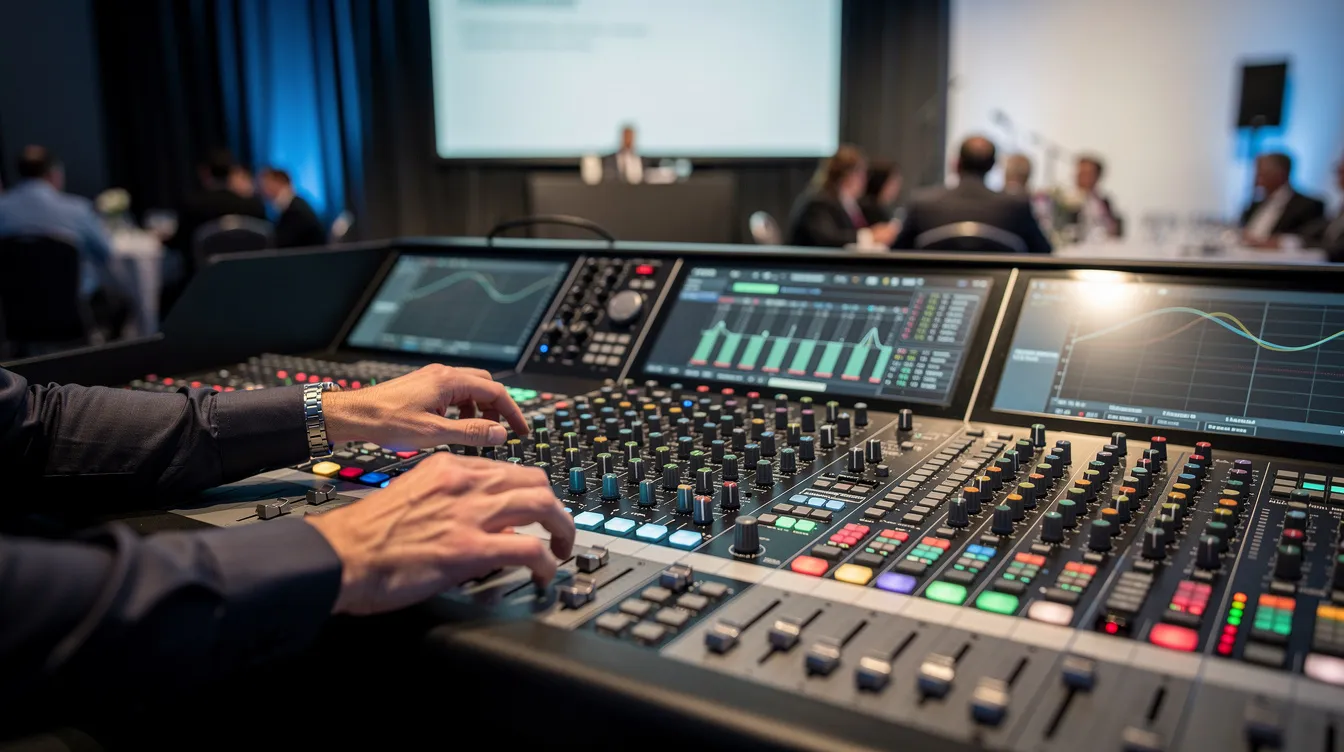
Confirming clear audio levels on any videos or demos so they’re consistent from day to day. Audio clarity is crucial for effective communication at trade shows, and trade show audio must compete with neighboring exhibit noise. An experienced audio engineer understands sound behavior in spaces, and audio management is crucial for clear communication during events. Clear communication through audio systems and visual aids is essential for presentations. High-quality microphones, displays and lighting ensure presentations are easy to see and hear.
These daily checks keep advanced technology invisible to attendees. They just see a consistently sharp, bright LED wall and hear audio that cuts through the floor noise every time they return to the booth.
Technician Coverage, Mid‑Show Changes and Redundancy
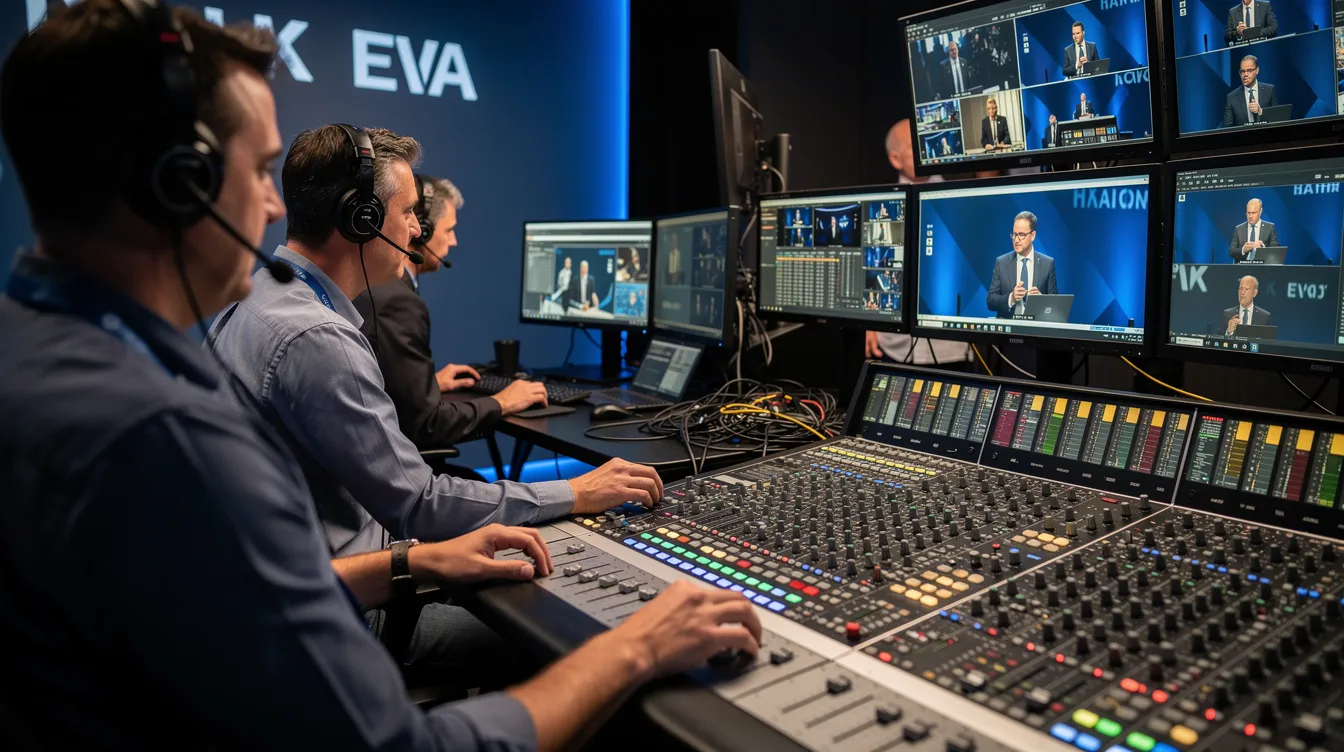
Multi-day trade show AV is as much about people as equipment, especially when marketing teams are adjusting key messages in real time. Trained technicians should be on-site during show hours to address technical issues. Technical staffing is crucial for successful event execution.
What technician coverage can look like:
A dedicated Front Row FX technician assigned to the exhibit during show hours.
A roaming tech shared across several exhibitors, coordinated with show management.
On-call support with defined response times when full-time coverage isn’t necessary.
Common mid-show needs on a three-day expo:
Swapping in new product videos or price points after a successful day one. You might also create content for live streaming to reach remote audiences or a global audience following the event online.
Adjusting LED wall layouts or playlists to feature a sponsor or time-sensitive campaign using collaboration tools that keep the team aligned.
Responding to signal issues, loose connections or accidental power cycles when neighboring vendors adjust their own booths.
Interactive elements also require ongoing attention. Interactive displays encourage visitors to explore products actively and can increase attendee engagement significantly. Interactive touchscreens allow visitors to explore at their own pace, while games and interactive installations can increase attendee dwell time. Digital demonstrations simplify complex services for attendees, and live polling turns conference attendees into active participants. AV production enhances lead generation by inviting attendees to participate in interactions.
Redundancy at a practical level:
Keeping spare LED panels, feed cables or playback devices on site when the project scale and budget justify it. Redundant systems and backups are critical in high-stakes live environments.
Using backup inputs on processors or switchers so a laptop or media player can be swapped quickly.
Planning simple content fallbacks if live feeds or complex interactive elements are temporarily unavailable.
Selecting audiovisual partners requires evaluating operational, technical and financial elements. Front Row FX’s role is ongoing technical responsibility across all show days-the job is consistent, smooth operation and quick response without disrupting the trade show experience for clients or attendees. This level of pro av expertise and engagement is what separates production from rental.
Overnight Considerations, Equipment Security and Working Around Show Hours
Once the exhibit hall closes, AV systems still need a plan. LED walls, control racks and laptops remain in place for several nights, and what happens overnight directly affects how the next morning goes.
Typical overnight considerations:
Deciding, together with the client and in line with venue policies, which components remain powered and which are safely shut down.
Confirming that systems will restart cleanly the next morning without manual reconfiguration.
Security and access:
Using lockable racks or secured enclosures for media players, processors and audio visual gear left in the booth.
Coordinating with the exhibitor and show security teams about who is authorized to touch AV systems after hours.
Show schedules often include:
Limited early-morning access windows before attendees enter.
Specific overnight maintenance periods for cleaning, carpet work or facility checks that AV teams must work around.
Front Row FX plans daily routines around these access windows, ensuring all system checks, content updates and configuration changes are completed before the trade show floor opens each morning.
Final Show Day, Teardown and Why Multi‑Day Pricing Is Structured Differently
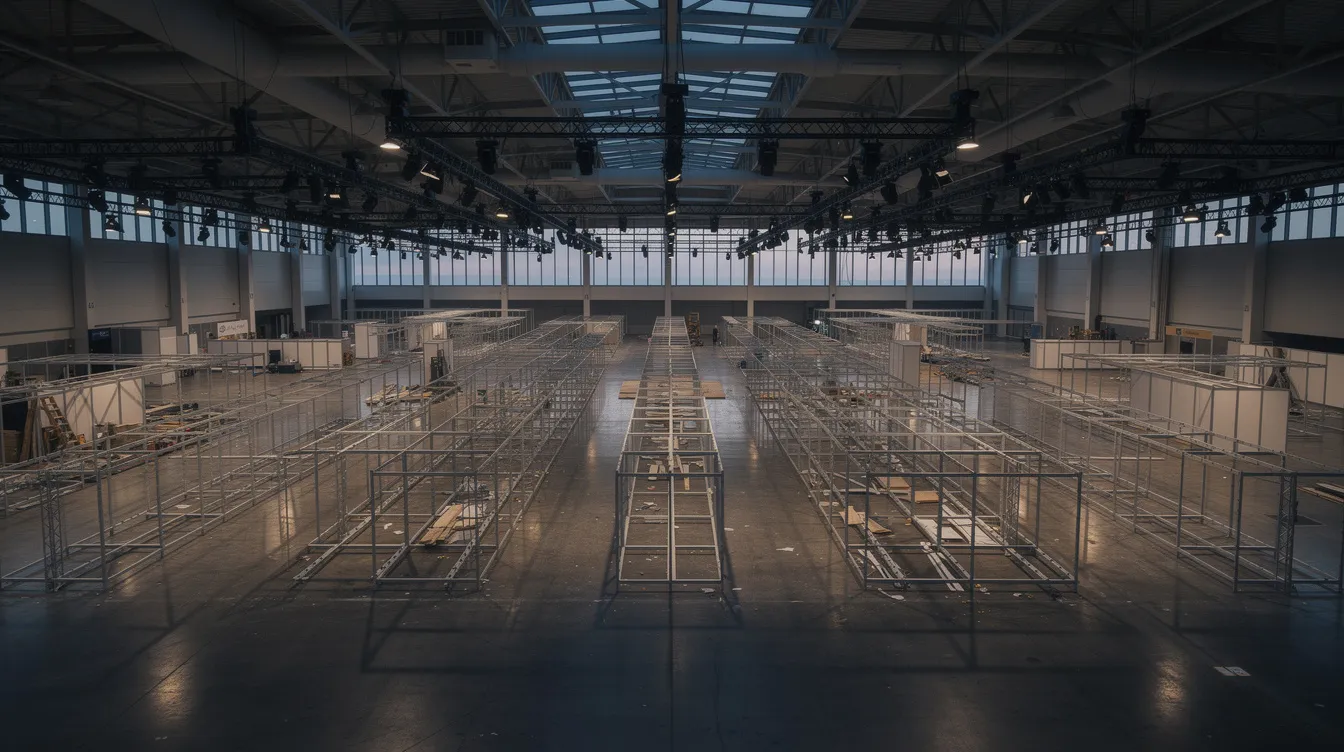
The final show day has two simultaneous priorities: delivering a complete guest experience until the last minute and exiting the venue safely once the hall closes.
Final-day operations:
Maintaining full system performance and audience engagement through the last presentation or giveaway. The innovation and energy of the exhibit should be just as strong at close as it was at opening. Engage audiences through every showcase moment until the end.
Coordinating with exhibitor teams to avoid shutting down LED walls, audio or dynamic lighting before they finish show-closing activities.
Teardown and load-out:
Powering down systems methodically, protecting LED panels and electronics from rushed disassembly.
Carefully packing and labeling LED walls, audio, cabling and control gear for transport back to Front Row FX’s warehouse in Minnesota or direct to the next site and project.
Why multi-day trade show AV pricing is not simply “one day of AV services multiplied by three”:
Installation labor and teardown labor are usually single occurrences regardless of how many show days fall in between.
Multi-day shows occupy equipment inventory for the entire period, preventing that gear from being used at other events or regional expos.
Additional pricing factors:
Technician coverage across multiple days, including overtime when show hours extend or access is restricted.
Daily system checks, content revisions and operational support that don’t exist in the same way for one-day corporate meetings.
Additional production days such as rehearsals, sponsor previews or pre-show content programming sessions.
Transparent pricing and budget clarity can prevent unexpected costs during events. Front Row FX explains these elements clearly so exhibitors and organizers can budget accurately for multi-day event AV solutions and capture attention with maximum impact every day of the show. Explore what’s possible when you partner with a production company that treats every show day as a professional commitment to your event goals and your brand.
Plan Your Multi‑Day Production
Successful multi-day trade show AV production depends on planning, daily system readiness and consistent technical support-not just dropping off video walls or audio equipment. When you work closely with a production partner from the start, AV solutions integrate naturally into your exhibit and deliver a lasting impression across every show day.
Involve Front Row FX early in booth design and show planning so production can be built into the project from the beginning.
Discuss your event scope, exhibit timeline and AV needs before venue deadlines close.
Contact Front Row FX to talk through your upcoming trade show, expo or multi-day corporate event and build a production plan that keeps your AV systems show-ready from load-in to load-out.