How Much Does a Large LED Wall Cost for a Wedding?
If you are planning a wedding in Minneapolis, St. Paul, Minnesota or the Upper Midwest and considering a true large-format LED wall—not a television or a projector—a realistic professional budget generally starts above $6,000.
A wedding LED wall is not simply a collection of panels dropped behind the DJ. The final cost depends on the physical screen size, pixel pitch, venue, installation requirements, content, technicians and how the LED integrates with the rest of the celebration.
For early planning, Front Row FX uses the following ranges as a practical starting point.
Planning Ranges: Wedding LED Wall Cost by Size
Most couples want real numbers before picking up the phone. These planning ranges use professional 500 × 1000 mm LED cabinets, the standard modular format used in event production. LED walls are priced based on size and pixel pitch, and the ranges below assume a moderate pixel pitch (P2.5 to P3.9), one-day indoor use in 2026 and full-service production in the Upper Midwest.
Approx. Screen Size | Typical Planning Range |
|---|---|
9.8 ft W × 6.6 ft H | $6,000–$8,000+ |
19.7 ft W × 6.6 ft H | $8,500–$12,000+ |
29.5 ft W × 6.6 ft H | $11,000–$18,000+ |
These are planning ranges—not fixed packages or guaranteed quotes.
They are intended to represent professionally managed wedding LED production, including the equipment and technical infrastructure required to get the screen into the room, operating correctly and supported throughout the celebration.
Professional large-format wedding LED generally begins above $6,000 at minimum. From there, the production can move substantially higher depending on venue logistics, screen design, content, rigging, installation schedule and whether the LED becomes part of a larger audiovisual production.
What Are You Actually Paying For?
The visible screen is only one piece of the system.
A professional wedding LED production may include:
- LED cabinets
- video processing
- screen mapping
- support structure
- power distribution
- signal infrastructure
- transportation
- load-in
- installation and alignment
- system testing
- show-day technicians
- content support
- teardown and load-out
This is why a professional LED wall should not be compared directly with renting a television.
It is a modular production system built inside the venue.
And once the screen becomes part of the wedding design, the scope can go beyond the technical system into visual content, décor coordination, lighting and entertainment integration.
Why Wedding LED Pricing Can Be Different From Corporate AV
Wedding LED is not automatically cheaper or more expensive than corporate LED.
It is simply built around a different production objective.
A corporate event may prioritize:
- presentations
- branding
- general-session content
- IMAG
- cameras
- executive speakers
- technical redundancy
A wedding may place more emphasis on:
- scenic integration
- floral and décor coordination
- custom visual content
- room transformation
- ceremony-to-reception transitions
- multiple sound environments
- entertainment
- ambiance and lighting
- compressed weekend installation and teardown
A corporate client may need one technically complex presentation canvas.
A wedding may use a similar amount of LED but require it to disappear into a larger design involving flowers, drape, stage elements, lighting and custom content.
That is why Front Row FX treats wedding LED as celebration production, not simply as a smaller version of corporate AV.
LED Wall vs TV vs Projector: Choosing the Right Wedding Screen
Many couples compare LED screen rental for wedding receptions to projectors or large TVs. That comparison makes sense, and LED is not always the right answer.
Where a large LED video wall makes sense
Large ballroom, tent or venue where guests are 40 to 80 feet from the stage. A rough guide for sizing: a 200 to 300 person wedding reception often calls for a screen around 10 feet high by 16 feet wide; a 300 to 400 person wedding reception, approximately 10 feet high by 20 feet wide; and a 400+ person wedding reception, 10 feet high by 30 feet wide.
Entertainment-focused receptions with a full band or DJ where the stage design matters and the screen carries visual content throughout the evening.
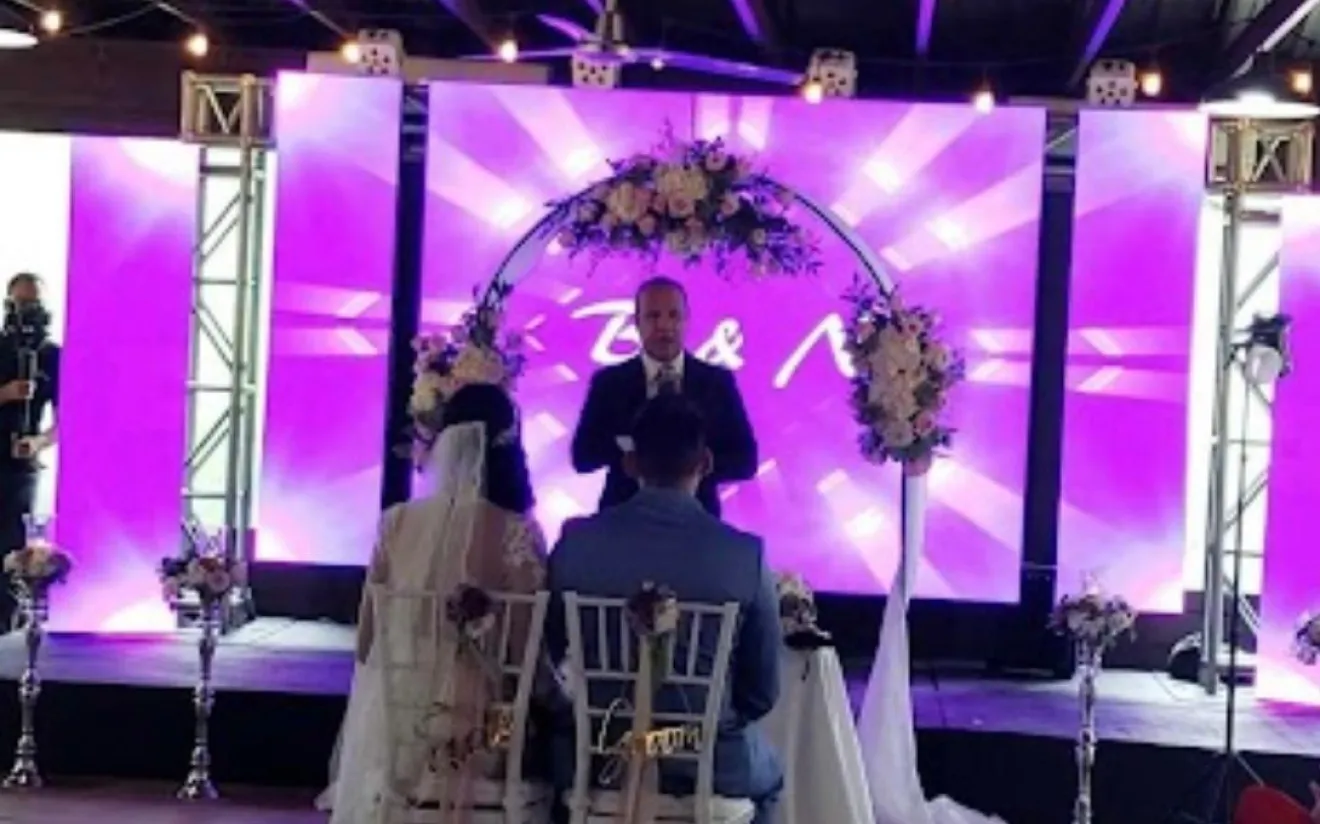
Weddings using a wedding video wall as a core backdrop for floral design, draping and motion content, where the screen needs to hold its own against room lighting and stage lighting.
Events with heavy video use: same-day-edit films, live camera feeds, speeches, performance content, DJ visual sets. LED walls can display live video of the event in real-time, which projectors handle less reliably under bright stage lights.
Where a projector or TV can be enough
Smaller rooms with under 120 guests where everyone is within 20 to 25 feet of a display. A 100 person wedding reception may only need a screen around 5 feet high by 7 feet wide, or 6 feet high by 10 feet wide, depending on the room. Smaller LED screens are best for photo displays or smaller rooms, but a quality TV or projector may handle this just as well.
Simple slideshows or a short video montage during dinner where brightness and scale are less critical. If the goal is a last minute slideshow of engagement photos, a 65-inch television will do the job for a fraction of the cost.
Spaces that are already dark and allow a projection throw without beams or décor blocking the lens. No more projectors is a common refrain, but in the right controlled environment, projection still works.
Intimate ceremonies where the focus is on sound and ambiance, not a stage-scale video environment.
Key technical differences
LED walls are modular, extremely bright and maintain crystal clear clarity under room lighting and stage lighting. LED walls eliminate issues associated with traditional projectors, particularly washout from ambient light and dependence on unobstructed throw distances.
Projectors depend heavily on darkness and clear sightlines. People walking between the projector and the surface, or actual drapes catching the beam, are common problems.
TVs are sharp and cost-effective but physically small compared to a 20-foot LED backdrop. In a designed room, a consumer TV on a stand can look out of place next to custom floral and scenic work.
Front Row FX will recommend LED walls, projection or TVs depending on the venue and goals. Sometimes the responsible answer is: you do not need a large LED wall here, and your budget serves the event better elsewhere.
Designing the Wedding LED Wall: Beyond a Simple Rectangle
The main reason couples invest in LED over a TV is scale and visual integration. But scale does not have to mean one giant rectangle. LED walls provide modular designs for flexible setups, which means the physical shape and placement can be customized to the room.
Here are configurations that work for 2026 weddings:
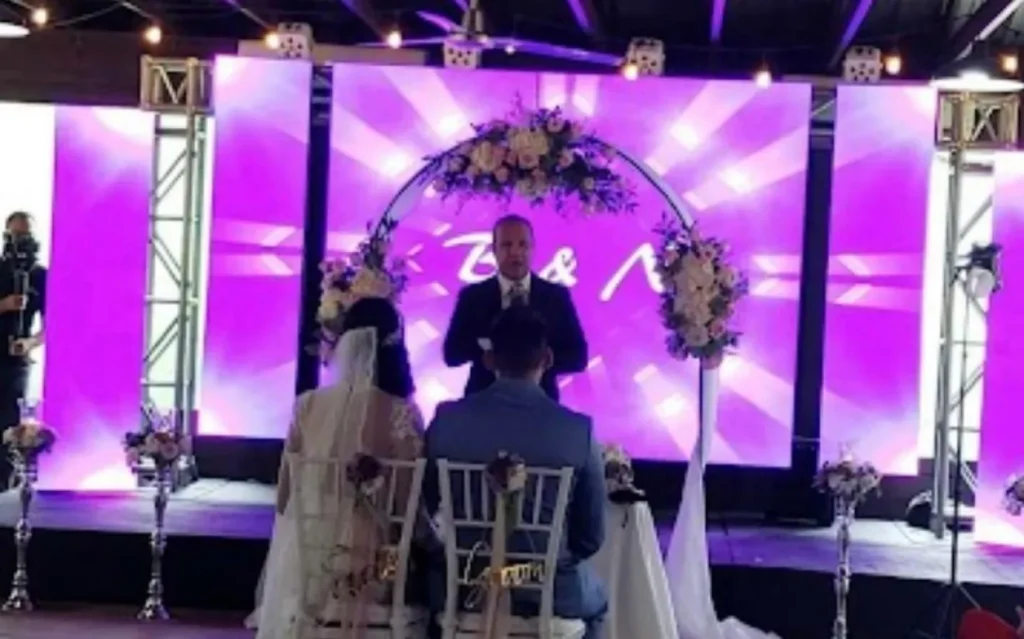
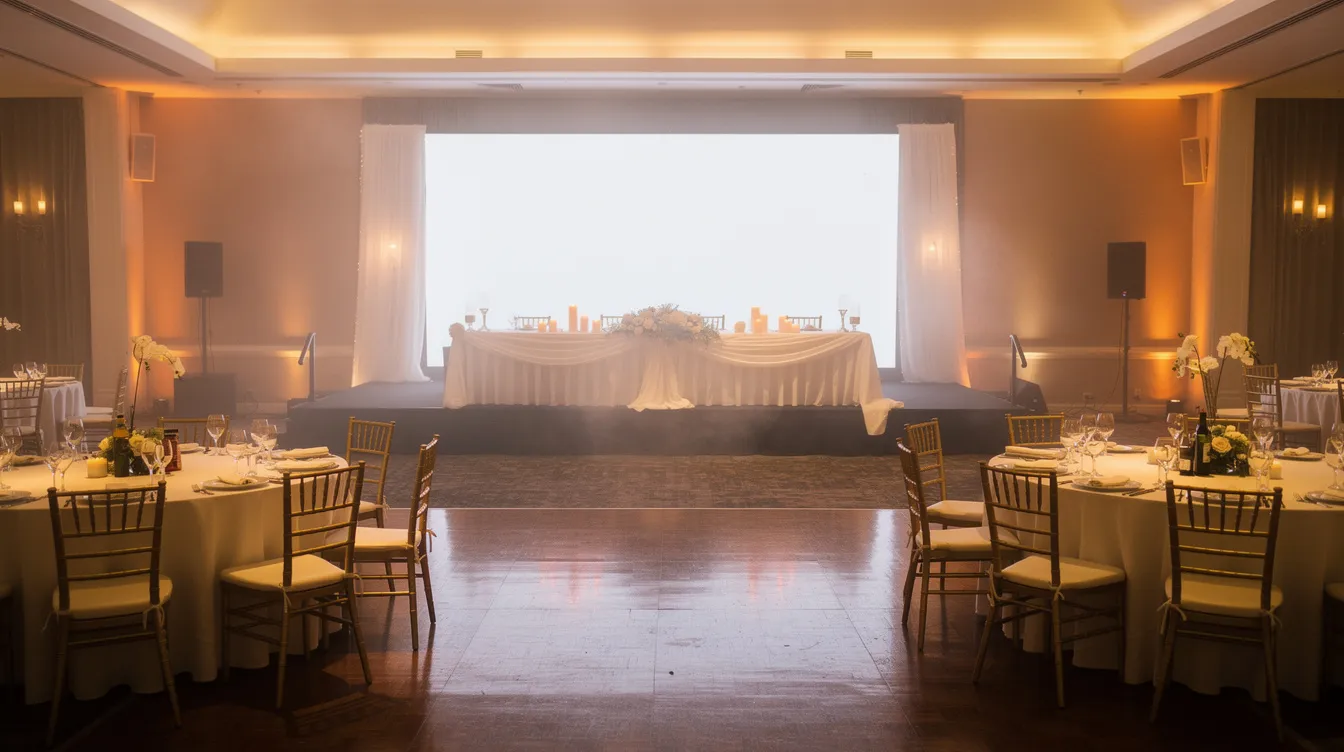
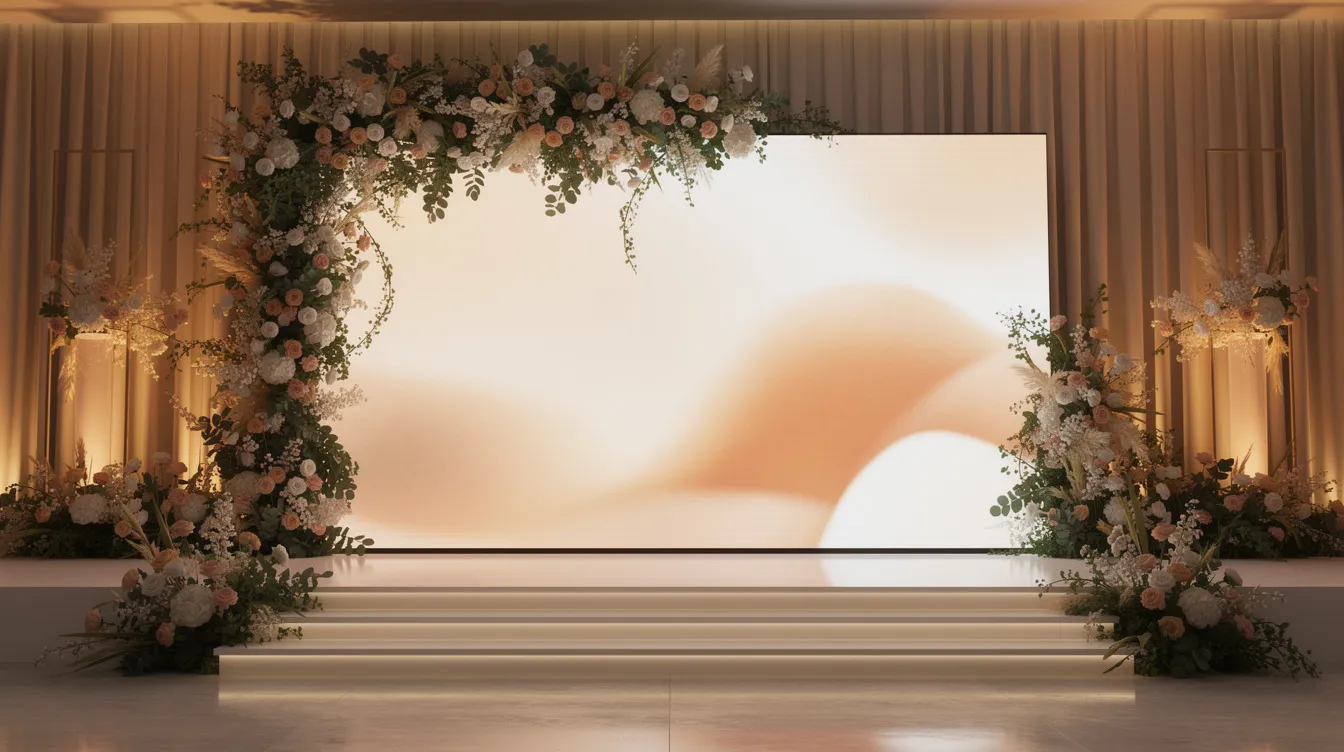
A center LED wall wedding backdrop behind the head table or sweetheart table, framed with draping and floral design provided by the couple’s décor team. The LED becomes one layer in a scenic composition rather than a standalone piece of equipment.
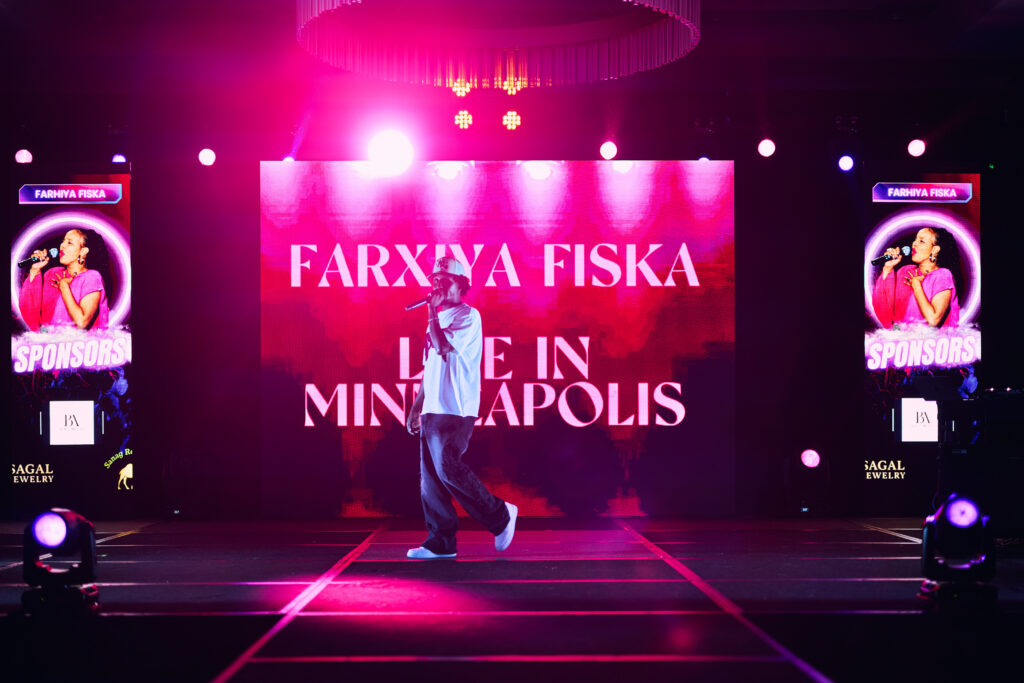
A wide-format LED video wall for a band stage, with content that shifts from romantic motion backgrounds at dinner to performance visuals late at night. Imagine the wall carrying warm amber textures during the best man speech, then transitioning to bold, rhythmic visuals when the band takes the stage.
Vertical LED walls flanking the stage as digital columns that carry textures, patterns or live camera content. This works well in venues with tall ceilings where a wide, low screen would leave dead space above.
An LED entrance feature or portal at the reception entry, used for welcome content, names, wedding date and motion design as guests arrive. This can nudge people into the celebration before they even reach the ballroom.
Multiple medium-sized LED screens instead of one massive wall, for venues with difficult sightlines or long, narrow rooms where a single center screen leaves the sides underserved.
Front Row FX does not provide florals or décor directly. But the production team can coordinate with wedding planners, décor vendors, florists and scenic designers so that the LED walls mesh with draping, greenery and scenic pieces. LED walls can showcase high-quality visuals that enhance decor rather than compete with it.
The physical layout is driven by venue dimensions, ceiling height, stage placement, dance floor position and camera positions. Size appropriately for the room rather than defaulting to the largest configuration available.
Backdrop vs Side Screens, Ceremony vs Reception
LED placement changes how guests experience the room. Ceremony and reception may call for different LED strategies entirely.
Backdrop-focused design
One large LED wall behind the main focal point, whether that is the sweetheart table, band, DJ or central stage. This setup is best for visually driven receptions where the wall acts as a dynamic LED backdrop wedding feature. It works well when most guests face the same direction for dinner and speeches, and the screen becomes the visual anchor for the entire room.
Side-screen design
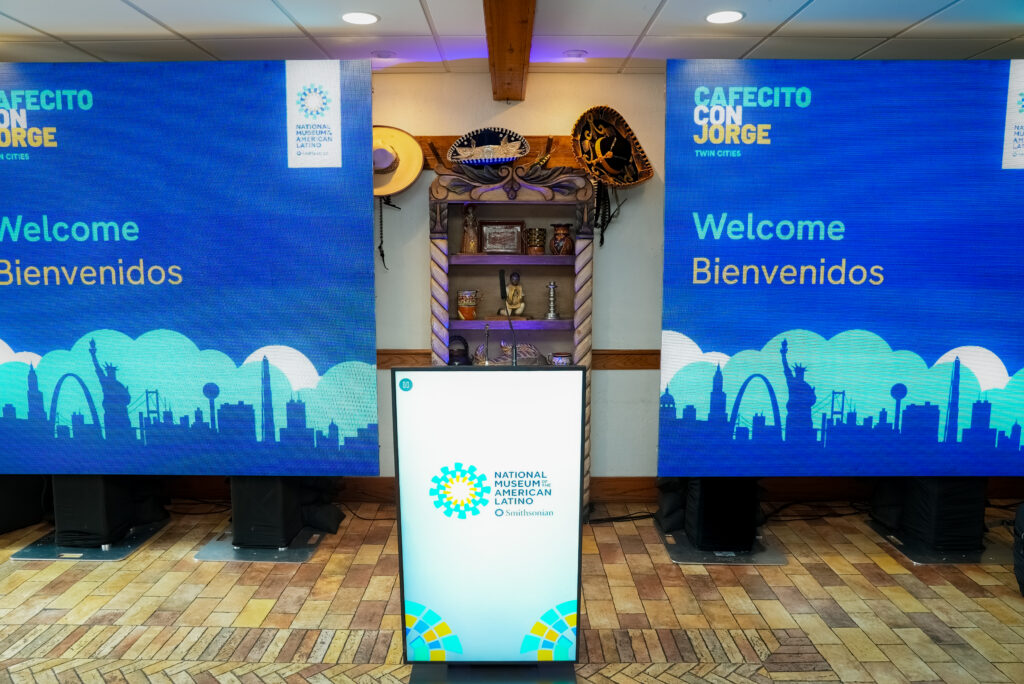
Two or more LED screens positioned left and right of the stage give better coverage across a wide room. This setup is useful when tables are spread far to the sides or when pillars and architecture block center sightlines. It also allows more flexible content layout: the main event happening center-stage with supporting detail or camera feeds on the sides.
For a 200 person wedding reception, side screens as small as 7 feet high by 9 feet wide can provide enough coverage without dominating the room. A 300 person wedding reception may benefit from side screens closer to 9 feet high by 16 feet wide.
Ceremony applications
Some couples prefer a clean, architectural digital backdrop for the ceremony, with subtle motion content and color palettes that support the floral design. Others keep the ceremony screen-free and focus LED on the reception. Both approaches are valid and budget-influenced. Light displays during a ceremony can be powerful when done with restraint.
Reception applications
Content evolves through the reception. Cocktail hour might feature welcome visuals and engagement photos. Dinner carries warm, ambient motion graphics. Speeches get clean backgrounds so the speaker remains the focus. Dancing brings energy: bold colors, reactive visuals and performance content.
Front Row FX can plan an LED timeline that mirrors the wedding flow so the screen never feels static or disconnected. Using the same LED system for both ceremony and reception in the same venue can improve efficiency, but may require additional time for content transitions between segments.
Content: The Difference Between “A Screen” and “Your Wedding Screen”
A $10,000 LED wall displaying generic stock loops will still feel generic. The physical screen is just the canvas. Custom wedding content is what makes the LED feel like part of the celebration.
Here is what that content can look like:
Animated monograms with names and wedding date designed to match the invitation suite or décor palette.
Slow-motion or subtle motion backgrounds for dinner that complement the Event Lighting Production and floral color scheme.
Curated photo and video sequences from the engagement session, family history or cultural elements, scheduled to appear at planned times rather than running on a constant loop. These are more than a minute slideshow stuck on repeat; they are timed moments within the evening.
Branded graphics or lower-thirds for speeches, toasts and special performances, so the best man’s speech has a clean, intentional backdrop rather than whatever was playing before.
Dynamic DJ or band visuals that pair with their set while remaining consistent with the overall visual design. Not a nightclub laser show, but coordinated visual energy.
Late-night room transformation looks that shift the LED video wall from romantic canvases into bold, high-energy visuals for dancing.
LED walls allow for easy updates of displayed content throughout the evening, which means the screen can carry a different look for every phase of the celebration.
Front Row FX can use its LED Content & Visual Design capabilities to build content to the exact pixel dimensions of the chosen LED wall. Graphics are built for the canvas instead of being stretched onto it the week of the wedding.
Content development requires lead time. Early planning allows for rounds of review and revisions instead of receiving video files two days before the event and hoping they work. A wedding hashtag prominently displayed on screen sounds simple, but even that needs to be designed, formatted and tested against the actual resolution of the wall.
Smaller Visual Options: LED Posters and Digital Displays
Not every visual element needs to be a 30-foot video wall. Smaller digital pieces can support the main LED screen or stand on their own for couples whose primary need is communication rather than a stage-dominant backdrop.
Concrete options include:
LED posters or digital totems at the entrance showing the couple’s names, date and welcome messages.
Vertical displays or small LED strips near the bar for digital menus or specialty cocktail content.
Displays for seating charts or table assignments that can be updated if guest lists change.
Cocktail-hour screens for showing engagement photos, cultural video pieces or ambient visuals.
Wayfinding or schedule displays for multi-room venues where the ceremony is in one ballroom and the reception in another.
Small indoor LED screens cost about $600 to $900 daily, making them accessible even for couples who are not investing in a large wall. These smaller screens are complementary to a main wedding LED screen rental, not a replacement for couples specifically seeking a large LED wall wedding backdrop. But for a space where a large wall would feel out of proportion, they carry so many benefits on their own.
Booking and Planning: Why Early LED Decisions Help
LED decisions affect the room layout, décor plan and content timeline. That makes early planning more than a nice-to-have; it is a practical advantage.
Booking early can help in specific ways:
Improved availability of specific LED cabinets and processing hardware for your date. Peak wedding season in the Upper Midwest runs from May through October, and inventory is not unlimited.
More flexibility in choosing creative LED configurations instead of only what remains in stock.
Extra time for coordination with wedding planners, décor vendors and florists to design scenic integration around the LED wall.
Sufficient time for LED content and visual design, content review and revisions, rather than a rush job the week before.
Ability to design the full production (LED, sound, lighting, special effects) as one cohesive plan instead of layering last minute upgrades.
Early booking does not automatically mean discounts. What it does create is better opportunities to build a technically efficient, well-integrated production where every element supports the others.
A reasonable planning timeline for large-format LED wedding backdrops: start conversations 9 to 12 months ahead. That is not a strict rule, but it gives the production team, the planner and the décor team enough runway to design together rather than react.
When a Large LED Wall Makes Sense, and When It Doesn’t
This is an honest fit discussion. Large LED walls are ideal for grand events or immersive visual experiences, but not every wedding qualifies.
When LED video walls make sense
Large guest counts (200 to 400+ guests) where a central or side LED screen improves visibility for everyone in the room. A press event or corporate event has similar visibility needs, and the same logic applies to a 350-person wedding reception.
Venues with high ceilings, big stages or long rooms where a strong visual focal point is needed and smaller screens would disappear.
Receptions where entertainment, performances and visual storytelling are a major part of the evening. This is a massive trend in weddings with live bands, cultural performances and DJ-driven celebrations.
Couples who care about a custom visual environment and want the screen to carry brand reinforcement of their wedding identity throughout the evening.
Cultural weddings, including Indian and multicultural celebrations, that often feature multiple ceremonies, performances and video segments across multiple days or extended timelines.
When LED walls may not be the best use of budget
Small spaces where the wall cannot be placed far enough from guests to be comfortable. If guests are seated 8 feet from a 10-foot-wide LED wall, the experience is closer to staring at a billboard than watching a performance.
Minimal visual content: no significant video, no live camera, only a short slideshow. PowerPoint or video messages displayed once during dinner do not justify a $6,000+ investment.
Rooms where architectural features or décor make it difficult to place a screen where most guests can clear guests’ sightlines.
Situations where investing in Professional Sound, lighting design or décor will more directly impact the guest experience. If the sound system cannot deliver a clear speech to the back of the room, that matters more than visuals.
Front Row FX is willing to recommend TVs, projection or no LED wall at all if that better serves the event. Selling a screen the couple does not need does not build a relationship worth having.
Complete Wedding AV Production: LED, Sound, Lighting and More
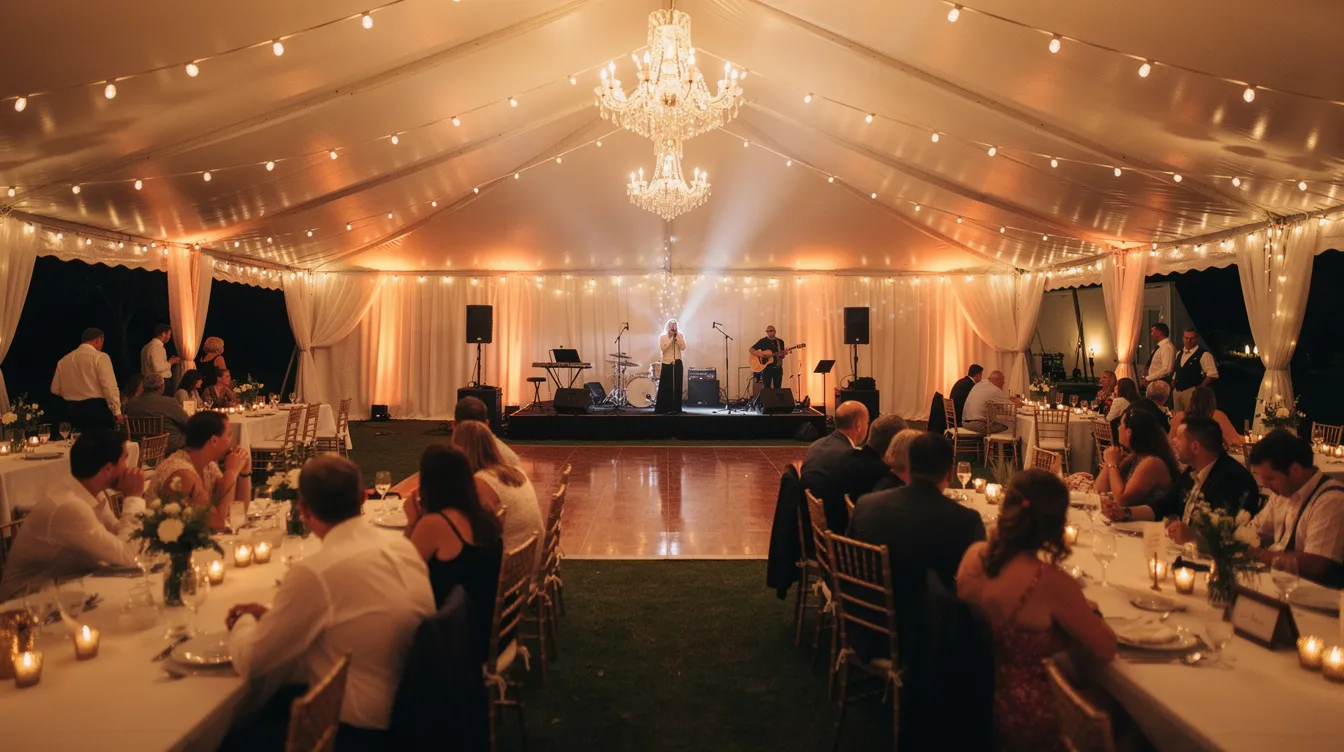
Front Row FX is a full-service celebration production partner, not just a wall rental company. When LED, sound and lighting are designed as one system, the detail in each element improves because the production team can make tradeoffs across the entire budget rather than optimizing each piece in isolation.
Here is what combined production looks like:
LED video walls integrated with Event Lighting so colors, movement and content feel cohesive. When the LED shifts to warm amber for dinner, the room lights follow. That coordination does not happen when each vendor operates independently.
Professional sound systems designed for ceremony, cocktail hour, dinner and dancing, with clear coverage and controlled volume. For corporate events and large celebrations alike, sound quality during the speech is often the detail guests remember most.
Multiple sound zones or setups for multi-space timelines: outdoor ceremony, indoor cocktail, ballroom reception. Each space gets the right system instead of one PA trying to cover everything.
Lighting design that supports both photography and ambiance, coordinated with the visuals on the LED screen so the room reads as one environment.
In this model, the DJ or band plugs into a professionally designed system rather than building their own audio and lighting from scratch. That does not mean any DJ can walk in and connect without preparation; advance technical coordination with the entertainment team is part of the production process.
Front Row FX supplies the technical crew that manages the overall show flow, cueing visuals, lighting looks and audio transitions. The entertainment team can focus on performing. The production team handles happening behind the scenes.
Special effects, where appropriate, can also be designed to interact with LED content. Spark effects or atmospheric moments timed with visual changes on the screen create a more intentional experience than running effects randomly.
Front Row FX: Real Pricing From the Markets We Serve
Front Row FX operates from two production bases: Eagan, Minnesota and Atlanta, Georgia, supporting weddings and events across the Midwest, Southeast and select national markets.
The pricing ranges in this guide are based on the markets where we actively produce events and have enough operating experience, vendor relationships and production data to establish realistic planning benchmarks.
That includes Minnesota, Wisconsin, Illinois, Iowa, North Dakota, South Dakota, Georgia, Tennessee and Florida.
These numbers are regional planning references—not universal U.S. pricing. Venue labor, transportation, rigging, power, local crew rates and installation schedules can move the same LED configuration higher or lower from one market to another.
Two Production Bases. One Production Standard.
Front Row FX combines direct production access with professional inventory, technical crews, regional production relationships and multi-state capability.
From Eagan, we support Minneapolis, St. Paul and the Upper Midwest. From Atlanta, we support Georgia, Tennessee, Florida and surrounding Southeast markets.
That gives clients one production partner across multiple regions without losing the direct, high-touch planning model.